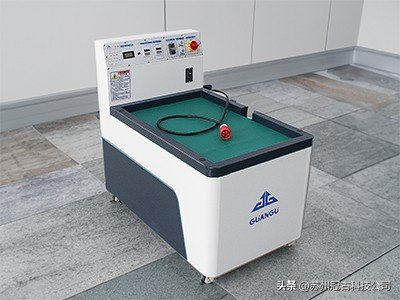


Suzhou stainless steel cup magnetic grinder surface treatment technology
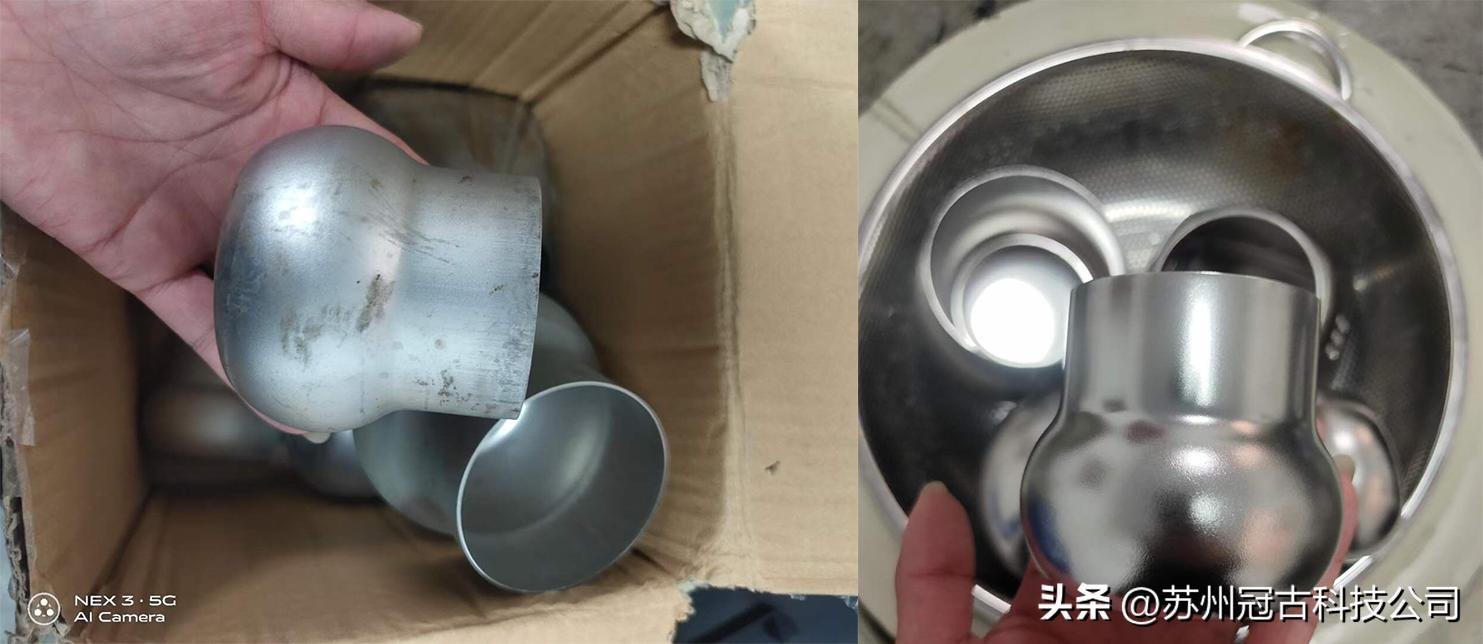
Currently, many stainless steel cup manufacturers still use manual methods to polish off the burrs on the surface of the product. This method often takes a long time for a single cup, and it is very easy for the surface to be worn away.
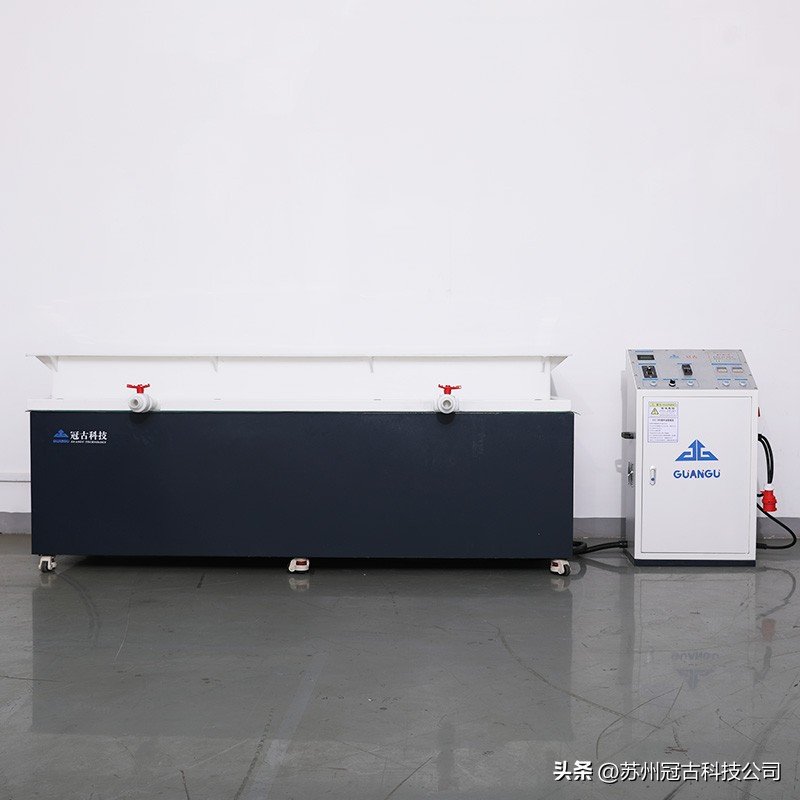
However, the magnetic grinder has the batch processing capability to process a large number of products at the same time. However, if there is an error in the equipment parameter settings, the entire batch of products will be scrapped. Therefore, we will break down the key daily control steps one by one.
How does a magnetic field drive abrasives to work?
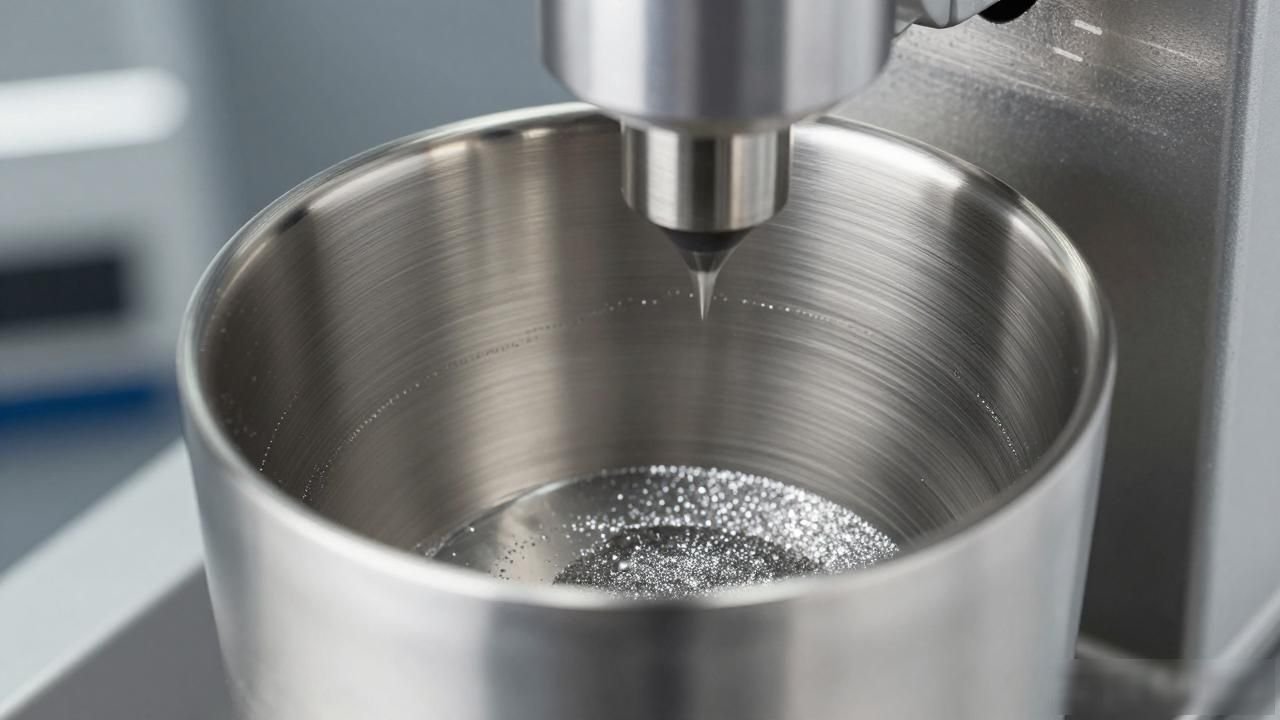
There is a coil at the bottom of the magnetic grinder. When the electricity is energized, an alternating magnetic field is generated. The stainless steel needle abrasive contained in the coil is stressed in the magnetic field, so it rotates at high speed along the inner wall of the cup. At the same time, it performs a beating action. The frequency of this beating can reach several or thousands of times per minute. In this process, there is no need for manual direct contact with the workpiece.
The abrasive is rotating, vibrating, and rolling at the same time. These three movements are carried out together, hitting the cup mouth, cup wall, and cup bottom from many different angles, slowly wearing away the oxide layer and burrs. The entire operation is completely automated and does not require anyone to watch.

The strength of the magnetic field directly determines how deep to grind
The magnetic field strength is a factor that directly determines the depth of grinding. When the magnetic field is in a high range, the specific value is between 8 and 12 Gaussian, the rotation speed of the abrasive will be faster, and the impact force will be greater, so this state is suitable for removing thicker oxide layers and burrs generated by welding.
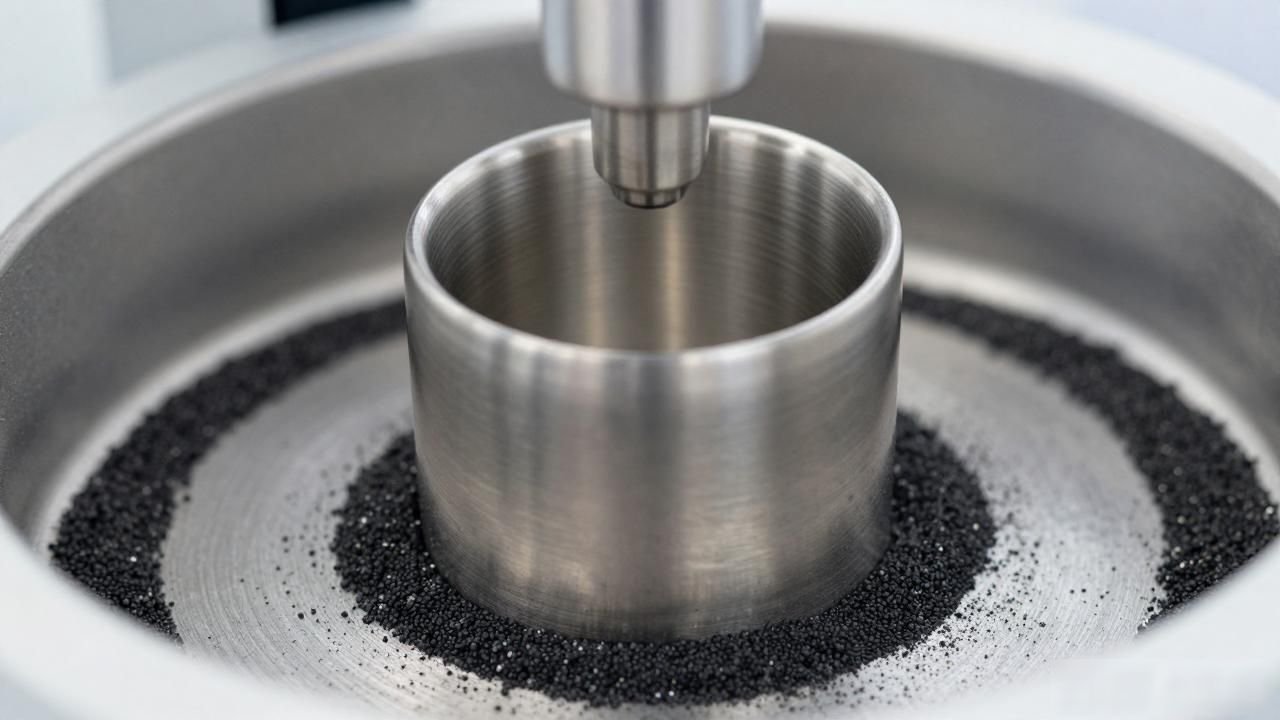
Conversely, if the magnetic field is low, specifically in the range of 3 to 5 Gauss, then the motion will be relatively mild, which is left to the final fine polishing step.
This cup needs to go through several processes, from stamping to final polishing. The magnetic field used in each process is actually different.
The first step, which is the regrinding step, requires a magnetic field force of 10 Gauss. Then the second step is fine grinding, where the magnetic field value will drop to 6 Gauss. When the final mirror polishing is performed, the magnetic field strength will only be 4 Gauss. If all the intermediate steps are skipped, there will definitely be some fine lines left on the surface of the product.
Don’t mix abrasives and cleaning fluids
Abrasive materials are usually processed using stainless steel needles with a diameter of 1.5 mm and a diameter of 2 mm. When handling rough tasks, products with a specification of 2 mm should be selected. When performing delicate processing tasks, products with a specification of 1.5 mm should be selected. The amount of input required is generally calculated based on the volume of the work object. It needs to be in the range of eight to twelve times the volume. If the amount of input is too small, the grinding will not move at all. Once too much is put in, it will cause different abrasive materials to collide with each other. This behavior will damage the texture of the cup surface.
The cleaning solution uses a water-based neutral cleaning agent, and its concentration should be stable in the range of 2 to 5 percent. Do not use strongly acidic media as it will corrode stainless steel. The liquid after each batch of operations needs to be filtered. This fluid should be replaced after approximately twenty to thirty uses. Failure to do so will cut the expected life of the abrasive by as much as half.
How to maintain efficiency and uniformity at the same time
A machine is equipped with 300 cups, and the processing time of a batch is 25 minutes, and eight to ten batches can be completed in one day. It takes forty seconds to polish a cup by hand. Even if two people work in three shifts, two thousand cups cannot be ground in one day. The work efficiency is several times worse than the former.
The abrasive will achieve a state of uniform suspension in the magnetic field, so that the inner wall, bottom and mouth of the cup, which are 360 degrees, can be ground. If it is made by hand, the master must judge by the feel of the hand, but the corners of the bottom of the cup are easily polished unevenly. Once the customer pinches it with his hands, he will immediately notice the difference.
How to deal with the key points of the cup mouth and inner wall
The rim of the cup is where users touch their lips, so the burrs must be cleaned. First, place the cup with the mouth of the cup upside down in the grinding tank. After the magnetic field is concentrated on the cup mouth and runs for 15 minutes, the solder joint burrs can be basically smoothed.
When performing the inner wall grinding operation, the cup needs to be kept upright. In this way, the abrasives will first accumulate at the bottom of the cup, and then be scattered by the force of the magnetic field. Then, these scattered abrasives will continue to hit the inner wall of the cup. After this set of processes is completed, the cup will be rinsed with clean water and the water will be completely wiped dry. Then the surface roughness value at this time can be reduced to below the limit of Ra0.4.
Environmental protection and cost accounting are clear
There is no dust or waste liquid discharged during the entire process. The cleaning fluid is recycled repeatedly. In this way, a single factory can save 20,000 to 30,000 yuan per year in waste liquid treatment. There is no need to install large dust removal devices inside the workshop, and the approval process for environmental protection acceptance will become simpler.
The investment cost of a medium-sized machine is about 120,000 to 150,000 yuan, and the hourly electricity bill is about 40 yuan. After calculation, the processing cost for each cup is less than 25 cents. This method saves the price difference compared with outsourcing polishing. Therefore, the larger the quantity, the more money you save and the more cost-effective it is.
Does your factory currently grind cups by hand, or by machine?
If the production parameters are always not adjusted accurately, you can tell us the specific size of the cup and the related process conditions in the comment area. I will help you check what the value of the magnetic field should be set to. If you think this method is indeed useful, then please click the like button and forward it to the master in your workshop to take a look at this matter.




No comments yet