

Advantages and Disadvantages of Metal 3D Printing
Whether metal parts are made using cutting technology or printing technology, many factory owners really can’t figure out this issue. Because the equipment is very expensive, the powder is also very expensive, and there are many post-processing steps. But some structures are so special that only printing technology can make them. So, what kind of work is worth sending to the printing factory to do, and what kind of work should not be touched? Today we will break down this issue and explain it bit by bit.
Integrated molding of complex structures
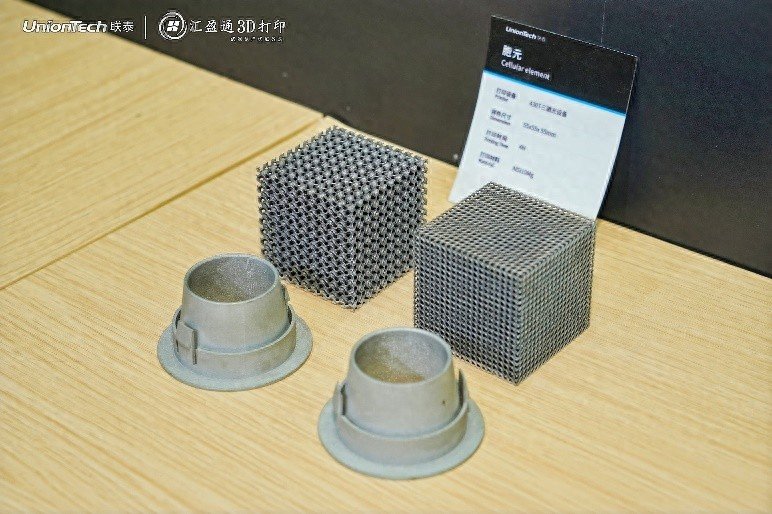
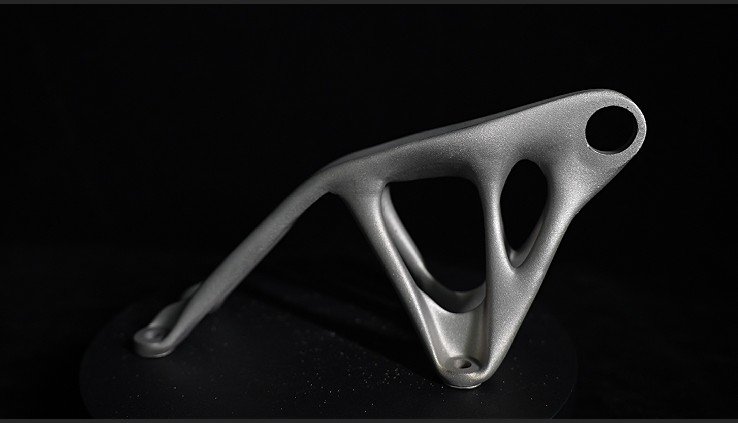
Traditional turning, milling and forging processes are unable to create internal channel structures such as hollow lattice and topology optimization, so the parts have to be dismantled into several pieces and then put together by welding and riveting. However, 3D printing technology covers powder layer by layer for sintering operations. As long as there is a digital model, parts with an overall shape can be directly produced. Irregular-shaped parts such as aviation brackets and gas turbine blades have now been put into mass production.

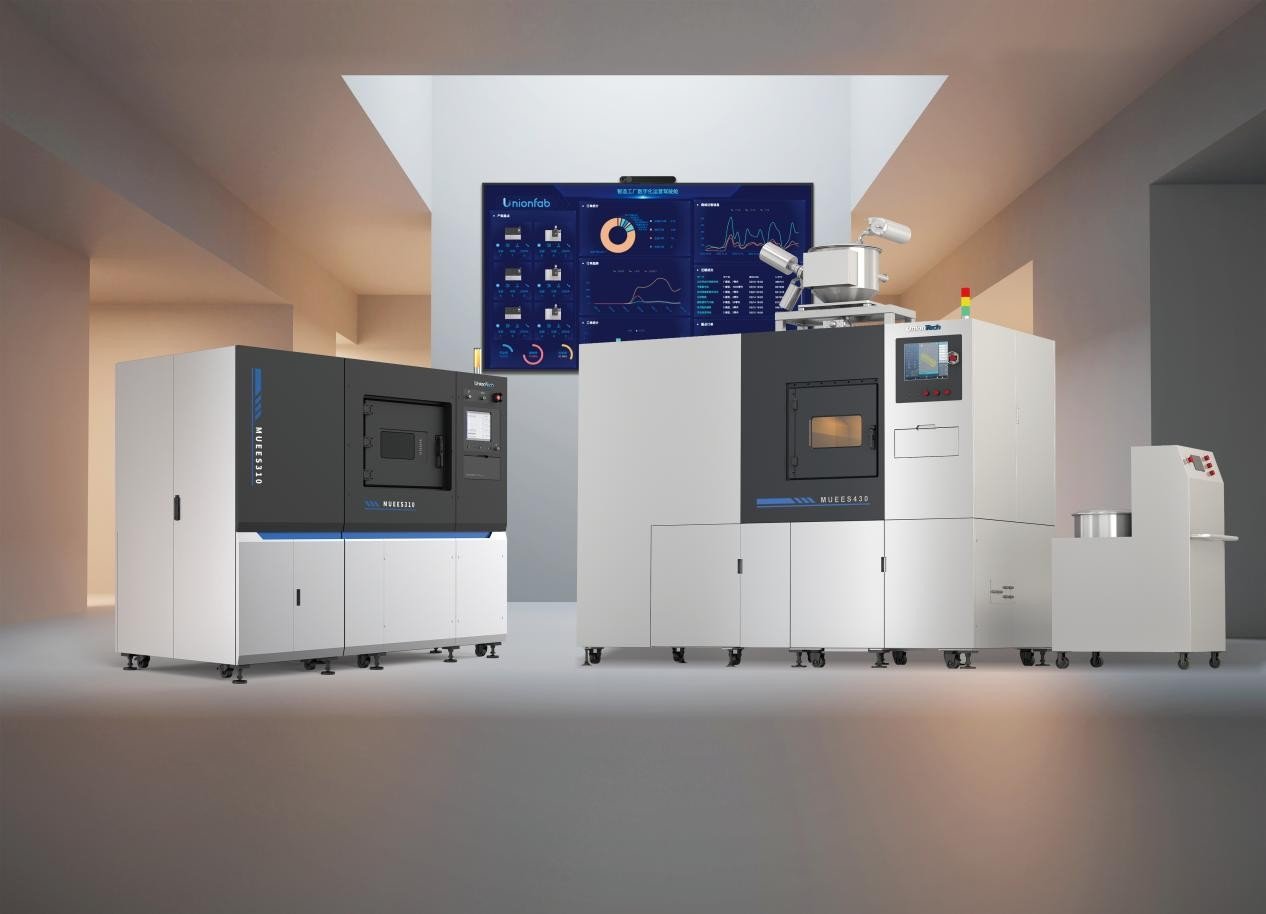
The molding space size of Luentech's Muees series SLM equipment is 430 x 340 x 400 mm. Materials such as titanium alloy, 316L stainless steel, and aluminum alloy can be processed on it . Comparison of metal parts processing and 3D printing . Comparison of metal part processing and 3D printing . The same machine can not only meet the strength index requirements in the aviation field, but also produce implants required in the medical field. This saves the trouble and toss caused by switching back and forth between multiple sets of equipment.
Material Utilization, Rolling and Material Reduction
Nowadays, when people process the titanium alloy shell, it often happens that the proportion of scrap can exceed 60%. You must know that the price of one kilogram of Ti-6Al-4V powder in the market is several thousand yuan. The scraps generated during the cutting process can basically only be sold as recycled materials at low prices.
When doing things by printing. It will gradually lay down the powder according to the volume of the model. From a theoretical perspective, the material utilization efficiency can reach more than 90%. Therefore, when dealing with those particularly expensive metal materials or special alloys in the aviation field. The economic accounts in people's minds are very clear and intuitive.
When an industrial SLM equipment reaches full production capacity, the powder money saved every year is enough to buy half of the same equipment. This is the core reason why the aerospace industry and medical companies give priority to the additive manufacturing route. In the category of low-altitude economy, the structural parts of drones have also begun to use 3D printed parts to replace those parts made of sheet metal and welded.
Small batch customization without mold opening
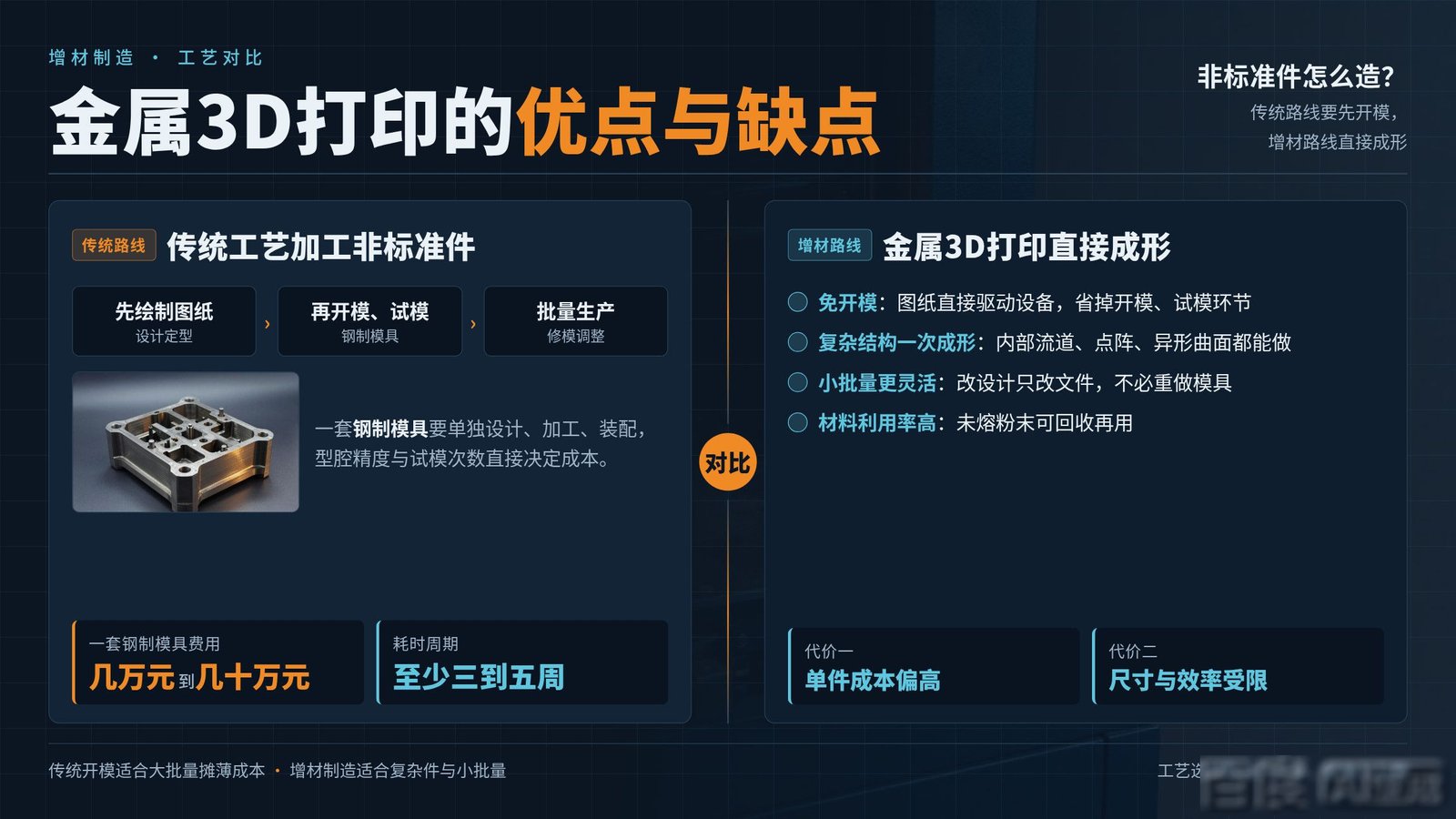
To process non-standard parts using traditional processes, drawings need to be drawn first, and then the steps of mold opening and mold testing are carried out. The cost of making a set of steel molds ranges from tens of thousands to hundreds of thousands of yuan, and the time cycle takes at least three weeks to five weeks.
When using 3D printing technology, you only need to adjust the model and set the relevant parameters before you can print directly. In this way, you can skip the mold opening process and produce samples within two or three days. Even a small order of only a few dozen pieces can be processed smoothly.
When footwear companies are engaged in development work, the use of metal shoe molds is the most typical scenario. The SLM shoe mold mass production machine launched by Luen Thai has optimized the powder conveying route and blanking structure.
This equipment adopts an integrated design of suction screen and powder feeding, and is also equipped with a self-developed atmosphere circulation machine, which significantly shortens the production cycle of a single mold. Because of the use of this technology, shoe factories do not need to set up steel molds for small batch orders of hundreds of pairs.
High cost threshold for equipment and powder
In industrial-grade selective laser melting technology, lasers, galvanometer systems and vacuum chambers have very high precision requirements. Therefore, the current price of mainstream equipment models ranges from one million yuan to tens of millions of yuan. As for the production process of metal powder, it needs to be processed by ball milling equipment first, then screened, and finally encapsulated and protected with an inert atmosphere.
The price of the finished product of this process is usually about three to five times the price of the same grade of materials with more regular shapes. Considering these huge capital requirements, the scale of initial capital investment is indeed enough to make large-volume small and medium-sized machining factories feel discouraged and give up the idea of entering this field.
It is precisely because of this that metal 3D printing technology is now mainly concentrated in industries with high added value characteristics such as aerospace and medical.
Against the background of the low-altitude economy, some drone frame parts are beginning to use parts made by printing processes. However, the vast majority of small and micro factories engaged in machining business are still unable to clearly calculate the economic benefit accounts at the current stage, so they are currently in a wait-and-see state.
Material types and post-processing are still shortcomings
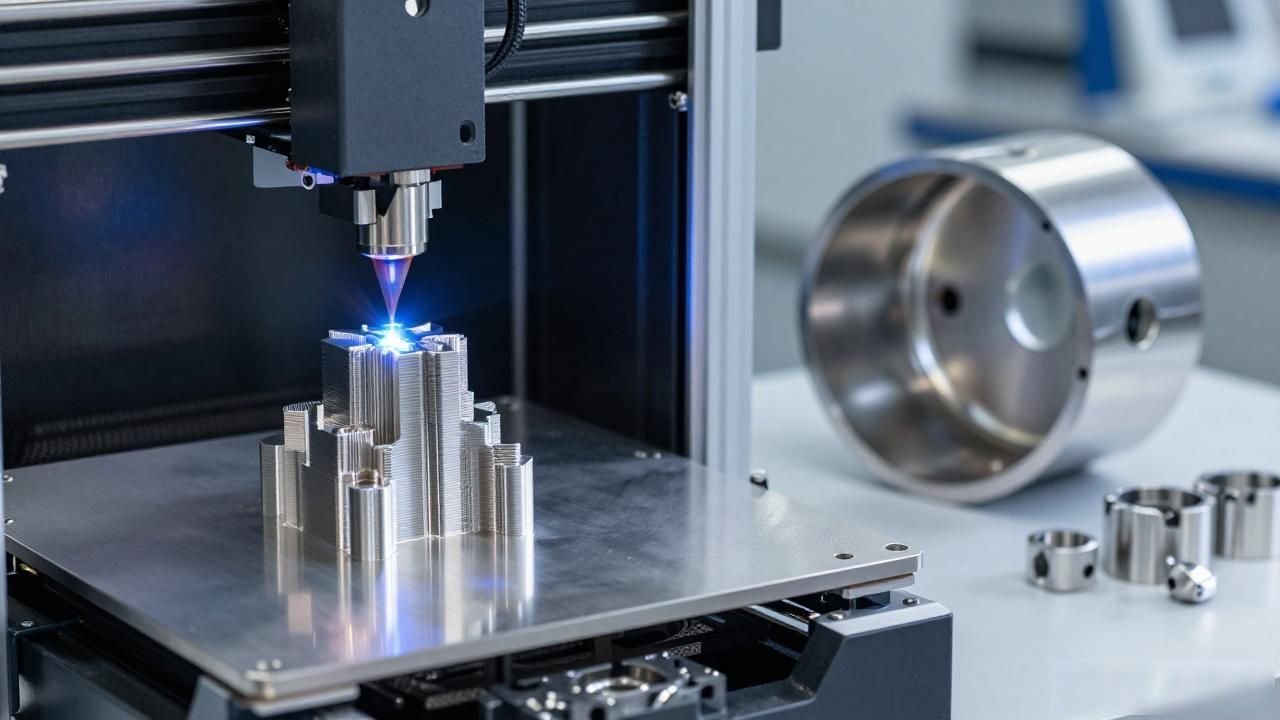
At present, powder materials with relatively mature technology mainly include titanium alloys, stainless steel, aluminum alloys and copper alloys. However, nickel-based superalloys and high-entropy alloys are still in the technical research stage. The risk of pores and micro-cracks inside printed parts has not been completely solved. Compared with traditional manufacturing processes, there is still a big gap in the yield rate of industrial production.
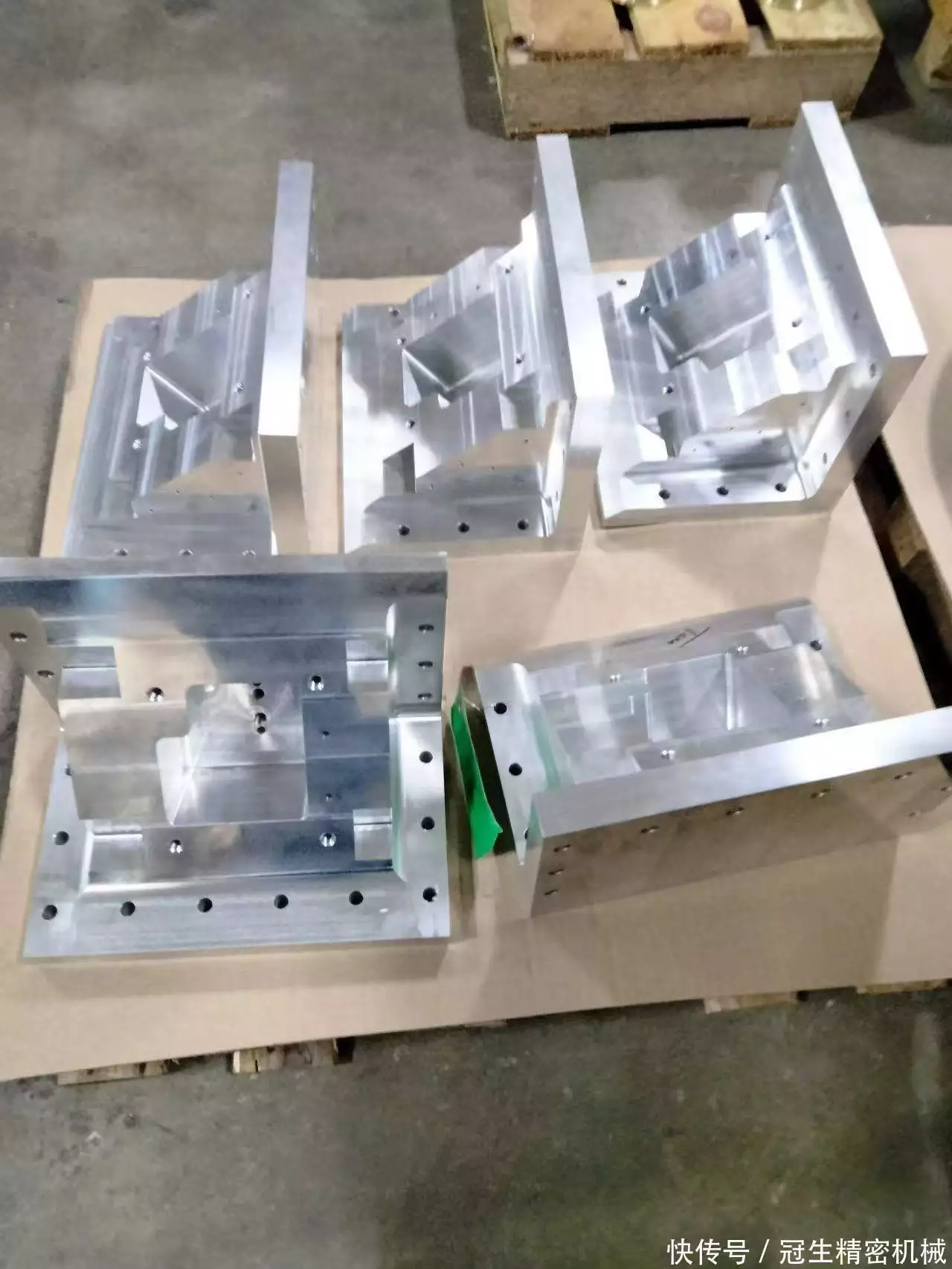
It cannot be assumed that as long as printing is completed, it can be used directly. After operations such as grinding, polishing and stress relief annealing are completed, or after the T6 heat treatment process is completed, the time spent on the entire post-processing will occupy nearly half of the total product manufacturing cycle.
At the same time, the labor costs used and the energy costs consumed are additional expenses that need to be incurred. As the types of materials used gradually increase, the difficulty of subsequent processing will also gradually increase.
complement rather than substitute
So far, it is still too early to say that 3D printing can replace machining. For large quantities of standard parts, the manufacturing cost of cutting processing still completely exceeds the manufacturing cost of 3D printed parts. In fact, 3D printing technology is more suitable for applications in various scenarios where the structure is extremely complex, the production batch is small, and the materials are expensive.
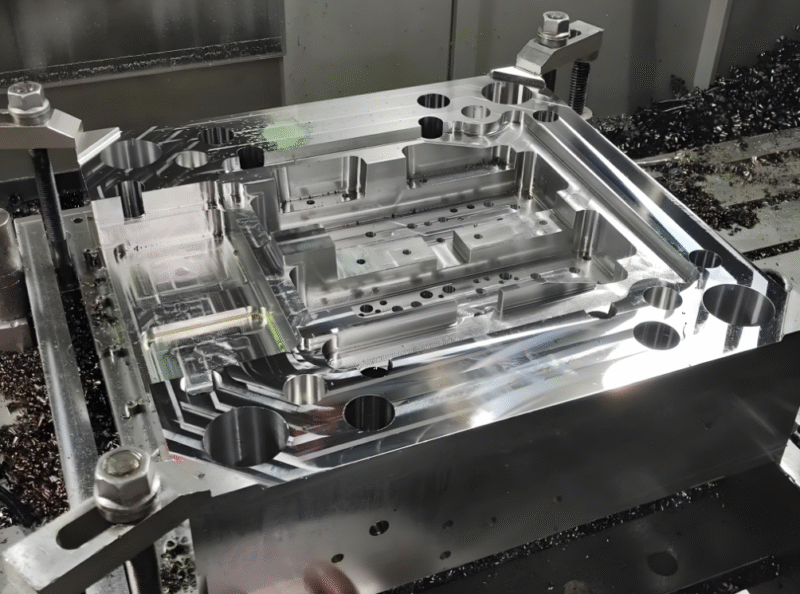
The most reasonable approach is to compare the advantages and disadvantages of metal 3D printing with metal parts processing and 3D printing , use 3D printing to produce the skeleton part of the product and various key node components, and use traditional machining methods to complete subsequent fine trimming and surface treatment work. Let these two different process routes advance in parallel, and they both run on the same production schedule for coordinated management.
In China, leading equipment manufacturers and universities have been working hard to promote the yield rate in the past two years, pushing the yield rate from the previous 70% to 90%. The technology of powder recycling and reuse has actually been implemented and started to be used.
According to predictions, within the next two to three years, medium-volume and medium-complexity metal parts will enter the printing production line one after another. These parts will then actually run on the same production schedule as the traditional process.
Please talk about which metal parts in your factory are still being processed by cutting, and which metal parts have been transferred to companies that provide printing services. Please express your views in the comment section. If you think this answer is useful, please give it a thumbs up and forward it to your peers for a look.



No comments yet