

The era of precision: How do 3D printing and 3D scanning reshape the industrial parts manufacturing process?
In many factories that make metal parts, many personnel are still struggling over and over whether they should choose CNC or 3D printing. In fact, the most critical point is not to choose the specific equipment, but whether you have enough accurate dimensional data in your hand to support the final judgment.

Scan the blue light to reveal all complex parts data
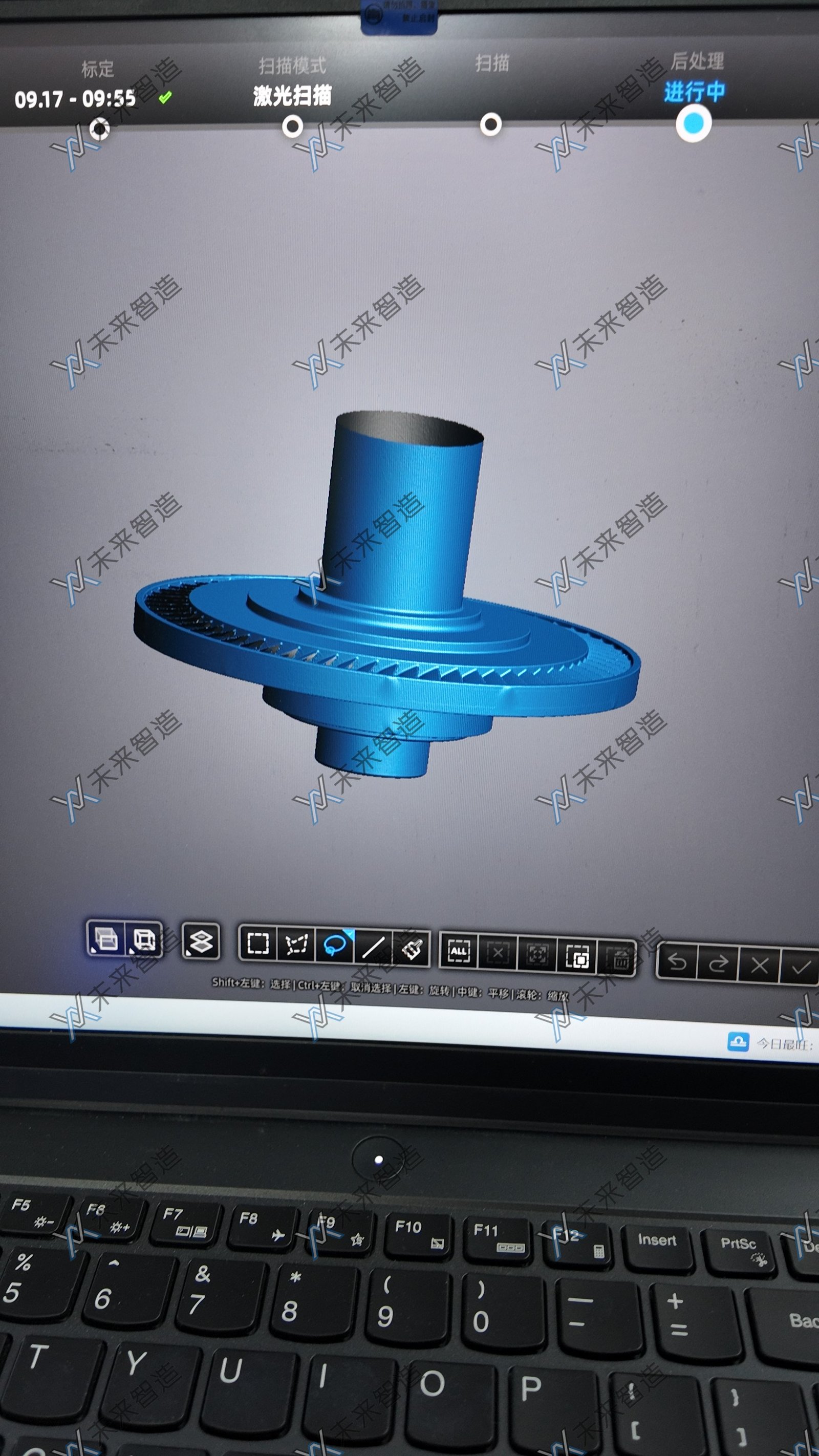
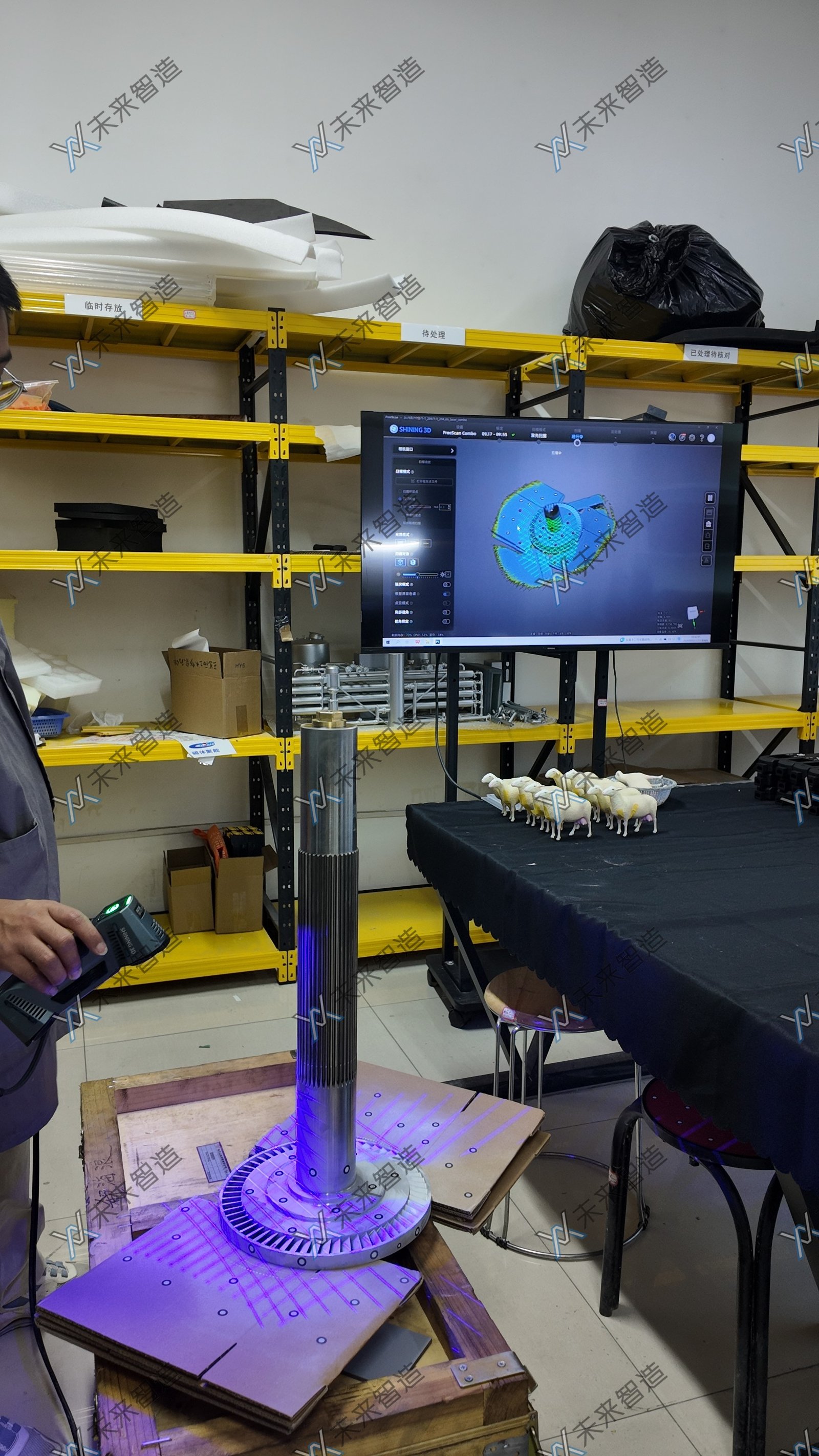
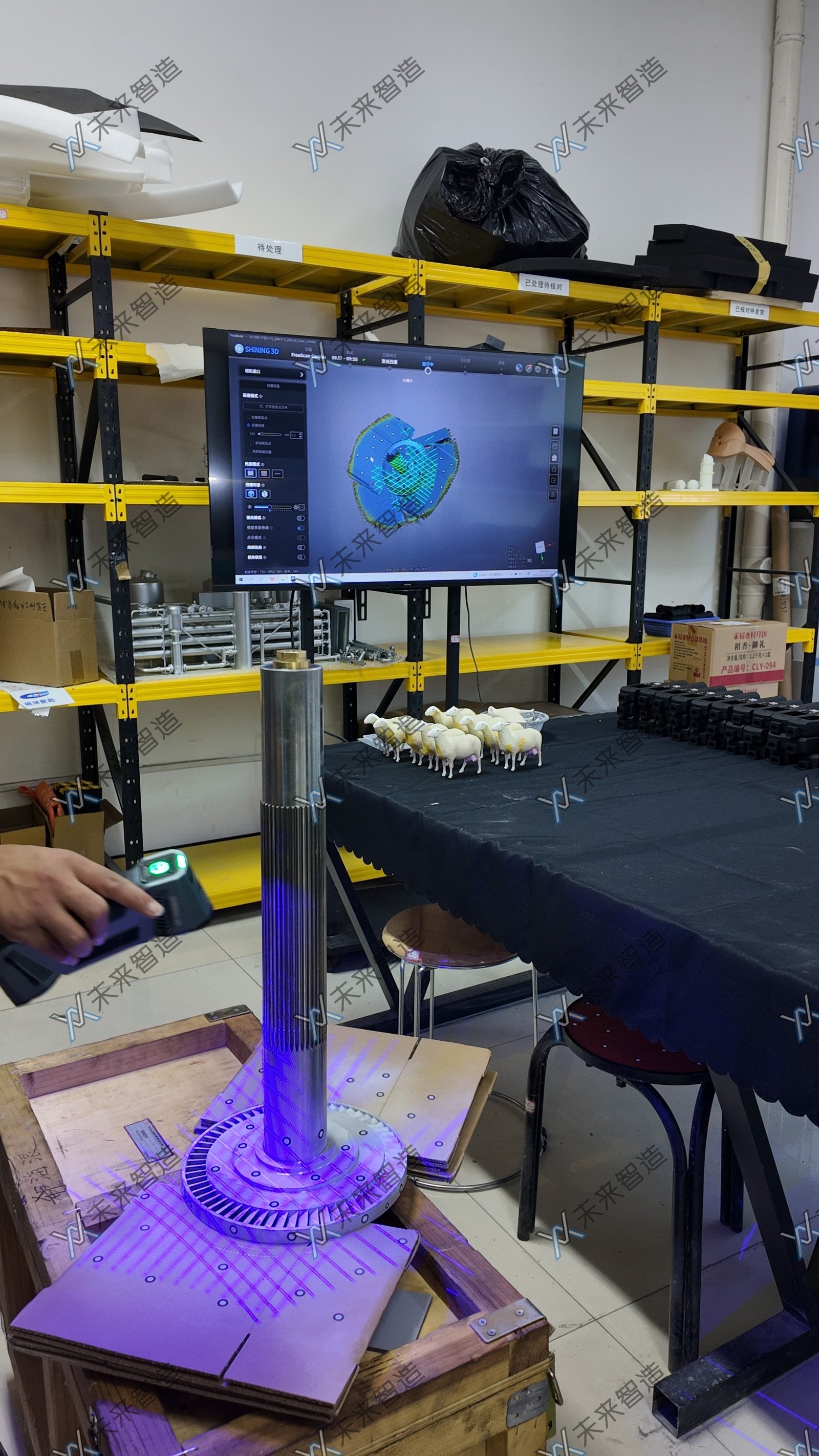
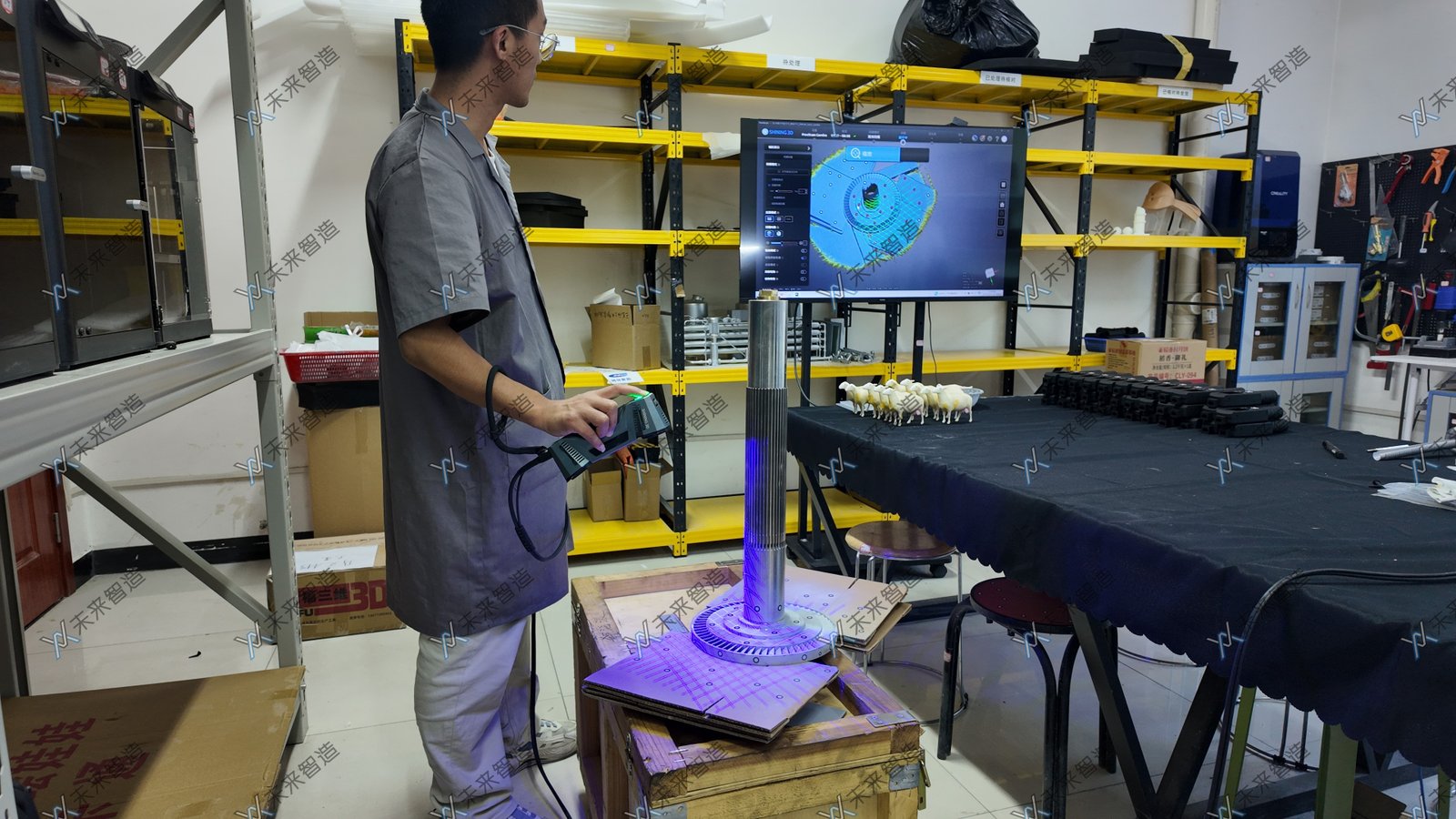
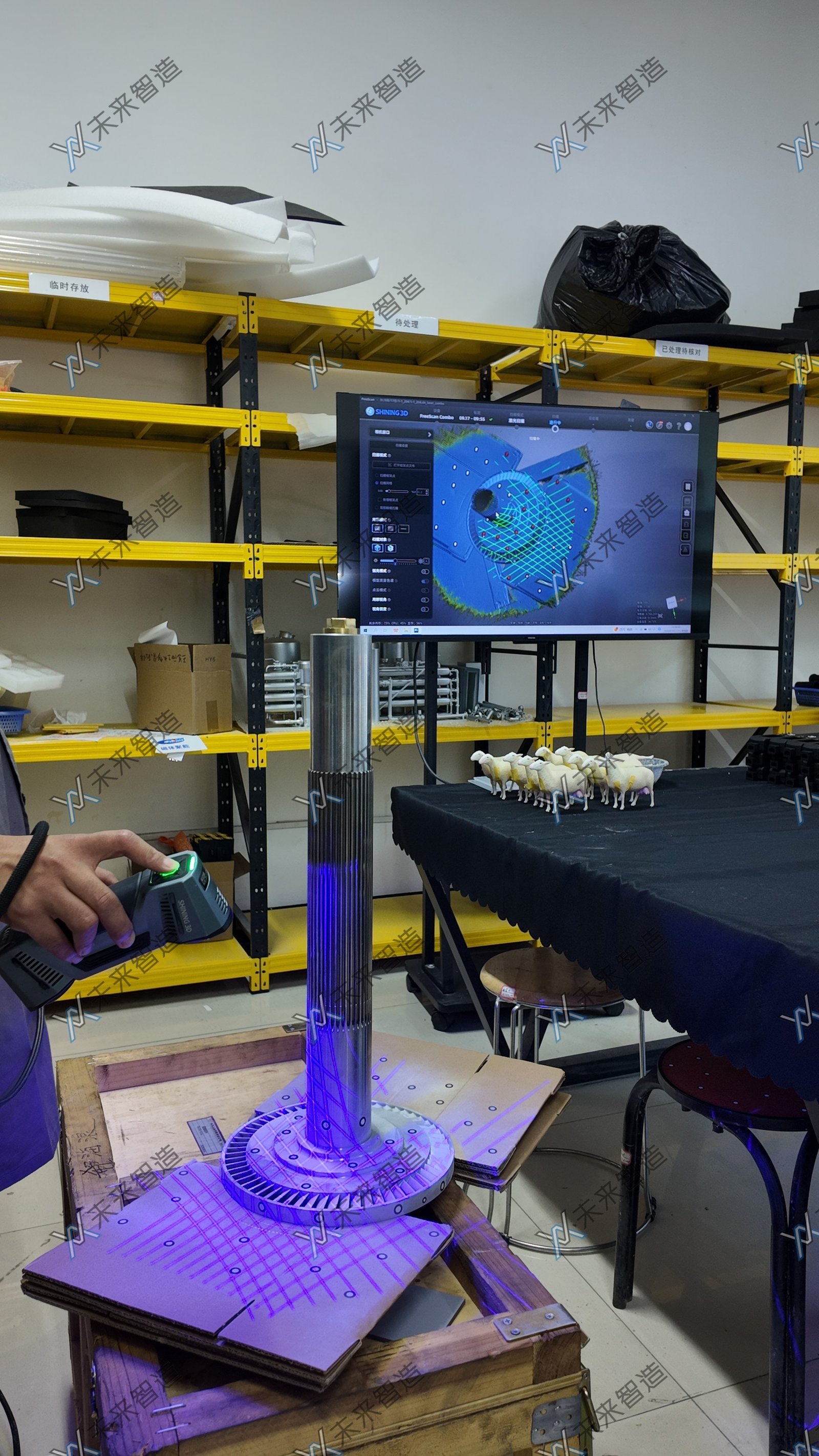
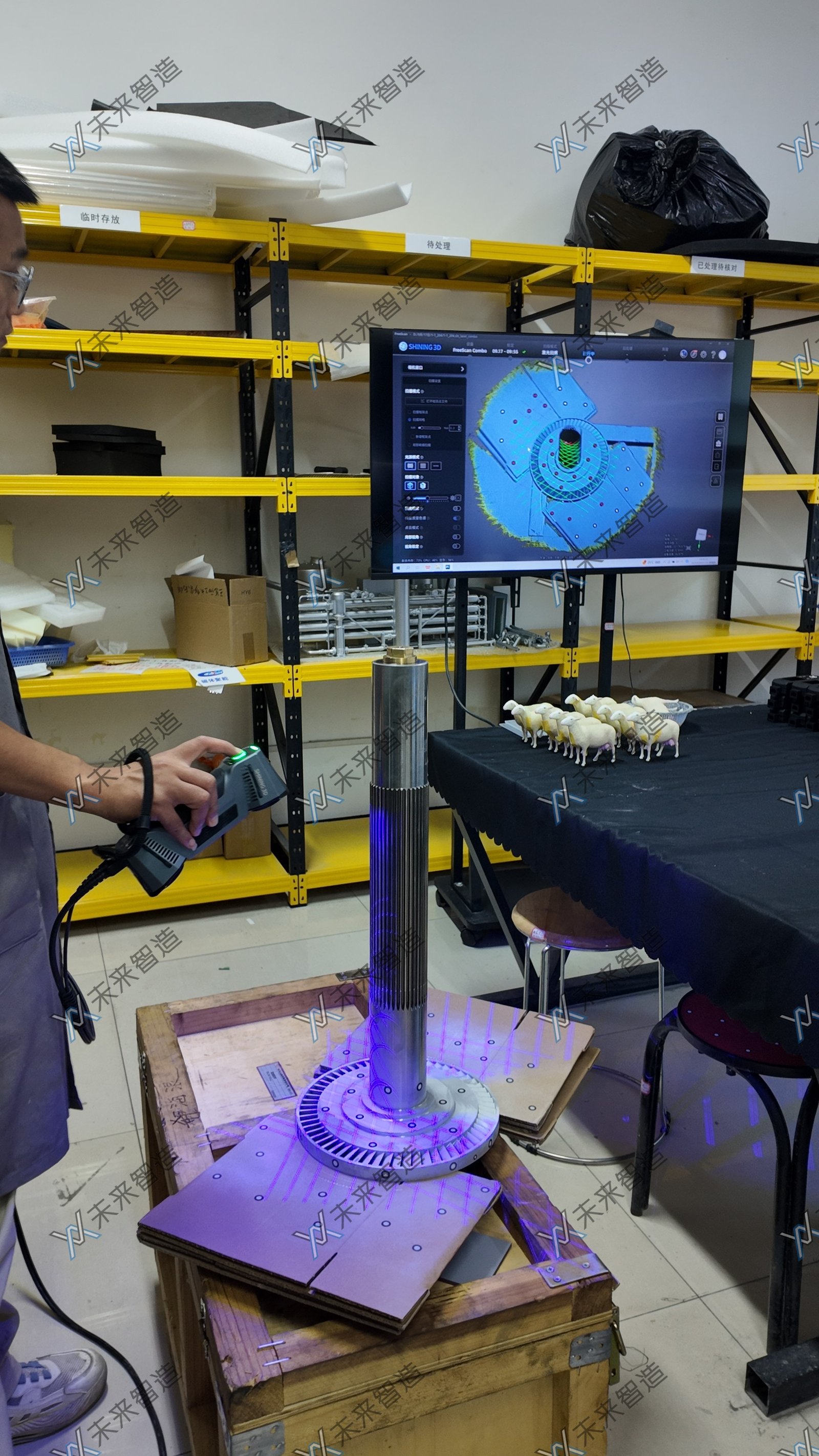
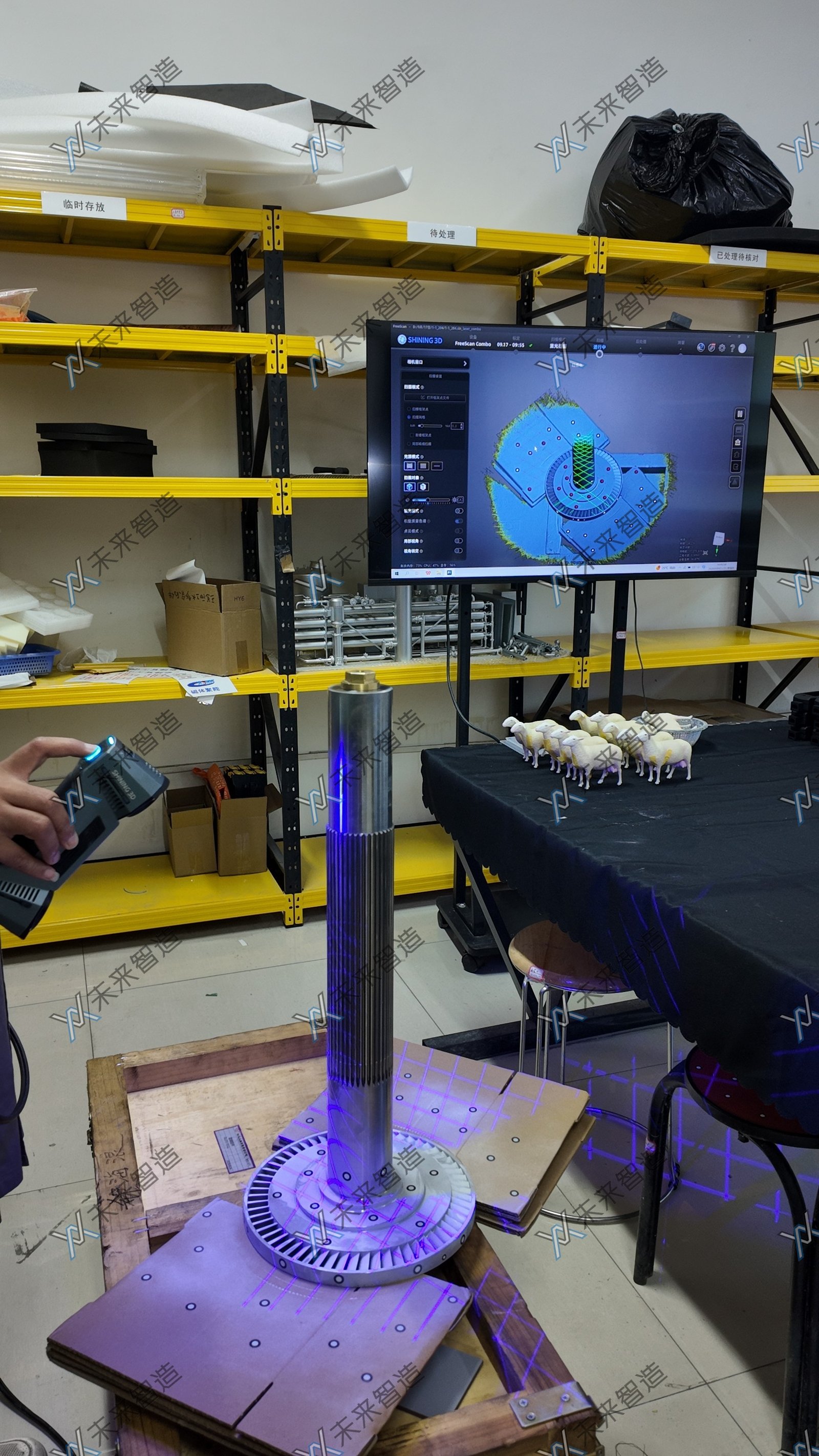
In the production workshop of Xi'an Future Intelligent Manufacturing Company, the engineer holds the 3D scanner in his hand. The blue light shines on the metal columnar part, and then the colorful point cloud data can be generated directly on the screen.
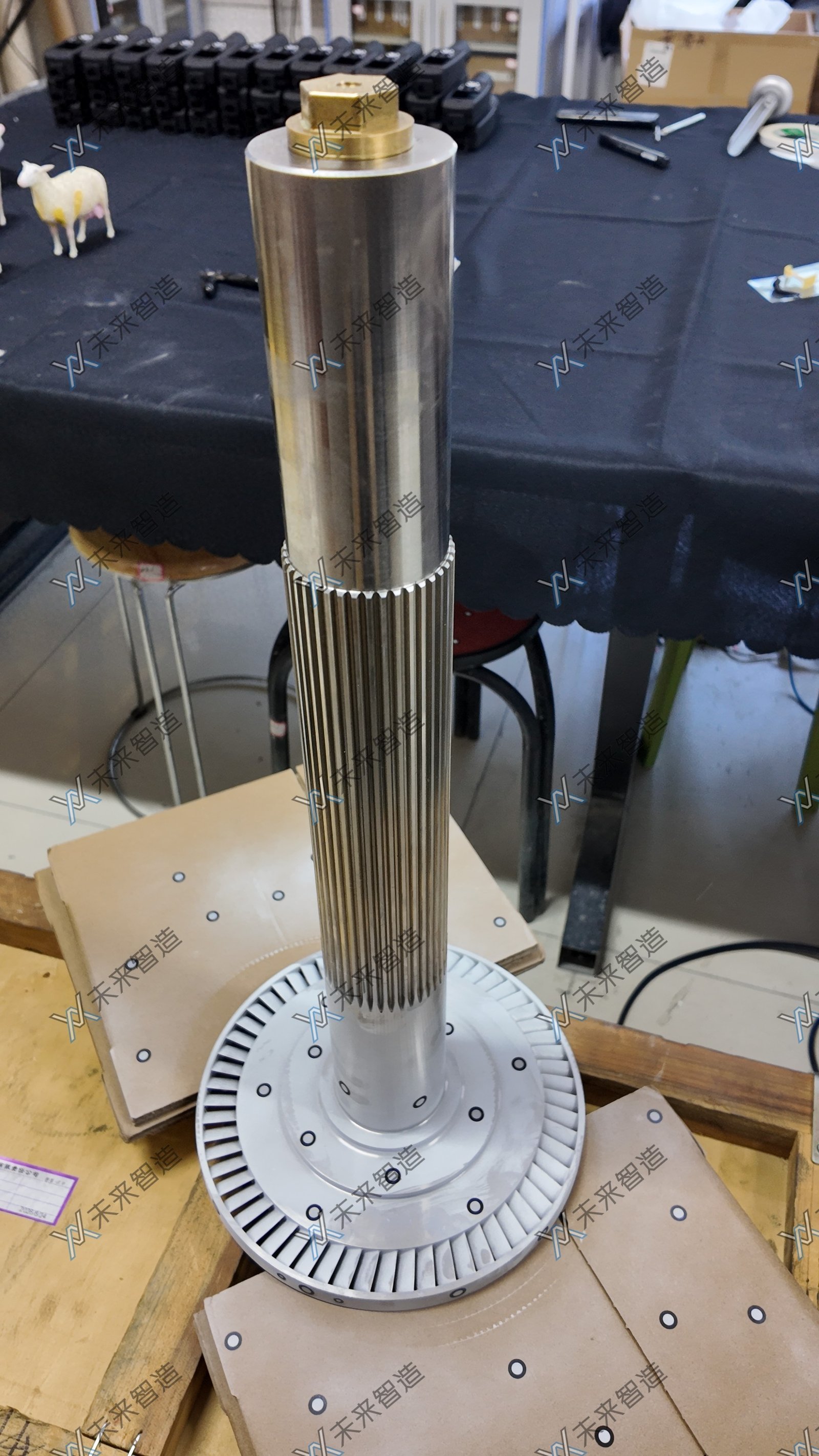
The characteristics of this part are very complex. It has dense longitudinal heat dissipation grooves, a ring-shaped gear structure at the bottom, and multiple complex curved surface parts. As long as a person or device walks around it in a circle, all the geometric information of the entire surface can be collected.
When using traditional calipers and micrometers to measure, people often find that if they encounter free-form surfaces and tiny structures, there is basically no way to start. Performing card testing one after another is very inefficient and very error-prone.
Non-contact scanning technology can collect millions of data points in just tens of seconds. The color map can directly show which positions exceed the difference between metal parts processing and 3D printing , thus providing a basis for quality judgment.
Scan old parts without drawings and directly create models
This factory often receives such business tasks. The specific situation is that the customer takes out an obsolete part that has been used for more than ten years.
At the same time, the original original CAD drawings have long been lost, but the customer still requested to manufacture a replaceable part. The 3D scanning equipment can convert the above-mentioned physical object into a high-precision digital model. The designer can then complete the repair work of the missing parts and adjust the dimensional parameters in the software environment. This greatly shortens the entire product development and production cycle from the original two to three weeks to only three to five working days.
In the mass production process, first article inspection also relies on this technology. By comparing the scanned data with the design drawings for chromatographic analysis, if it is a qualified area, it will be displayed in green, and any place where there is an out-of-tolerance situation will be displayed in red.
As for the specific values that are out of tolerance and where these errors appear, the operator can clearly see this clearly on the screen. Compared with the traditional method of a master using a feeler gauge to measure each surface one by one, this method is more objective and can save a lot of time.
3D printing turns digital models into metal parts
The model has been modified, and the next question that needs to be asked clearly is, how does it turn into an actual object step by step? The company Xi'an Future Intelligent Manufacturing uses metal 3D printing technology. The specific method of this technology is to have the machine stack metal powder layer by layer. The whole process takes about four or five hours, and finally it can produce parts with internal flow channel structures or hollow weight-saving structures.
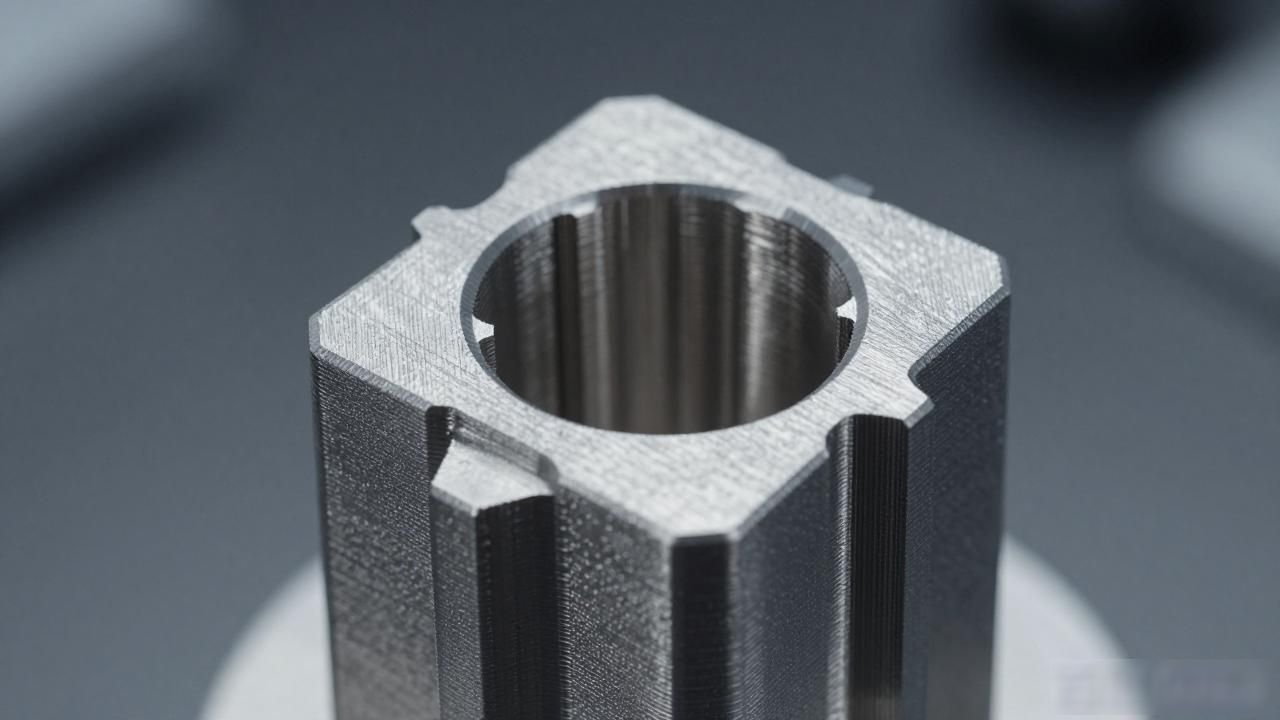
Everyone should note that this kind of internal complex geometric shape can never be produced when cutting from the outside using CNC milling. Faced with such a situation, currently we can only rely on additive manufacturing to achieve the goal.
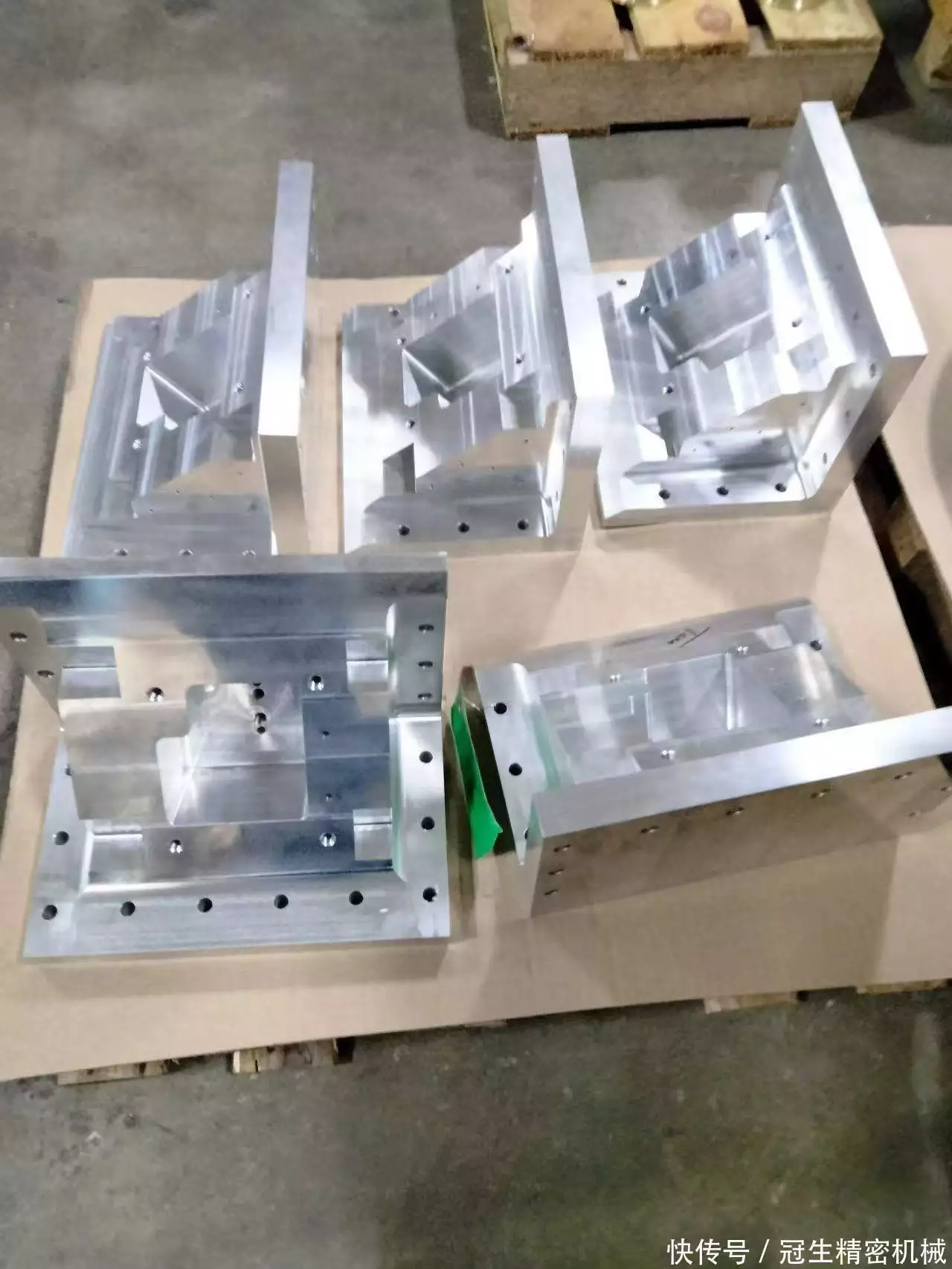
The price is that the surface of the printed parts is rougher, which is a little worse than the parts turned and milled. Those key matching dimensions usually need to be slightly trimmed by post-processing methods.
So 3D printing does not mean to replace all traditional processing. It is more about giving designers more freedom in the design of complex shapes, allowing the design to be creative. Each of these two different routes has its own advantages.
After sweeping, then typing, then tying, then sweeping again to form a complete closed loop.
In actual work, the specific workflow is as follows. First, the old parts are three-dimensionally scanned, and then the missing parts are repaired in the software. Then the structure is optimized according to the specific use requirements, and then the device is printed out through 3D printing. Finally, the finished product is scanned again to review the dimensions. Each step of the operation will leave a data record. If a quality problem occurs, it can be accurately traced back to which link has the deviation, which is very helpful for subsequent improvement work.
This set of closed-loop models, in practical applications, is used most frequently in the aviation parts industry, the medical device industry, and the automotive modification parts industry. Because the above are all fields that have very high requirements for accuracy. Xi'an Future Intelligent Manufacturing has standardized the entire production process starting in 2024.
For customers, the average time from the day they deliver the item to the time they pick it up is within five working days. Moreover, all data status in the entire process can be traced back to the source.
Find out the data before choosing equipment
Going back to the original question, whether to use CNC or 3D printing, the answer depends on the geometric complexity of the part, production batch size and precision level. But no matter which technical route is chosen in the end, the first step is to obtain accurate three-dimensional data. Without data support, the rest will be based on experience and guessing, which is very risky.
The method of 3D scanning is mainly to solve the problem of how to measure accurately, while the core task of 3D printing is to solve the problem of how to do it. Only by combining these two technologies can the designer's ideas and intentions be completely and efficiently implemented into real objects. In this way, the probability of rework can be greatly reduced, and the incidence of scrap products can also be reduced.
When making metal parts in your factory, what is most troublesome is dimensional inspection or complex structure processing? Welcome to leave a message to talk about the comparison between metal parts processing and 3D printing. The era of precision: 3D printing and 3D scanning, how to reshape the industrial parts manufacturing process? , like it and share it with your colleagues if you find it useful.


No comments yet