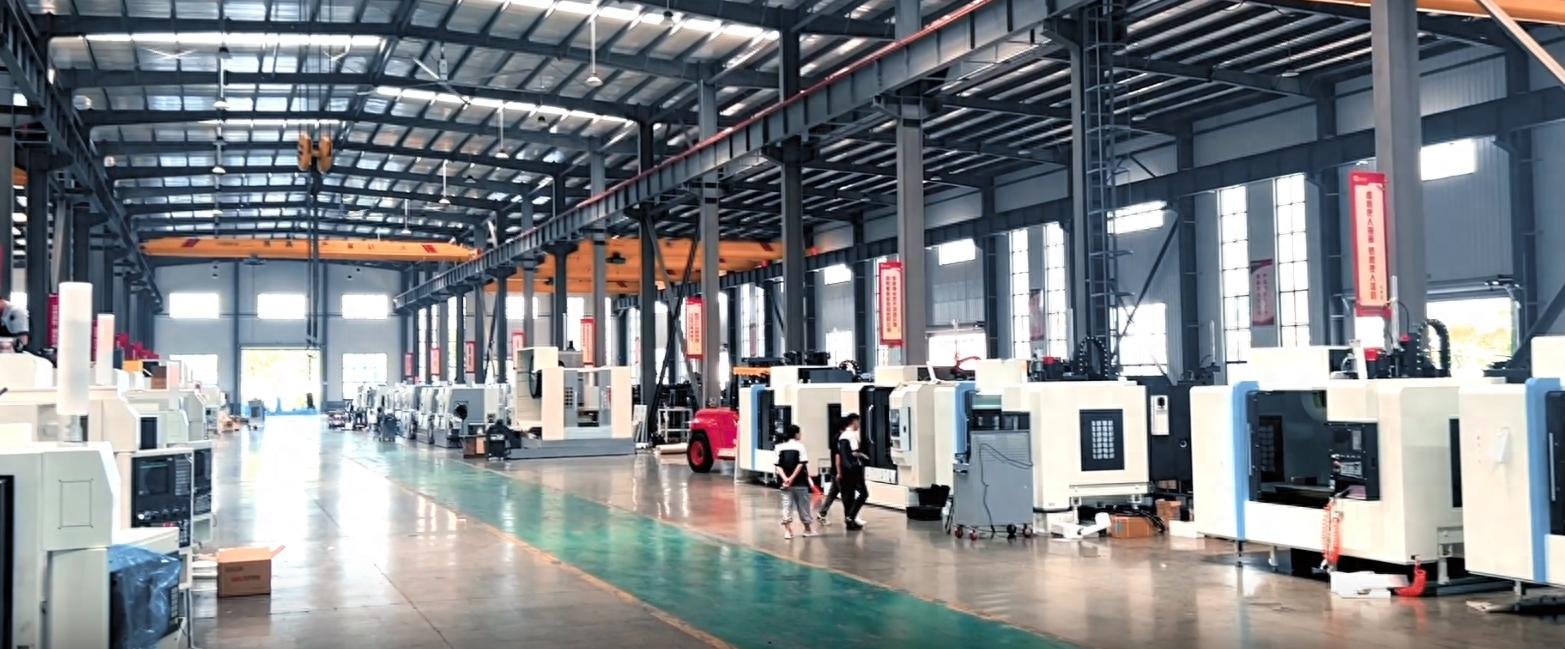


Is it difficult to control precision parts processing errors? Breakthrough analysis of five-axis turning and milling compound machine tools
Should the entire process be completed in one clamping operation, or should the thing be dismantled and reinstalled, and the assembly, disassembly, and assembly must be tossed back and forth on four different pieces of equipment? This is the core and most essential difference between the turn-milling composite processing method and the traditional turn-milling processing. It is also the most tangled and unclear economic account that many smaller factories have when faced with choices.

Error accumulation is an invisible killer
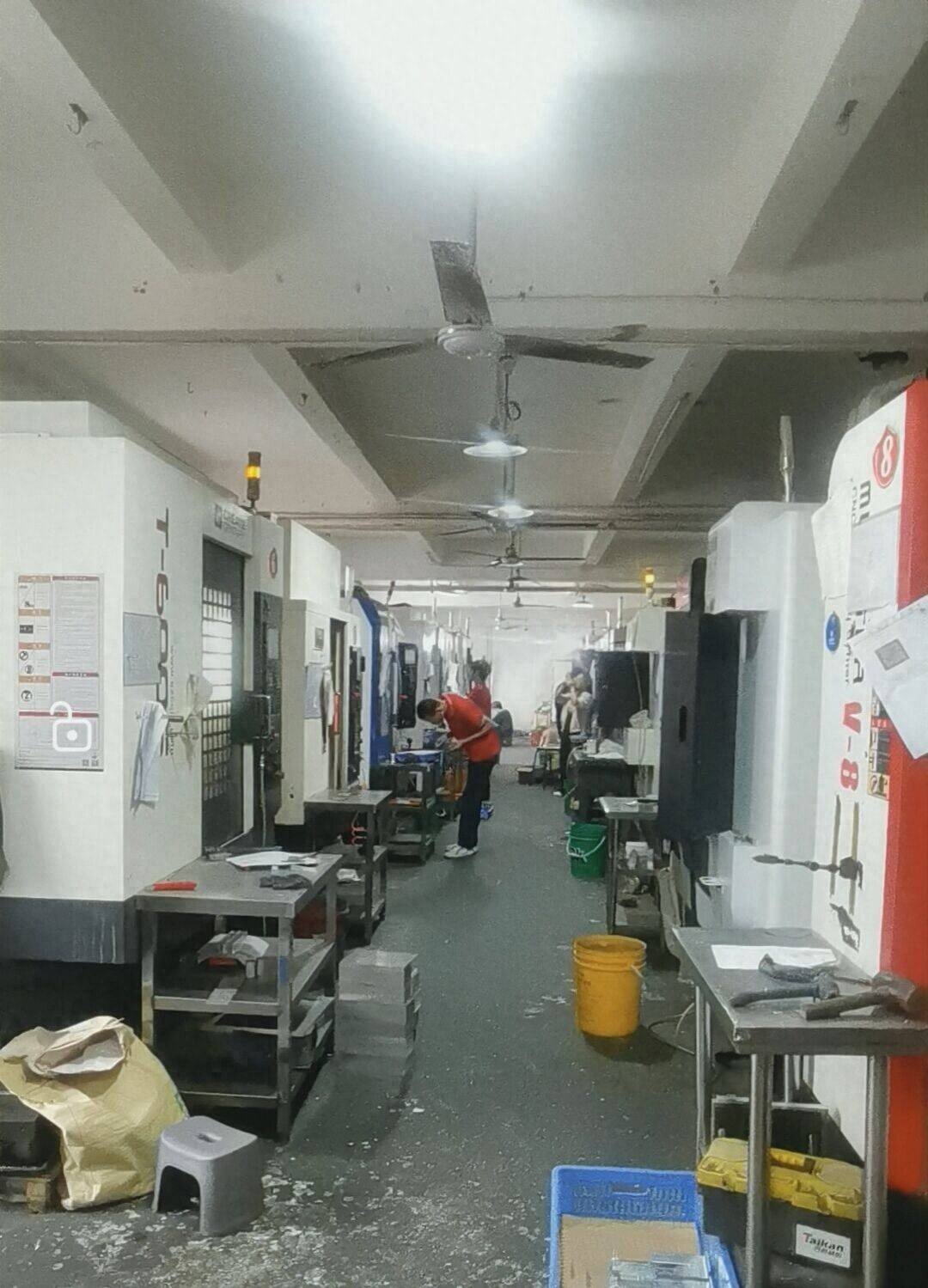
Under the traditional model, the workpiece needs to be transferred from the lathe to the milling machine, and then to the drilling machine for processing. Every time it is disassembled and clamped, a positioning deviation will be introduced. For those precision parts with tolerance requirements reaching the micron level, it is difficult to ensure dimensional consistency after three superpositions, so the sizes of parts within the batch will be inconsistent, resulting in a significant reduction in the pass rate.
Take the five-axis linkage turning and milling compound machine tool produced by Jinjing Intelligent as an example. This equipment integrates turning, milling, drilling and tapping operations into the same machine. After the first workpiece is loaded and positioned, it no longer needs to move in the entire processing process. In this way, the dimensional deviation of parts produced in the same batch is reduced a lot, and the pass rate and dimensional stability of the finished product are greatly improved.
Non-production waiting eats up production capacity
When moving workpieces between processes, when adjusting equipment parameters, and during secondary alignment and positioning, all states that exist are actually non-production waiting phenomena. When working in the mass production mode, the wasted time will be magnified geometrically.
Therefore, the actual time of effective cutting operations of the entire production line accounts for a very low proportion of the total time. Because customer delivery deadlines are continuously compressed and tightened, the overall production capacity has not been able to increase quickly.
The composite machine eliminates the need for this kind of connection between equipment. The program only needs to click that button and all the processes are completed. This directly increases the proportion of effective processing time. The production cycle of a single piece can be compressed by more than 30%, so the rhythm of delivery is obviously stabilized.
The investment pressure of four to five pieces of equipment
A complete production line needs to be equipped with four to five pieces of equipment with different functions, and it also needs to be matched with corresponding operators, which will occupy a large amount of production space. For small and medium-sized manufacturing enterprises with annual operating income of tens of millions, such fixed investment threshold is relatively high, which will make it difficult to expand and upgrade production.
A composite machine replaces the entire production line. The total amount of equipment purchased is reduced, the space occupied is reduced, and the demand for labor is also reduced. Long-term operating costs become controllable, and the pressure for small and medium-sized factories to upgrade is therefore much less.
The landing path for full-sequence processing in one clamping
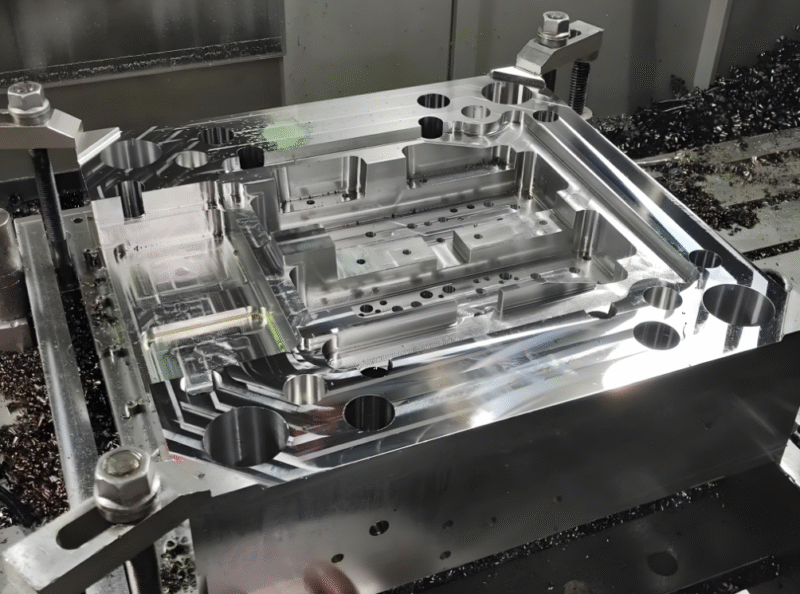
After the workpiece is clamped and positioned, the equipment will complete the external circular turning work in sequence according to the preset program, then mill the plane, then start drilling deep holes, and finally perform the tapping process. During this entire process, the workpiece does not need to be disassembled or transferred to other places.
Because it is equipped with a B-axis torque motor with high torque and a high-precision encoder, bevels or curved surfaces with very complex shapes can be processed in one go, without the need to adjust the clamping angle.
This milling spindle is equipped with HSK-T63 high-precision tool holder and high-speed electric spindle. Its maximum speed has reached a level of 12,000 rpm. Whether it is fine milling of small precision parts or heavy cutting of large-sized workpieces, it maintains stable operation. Just this one device can basically achieve full coverage.
Hardware rigidity maintains the lower limit of accuracy
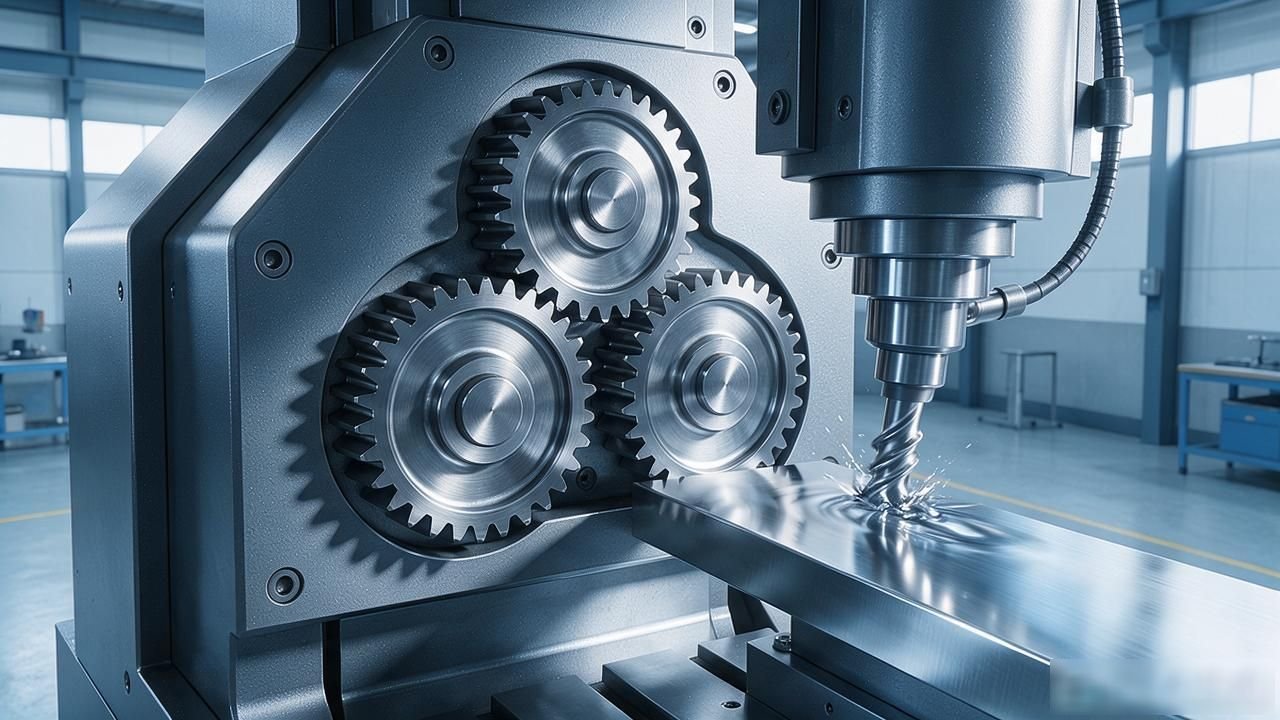
In the turning process, it adopts a triple gear disc locking structure, so the rigidity of the entire positioning is relatively strong. When the machine is processing hard materials such as steel, the vibration of the machine body is very small, so the surface finish is guaranteed.
The B-axis part adopts a pneumatic clamp structure, which makes the angle indexing very precise. When processing complex space parts, there is no need to repeat the adjustment steps.
The tool magazine will provide two optional solutions, one is a chain structure equipped with 40 knives, and the other is an umbrella structure equipped with 24 knives. It can be flexibly matched according to the type of workpiece and the complexity of the process, so as to adapt to various production scenarios of different scales, so that no extra money is wasted.
Bringing the five-axis threshold back to the budget of small and medium-sized enterprises
In the past, high-end five-axis composite machining centers cost millions. Small and medium-sized enterprises can only watch from afar. Now positioned as more pragmatic machines, they do not compromise on hardware configuration. They are also uncompromising in ensuring machining accuracy. The prices of these machines are set within the budget range that small and medium-sized factories can actually afford. Therefore, the speed at which five-axis technology is popularized in a wider range of scenes is faster than before.
Today's manufacturing industry is developing in the direction of intensification and high precision. A single composite machine tool has reconstructed the logic of complex parts processing, which allows small and medium-sized enterprises to obtain a more stable level of precision with relatively few resources, directly raising their market competitiveness to a new level.
Are the complex parts in your factory still being moved back and forth among many different pieces of equipment? Please discuss the actual status of your own production line in the comment area. If you think this content is useful, click the like button and share it with other colleagues.


No comments yet