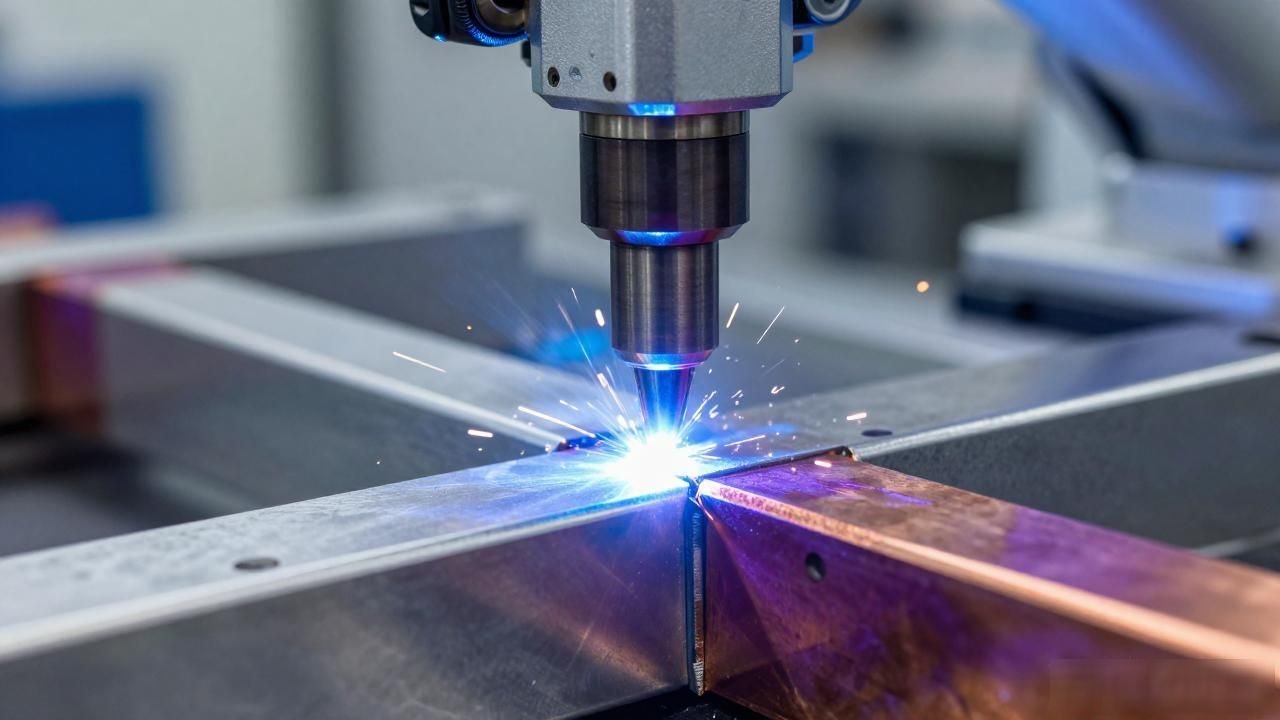


What are the unique applications of laser welding technology in Japan?
In automobile body riveting operations and battery packaging sealing processes, more and more factories hope to use laser welding technology to replace the traditional riveting and welding process combination. However, can micron-level precision indicators really be achieved in this way? For this complete set of technical application solutions provided by Japan, we need to take a dismantling approach to conduct in-depth analysis and review.
Optical focus down to micron level
Nowadays, Japanese companies have reduced the core diameter of optical fibers to less than 100 microns, and at the same time coupled with the control technology of low numerical aperture, in this way, the light spot can be gathered to an extremely small size.
Therefore, the diameter of the solder joint is controlled within 100 microns, but the penetration depth can reach more than 200 microns. Things like the connection of battery tabs and the packaging of sensors rely on this so-called small size and sufficient depth.
The temperature input during heating of traditional arc welding is very large, so the material around it is very easy to deform.
However, the laser locks the energy very accurately into the target area that needs to be welded, so after welding, the size of the part is relatively stable, and the metallurgical structure will not be affected. This advantage is really obvious for components such as engine control units that require very strict dimensional tolerances.
Highly reflective materials are no longer a roadblock

Metals such as aluminum and copper have a very high reflection rate of laser, so they are the most difficult to weld at the beginning. This type of system, the AF series, uses millisecond-level speeds to switch power, switching frequency, and switching pulse width to break through the barrier caused by high reflectivity.
The light-gathering performance of the ML-6810C model is 40% higher than that of the previous model. What are the unique applications of laser welding technology in Japan? , and at the same time it controls the energy generated by each pulse within one joule.
This step is used in the packaging of aluminum alloy battery cases and the operation of copper connecting sheets. The number of pores appearing in splashes is significantly reduced. The sealing performance is up to standard, and the conductive performance is also up to standard. There is absolutely no need for rework on the production line. For new energy factories , laser welding and electron beam welding are used for precision riveting . If there is a problem or stuck in this link, all the previous work must be done again.
Parameter storage and production line integration
The AF-1000 controller can store 256 sets of welding parameters, is equipped with a coaxial CCD visual positioning function, and is directly connected to PLC and industrial robots through the RS485 interface. When processing complex workpieces such as seat frames and exhaust pipes, during the production change process, only the corresponding parameters need to be called to use laser welding and electron beam welding for precision riveting without the need to rewrite the program, which makes the operation of the flexible production line smoother.
The electro-optical conversion efficiency of the new fiber laser exceeds 30%, which is nearly ten times higher than the efficiency of the old lamp-pumped YAG laser. At the same time, the power consumption of the entire machine is reduced by 20% to 25%. For a medium-sized welding line, the amount of electricity saved in one year is enough to purchase several auxiliary equipment.
Handheld welding and collaborative robot
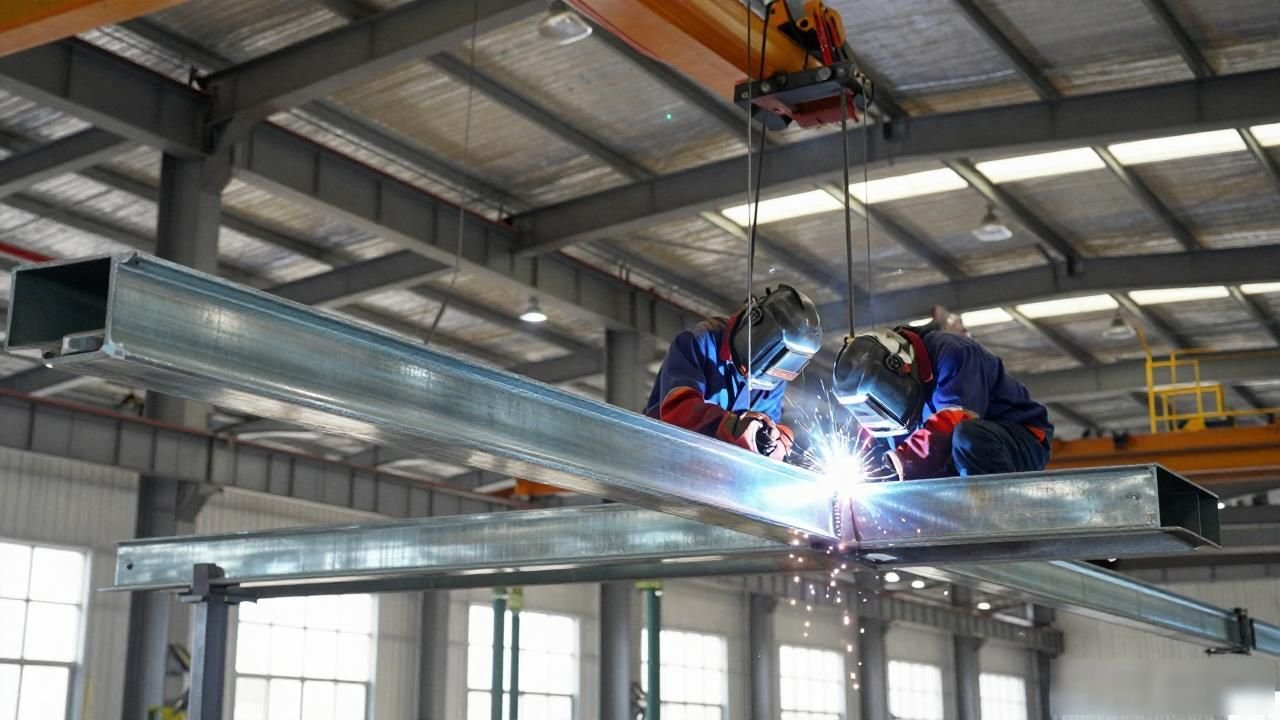
When large structural parts are welded on site, humans are responsible for moving around and positioning, and the rear-mounted collaborative handheld welder is used to ensure repeated positioning accuracy. After optimizing the parameters of the beam swing, the welding speed increased by more than 30%, and the welds were formed very uniformly. Laser welding and electron beam welding were used for precision riveting . This method is faster than pure manual operation and more flexible than pure robot application.
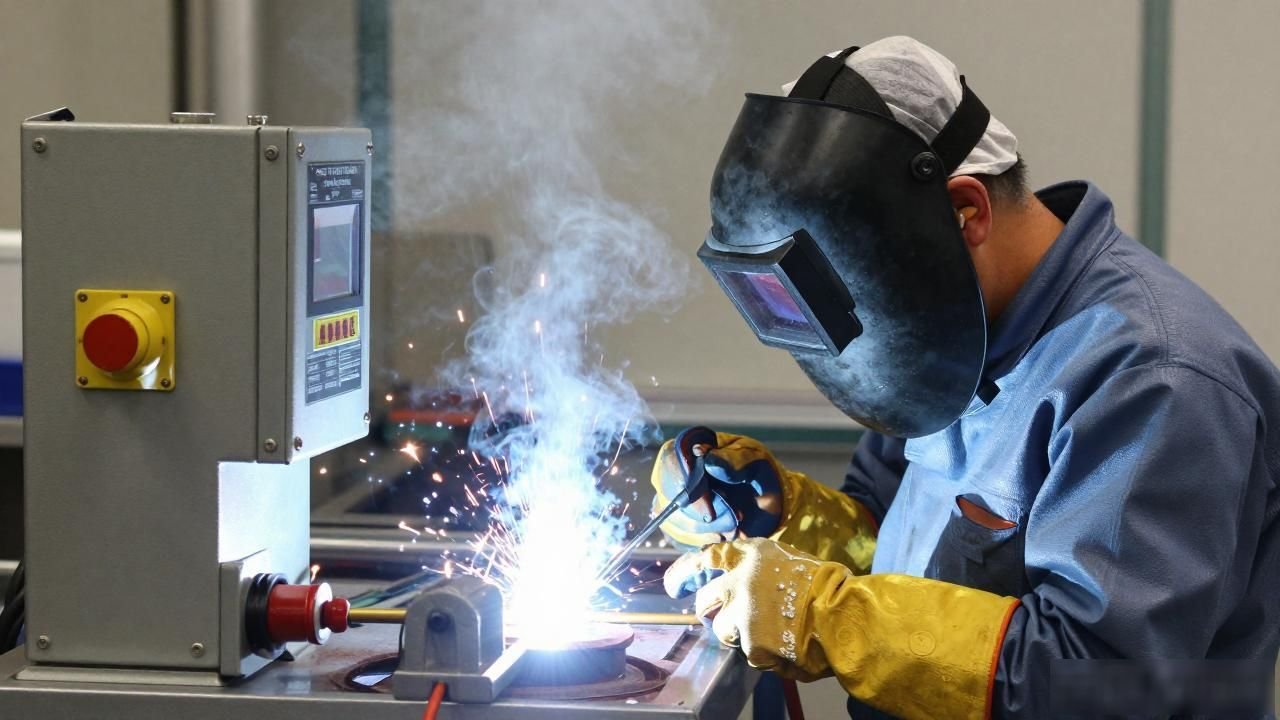
The Japanese Welding Association has introduced multi-level protection measures, including personal protective equipment, local exhaust equipment, and interlocking protection mechanisms. In such a high-intensity work scenario, the operator's health can be protected, so such an enterprise will also be freed from a lot of troubles related to work-related injury disputes.
Energy efficiency and cost
The unit price of Japanese equipment is actually not cheap, but in terms of overall accounts, it can save a lot of electricity expenses due to its relatively low power consumption. At the same time, the equipment parameters are stable, which reduces the scrap rate. In addition, automated operations can reduce labor input. Therefore, when a production line has been running for two years, the actual comprehensive cost is usually lower than the cost of haphazard patchwork of domestic equipment.
Today's green factory audits are becoming more and more rigorous, and energy consumption data are directly included in environmental impact assessment reports. Fiber lasers have the characteristics of high efficiency and low rework in the next process, which occupies an advantageous position in carbon footprint accounting. This is a hidden, unspoken bargaining chip for Japanese companies to obtain orders.
From sheet metal to battery tray
Automotive sheet metal welding in Japan has been advancing for decades. Now, this technology is beginning to extend into battery trays, medical micro-sensors, and aerospace precision components. The most fundamental thing hasn't changed. That is precise control of energy at the microjoule level. This is equivalent to using the laser as an energy device that can be programmed.
Against the background of the deepening trend of electrification and intelligence, the requirements for welding precision for lightweight bodies, battery seals, and electronic control units will only become higher. If this laser riveting process can be thoroughly understood and mastered proficiently, the competitiveness of the product will directly rise to a new level.
Your current production line has both riveting and laser welding production lines. In this case, if you insist on canceling one of the lines, which one will you choose to keep? Please explain your true thoughts in the comment area. If you think my views are of reference value, please like and forward this content to your peers for review.


No comments yet