

Machinery manufacturing enterprises should choose appropriate energy saving and emission reduction methods
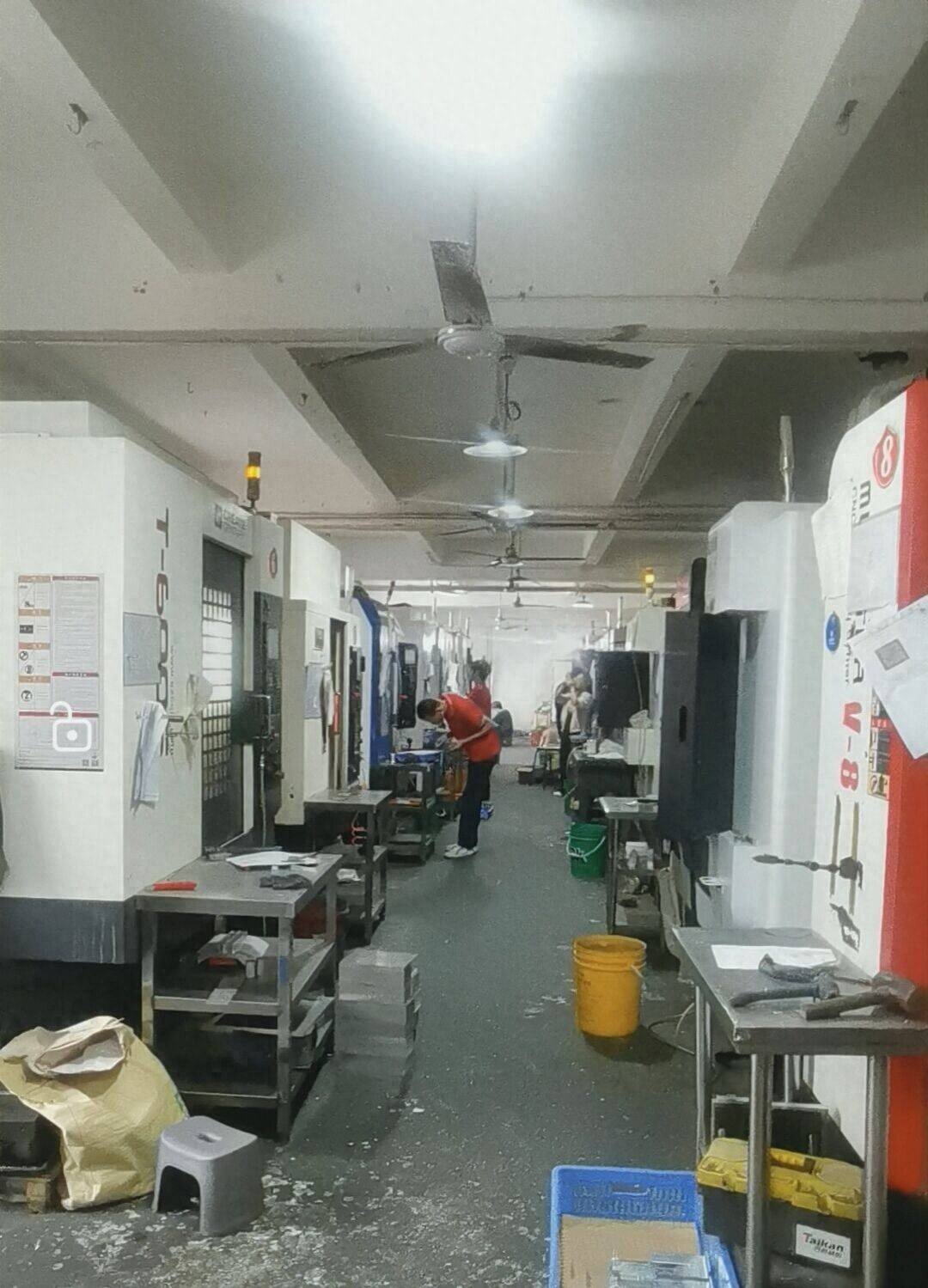
By this time in 2026, the price of raw materials and electricity bills are still rising, but many metal parts processing factories are still operating in the old model of cutting fluid flowing everywhere and equipment idling for up to eight hours. In fact, from the initial selection of materials to the final disposal of the discarded scraps, there are very practical ways to reduce expenses in every specific link.
Choose green materials to simplify the structure
Now, castings and machining plants have begun to use high-purity aluminum alloys to replace some of the original carbon steel parts. In this way, the types of materials for parts have become smaller, and then the cost of procurement and inventory have been directly reduced by more than 15%.
Therefore, when selecting materials, you should not just focus on the hardness, but also whether the heat treatment process can be omitted? This will make the structure of the product simpler.
According to relevant information shown in the annual reports of several precision processing companies in the Yangtze River Delta region in 2025, if each company can reduce the use of one type of raw material, then in the company's procurement and warehousing management links throughout the year, it can save hundreds of thousands of yuan in costs.
As for the concept of so-called green materials, it is definitely not a short theory with only a concept but no substance, but a real matter that can be fully calculated with specific economic accounts after detailed calculations.
Dry cutting alternative to cutting fluid
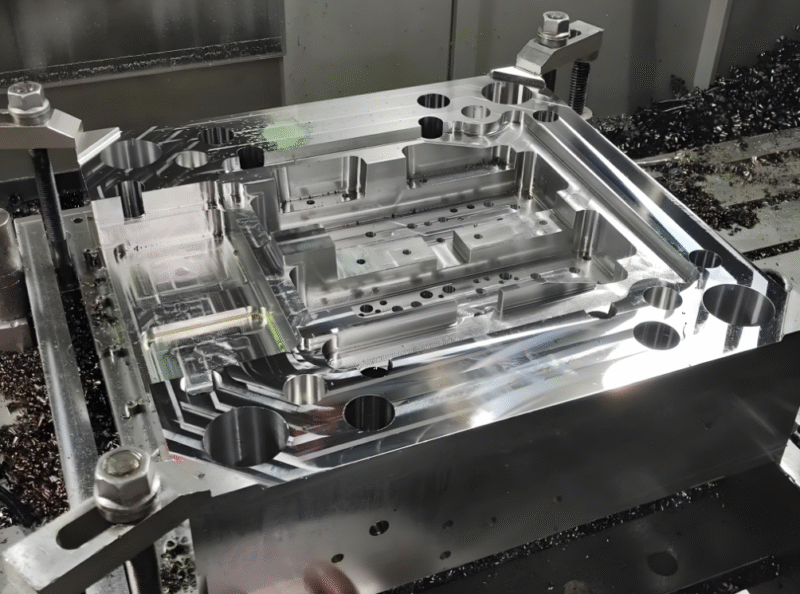
Dry milling of cast iron parts has long ceased to be a laboratory technology, and this fact is now very clear. The core key here lies in the cutting tool, which must be able to withstand the high temperature environment of more than 800 degrees Celsius. At the same time, the machine tool is also required to have the capability of high-speed cutting, and it must be equipped with cold air and a device for dust collection.

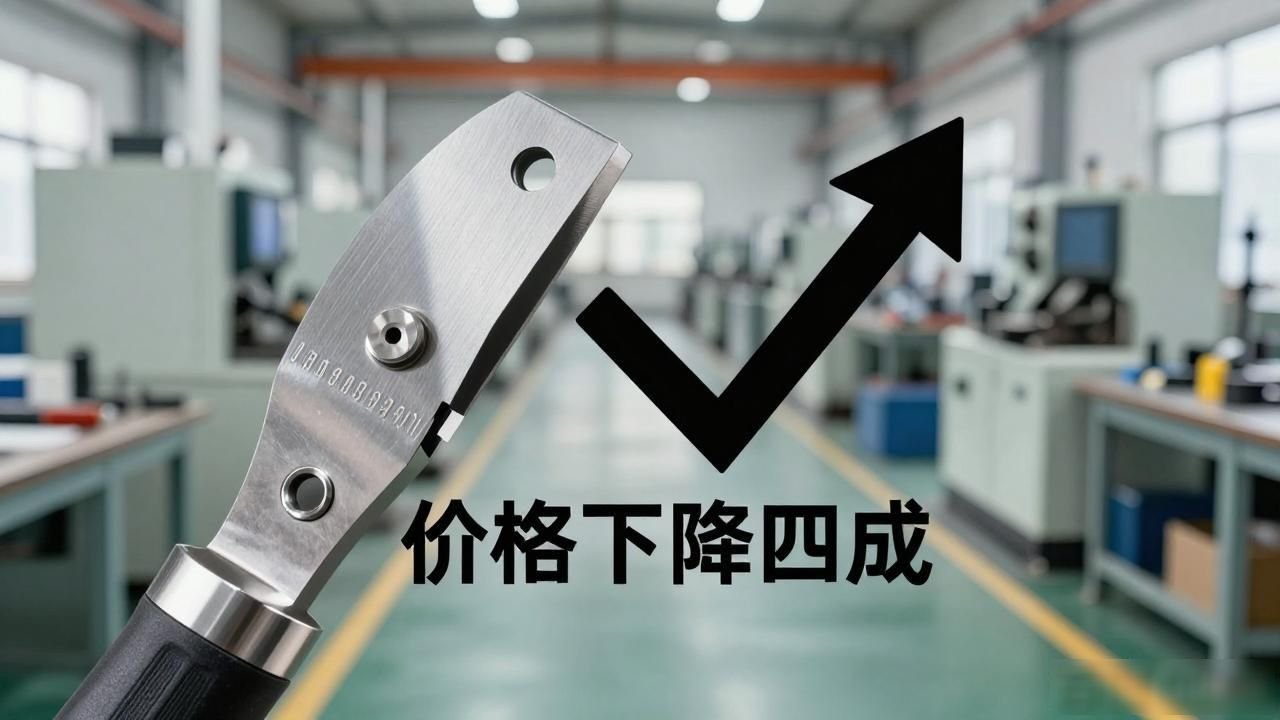
The situation in 2026 is that the price of domestically produced knives specially used for dry cutting has dropped to about 60%, or 40%, compared to three years ago. The direct result of this is that for many small and medium-sized factories and enterprises, the threshold for using these equipment has been lowered to a great extent.
Because cutting fluid is no longer used, the money spent on purchasing liquids and disposing of waste liquids is saved. The floor of the workshop no longer feels slippery, and the possibility of safety accidents is reduced. A gear manufacturing plant in Suzhou will fully implement dry cutting in 2025, saving about 200,000 yuan in waste liquid disposal costs in one year.
Equipment upgrade and management are two-pronged approach
By replacing the old milling machines that entered the factory in 2003 with new equipment driven by servo motors, if the same part is processed, the electricity bill can be saved by as much as 30%.
In terms of management, it is very simple. That is to cut off the power when leaving get off work, resolutely prevent the equipment from being in standby mode, and conduct inspections once a week. The purpose is to detect and deal with leaks and leaks, so as not to cause greater economic losses due to these small-scale problems.
In Guangzhou, a sheet metal factory set up an energy consumption monitoring board in 2025. It was found that during the night shift, two air compressors were running for eight hours in vain, which cost more than 60,000 yuan in electricity for more than a year. Later, this problem was corrected, and the money was saved at almost no cost.
Cutting fluid recovery and direct discharge
In those emulsions that have been used, there are chemical additives such as sulfur and phosphorus. If they are discharged directly into the sewer, this will not only violate laws and regulations, but also cause a serious waste of resources. Under the current situation, many factories have installed equipment specifically for filtration and reuse. This has extended the service life of the cutting fluid from about two months to nearly a year.
In 2025, a metal processing factory in Weifang City, Shandong Province was fined 120,000 yuan by environmental protection officials because the factory illegally discharged cutting fluid.
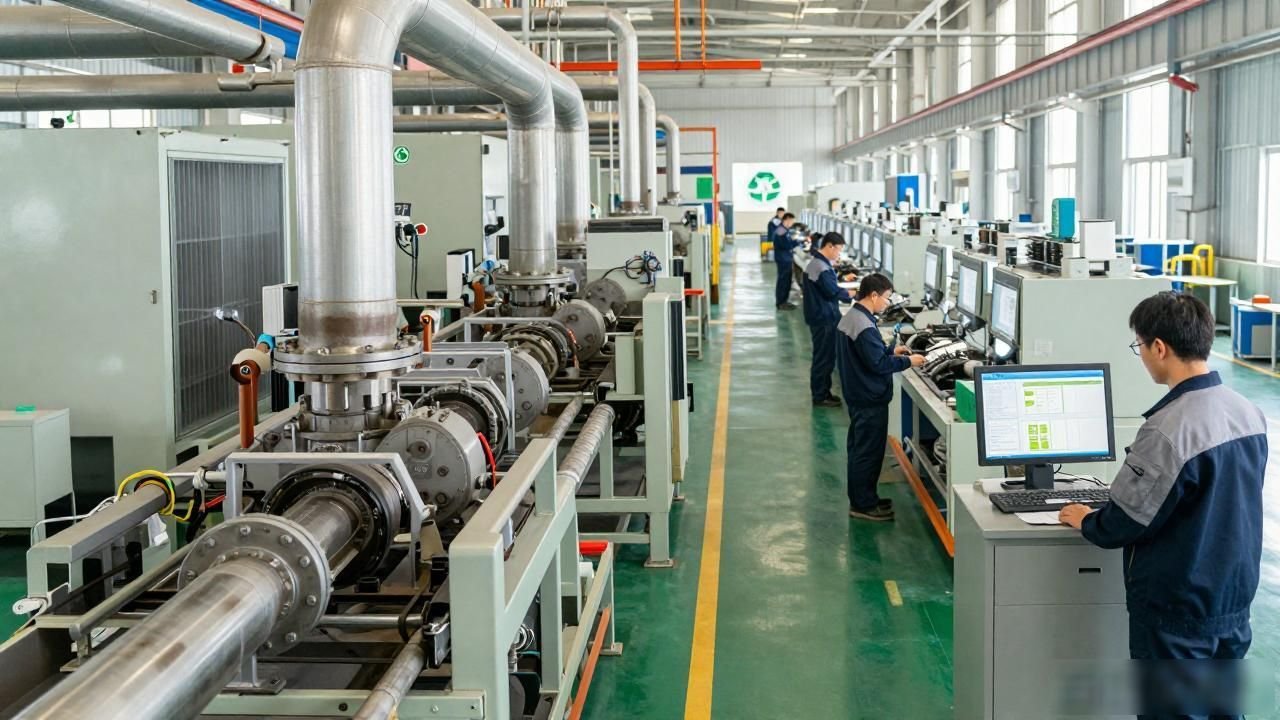
The factory next door has a recycling system, which can save up to 80,000 yuan in material costs every year. Everyone knows very well how to calculate this account. If you do this preparation work early, you can really save money.
Rapid prototyping takes one less cut
With layered entity manufacturing technology, coupled with fused deposition technology, by 2026, the price of equipment has dropped to a range that even small and medium-sized factories can afford, which means there is no longer much economic pressure to buy these equipment.
When using these equipment for production, things such as impellers and casings with relatively complex structures can be directly formed in one operation. This method does not require cutting out up to 70 to 80% of the original material, so the amount of waste generated is directly reduced.
In an aerospace parts factory in Hefei, by 2025, they decided to use additive manufacturing technology to replace the original five-axis linkage processing method. As a result, the scrap rate of each product was directly reduced from 18% to 3%. There is basically no need to do extra work in the process of processing waste. Calculated in this way, the annual cost savings can exceed 500,000 yuan, and the cycle to recover this money is less than a year and a half.
Flue gas, waste water and noise management
According to the rigid requirements of the environmental protection inspection in 2026, the heat treatment furnace needs to be replaced with natural gas or use coal-water slurry, and the coal must also be desulfurized. In addition, oily wastewater and acid-base wastewater must be collected separately, and then enter the comprehensive treatment tank, where they undergo unified neutralization treatment, and can only be discharged after reaching the discharge standards.
In terms of vibration and noise, do not ignore this problem. It is necessary to add vibration isolation pads to the stamping machine and install sound insulation panels in the workshop. This will reduce the number of complaints from workers and make recruitment easier. As for the issues of radiation and light pollution, the protective distance must be set in accordance with national standards and tested regularly, and relevant records must be kept for reference.
Please tell me about your factory's current approach to cutting fluid: is it reused or discharged directly into the external environment? Please come to the comment area to have relevant exchanges and share your views. If you think this information is useful, then please click the like button to agree and forward this message to your peers.


暂无评论内容