

metal cleaner

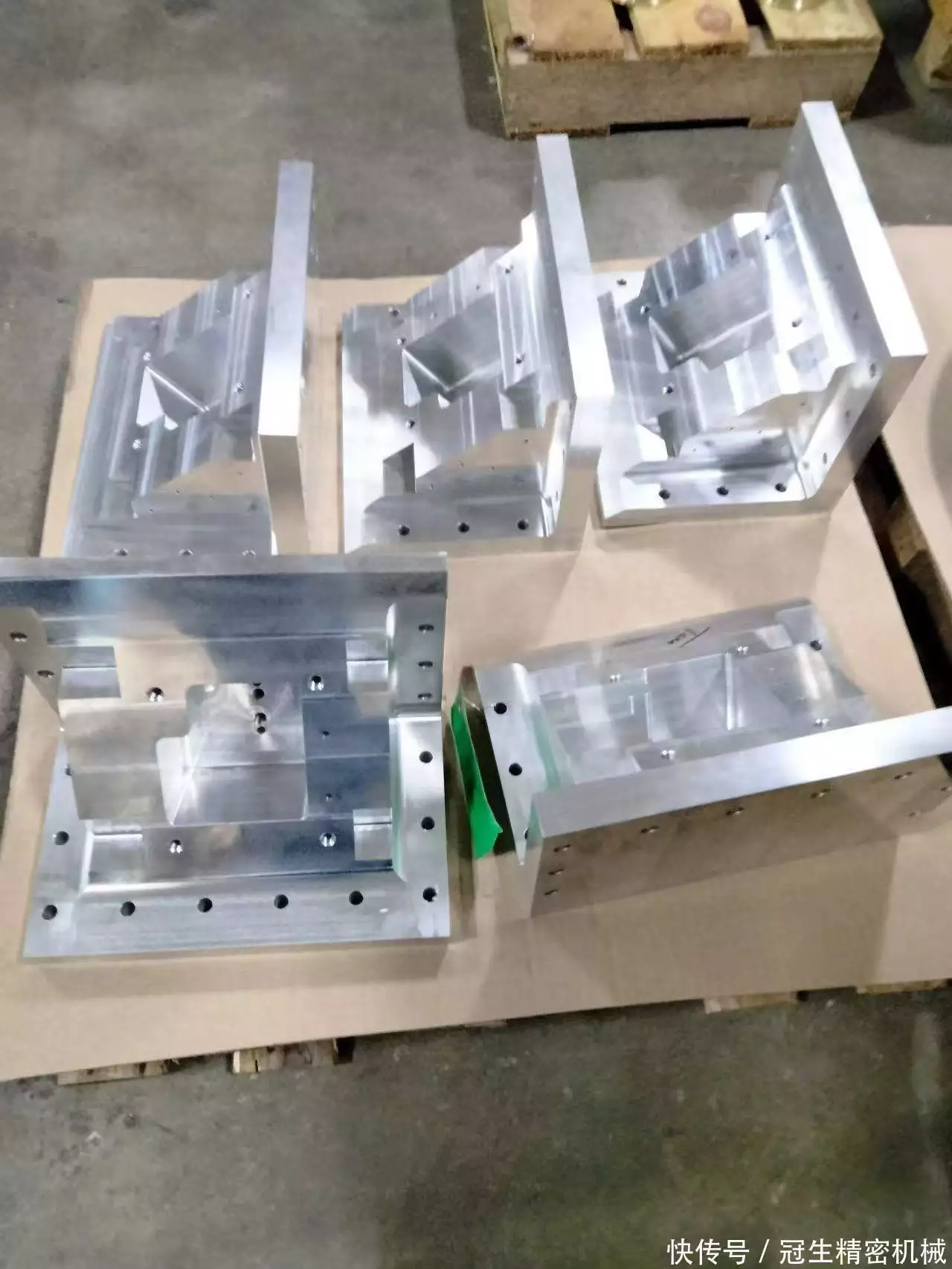
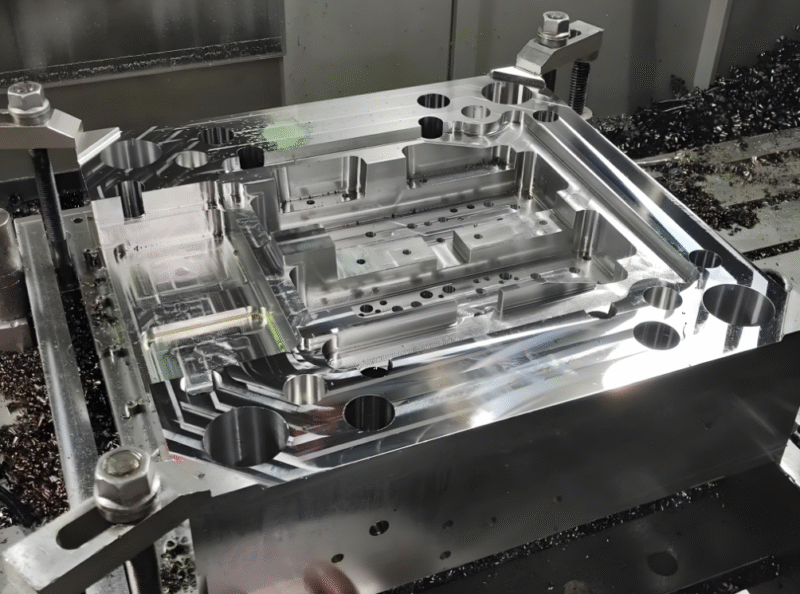
The stainless steel parts in the workshop were covered with a layer of cutting oil, and even after being wiped vigorously with a rag for a long time, they were still shiny. This was actually caused by not using the correct cleaning method.
What kind of dirt is stuck on the surface of stainless steel?
Lubricants, cutting oils, anti-rust oils, everything can be done
When the workpiece comes off the machine tool, there will be a layer of lubricating oil, cutting oil, and anti-rust oil attached to the surface. Moreover, it is also mixed with animal and vegetable oils on the hands of the operator, forming a very stubborn oil film.
Ordinary water cannot wipe it clean
The molecular structure of these oil stains is stable, and clean water cannot penetrate into their interior. If you rub it hard, the metal cleaner will only spread the oil evenly. Although it looks clean, it still feels slippery to the touch.
How to use cleaning agent in three steps

Spray and wipe
You can spray the stainless steel cleaning agent evenly on the surface of the part, or spray it on a wet rag first , and then take it out and wipe it. This operation does not require soaking or cooking , but it only takes a few seconds to emulsify and disperse the oil stains.
Finally, cover it with a dry soft cloth
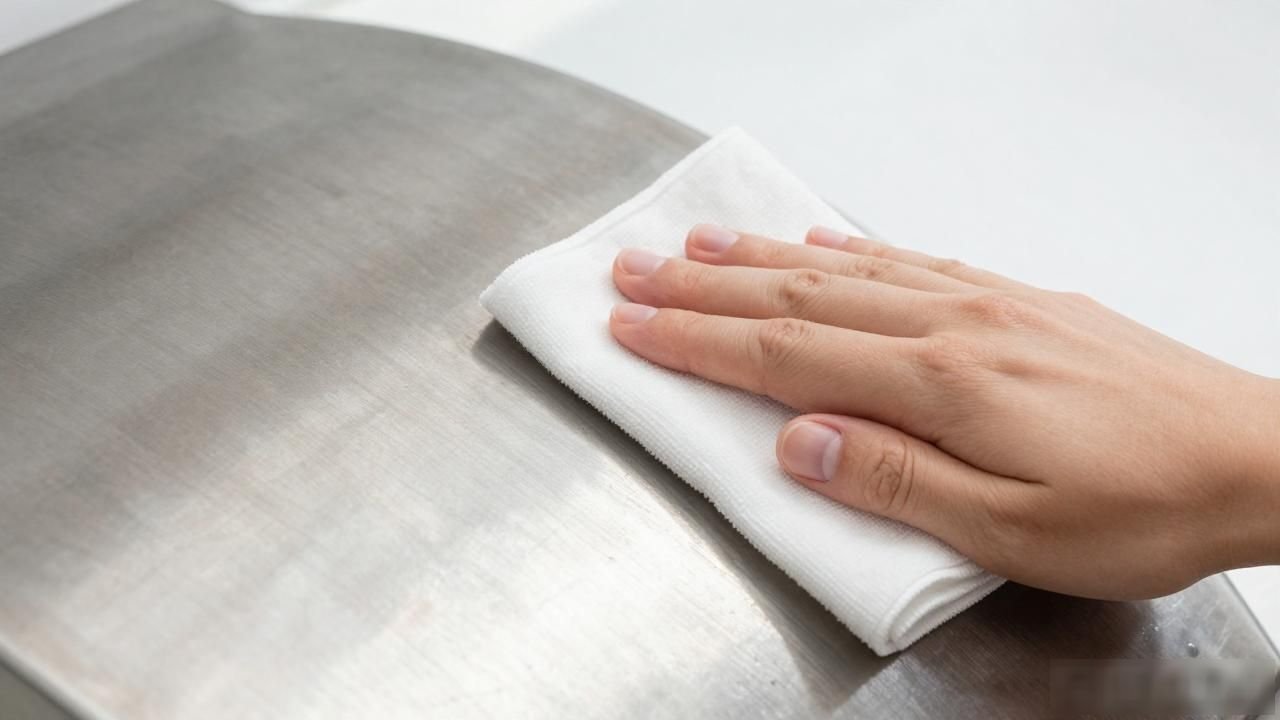
After wiping, take a clean and soft cloth and wipe away all moisture and residue. At this time, the metal will immediately reveal its original color and luster, giving it a bright feel, and there is no need to polish it at all.
Don’t mix up the concentration ratio
For daily cleaning and dilution
Take a spoonful of cleaning agent and mix it with one to five spoons of water. It is enough to wipe the floor or equipment casing, which can save costs and cause no waste.
For heavy oil pollution, use the original solution directly
For those thicker oil layers on parts, you must not dilute it, because it is still necessary to use the original solution for spraying, so that its penetration ability will be strong enough, so that the cleaning effect of the workpiece can be achieved to the best level.
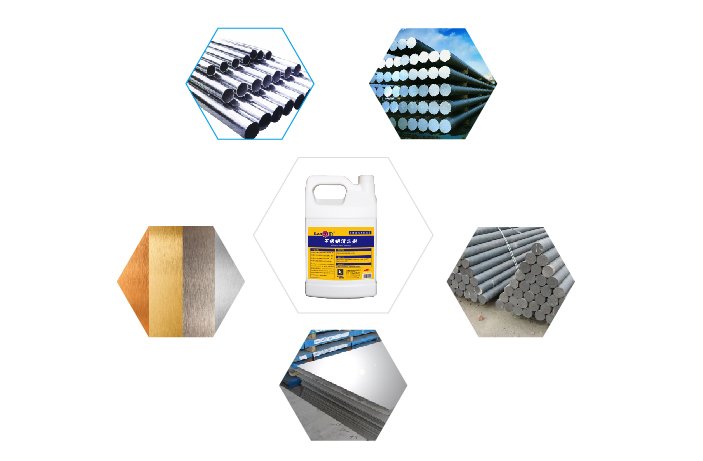
Not only stainless steel, cast iron and carbon steel can be washed
Wide coverage
These parts are universal among steel materials, cast iron materials, and various types of stainless steel materials. The entire production line can be handled with this one product, and there is no need to replace several bottles.
No corrosion to substrate
Its formula is relatively mild and does not contain phosphorus. After cleaning the metal surface, there will be no redness or blooming in those areas. In addition, the method of cleaning stainless steel after processing also has a corrosion inhibition and anti-rust function. Even if it is left for three or two days, it will not rust.
It is safe to use in the workshop and does not burn or explode.
Replace washing oil
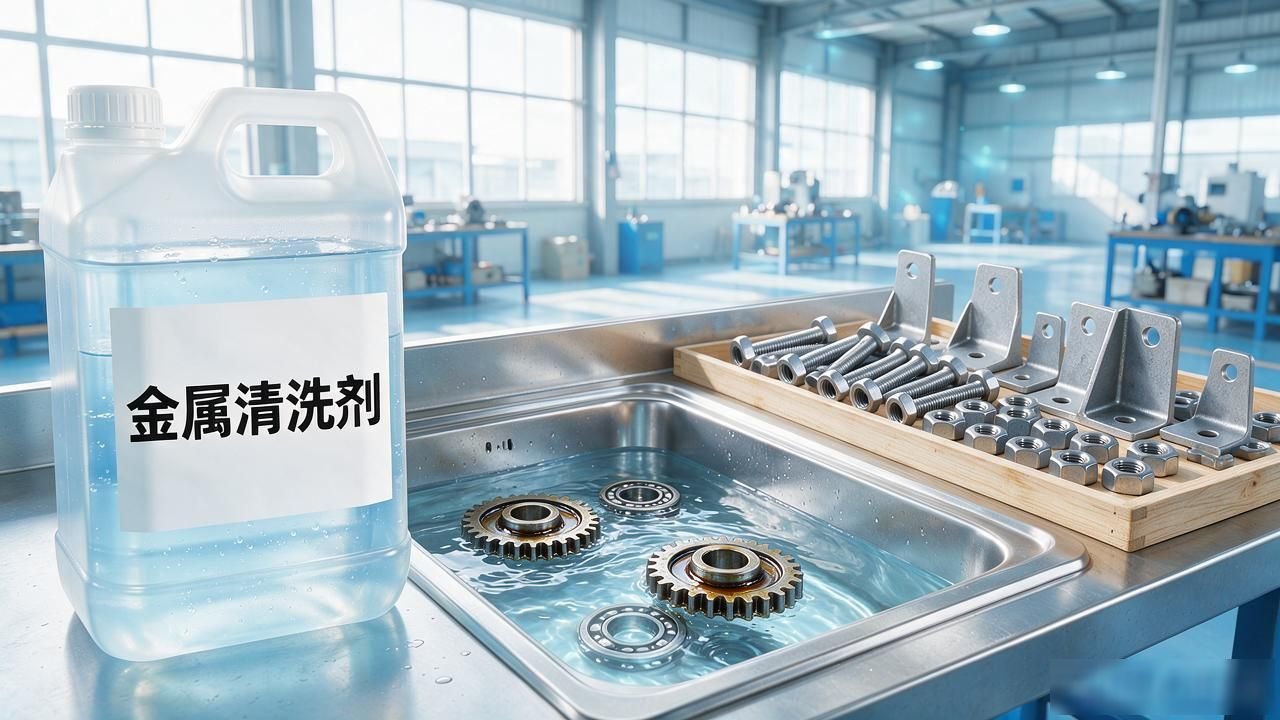
In the past, when washing oil was used to clean parts, volatilization would occur in high-temperature environments, which posed a fire risk. The current operation method is carried out at normal temperature and has the characteristics of non-combustion and non-explosion, so the requirements for the ventilation conditions inside the workshop are relatively low.
Energy saving effect is obvious
There is no need to heat, and the cleaning operation can be carried out at normal temperature, thereby saving gas and electricity expenses. When the annual settlement comes, you can find that energy consumption has dropped significantly.
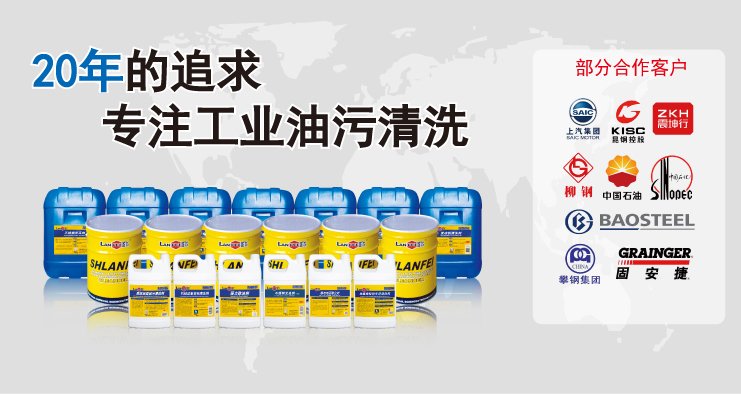
All major Shanghai Lanfei factories are using it
Product lines cover multiple industries
Mechanical yellow robe cleaning agents, ultrasonic cleaning agents, metal parts grease cleaning agents, and efficient floor oil stain cleaning agents all have corresponding solutions and are suitable for metallurgical and petroleum machinery maintenance.
Hard list of cooperative customers
Daqing Oilfield is using it, Dalian Petrochemical is using it, Zhenhai Petrochemical is using it, Liuzhou Iron and Steel Co., Ltd. is using it, Maanshan Iron and Steel Co., Ltd. is using it, Xiangtan Iron and Steel Co., Ltd. is using it, and SAIC is also using it. The usage of the product has been rigorously verified on large-scale production lines.
Please tell me at the current stage, do you still use cleaning oil and other items when cleaning stainless steel parts in your workshop? You are welcome to talk about the methods you use in the comment area. If you think this method is useful, then please give it a like and share it with everyone.



暂无评论内容