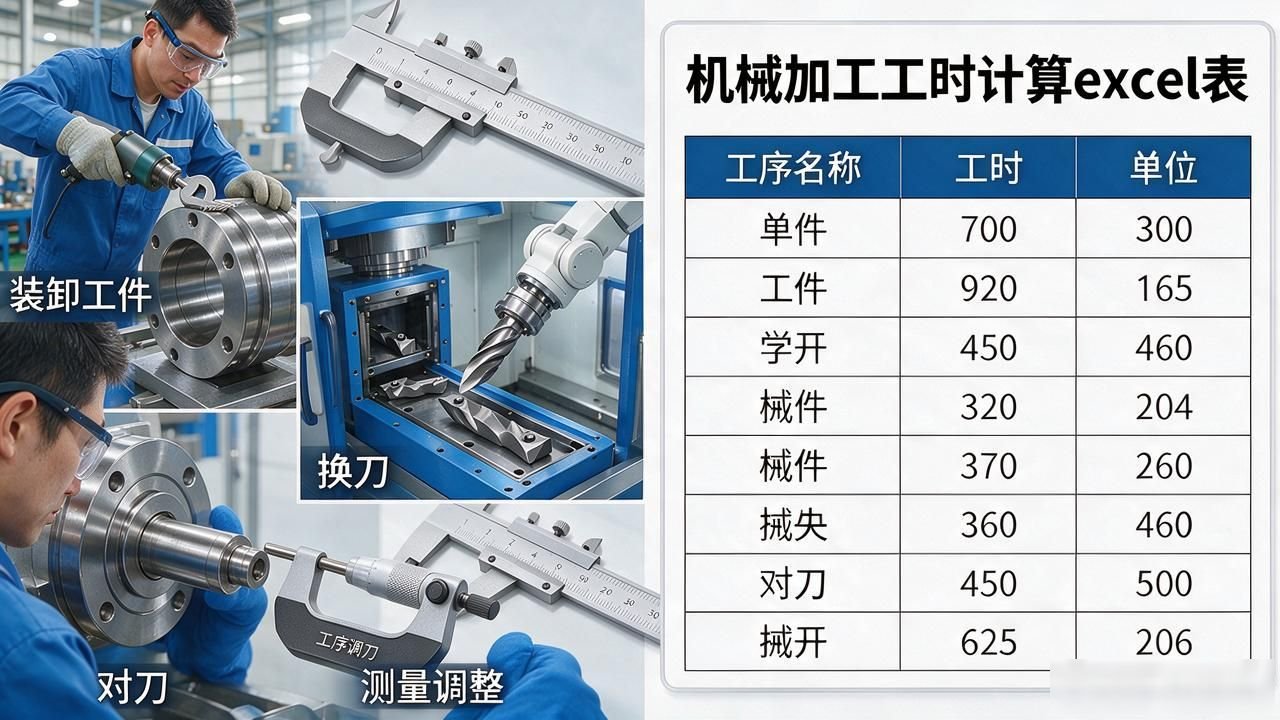


Parts processing cost accounting, with downloadable excel sheet for machining hours calculation
When calculating processing costs, many workshops rely entirely on subjective methods such as patting their heads on the head, resulting in inaccurate estimates of labor hours. As a result, quotations are prone to losses. However, the processing cost accounting method of metal parts actually only contains a few simple steps. The most critical point is that each time period must be clearly disassembled and clear calculations must be made.
If you don’t fill in all the basic information, everything will be counted in vain.
Workpiece number, material grade, process content, accuracy requirements, equipment model, and tool specifications, these six items constitute the basic support system for accounting work. At this stage in 2025, there are still many small and medium-sized factories still using paper work instructions. Once there is an error in filling in one of the key data, the entire form must be invalidated and remade.
We recommend using Excel to create a standard template, and making the workpiece number and material type a drop-down option to reduce errors caused by hand shaking. A complete hourly calculation sheet belongs to the processing workers. If one item of basic information is missing, all subsequent content will have to be reworked. In this case, the traceability will be broken.
Maneuvering time is the bulk of the cost
The so-called maneuvering time refers to the time period spent by the machine tool for actual cutting. The specific time period is determined by three parameters. These three parameters are cutting speed, feed amount, and depth of cut. For example, When rough turning a shaft made of 45 steel, if the speed is set to 1200 rpm, the feed is set to 0.3 mm per revolution, the depth of cut is set to 2 mm, and the turning length is 100 mm, then the specific maneuvering time is calculated based on the above data.
If there are specific values, you can consult the machine tool operating manual or the cutting parameter table. In addition, you can also use professional software like Vericut for assistance, because when the same process is replaced with different grades of materials, the maneuvering time may be doubled, so the relevant data of carbon steel should not be applied to alloy steel.
Auxiliary time is easily missed

Cost accounting method for loading and unloading workpieces and changing metal parts. Parts processing cost accounting. The excel sheet for calculating machining hours can be downloaded. Then, tool setting, measurement and adjustment are carried out. Although it is not a cutting process, it is impossible to work without it. This part of the time consumption is generally 10% to 30% of the maneuvering time. The ratio is low during rough machining and high during finishing. The best solution is to find a workshop master to report the data based on the actual situation.
The safest way is to refer to the data left by similar artifacts in the past. A factory that specializes in auto parts has made statistics. The results show that when the processing quantity reaches fifty pieces, the auxiliary time spent on each product in the milling process is almost forty-five seconds. This method is much more accurate than those numbers that are casually estimated by patting the head, so just fill in the relevant values in the corresponding table.
The preparation end time is often cut to zero
Preparatory work should include debugging equipment, installing fixtures and sharpening tools. The final finishing work is to clean, return and fill in records. In the case of mass production of a single piece, these costs will become very small after dilution. In the production mode of small batches and multiple varieties, the proportion of this work can exceed 20%, so it cannot be written as zero.
In 2024, a machine processing factory in Jiangsu changed the original fixed fifteen-minute preparation end time to a calculation based on the variety coefficient. After replacing three different varieties on the same production line, the monthly cost was actually reduced by 8%. However, everyone directly writes zero when calculating. This is actually the most common big pitfall.
How to calculate the cost from working hours?
The processing fee is calculated by multiplying the total working hours by the cost per unit working hour. This fee includes labor costs, daily equipment depreciation charges, electricity charges, tool wear costs, and maintenance expenses. According to the data from 2025 , the comprehensive labor-hour cost in medium-sized machining factories in the Yangtze River Delta region is approximately between 18 yuan and 35 yuan per hour.
The external quotation is the sum of the processing fee plus the material fee, plus the expected profit. These three items are added up. A mistake that small factories often make is that when calculating, they only calculate labor costs, but ignore equipment depreciation and energy consumption. The price quoted in this way will result in a loss of money for every order, so it is necessary to carefully check each transaction after the calculation is completed.
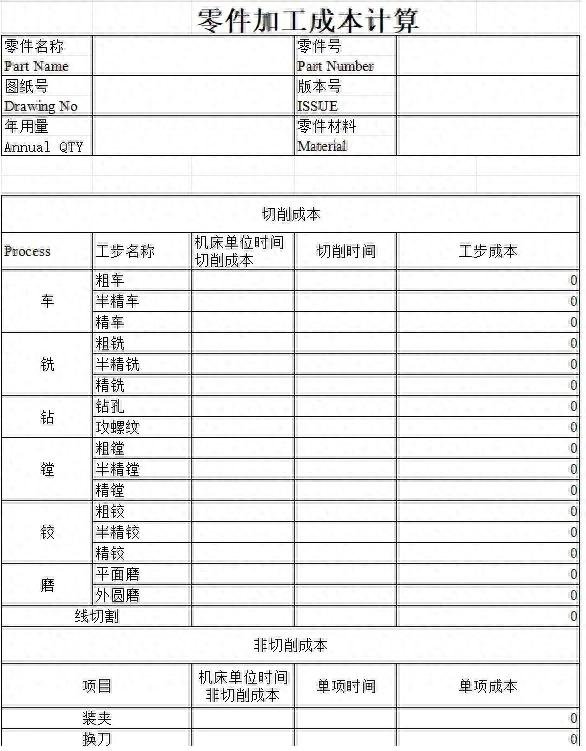

Finishing is not the end, please continue to update
Because the production process has been changed, the production equipment has been replaced, and the tools used have been upgraded, the working hours parameters must be adjusted accordingly. It is recommended to implement a plan to review the accounting sheet every quarter, fill in the actual recorded data, and compare it to observe the deviation. If the actual execution speed of a certain process is more than 15% slower, then the root cause of this situation must be investigated.
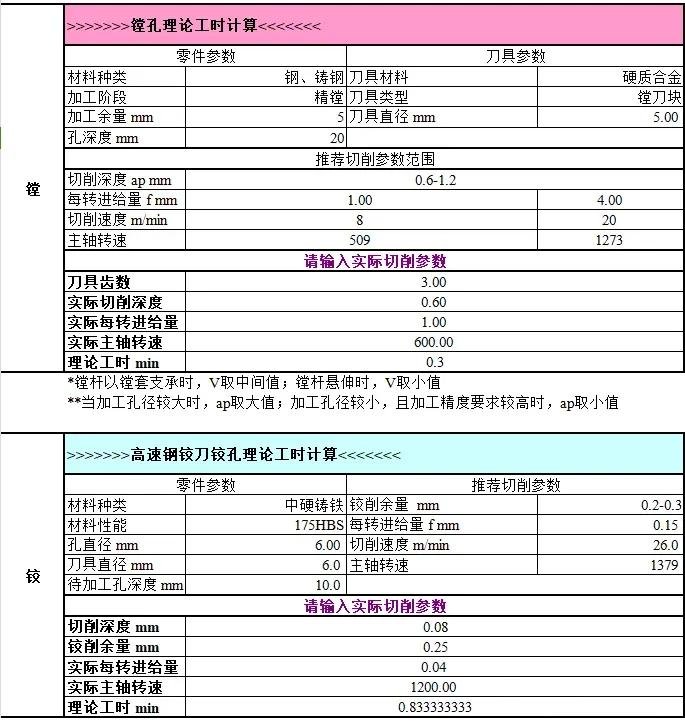
Set up the column of standard working hours in the Excel worksheet, and then set up the column of actual working hours, and then run the process of variance analysis once a month. The data should be accumulated for about half a year. The accuracy of the calculation will be greatly improved, and the quotation will be more confident. There is no need to re-estimate every time.
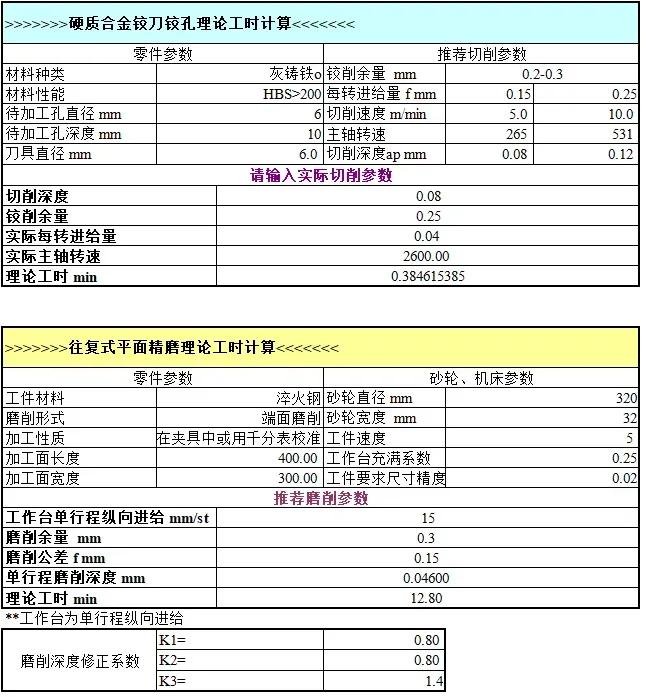
When your factory currently calculates processing costs, is it still using Excel spreadsheets, or has a dedicated software system been enabled? In the production process, which process has the most significant deviation in working hours. Friends are welcome to discuss it in the comment area. If you think this content has actual reference value for everyone, please give it a like and forward it to your colleagues to take a look.








暂无评论内容