

CNC Evolution | The process "CNC turning" hidden in "round" parts
In fact, when many friends participated in the interview for CNC turning positions, although they recited a lot of those parameters, they stumbled when answering the questions. In fact, the interviewer mainly focuses on these practical points. As long as you understand these things, you will basically be able to pass the problem.
What exactly is a rotary body?

As soon as the interviewer opened his mouth, he directly asked a question about the turning object, and the core answer to this question was actually six words. These six words describe those symmetrical rotary body parts.
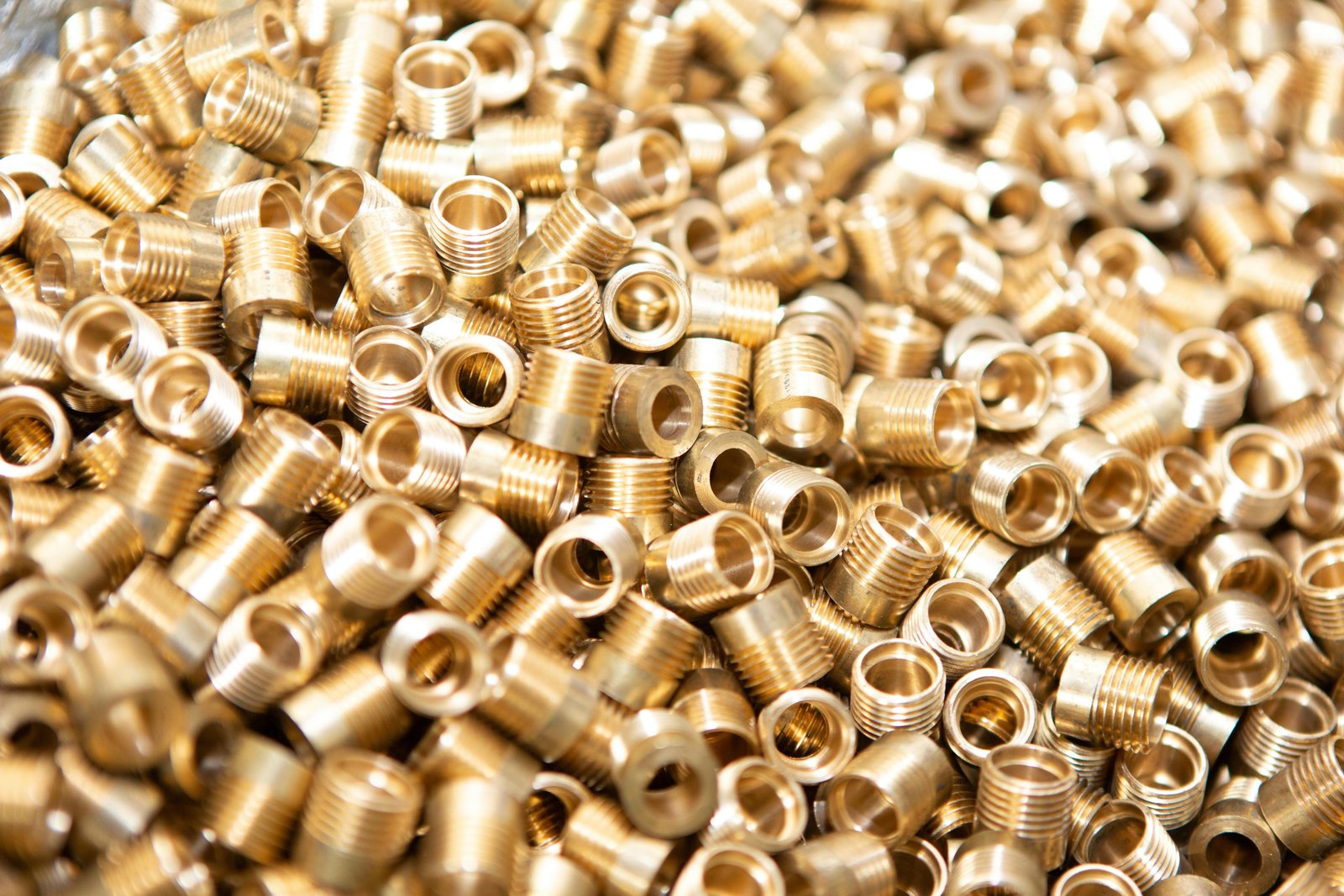
The pen holder in the ballpoint pen you usually hold in your hand, the transmission shaft on the car, and even some precision nut parts are all manufactured by turning. If you can't answer the word "rotation body" during the interview, it basically means that the person has not really entered the threshold of this industry.
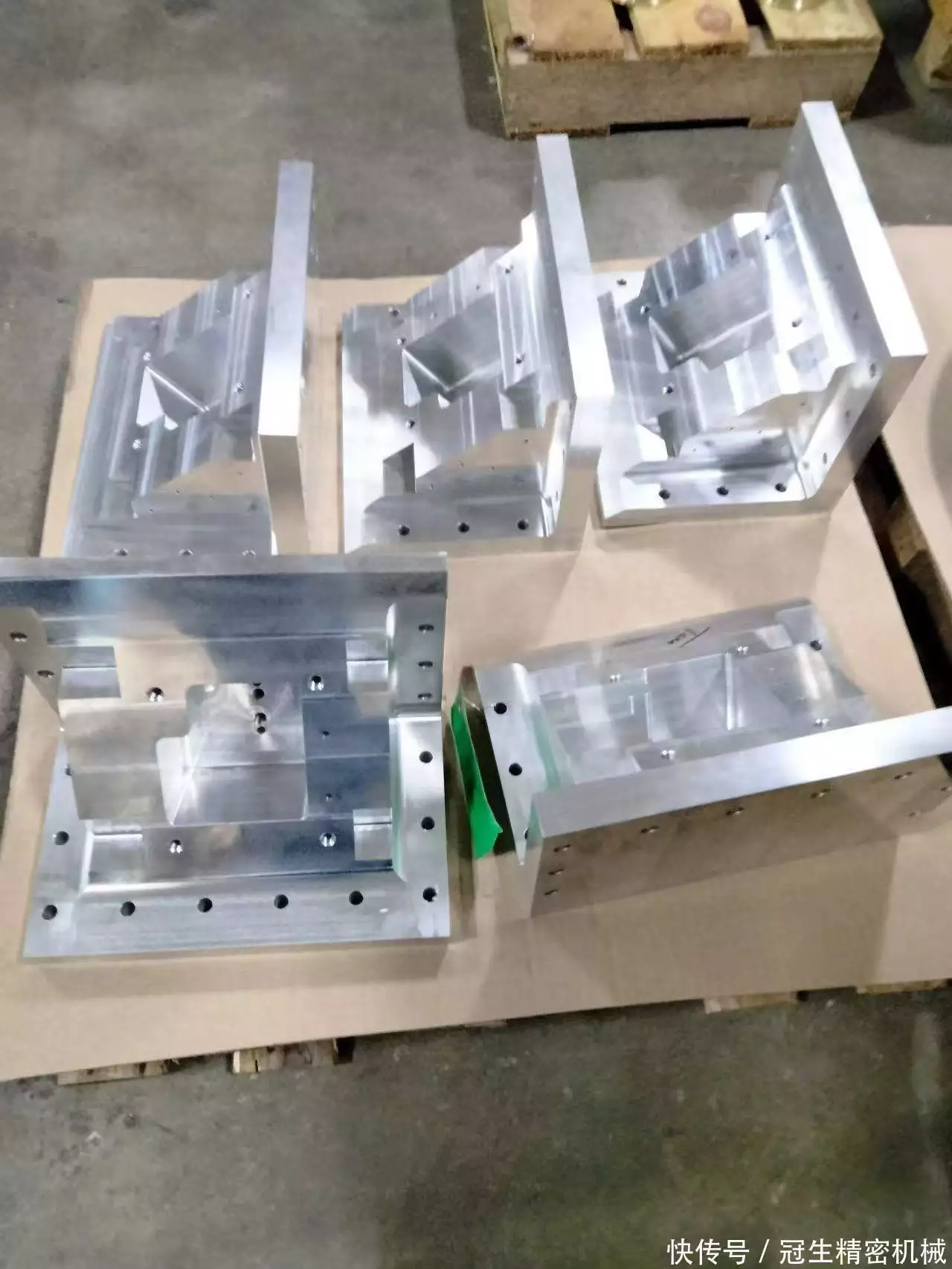
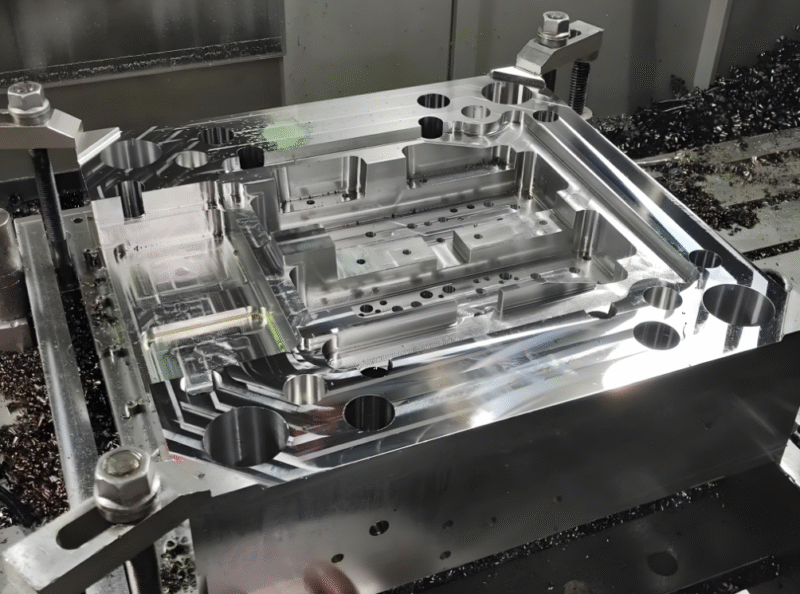
But please don't take your words to that extreme. Turning machine tools can only process round workpieces or cylindrical objects. Once they encounter special-shaped parts or components with complex curved surfaces, they must be replaced by milling or other processes for matching processing.
During the interview, you take the initiative to mention such a limitation, and then add a sentence, that is, "for special-shaped parts, our factory uses CNC milling lines to produce them." Doing so will show your understanding and mastery of the entire production process.
How to determine the speed
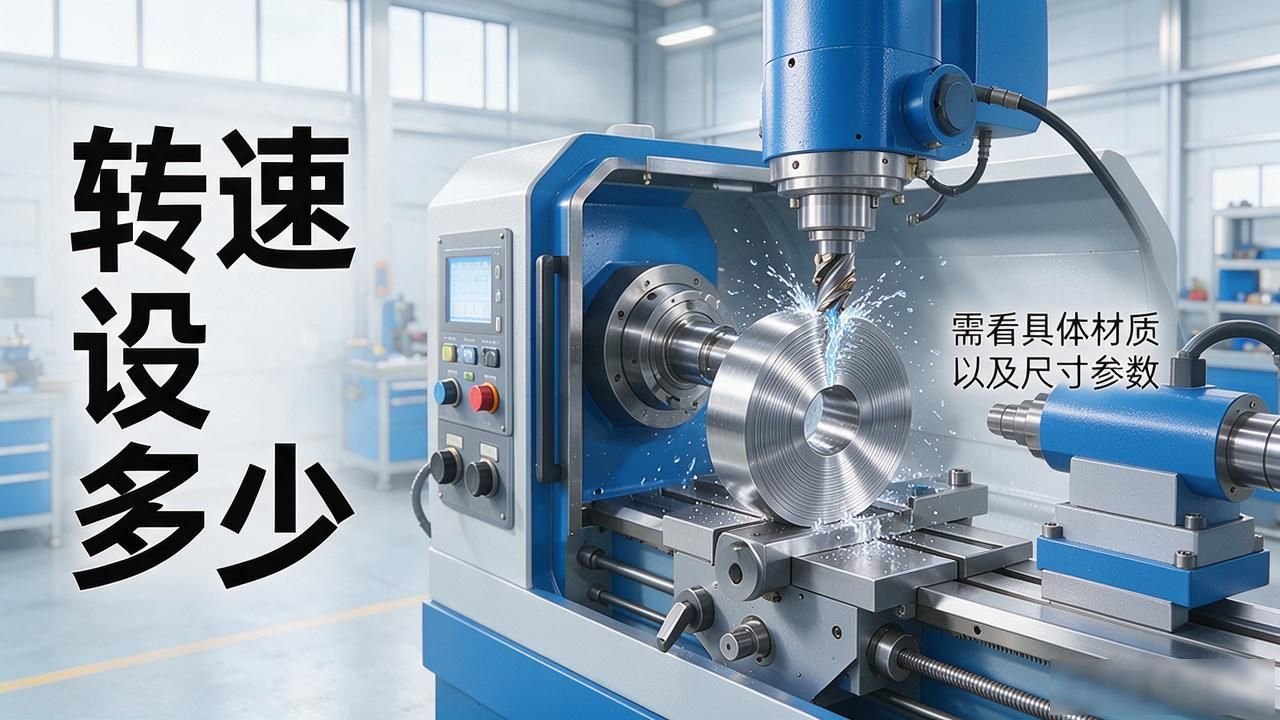
The question "What is the speed setting?" is almost a must-answer exam question. When answering, you must not just give a numerical value, but you should clearly state that you need to look at the specific material and size parameters.
For aluminum alloy workpieces, the processing speed can be appropriately increased, but for steel workpieces with higher hardness, the speed must be reduced, otherwise the shape of the parts will change due to heating, so that the final tolerance requirements will be completely invalid and the production standards will not be met.
The interviewer then asked what the consequences would be if the rotation speed was too fast or too slow. Just answer this. If the rotation speed is too high, the parts will be deformed due to heat, and the tool wear will accelerate. If the rotation speed is too low, the processing efficiency will be relatively low, and the surface roughness will exceed the standard. As long as you explain these two sentences clearly, you will be able to win this question steadily.
What does feed amount mean?
The so-called feed actually refers to the short distance that the tool moves along the axial or radial direction during each rotation. When participating in an interview, everyone must not just recite those emotionless numbers, but clearly explain the underlying logic.
Specifically, if the feed rate is set too high, the surface of the processed workpiece will be covered with tool marks, causing the surface roughness to fail to pass the inspection standard; conversely, if the feed rate is set too small, the time required for the entire processing process will be greatly extended, and the production efficiency will naturally become very poor.
To put it into context, for example, I once processed a batch of M6 screws, in which the tool feed was set to 0.1 mm per revolution, and the surface roughness was controlled within Ra 1.6. This approach is more than ten times better than rote memorization of knowledge from books, because as soon as the interviewer hears such a narrative, he can immediately judge that you have indeed personally operated in the workshop.
How to choose tool material
Three things are commonly used, one is high-speed steel, the other is carbide, and the third is coated blades. High-speed steel is cheap, but has poor wear resistance, so it is suitable for processing soft materials such as aluminum parts. Carbide has high hardness and fast cutting speed, so it is suitable for processing steel parts. Coated inserts have good heat resistance, so they are suitable for use in situations where high-speed and large-volume processing is required.
It is recommended that when you participate in the interview, you should match the workpiece material and processing parameters, and do not just memorize one method. You can cite stainless steel parts like cars. I used an aluminum-titanium coated blade as an example. Its lifespan is twice as long as that of pure carbide blades. This is a direct bonus.
Three industry scenarios
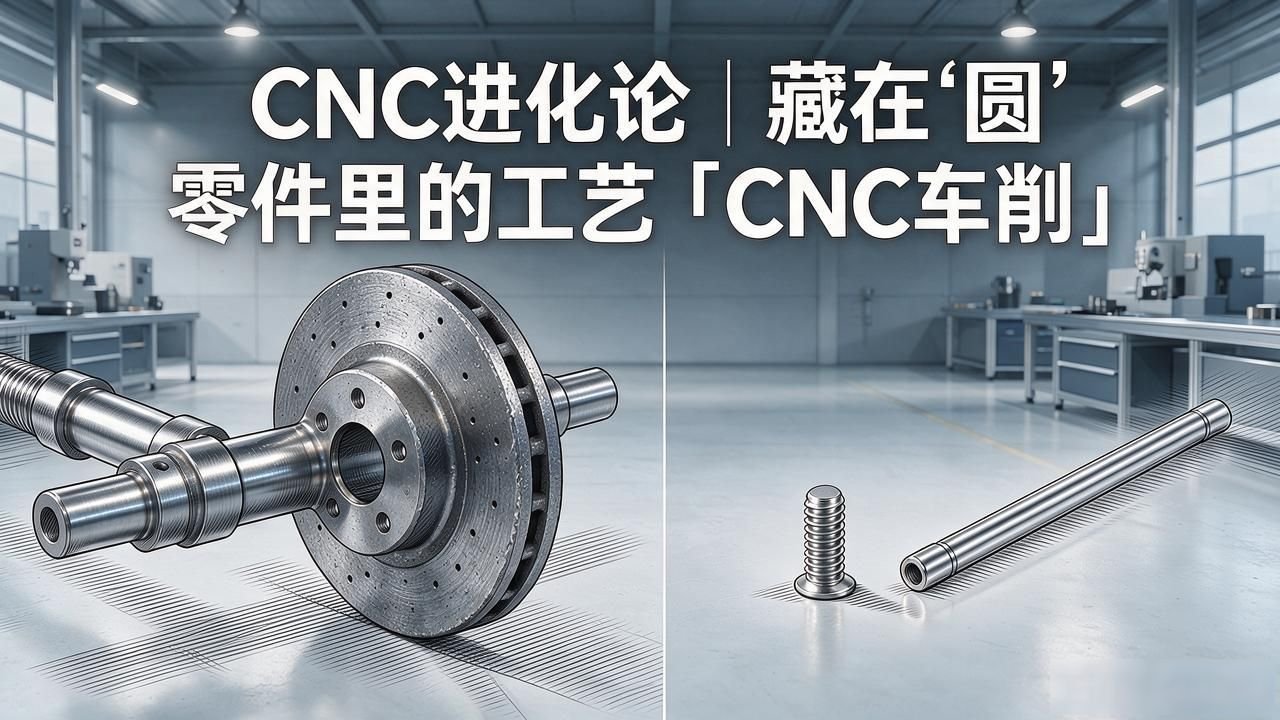
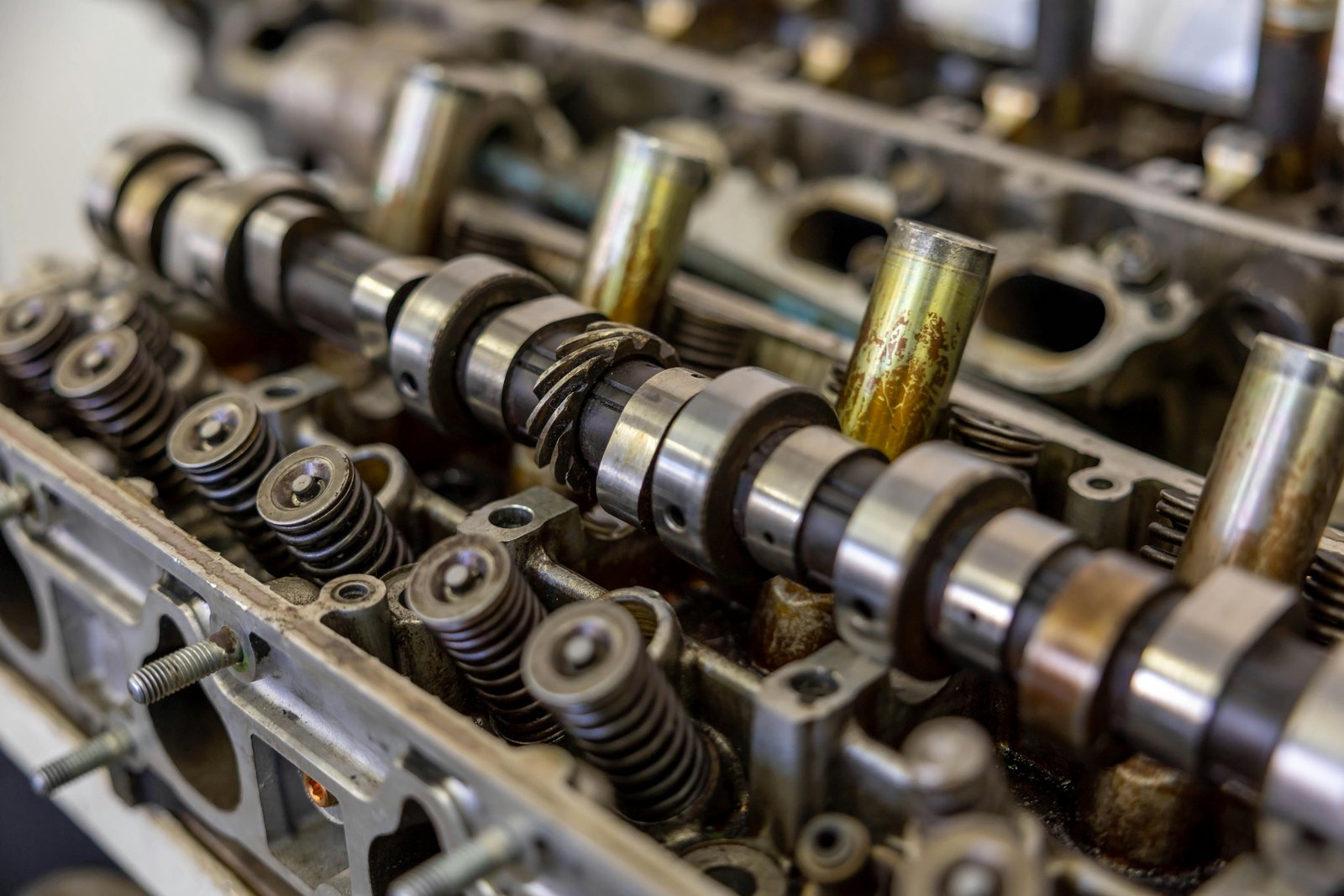
The interviewer is very willing to ask this question about which industries you are familiar with. In the automotive industry, products such as transmission shafts, brake discs, and engine shaft parts have very high tolerance requirements. If there is a looseness problem, it will directly pose a risk of safety accidents. In the electronics industry, products such as mobile phone screws and earphone metal conduits have the characteristics of small size and very high precision. The use of CNC turning technology can achieve micron-level precision requirements.
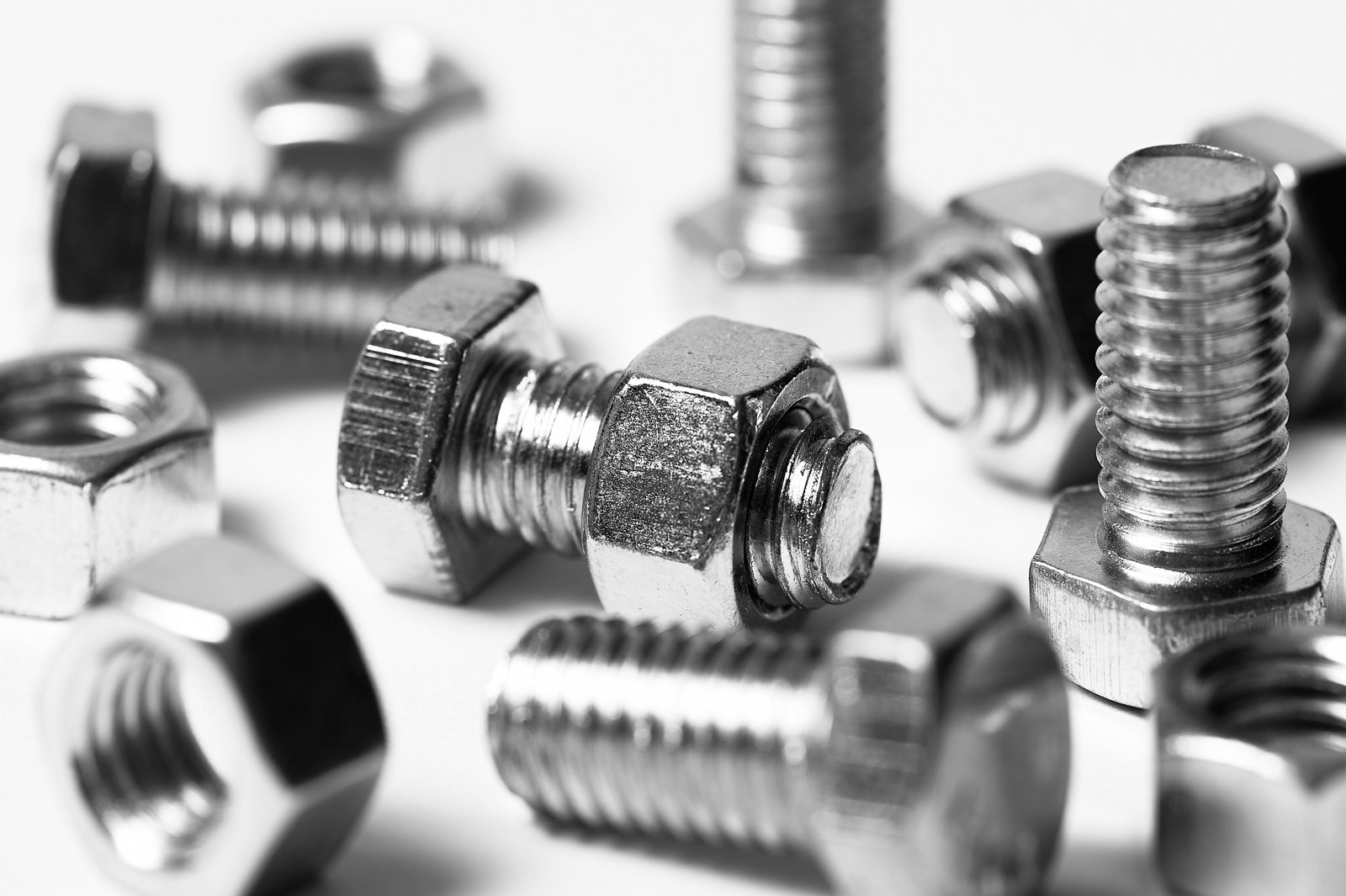
Hardware, such as screws, nuts, bolts, etc., are mass-produced by turning. The specifications are all the same and they must be tightened tightly. If one fails, the entire production line may be shut down. Use a representative piece and a key indicator for each of the three industries to show that you have broad coverage and do not only do one type of work.
How to add points at the end of the interview
When the interviewer ends the interview, he often asks a question, that is, how do you deal with the proofing process and mass production process. For the proofing step, the core task is to adjust the relevant parameters to check the specific size. CNC Turning Operator Interview Questions CNC Turning Operator Interview Questions CNC Evolution | The process "CNC Turning" hidden in "round" parts, and to repeatedly check the tolerance data to ensure accuracy.
When it comes to mass production, it is necessary to keep a close eye on the tool wear cycle and perform first-piece re-inspections to ensure that there are no errors in quality. If you can explain these specific operations clearly, it proves that you have really operated machine tools and done actual work.
At the end, don't just say that I will work hard, but add a CNC turning operator interview question . You have several sets of processing parameter records of different materials. If the situation is convenient, you can bring them over for reference. In this way, the passive state is turned into an active posture, and the impression points for others are directly increased.
When you go to interview for a CNC turning job, you may be asked about some pitfalls? Everyone is welcome to chat in the comment area. If you find it helpful after reading it, you can like it and forward this content to your good friends who are preparing for the interview.


暂无评论内容