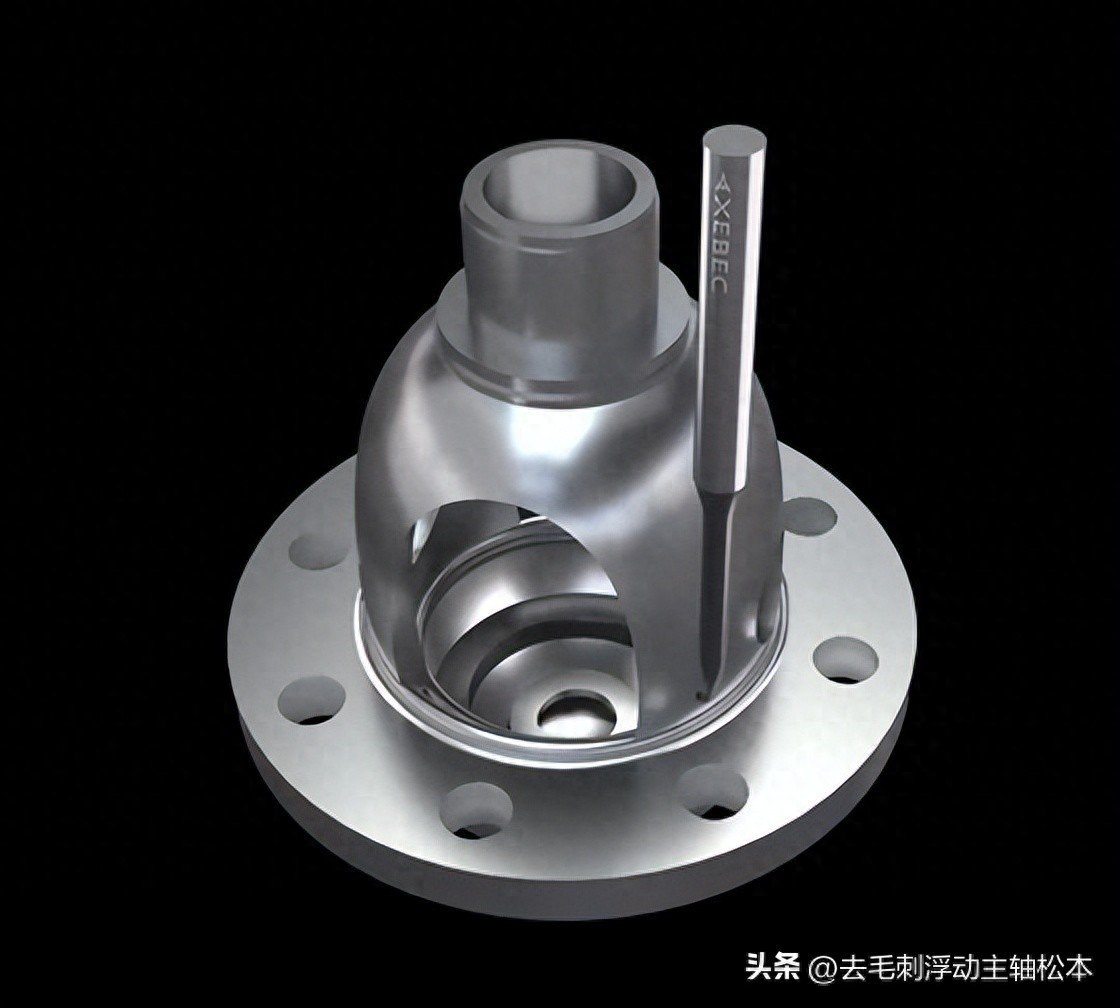


Is it difficult to remove stainless steel orifice burrs? REBIK Back Hole Knife: Is it difficult to remove stainless steel hole burrs in one pass? Ruibike back hole cutter: one pass, the upper and lower holes are completely smooth, the upper and lower holes are completely smooth
304 stainless steel needs to be processed. Specifically, a through hole with a diameter of 6 is drilled on it, and then the upper and lower flanges are processed. However, the burrs produced in the flanged circle are very hard, as hard as iron thorns. The operator used a manual file to file three times, but there are still traces on the surface. Once the assembly process is carried out, the product will be scrapped, so many hardware factories cannot do this deburring step well.
Why are austenitic burrs difficult to chew?
Materials such as 304 and 316L have great toughness, so when drilling is performed on it, the inside will be extruded and turned out from the hole, thus forming a hard flange state with a size between 0.03 and 0.08 mm.
Moreover, severe work hardening will occur during this process, making the hardness of the burrs produced higher than the hardness of the base material. If sandpaper is used for grinding, the tool will become dull after just two grindings.

In 2025, a hardware factory in Foshan conducted statistics. Statistical results show that the time spent on manual deburring of 316L flanges is more than twice that of carbon steel parts. In addition, the proportion of residual scratches at the orifice accounted for 17%. Therefore, the customer directly rejected the goods during inspection.
Problems with traditional files and chamfering knives
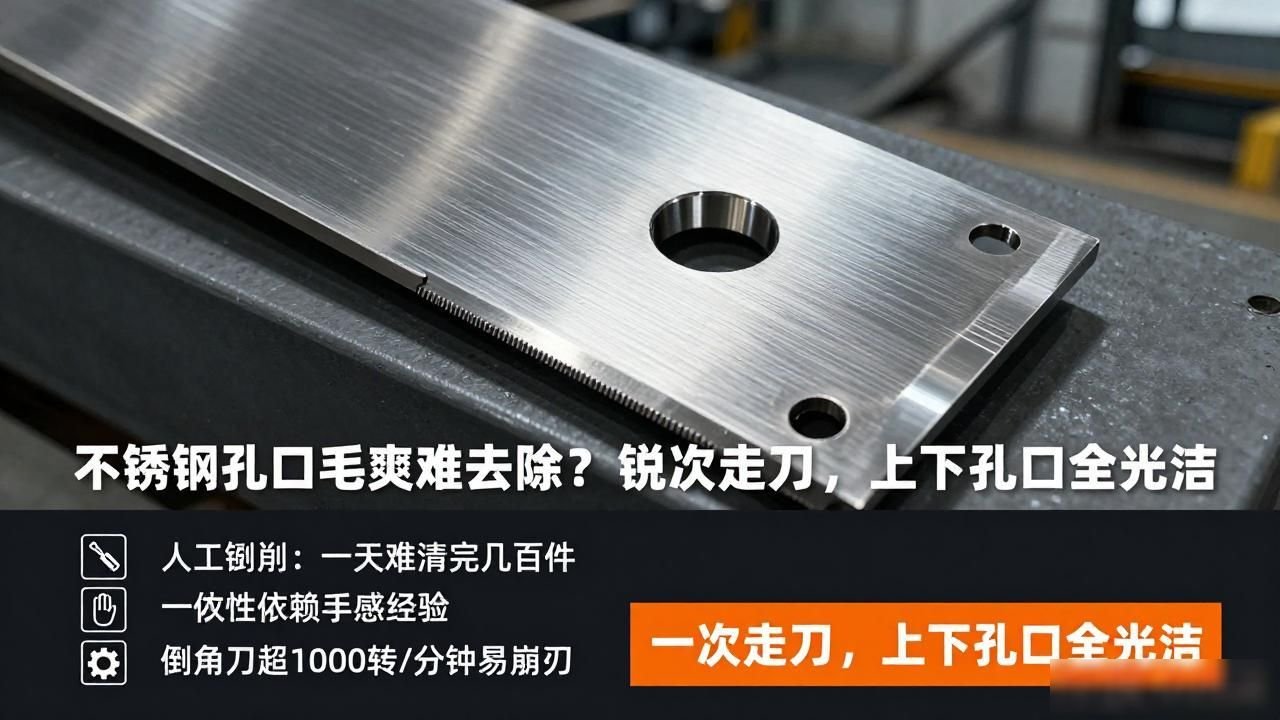
The operating efficiency of manual filing is relatively low. One worker cannot clean hundreds of through-holes in one day's working time, and the consistency of the processing completely depends on the operator's experience. When the rotation speed of the chamfering knife exceeds one thousand rpm, it is easy to chip. For materials such as 304, it is easy to stick to the knife. After only processing two or three holes, the state of the knife edge will be scrapped.
The situation of through-hole parts is more troublesome, because after cleaning the front side, you have to turn it over to clean the back side, which will lead to the accumulation of positioning errors during secondary clamping. If there is a deviation of 0.02 mm, the sealing surface will not fit the hardware parts processing and deburring process , and the entire part will be scrapped.
The back hole knife can clear the front and back in one pass
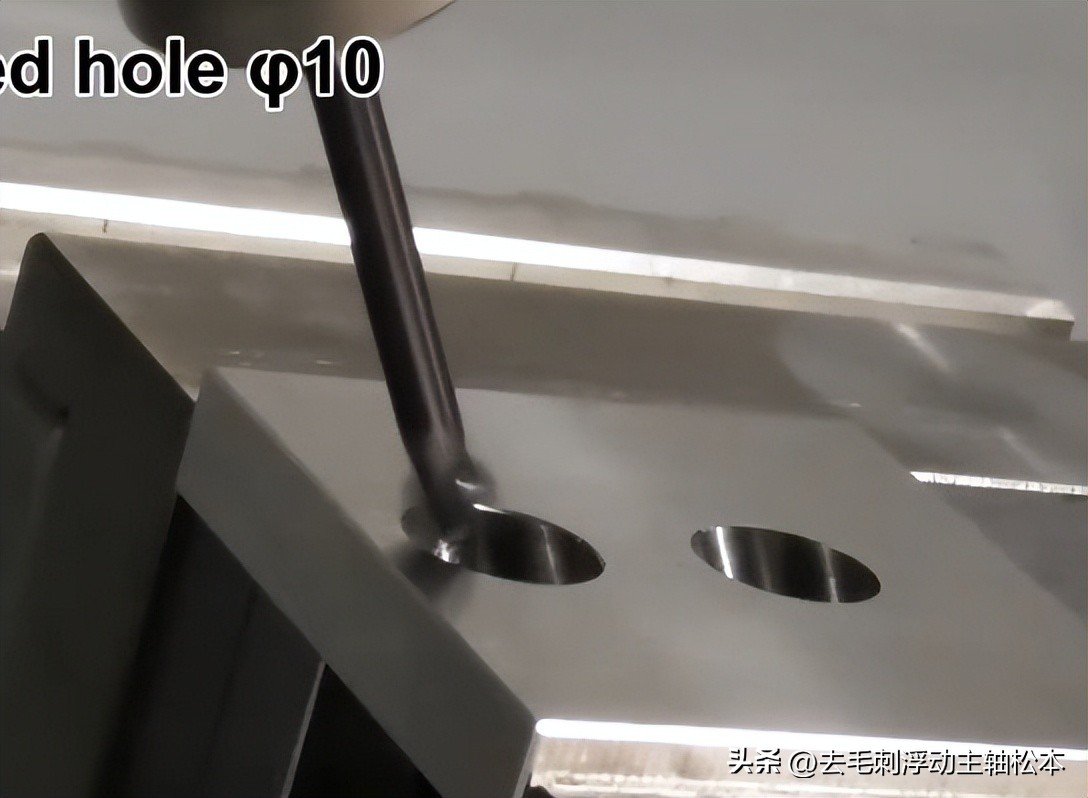
The Rebic back hole cutter adopts a back milling structure. The cutter body will extend into the inside of the hole to perform cutting operations in the opposite direction. During one tool pass, it can remove both the upper hole flange and the lower hole flange at the same time. In this way, the operator does not need to turn the workpiece over, and there is no need for a second clamping.
This tool needs to be matched with a spindle that can reach a speed of 10,000 rpm to perform high-speed cutting work. During this process, the cutting edge will smoothly peel off the burrs, thereby forming a uniform chamfer at the hole mouth. This method will not damage the hole wall, nor will it cause secondary flanging. Ultimately, it ensures that the surface finish after processing can be stably controlled within the Ra0.8 value.
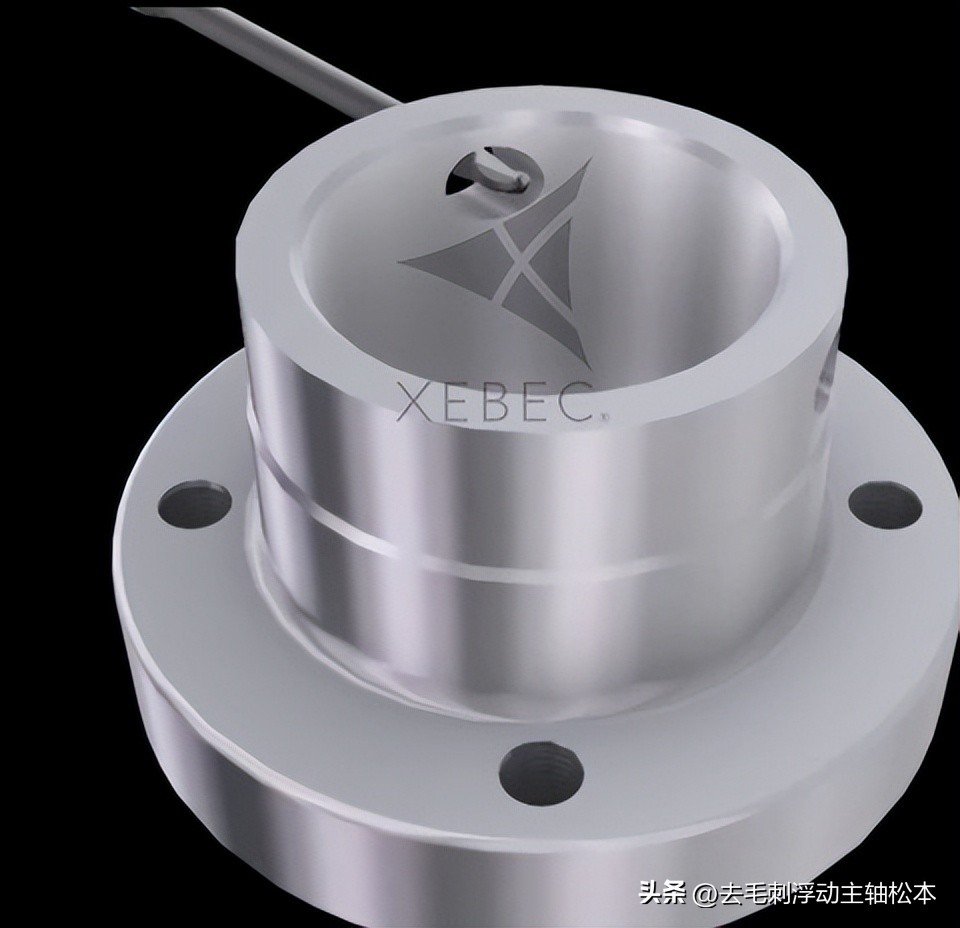
316L flange actual measurement results
A hardware factory in Zhejiang officially went online in September 2025. It is mainly responsible for processing flange products with through holes made of 316L material. The specific hole diameter specified here is 6 mm and the plate thickness is 3 mm. The height of the burr left by the original equipment was about 0.05 mm, but after changing the tool, the front and back sides were simultaneously smooth and smooth by performing a single tool pass.
Controlling the value of chamfering bias at the level of one micron , the hardware parts processing and deburring process has increased the number of surviving tools from the previous 120 to more than 450, and the time spent on removing burrs for each piece has been reduced from four minutes to 40 seconds, and the monthly yield rate of good products has also increased from 83% to 96%.
How to calculate cost account
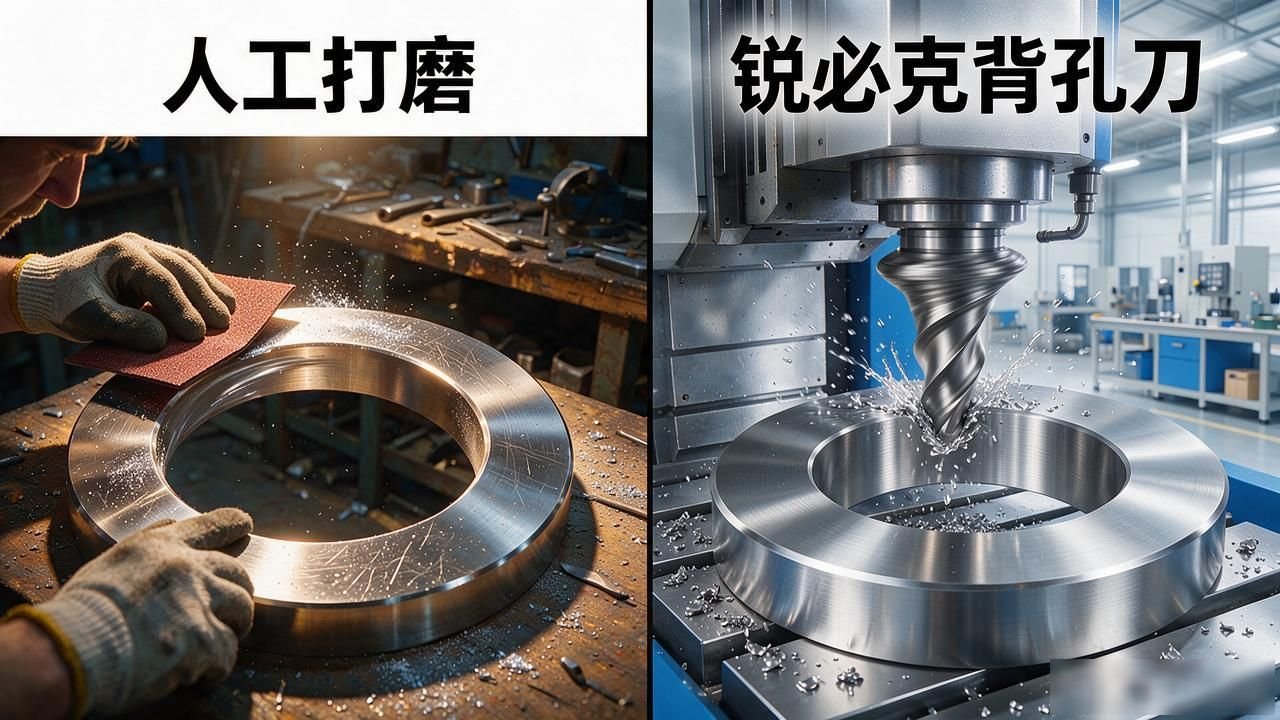
The monthly salary for manual polishing is only about 6,000 yuan, and one person can clean about 80 holes in a day. It takes less than a minute to clean a part using a back hole cutter. With one piece of equipment, the number of items that can be cleaned in a day will exceed 500, thus saving 70% in labor costs.
The number of broken knives that need to be replaced used to be 120, but now it has increased to more than 450. In addition, the number of reworks and scraps has also been reduced. The monthly cost of cutting tools and scraps saved exceeds 2,000 yuan. It took the small factory half a year to earn back the money spent on the equipment.
A clean orifice means confidence in delivery
When it comes to deburring, you don’t need to be fast, but you need to pursue stability. The hole should be made smooth and the dimensions should be kept stable to avoid chipping of the workpiece. In this way, customers can pass the inspection in one go, there will be fewer after-sales complaints, and repair orders will be saved.
As long as the turning process is omitted, the error caused by repositioning will be avoided. The consistency of the products in the entire batch will be improved, and the pace of shipment will naturally become more leisurely. The delivery time can be shortened by two full days, and customers will feel more confident and secure when placing orders.
Are you still turning over by hand for secondary clamping to deal with the problem of deburring through holes in the workshop? Does this method make you feel stuck? Share your opinion in the comment area. If you think this method is useful, please give it a like and forward it to your colleagues.






暂无评论内容