

What is turn-milling combined processing? What parts are essential?
A shaft is first taken to a lathe to process the outer circle, and then placed on a milling machine to create a keyway. Five wires are missing due to the difference in symmetry. This situation is the most frequent and most troublesome problem in the field of non-standard precision machining.
Why secondary clamping is an accuracy killer

Under normal circumstances, the two processes of ordinary CNC lathes and slot milling are carried out separately on two machine tools. After the outer circle is turned, the parts must be disassembled and then re-clamped to the machining center for processing. Even if the master's skills are more reliable, physical alignment errors exist objectively. The keyway deviates by 0.05mm and the shaft runout exceeds the standard limit. These are common things in daily life.
Many factories tend to adopt a processing sequence arrangement of turning first and then milling, which results in parts needing to be transported from the lathe shop to the machining center area and queued up to wait for equipment to be available. This makes the delivery cycle easily extended to more than a week. It also causes adverse effects on both processing accuracy and delivery efficiency, and ultimately leads to an increase in complaints from customers.
The core of turning-milling composite is the unification of benchmarks
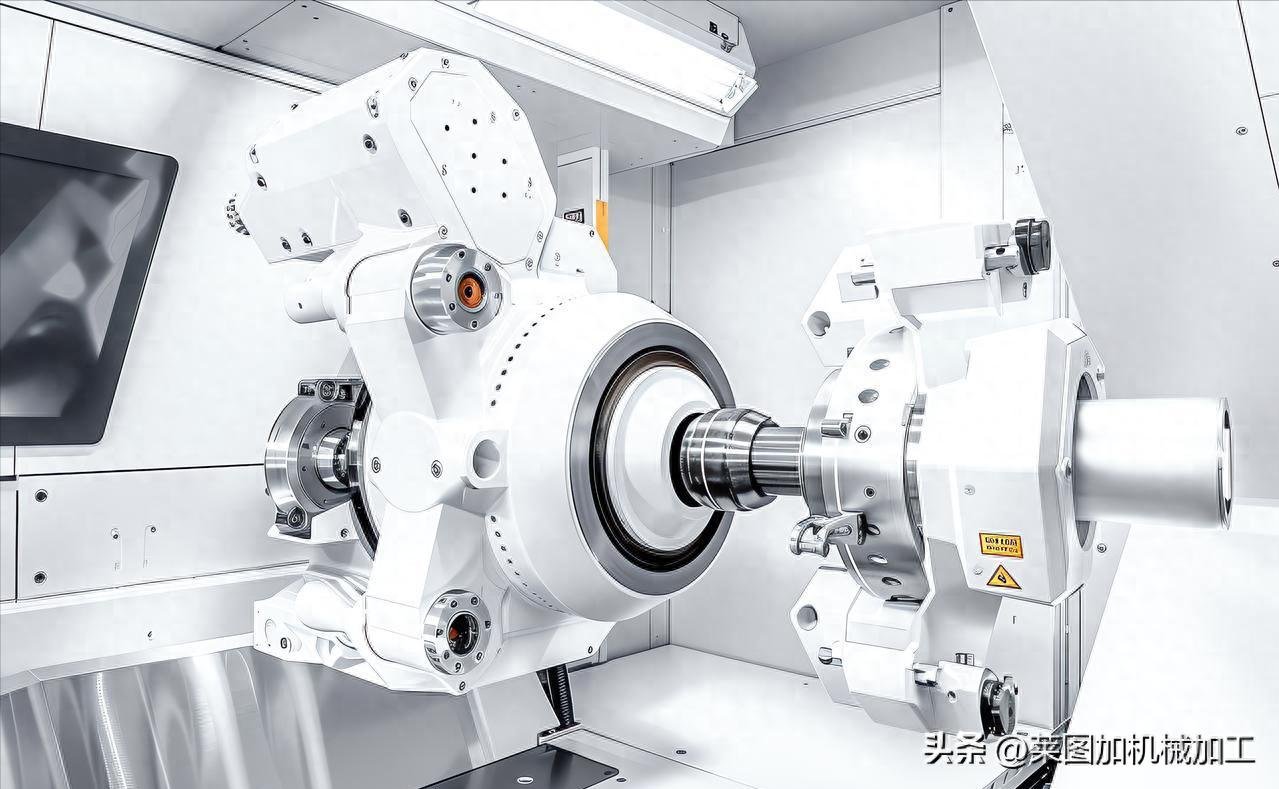
The combined turning and milling process actually involves completing all processing steps on one machine tool through one clamping. When the spindle is rotated, it is used as a lathe. After the indexing and positioning is completed, the power head located on the side will be responsible for drilling, milling slots, etc. on the workpiece, and can even achieve multi-axis linkage control. The advantage of this design is that all features can share the same baseline system.
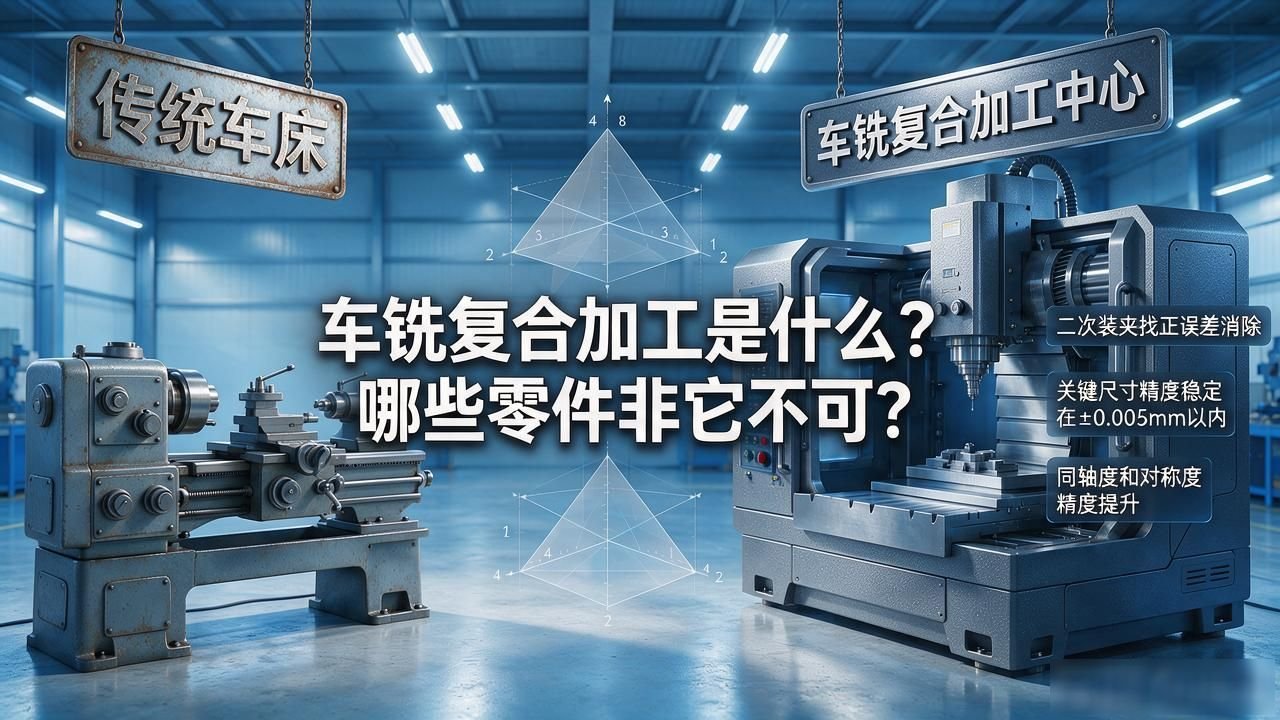
This set of logic eliminates the alignment error of secondary clamping from the root cause. What is the difference between turn-mill composite processing and traditional turn-milling? What is the difference between turn-mill composite processing and traditional turn-milling? What parts are essential? , the key dimensional accuracy is stable within ±0.005mm . The difference between turning and milling composite processing and traditional turning and milling is that coaxiality and symmetry no longer rely entirely on the master's feel and experience.
Which parts should not be processed separately?
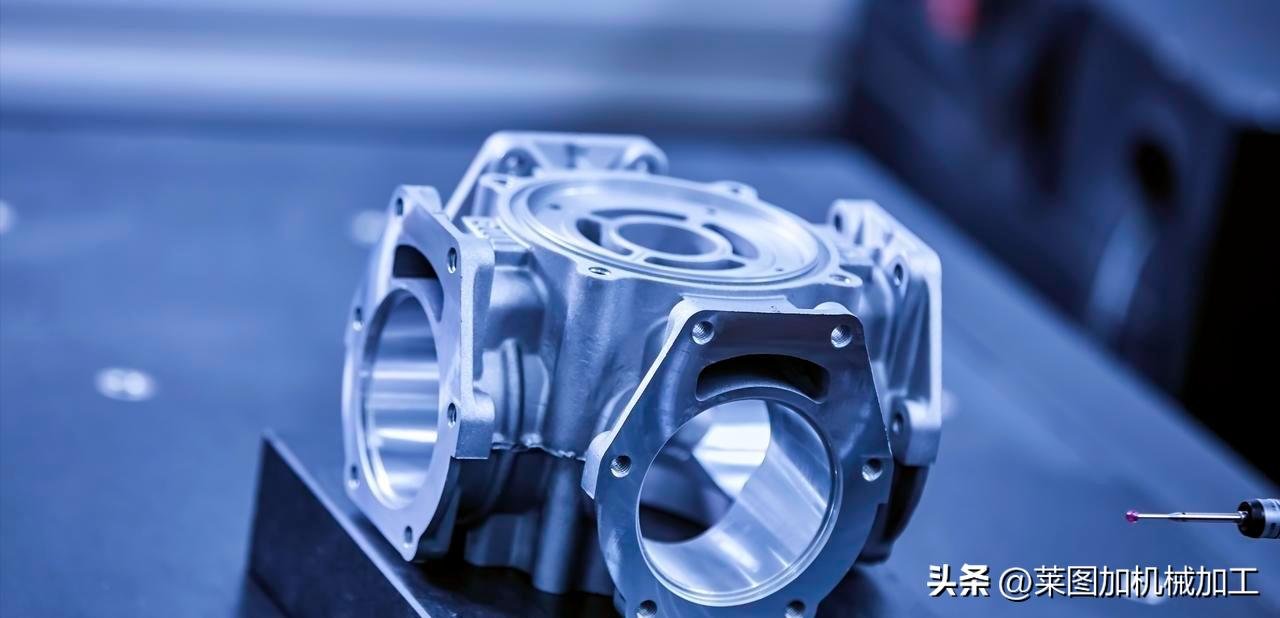
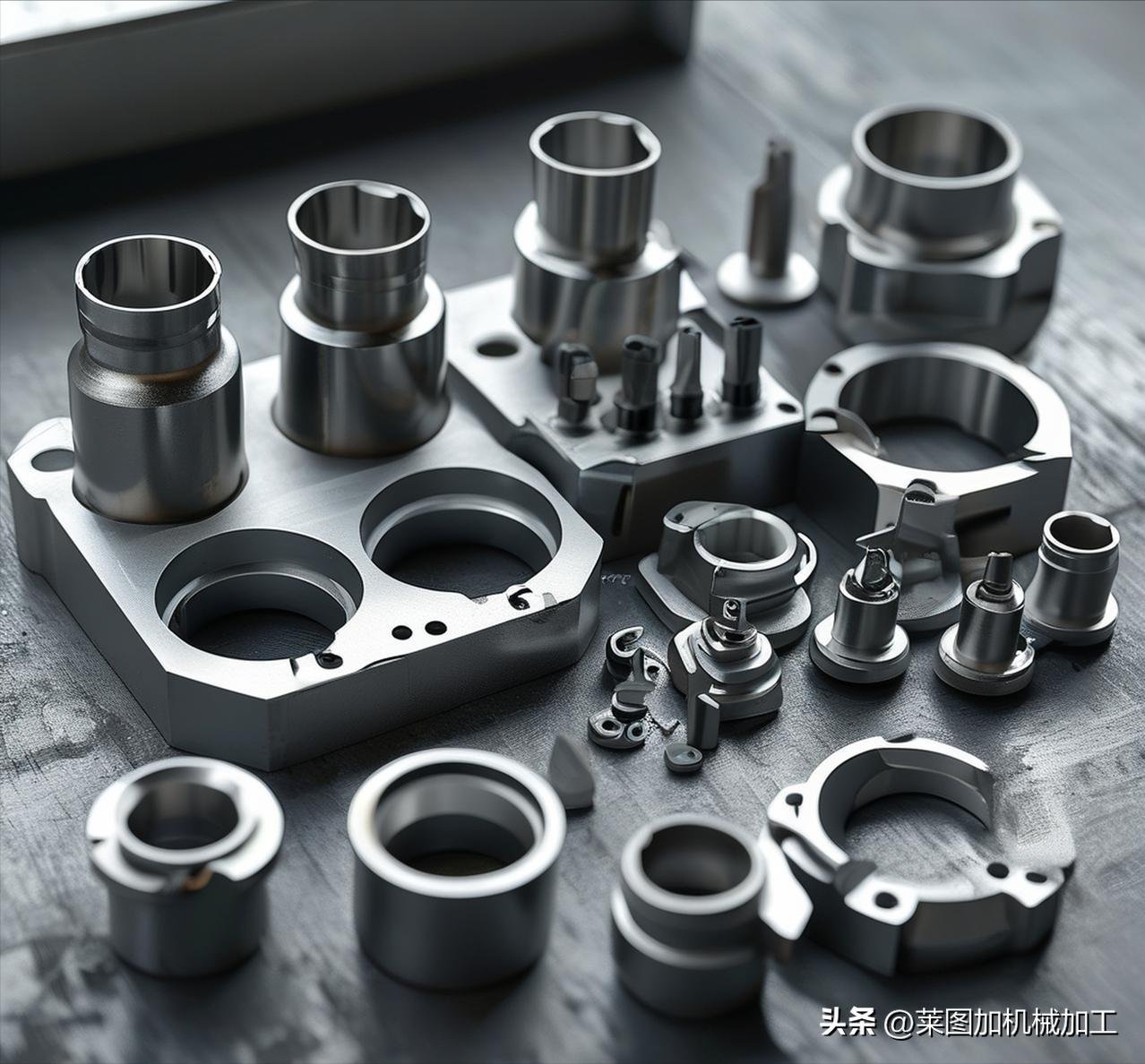
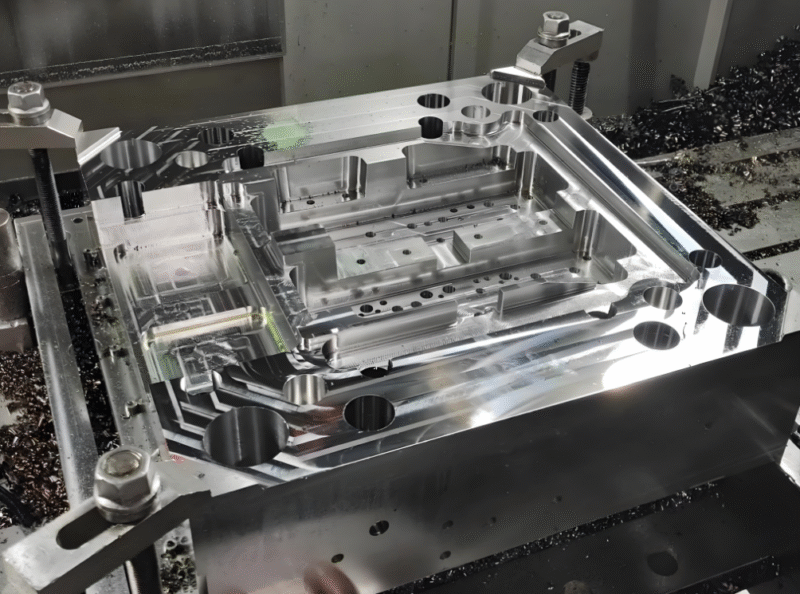
This kind of bushing type part has eccentric holes in the axial direction, cross holes in the radial direction, and it also has spiral grooves on its surface. It doesn't look difficult from the drawing. However, when we separate it for processing, the relative position between each hole is very easy to deviate, which will lead to a very high probability of rework and a particularly high scrap rate.
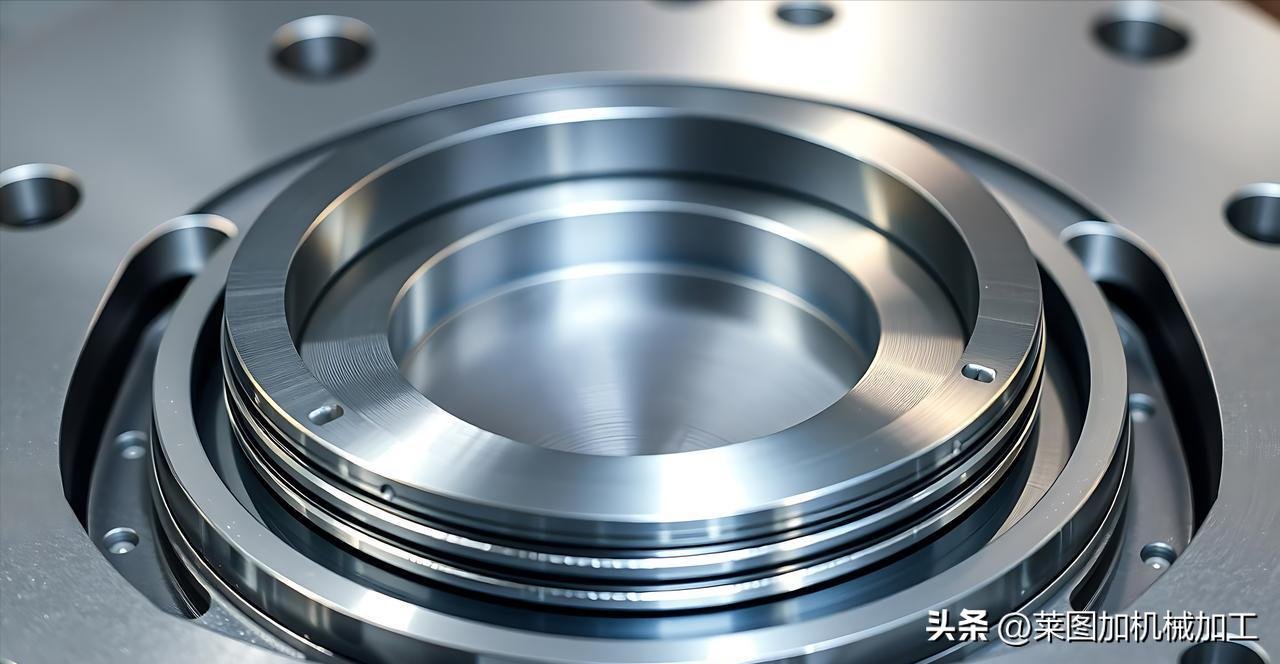
For those precision fitting parts that require a surface roughness Ra of 0.4, such as humanoid robot joints and medical endoscope transmission shafts, the molding method is formed by one-time clamping, which can avoid tool marks and residual vibration traces caused by changing machine tools.
Risk of deformation of thin-walled parts and new materials
For those materials with a wall thickness of less than 1 mm, such as 7075 aluminum alloy, PEEK and titanium alloy, each additional clamping will produce an additional elastic deformation caused by the clamping force. In the combined turning and milling process, because the workpiece can be locked and fixed at one time, the risk of deformation is reduced by more than half.
The thermal expansion coefficient of Invar alloy is alarmingly low, so how to manage cutting heat is originally a very sensitive issue. During split processing, due to the need for secondary clamping, temperature fluctuations will occur. This fluctuation will cause the dimensions that have been processed to drift again. It is very difficult to get the size back in the later stages.
Tool interference and proofing cycle
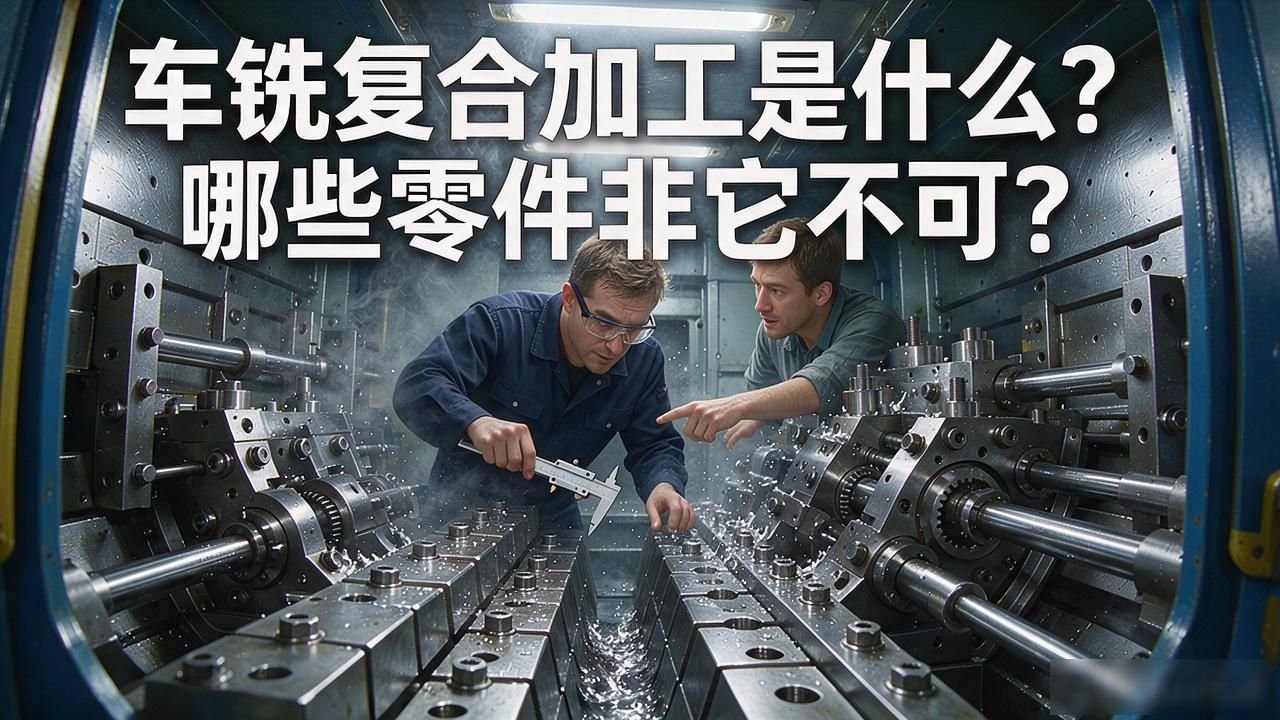
The internal space of a turning-milling machine tool is narrower than that of a stand-alone machining center. Therefore, when encountering a situation where the slot is particularly deep or the angle is very tricky, we must confirm with the craftsman before writing the program whether the tool head can actually reach that position physically. If we do not confirm in advance, it will easily cause a tool collision when the machine is actually running, leading to product scrapping.
In the stage of R&D iteration, usually only one or two samples are needed. At this time, the cost of machine adjustment seems quite high. However, once the accuracy is maintained, the time of repeated grinding is saved, the cost of scrapping and redoing is gone, and the trouble of cross-factory coordination is also avoided. If all these costs are calculated together, the overall cost of split processing is much more expensive than direct machine adjustment.
One sentence judgment for choosing process
For those parts that have very strict requirements on coaxiality and symmetry, and also have radial holes and side planes, we directly use the combined turning and milling process route. In contrast, ordinary CNC lathes can completely handle those round parts with relatively simple structures and loose tolerances. In this case, there is no need to spend more money.
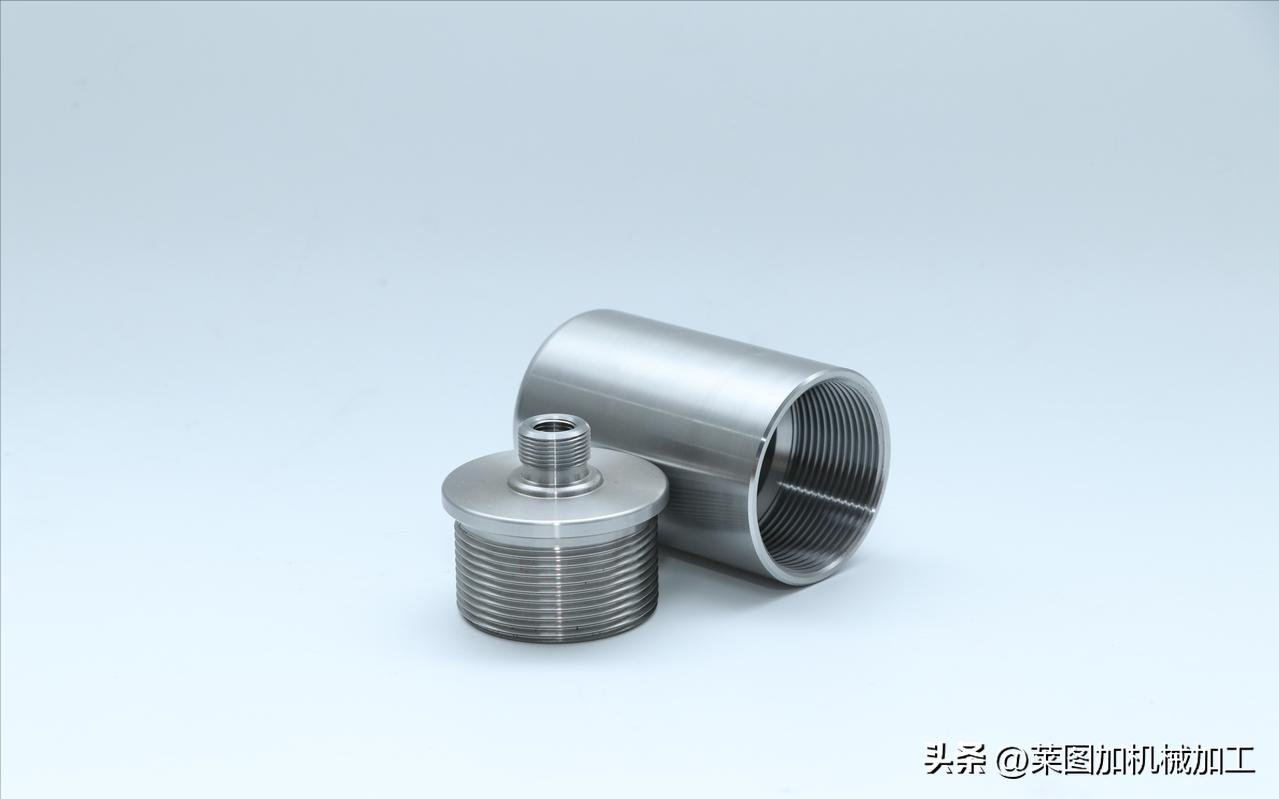
In those cases where the highest accuracy requirements are required, for example, when it is necessary to reach the level of plus or minus 0.005 mm, and the shape must be formed in one processing process, the turn-milling technology is considered to be the most stable and reliable solution in the current engineering field. Apart from this, there is no other alternative that is more worry-free and trouble-free.
Do you have some parts on hand that have been processed through the two separate processes of turning and milling, but the final dimensional accuracy never reaches the qualified standard? You are welcome to talk about your own personal experience in the comment area. If you think these contents are indeed of practical help, please like them and forward them to share with your colleagues working in the same industry.




暂无评论内容