

What is the difference between titanium alloy and stainless steel?
Titanium alloy is a material that is very light, very strong, and has good corrosion resistance. However, its processing cost is very expensive, which can directly increase the entire budget by two to three times. So why is it so expensive? What’s the price difference compared to stainless steel? Let’s explain it clearly at once today.
The ingredients are completely different
Titanium alloys use titanium as the base, and add aluminum, vanadium and other ingredients to it; stainless steel uses iron as the base, and adds chromium and nickel. Because the basic material has changed, all subsequent performance differences grow from this source.
At this time in 2024, the price of titanium sponge in the domestic market is about 15,000 yuan per ton. Then when the titanium alloy rods are processed into semi-finished products, it costs 50,000 to 80,000 to process.
Look at the 304 stainless steel round rod again. Its price is only 12,000 to 15,000 per ton. In a situation like this, the price difference between raw materials is nearly five times. This is the first difficult hurdle we have to face in terms of cost.
Obvious advantages in strength and density
The tensile strength of TC4 titanium alloy can be higher than 900 MPa, and the density is 4.5 grams per cubic centimeter. The density of 304 stainless steel is 7.9 grams, and the strength is generally around 520 MPa. Under the same volume conditions, the weight of titanium products is nearly half, but the strength is higher.

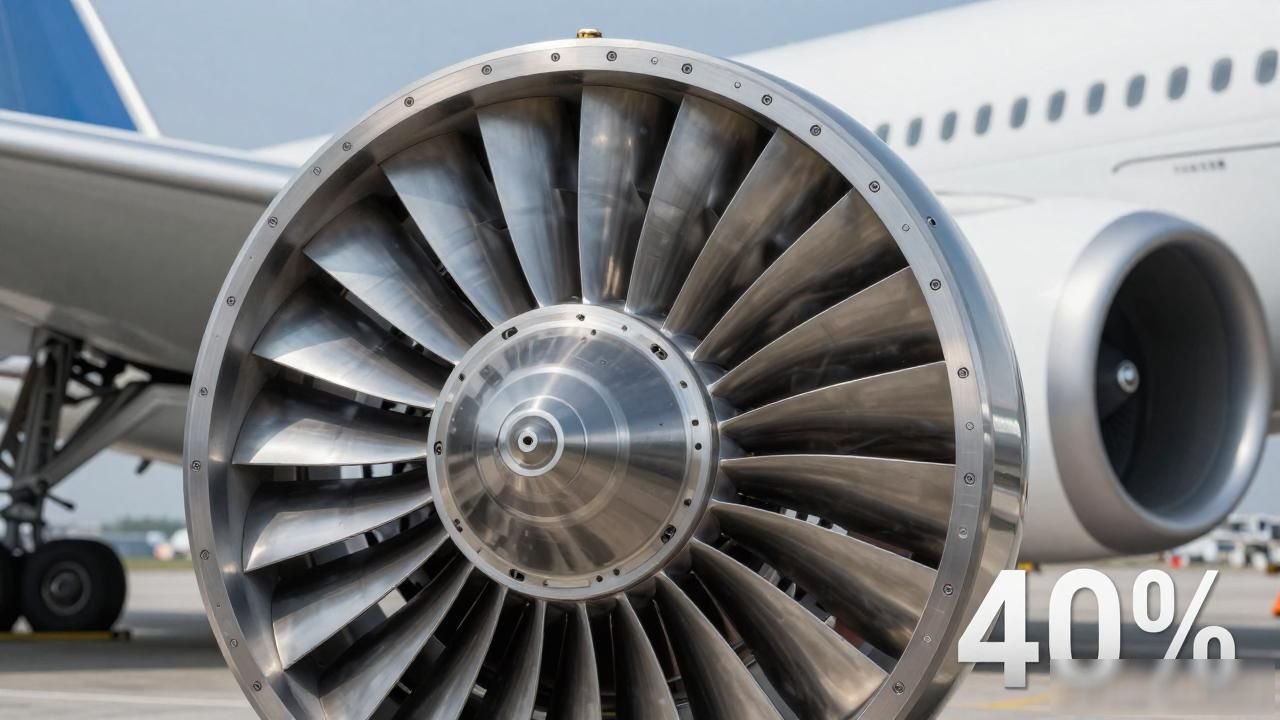
A certain turbine disk part in the aero engine uses titanium alloy to replace the original stainless steel solution. This reduces the weight of each part by more than 40%. On aircraft such as Boeing 787 and Airbus 350, this kind of replacement method has been used in a large number of practical applications. This is not data only available in the laboratory.
The gap in corrosion resistance cannot be widened
In fresh water and environments with weak acid properties, there is no problem using 304 stainless steel, and the cost of this material is relatively low. However, if it is exposed to conditions such as sea water, high-concentration hydrochloric acid, or strong alkali, pitting corrosion will occur on the surface of stainless steel, and even perforations may occur. However, an oxide film existing on the surface of titanium alloy will hardly be subject to any corrosion.
During 2023, a chemical company located in a coastal area used condenser tube sheets made of 316L material. Two years later, extensive corrosion occurred, which led to scrapping. After being replaced with titanium alloy tubes under the same working conditions, it continued to be used for five years. After inspection, no obvious deterioration was found.
The heat resistance performance has its own range.
The performance of titanium alloy is relatively stable within the temperature range of 400 degrees Celsius to 600 degrees Celsius. However, if it exceeds 600 degrees Celsius, its strength will drop rapidly. This is a fact. The heat resistance of stainless steel can be increased to more than 800 degrees Celsius, which is certain. Therefore, in some scenes such as high-temperature furnaces and exhaust pipes, its use is still indispensable. This is undeniable.
Therefore, the hot-end turbine disk of the aerospace engine is made of titanium alloy, while the high-temperature exhaust tail section and the lining of the industrial furnace are made of nickel-based stainless steel. They each manage their own temperature range, and there is no such thing as one completely replacing the other.
Processing costs are the real big pitfall
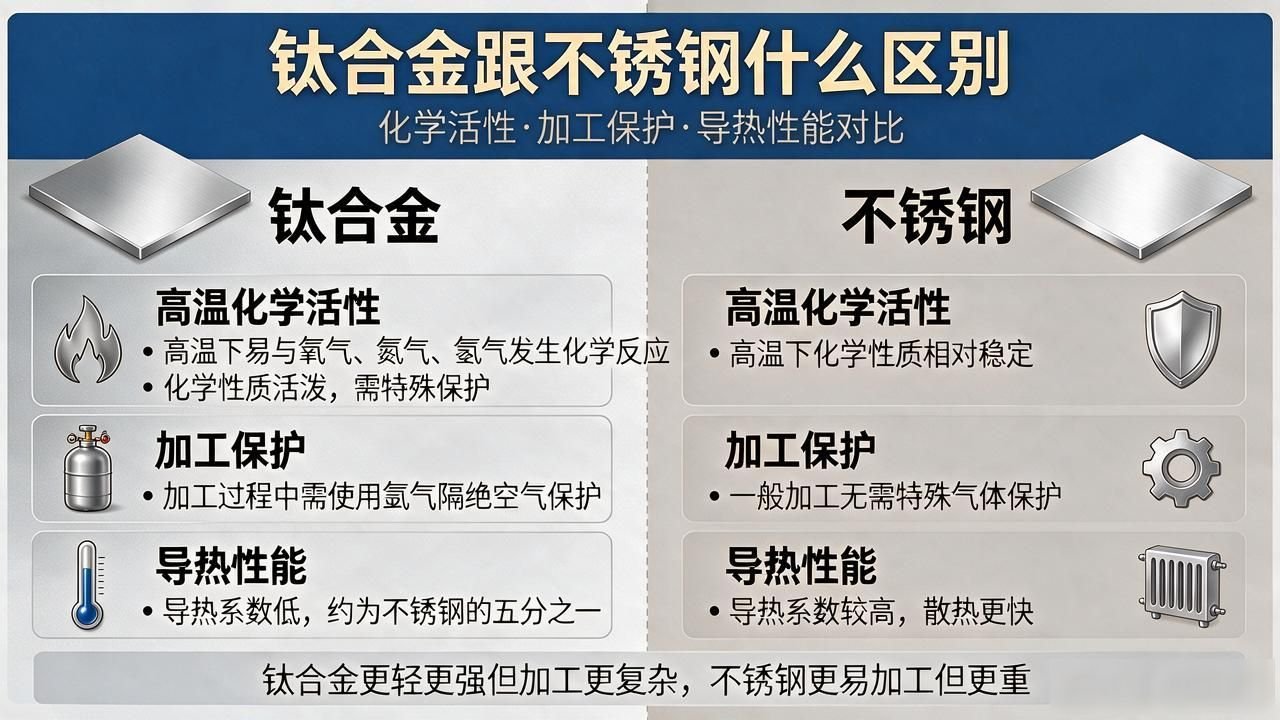
Titanium alloys are very susceptible to chemical reactions with oxygen, nitrogen and hydrogen when the temperature rises. Because of this, argon gas must be used for air protection throughout the entire processing process. Its thermal conductivity is very low, only about one-fifth of that of stainless steel.
This characteristic causes machining tools to wear out very quickly. Therefore, during cutting operations, the cutting feed speed has to be significantly reduced, usually adjusting to between one-quarter and one-third of the speed used for stainless steel material processing.
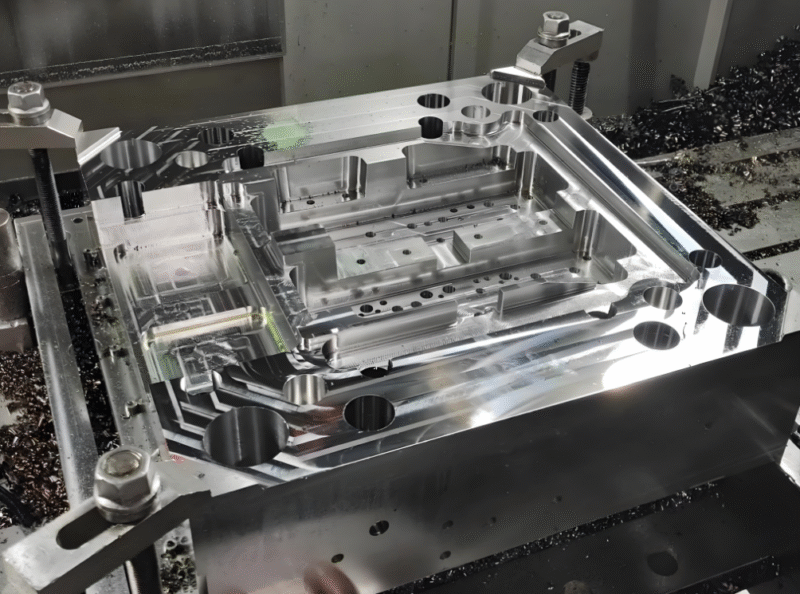
Let’s actually do some calculations. When five-axis CNC processes the same titanium alloy part, the frequency of tool changes is three to four times that of processing stainless steel. The working time of a single piece is two to three hours longer. In addition, the two expenses of tool consumption and argon gas cost eventually lead to the processing fee directly rising to more than two and a half times.
Where to use it depends entirely on your budget.
In the fields of aerospace, artificial joints, and high-end running shoe frames, if the budget can afford it, then you can choose titanium alloy. In terms of building steel structures, catering kitchen utensils, and chemical storage tanks, the cost-effectiveness of stainless steel is the advantage of the rolled grade. There is no need to spend several times more money on other materials.
In 2025, the annual consumption of titanium materials used in the domestic aerospace field has just crossed the 8,000-ton scale. At the same time, the total annual production of stainless steel has successfully exceeded the 3 million tons mark. The size gap between the two has reached several orders of magnitude. This situation clearly shows that there is no so-called competitive relationship between them. In fact, each of them occupies and develops its own independent development path.
Within the industry you are currently in, is there any situation where stainless steel materials are actually used to replace titanium alloys for certain parts, thereby saving a considerable amount of cost?
Everyone is welcome to go to the comment area to discuss and exchange their practical experiences and lessons. If you think the content has practical value, you may wish to like and save it so that you can quickly browse it when you need to make decisions about material selection.





暂无评论内容