

What is the most expensive steel?
The cost of one titanium alloy aviation blade can be directly compared with the cost of twenty ordinary steel parts. How to calculate this account is something that many bosses in the manufacturing industry cannot clearly understand.
There is no substitute for performance
The tensile strength of titanium alloy can reach a level of more than 900 MPa, and its density is only 4.5 grams per cubic centimeter, which makes it 40% lighter than carbon steel. For the core component of the aeroengine and the key structure of the fighter frame, it is almost necessary to use it. At the same time, the solutions that can be used to replace it are extremely rare and few.
The medical side has also become dependent on it. Implants made of titanium metal will not cause rejection reactions and have excellent corrosion resistance. More than one million pieces are used in artificial joints and dental implants every year. This huge amount of use has steadily supported the entire high-end price system.
Smelting and processing are difficult
As long as the temperature of titanium exceeds 800 degrees, it will absorb a large amount of oxygen and nitrogen. Therefore, its smelting process must be carried out in a complete vacuum environment, or it must be protected by argon gas.

Besides, the investment in related equipment will be five to eight times that of an ordinary steel furnace. Therefore, as of 2025, the number of domestic manufacturers that can truly achieve stable mass production is less than 20.
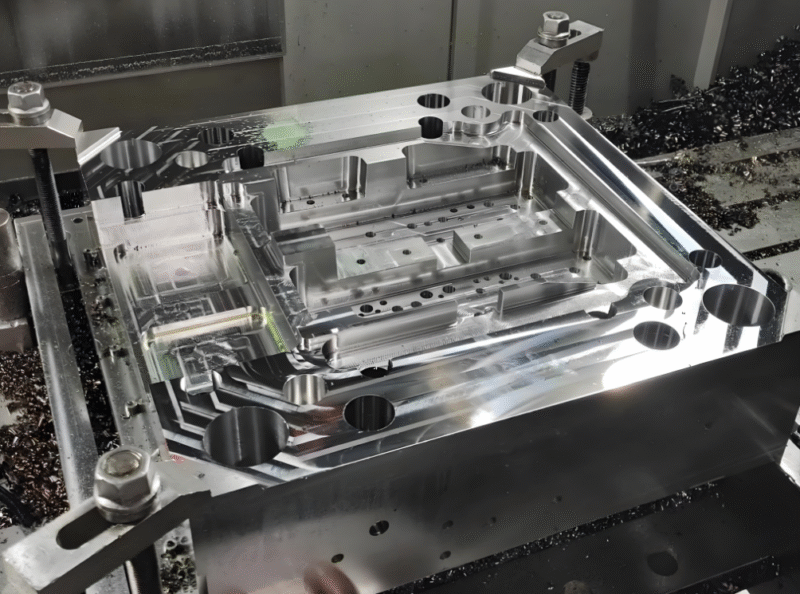
In the forging process, temperature and pressure must be controlled accurately. If a slight mistake is made accidentally, it will directly cause the product to crack, and it will eventually have to be scrapped. Judging from within the industry, the average scrap rate can reach about 30%. Since there are a lot of waste products, labor costs and energy consumption are greatly spread into the cost of the finished product.
Raw materials are rare and expensive to mine
Global titanium reserves are approximately 12 billion tons, but the proportion that can be economically exploited is very small. In terms of output, Australia and South Africa account for about 70% of the share. Due to the relatively long transportation distance, this directly increases the price of goods delivered to the destination port.
The entire process covers the transformation from ore into titanium sponge and further processing into titanium ingots. It should be noted that the amount of electricity consumed to produce one ton of titanium sponge is more than three times that of ordinary steel. It is precisely because of this that the cost pressure at the end of raw material acquisition has become extremely huge, almost compressing profit margins to the limit.
High-end demand drives premium prices
Entering 2025, the market size of titanium alloys for aviation in the global market has exceeded US$10 billion. What is the most expensive steel for Boeing and Airbus to manufacture each passenger aircraft? It requires about four tons of titanium alloy. Although the relevant order volume is in a relatively stable state, looking at the entire world, actual production capacity is somewhat limited.
Products such as hydrogen energy storage tanks and deep-sea equipment have very stringent and stringent requirements for corrosion resistance. As for the specific demand for materials such as titanium alloys, they are expanding at a growth rate of about eight to ten points every year. The current market situation of short supply is continuously pushing up their selling prices.
Long testing and certification cycle
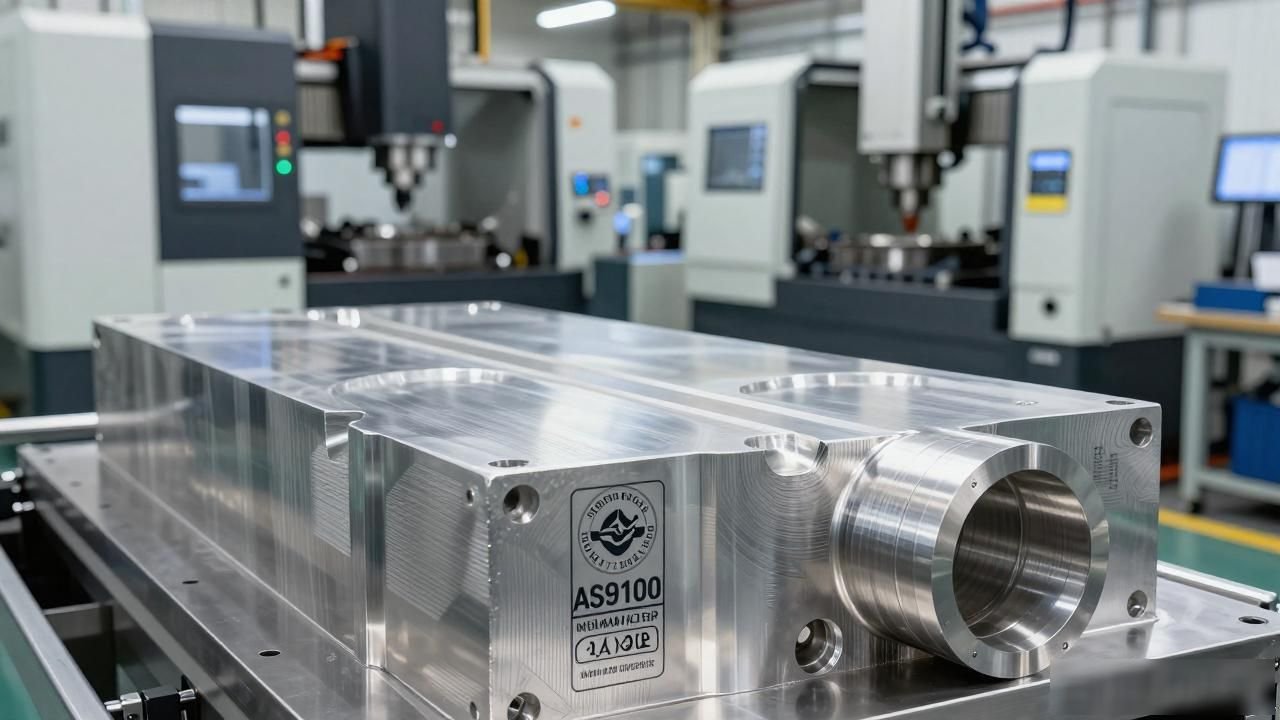
Aerospace grade titanium alloys must be certified to the AS9100 standard and also need to be dually recognized by NADCAP. The entire process, from initial smelting processing to final delivery, often takes more than eighteen months. This results in the cost of capital occupancy becoming very high.
In the sales channel, medical devices still need to go through the processes of US FDA registration or European CE certification. Clinical trials coupled with the full traceability and recording of materials will double the cost of compliance again. Smaller factories simply cannot handle this situation.
Recovering value and counteracting costs
Titanium scrap can be repeatedly smelted and put into use. The recycling value of aviation-grade titanium scraps can account for 70% of new materials. Because the more valuable this thing is, the easier it is to be speculatively hoarded, so the entire raw material market is subject to great fluctuations.
The reason for the high cost of titanium alloy processing in China is that the channels in the recycling industry have not established a standardized order , resulting in a large amount of leftover materials on the market being treated as ordinary scrap iron and sold at low prices. This situation makes the profits gained by regular manufacturers intercepted and lost by intermediate links, resulting in their production costs being unable to be reduced.
The use of titanium alloys in your industry gives you the most headaches, that is, the cost is particularly high, and where is the most bottleneck? You are welcome to share your views with everyone in the comment area. If you think this answer is helpful to you, please remember to give it a like and forward it to your peers.




暂无评论内容