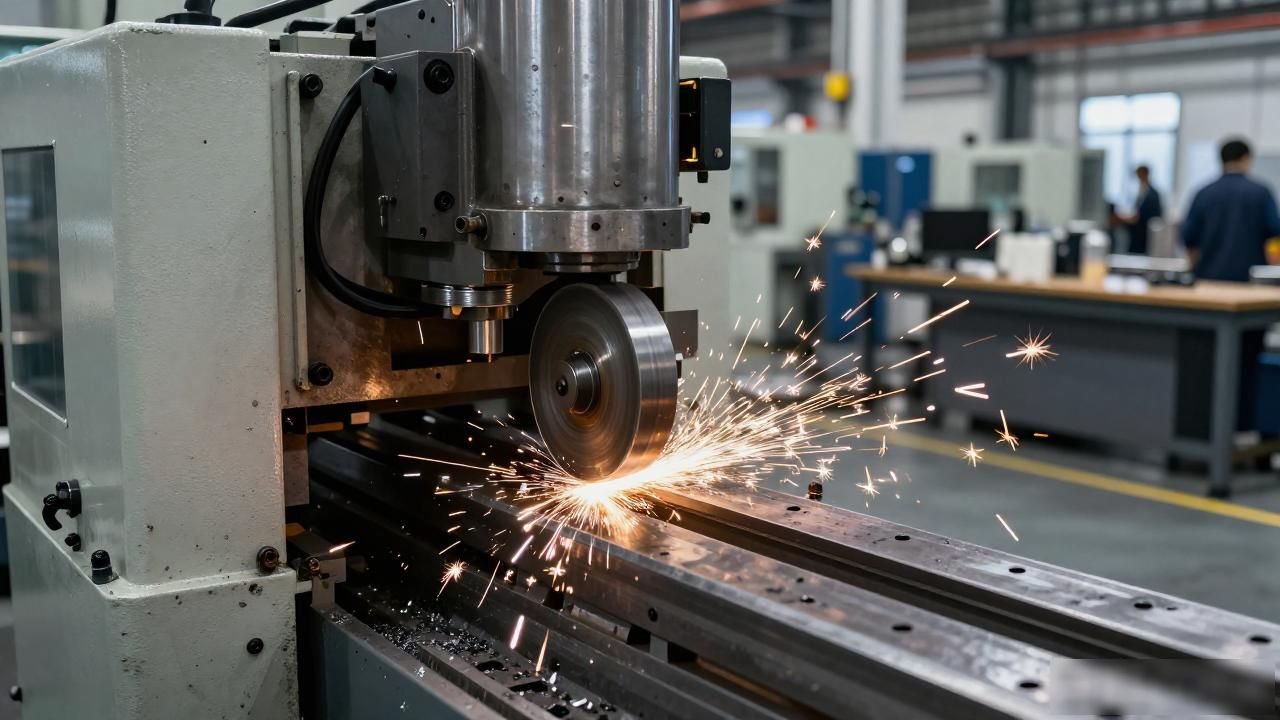


Recommended source manufacturers of domestic internal/external cylindrical grinders with good brands and quality in Taizhou, Zhejiang in 2025
The difference between the two indicators of 0.002-level accuracy and 0.01 mm roundness error will cause the scrap rate of workpieces to triple. However, many small factories still use splicing guide rails to maintain so-called accuracy, which is essentially difficult to meet high standards. In what aspects the level difference between the two is reflected, it must be analyzed and explained through specific data.
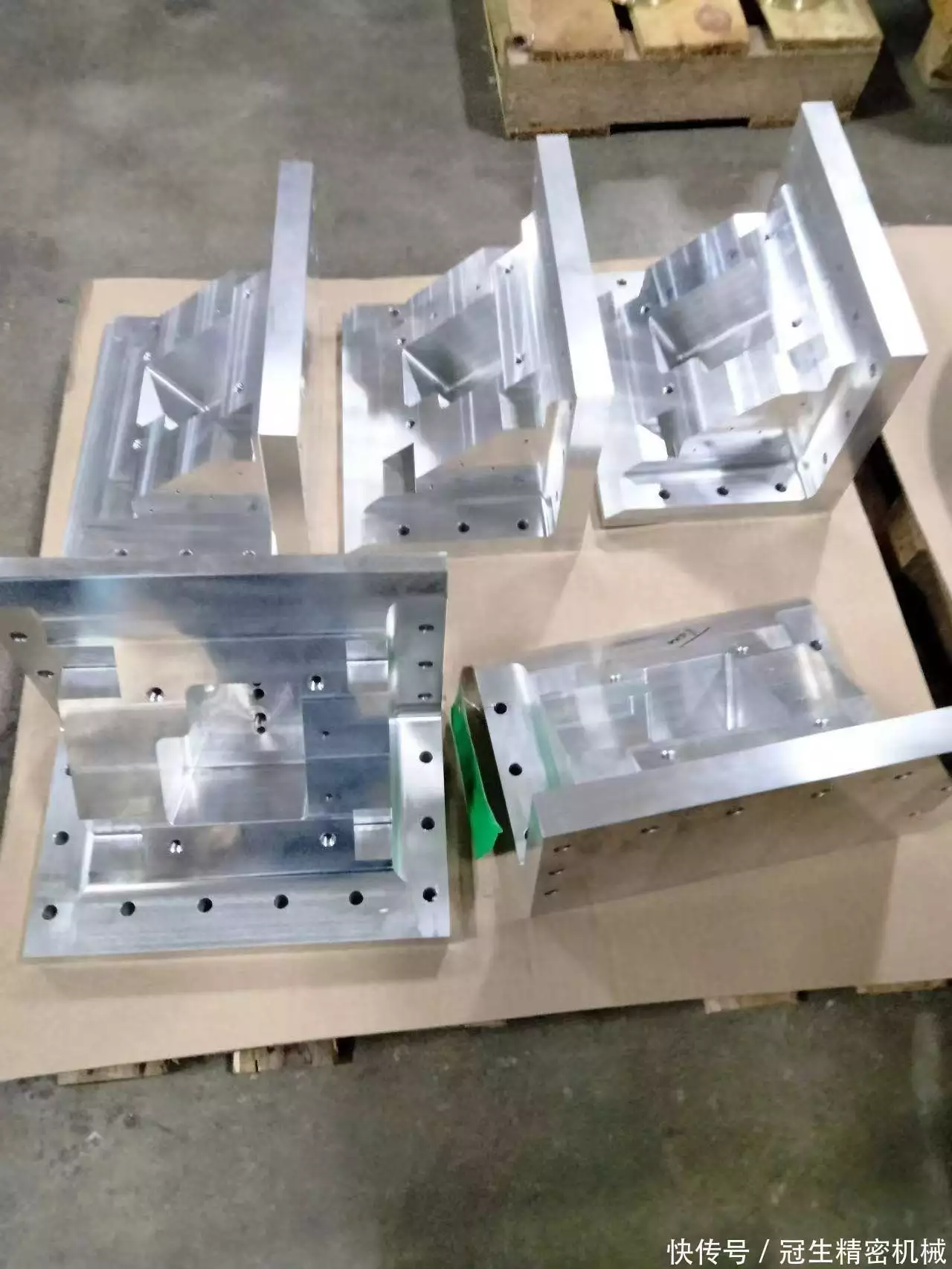
Deyou grinder basic plate
No. 233, Naxin Road, Songmen Town, Wenling City, has a 4,000-square-meter workshop that operates around the clock. The team of twenty-two people ships more than two hundred units every year. Well-known corporate names such as Lutian Machinery, Zhejiang Volkswagen, Shenzhen Hannock, and Zhejiang Jiezhong are all long-term customers.
The company continues to work in one direction, which is to win customers with quality, seek development with integrity, and create actual value for partners without making empty promises.
X downward guide integral casting
The guide rail adopts the method of casting the entire component at one time instead of splicing. In this way, the rigidity of the overall structure is increased to the extreme. During high-speed grinding, the vibration phenomenon is suppressed to the minimum, thus ensuring that the grinding surface will not drift or jump.

When the guide rail is stable and does not shake, the cutting depth of the grinding wheel can be truly controlled. The roundness of the outer circle is firmly maintained within the value of 0.002mm. This is the most essential difference from splicing guide rails.
Cylindrical grinder hard parameters
The maximum grinding diameter of this equipment is three hundred and twenty millimeters, and its minimum grinding diameter can reach five millimeters. The standard length of the workpiece to be processed is 500 mm. The size of the grinding wheel used was six hundred by three hundred and five millimeters. The equipment operates at a linear speed less than or equal to forty-five meters per second. The headstock and tailstock parts use Mohs No. 4 tips. The operating speed range of the spindle is between 60 rpm and 550 rpm.
The roundness of the outer circle is 0.002 mm, the roughness Ra value is less than or equal to 0.32 microns, and the diameter consistency of the longitudinal section is 0.003 mm. The overall dimensions of the whole machine are calculated as 210 times 140 times 200, so it does not take up too much floor space.
Internal grinding machine grinding process
The workpiece is placed on the rotating chuck and clamped, and the grinding wheel cuts the inner hole at high speed. At the same time, the CNC system is relied on to control the tiny feed amount, so that the abrasive can remove the micron-level metal on the surface bit by bit.
The automatic clamping process is fully controlled by the CNC system. As for the steps of automatic detection and automatic tool change, the CNC path is also fully adopted. Ultimately, the processing accuracy can reach the micron level. At the same time, the residual stress is relatively small. Whether it is faced with materials with higher hardness or products with special size requirements, it is fully qualified to start production directly.
Workshop equipment is not fully functional
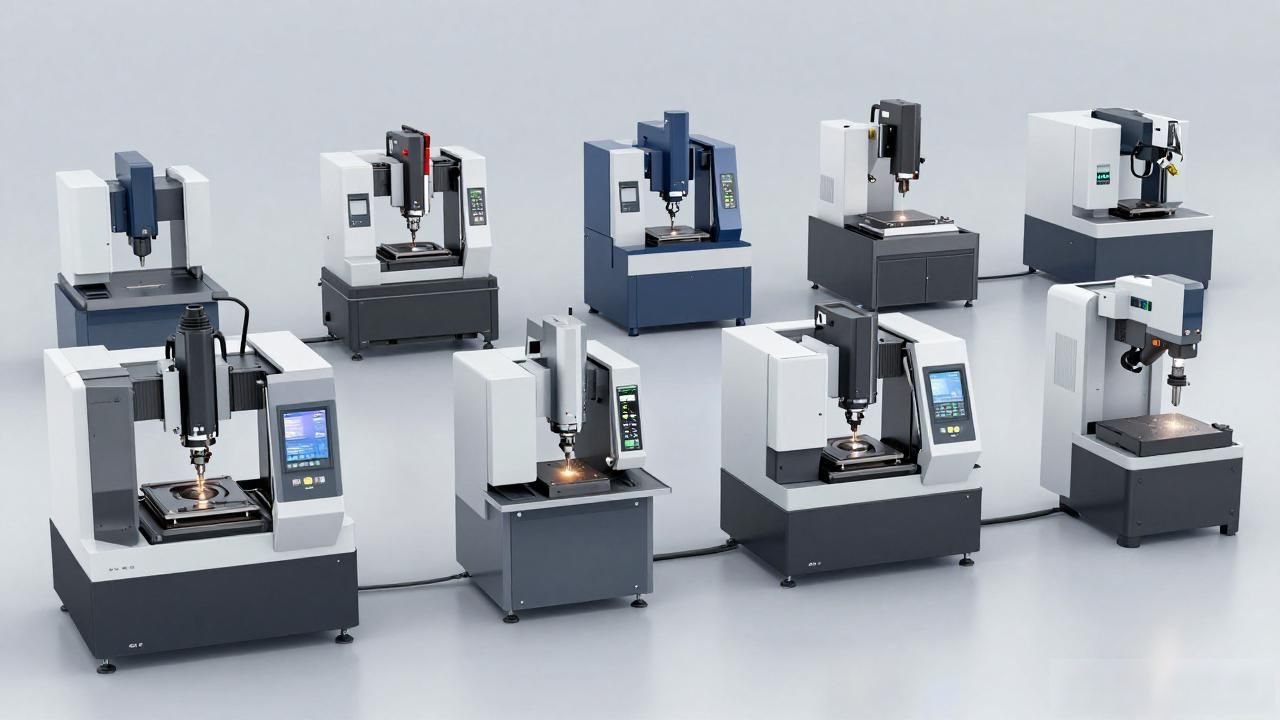
We are fully equipped with CNC lathes, gantry machining centers, surface grinders, honing machines, tapping machines and drilling machines. In this way, all work can be completed in this complete chain, from the rough machining step to the fine grinding process. This means there is no need to seek external collaboration support throughout the process.
There are 4 technicians and 2 senior engineers on site. Process stuck points and tool selection can be solved directly in the workshop without relying on remote guessing.
Price range and material coverage
The price of the core model ranges from 100,000 to 300,000, and the corresponding configuration needs to be selected based on the actual grinding workload and specific requirements for accuracy. Among the different types: chamfering, CNC, high-speed, profiling and universal, each type has a corresponding model to choose from.
This equipment has a full range of processing capabilities and can fully meet the processing needs of basic industrial scenarios such as hard metals, alloys, ceramics, glass, rubber and magnetic materials. This means that there is no need to configure a second equipment for assistance when using it.
Could you please tell me which level of precision bottleneck your factory is currently facing in the cylindrical grinding operation. Is it a problem that the roundness index exceeds the allowable limit, or is the surface roughness unable to meet the established standards? Please provide specific numerical information in the comment area here so that we can recommend a matching equipment model for you.




暂无评论内容