Tag: CNC

  • ①It Should Be Able To Ensure The Accuracy And Precision Of The Workpiece Being Processed.

    ①It Should Be Able To Ensure The Accuracy And Precision Of The Workpiece Being Processed.

    ①It should be able to ensure the accuracy and precision of the workpiece being processed.

    Many people, after receiving a CNC machining order, will be in a state of complete confusion. They have no clue how to calculate the price, and they are even more confused about why there are big differences in the quotations for the same parts. In fact, as long as we can understand the processing method and complexity, we can quickly judge whether the quotation is reasonable.

    Basic concepts of CNC machining

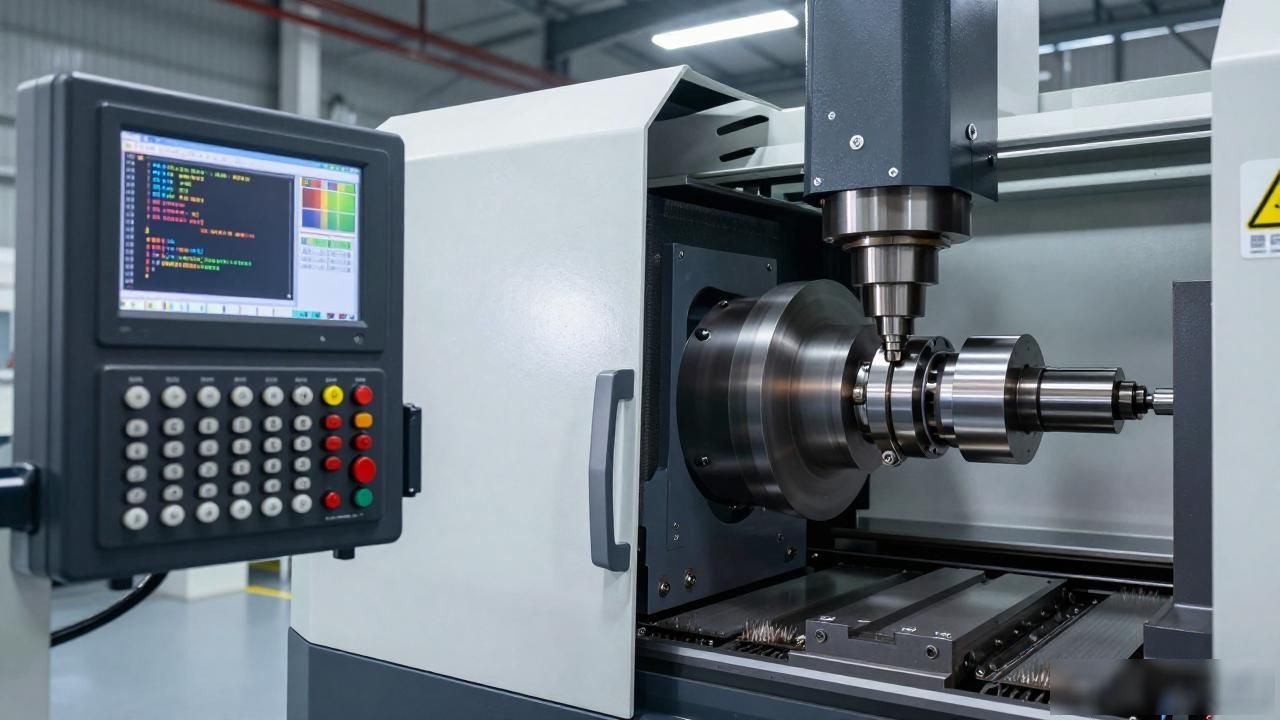
    A technology called computer numerical control, also known as CNC, means to use pre-written programs to control machine tools to carry out processing operations. This operation relies on the use of digital signals to command the tool to move according to a predetermined path, thereby achieving the purpose of accurately cutting materials such as metals and plastics. Compared with traditional manual operations, CNC machining can greatly reduce human errors and improve production efficiency. The operator only needs to input program parameters. The machine will automatically complete the complex processing process, which is the case.

    How G-code works

    数控铣加工_数控加工G代码_CNC加工服务报价

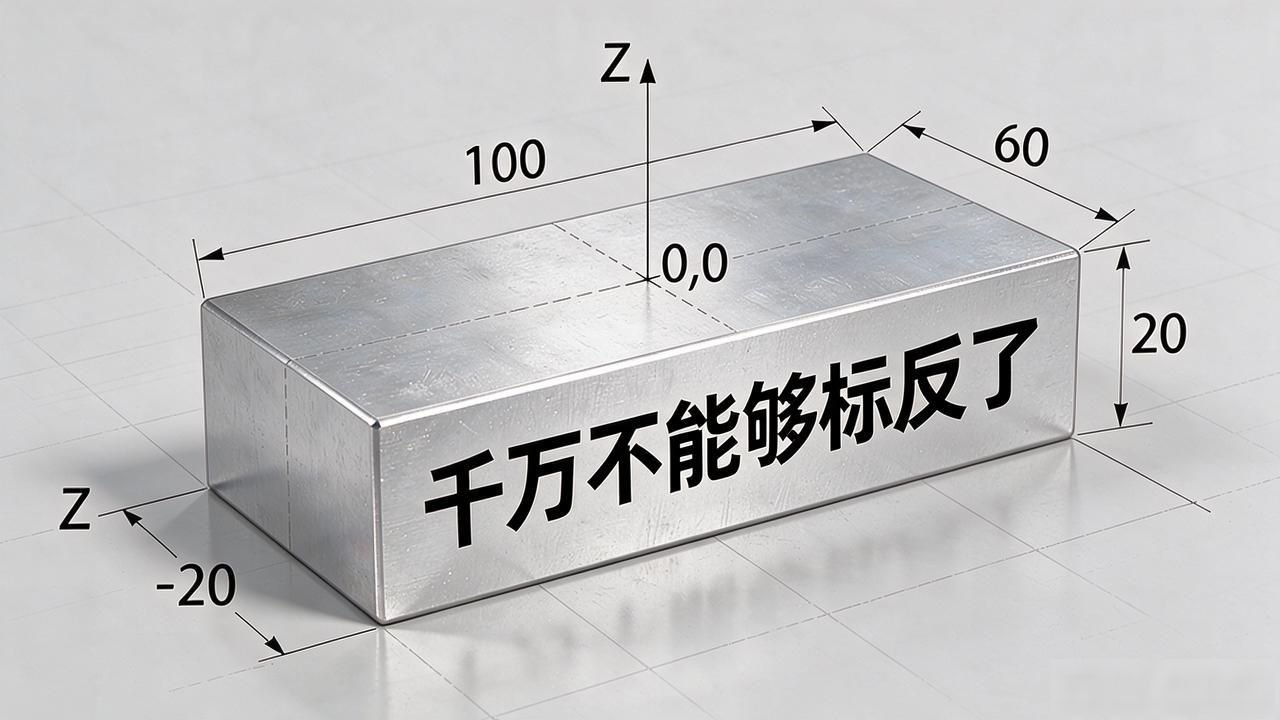
    The core programming language of CNC machining is G code, which is used to indicate the running path of the machine tool tool . Each G code instruction is associated with a specific action, such as moving to a specific coordinate point, starting the spindle, changing tools, etc. The programmer has to convert the part drawings into G code, and the machine tool can start processing only after receiving the instructions. Being familiar with the basics of G code is very helpful for communicating needs with processing plants more effectively.

    Stable and repeatable accuracy

    Compared with other processing methods, the significant advantage of CNC machining is its high precision and stability. After the program is successfully set, the dimensions of each part produced can be almost consistent, and there will be no deviations that easily occur during manual processing. This feature is particularly critical for mass production, ensuring that large quantities of products are uniform in quality. Many factories rely on CNC equipment to maintain high standards of product consistency. This is also an important reason for customers to make repeat purchases.

    Complex shapes can also be made

    Some parts have extremely complex external shapes that cannot be processed by hand. Parts such as curved surfaces, grooves, special-shaped holes, etc. are examples. CNC machining can easily handle this type of machining challenge. As long as the corresponding program instructions are programmed in advance, the tool can move along complex and diverse trajectories. This is indeed the most fundamental reason why CNC mechanical control processing is widely used in many fields such as mold manufacturing, aviation and aerospace. Even many CNC machining services quotes that were previously considered impossible to be completed manually, CNC can achieve this effect after using advanced CNC machining technology.

    Comparison of common processing methods

    数控铣加工_CNC加工服务报价_数控加工G代码

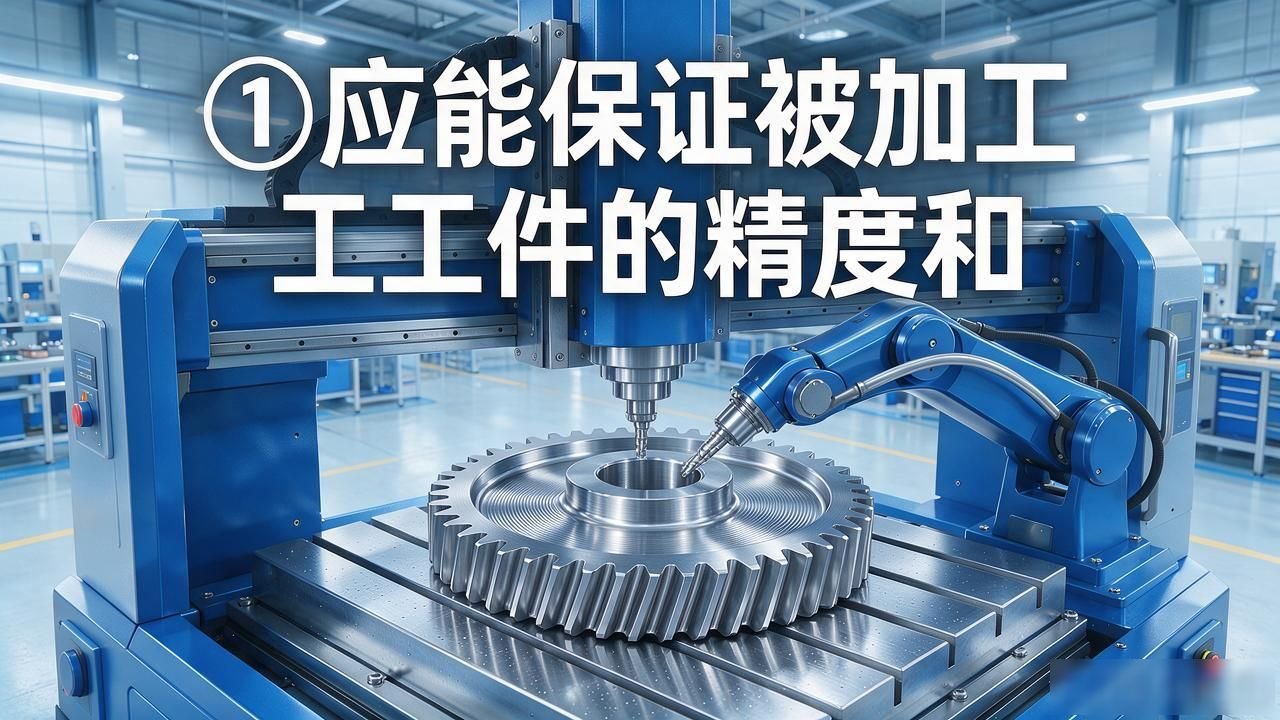
    CNC milling, CNC turning and wire cutting are the three most common CNC machining methods on the market. CNC milling is suitable for processing flat parts ① It should be able to ensure the accuracy and accuracy of the workpiece being processed. CNC lathes are specially used to process rotary parts. Wire cutting is excellent at processing hard materials or precise and small structures. Different processing methods are applicable to different scenarios. Only by choosing the appropriate method can the cost be controlled. Knowing these basics will help you make more informed judgments during the inquiry process.

    Reasons for quotation differences

    Among CNC machining services, there are large differences in quotations, which are mainly affected by many factors such as materials, quantity, and accuracy requirements. The harder the material and the higher the precision requirements, the longer the processing time will be and the cost will naturally rise. For large orders, the unit price will usually be lower because the setup cost can be diluted. It is recommended to provide clear drawings and technical requirements to the processing factory, so that it is easier to obtain an accurate and reasonable quotation.

    Which CNC machining method is suitable for your parts? Please leave a message in the comment area and discuss together.

  • ①It Should Be Able To Ensure The Accuracy And Precision Of The Workpiece Being Processed.

    ①It Should Be Able To Ensure The Accuracy And Precision Of The Workpiece Being Processed.

    ①It should be able to ensure the accuracy and precision of the workpiece being processed.

    How much will be lost if maintenance is not done properly?

    Many factory owners think that as long as the CNC milling machine tool can run, this is a very wrong idea. Decreased accuracy of CNC machine tools often begins with neglect of routine maintenance. By the time it is discovered that the machining dimensions of parts do not meet standards, it has already resulted in a large amount of scrap and material waste.

    For a milling machine tool with an accuracy of 0.01 mm, once the guide rails and screws lack lubrication for a relatively long period of time, the accuracy may be reduced to more than 0.03 mm within half a year. This will lead to a decrease in the product qualification rate, an increase in rework costs, and even an impact on the delivery schedule of the entire production line.

    Daily must-do checks

    Before starting the machine every day, the operator has to check the oil level of the lubricating oil tank to see if it meets the standard, and to see if the oil is clear and free of impurities. If you find that the oil level is lower than the minimum mark, you must replenish the specified lubricant type in time, and you must not mix different brands of lubricants at will.

    Checking the coolant concentration and checking the coolant level are also tasks that must be done every day. If there is not enough coolant, the life of the tool will be greatly shortened, and the quality of the workpiece surface will also deteriorate. However, if the concentration of the coolant is too low, the anti-rust effect will be reduced, and the metal parts inside the machine tool will easily rust and be corroded, thus affecting the life of the machine tool.

    Key maintenance contents every week

    CNC铣削机床日常保养_数控铣加工_数控加工G代码

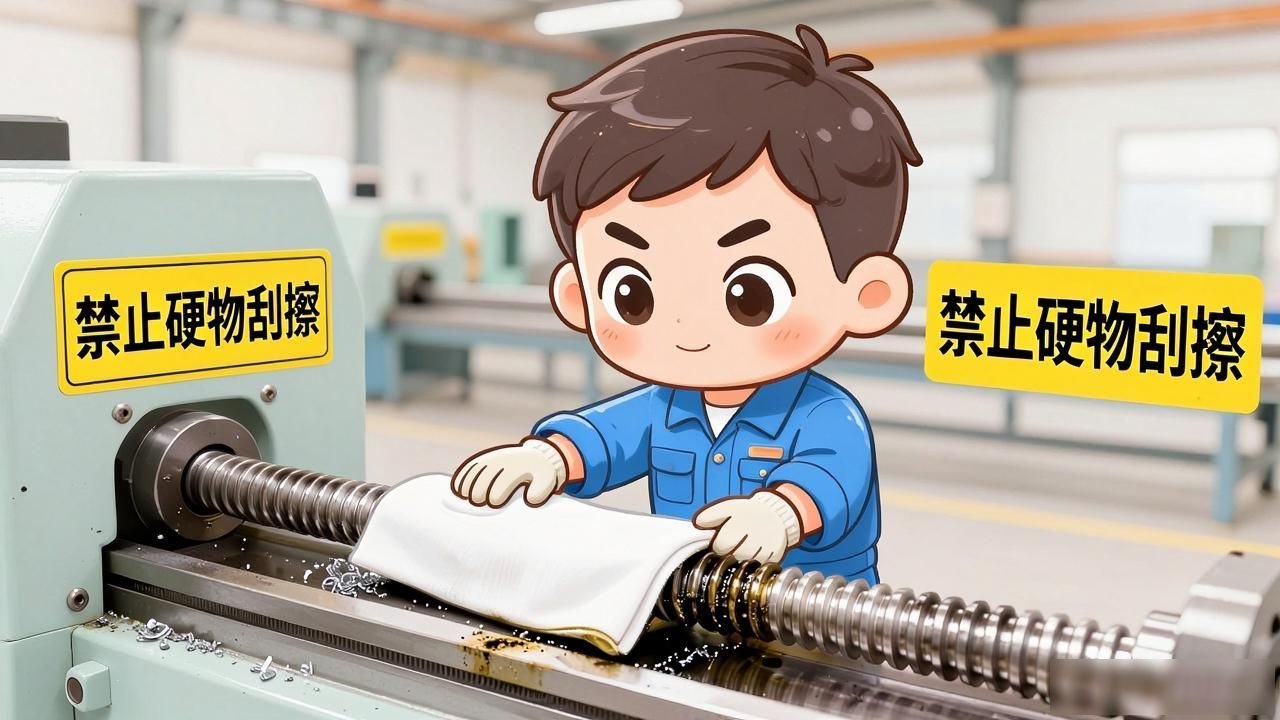
    Every week, a thorough cleaning of the machine tool guide rails and screws must be carried out. The accumulated metal shavings and old oil must be wiped off with a clean cotton cloth. During the cleaning process, do not use hard objects to scratch the surface of the guide rail, otherwise it will leave scratches and affect the sliding accuracy. This is a mistake that many novices easily make.

    Check whether the limit switches and travel stops of each axis are loose or displaced. If any abnormalities are found, make adjustments quickly until they are firmly fixed. At the same time, the chip accumulation inside the machine tool must be cleaned up, especially the chips surrounding the tool magazine and tool change mechanism. These residual metal chips will definitely affect the accuracy of the tool change action.

    Monthly in-depth maintenance points

    It is necessary to inspect the contact surface of the spindle taper hole and the tool shank every month, and use special cleaning agents to remove oil stains and tiny burrs. If the spindle taper hole is damaged or contaminated, the tool clamping will not be firm enough, resulting in vibration and jump during processing, which will have a direct impact on the processing accuracy and surface quality.

    Check whether the filter of the electrical cabinet fan is clogged and clean it to avoid poor heat dissipation. If an electrical component overheats, its service life will be shortened, or even a fault alarm will be triggered and the system shut down. At the same time, check each connecting cable for aging and damage. Once a hidden danger is detected, replace it immediately.

    Quarterly maintenance cannot be ignored

    Lubricating oil and coolant must be replaced every three months. If old oil is used, it will lose its lubrication performance and produce acidic substances to corrode the machine tool. When replacing, completely drain the old oil in the oil tank and oil circuit, wait until it is flushed with new oil, and then add new lubricating oil to ensure that the oil circuit is in a clean state.

    Check whether the machine tool level needs to be readjusted. Long-term operation may cause the anchor bolts to loosen. Use a precision level to check the level of the table. If the deviation exceeds 0.02 mm per meter, it must be leveled again. Otherwise, the machining accuracy and tool life will be affected.

    Establishing maintenance records is critical

    It is strongly recommended that every CNC milling machine tool should prepare a maintenance record book. The time of each maintenance must be recorded in detail. The content of maintenance also needs to be recorded in detail. Any problems found must also be clearly recorded. Doing so can not only help operators develop standardized habits, but also become a source of important troubleshooting clues when a fault occurs.

    It is necessary to indicate the model of the replaced parts and the brand of maintenance products in the record book to facilitate subsequent procurement and traceability. It is necessary to review maintenance-related records regularly and analyze the patterns of faults. Based on this, potential problems can be discovered in advance, and the maintenance status can be changed from passive response to proactive prevention.

    In your factory, what are the maintenance records for CNC machine tools? Have you ever suffered losses due to improper maintenance work? You are welcome to share your relevant experience in the comment area.

  • ①It Should Be Able To Ensure The Accuracy And Precision Of The Workpiece Being Processed.

    ①It Should Be Able To Ensure The Accuracy And Precision Of The Workpiece Being Processed.

    ①It should be able to ensure the accuracy and precision of the workpiece being processed.

    CNC machining accuracy can reach 0.01 mm. However, many factories choose the wrong service provider, which leads to batch scrapping and ultimately heavy losses.

    What is CNC machining

    CNC, which is abbreviated from Computer Numerical Control, is called computer numerical control in Chinese. It uses pre-written programs, usually using G code language, to control the operation of machine tools.

    G code is a CNC programming language with international universal characteristics. It will tell the machine tool which coordinate position it should move towards, at what speed it should move, and what the spindle speed is. This system can completely automate the machining process and does not require manual intervention.

    The core advantages of CNC machining

    Compared with traditional manual processing, the biggest advantages of CNC processing are accuracy and consistency. The tolerance of a part processed by a high-performance CNC machine tool can be controlled within 0.01 mm.

    CNC加工服务_数控加工G代码_数控铣数控车

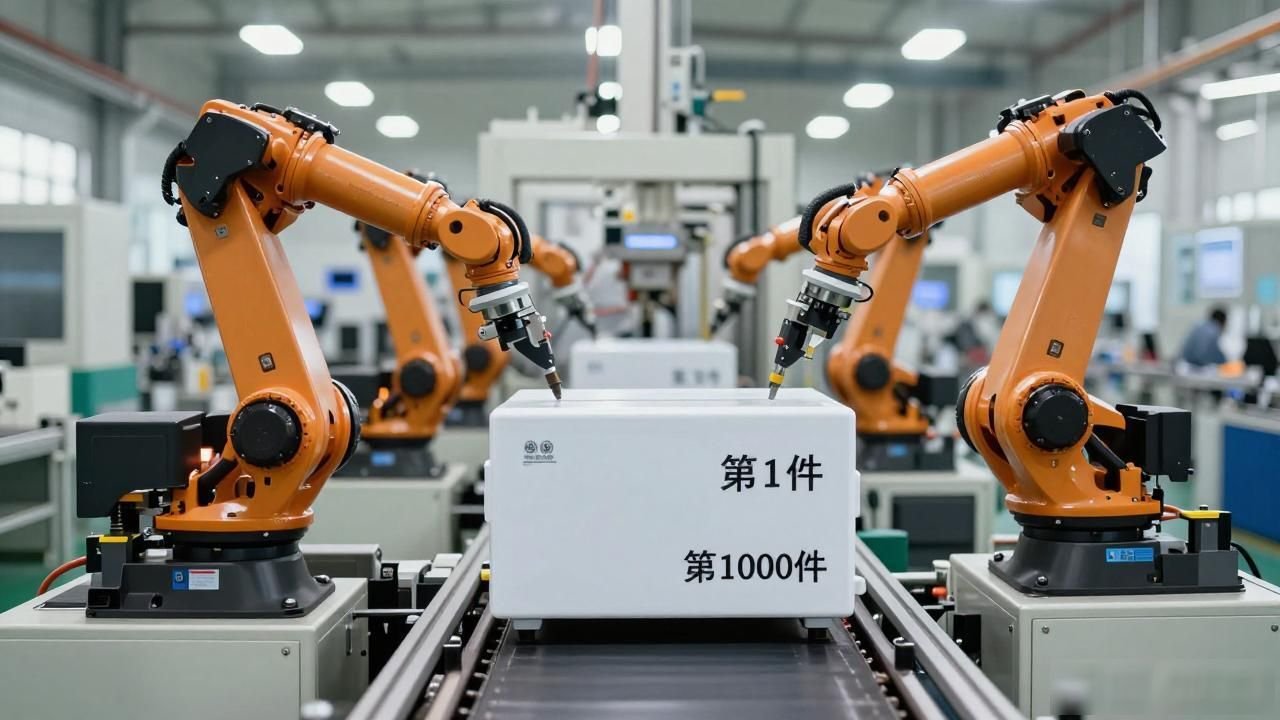
    More importantly, the first product is almost exactly the same as the thousandth product. This kind of repeatability is difficult to achieve by manual processing. This advantage is particularly significant when conducting large-scale production.

    Common CNC machining methods

    In machine shops, the three most common CNC machining methods are CNC milling, CNC turning and wire EDM. CNC milling is suitable for processing planes, slots, holes and other structures, while CNC turning predominantly focuses on rotary parts.

    Wire-cut EDM is good at processing hard materials and complex contours, such as molds and precision parts, all within its processing scope. These three methods cover most of the machining needs.

    How to choose a CNC processing service provider

    When choosing a CNC processing service provider, the first thing is to check its equipment configuration and processing capabilities. There is a situation where a five-axis linkage machining center can process complex curved surfaces, but a three-axis machine tool can only handle relatively simple structures.

    Secondly, we need to examine the quality control system, which covers testing equipment, testing processes, and quality control personnel. It has a good quality management system to ensure that every batch of products meets the standards.

    Cost structure of CNC machining

    数控铣数控车_数控加工G代码_CNC加工服务

    The cost of CNC processing is mainly composed of material fees, processing fees, mold fees and post-processing fees. Among them, the material fee is determined based on the size of the part and the type of material. There is a big difference in price between aluminum alloy and stainless steel.

    The processing fee is related to the processing difficulty and working hours. Complex structures contain more processes and the working hours are longer. Knowing the cost components assists in budget control.

    Application areas of CNC machining

    High precision and high reliability are the characteristics required for aerospace parts. CNC machining can meet such stringent requirements and is widely used in aerospace, automobile manufacturing, medical equipment, electronic communications and other fields.

    This is also the case in the field of medical devices. Precision parts such as implants must be processed according to CNC to reach standard levels. With the continuous advancement of technology, the scope of CNC machining applications continues to expand.

    For you, what kind of difficulties have you encountered when choosing CNC machining services ? You are welcome to discuss and share your personal experiences in the comment area.

  • ①It Should Be Able To Ensure The Accuracy And Accuracy Of The Workpiece Being Processed.

    ①It Should Be Able To Ensure The Accuracy And Accuracy Of The Workpiece Being Processed.

    ①It should be able to ensure the accuracy and accuracy of the workpiece being processed.

    The hidden bill behind accuracy

    Many people think that CNC machining is billed by the hour, but in fact it is not that simple. The key to CNC technology is the complex G-code program, which controls the precise movement of the tool within the Cartesian coordinate system. This is not just a machine operation, but also a manifestation of intellectual investment.

    Those engaged in programming must calculate the feed rate and spindle speed, and also take the coolant and tool change time into consideration. Every subtle parameter adjustment will actually have a direct impact on the qualification rate of the final product. If someone does not understand these complicated details, then when making a quotation, it is very easy to lose profits due to hidden expenses, causing the overall budget to get out of control.

    The value of efficiency and repeatability

    The most prominent advantage of CNC machining is its high precision and repeatability. Once the program is properly set, tens of thousands of parts can maintain a completely consistent state. This stability is crucial for industries such as automobiles and medical care, because it is difficult to achieve this level of tolerance control through manual machining.

    But this does not mean that there are no cost fluctuations. Equipment depreciation is a fixed expense, tool wear is a fixed expense, and energy consumption is also a fixed expense. When production increases, the cost per unit will decrease rapidly, which is the effect of economies of scale. Only by understanding this can we reduce unit prices and improve overall competitiveness by optimizing scheduling in mass production.

    Premium logic for complex shapes

    数控铣数控车_CNC铣削成本分析模型_数控加工G代码

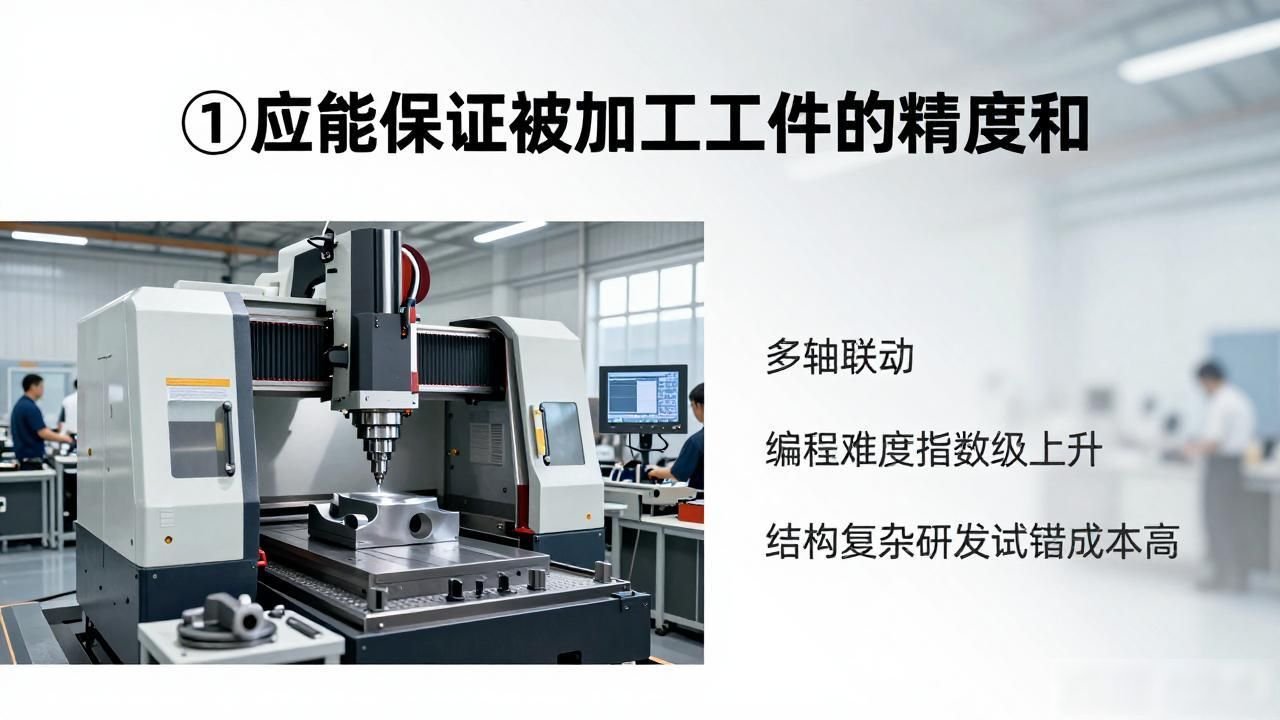
    Complex shapes that cannot be achieved by manual processing are exactly what CNC milling is good at. For example, curved surfaces, deep holes, and special-shaped structures all require multi-axis linkage to complete. With each additional degree of freedom, the difficulty of programming and the requirements for machine tools increase exponentially. Therefore, the more complex the structure, the higher the cost of R&D and trial and error at the beginning.

    Customers who only see the final exquisite parts ignore the large amount of simulation time consumed behind them. In order to ensure that the tool does not crash and the tool is cut continuously, the engineer has to repeatedly verify the path. This part of the hidden man-hour is an important part of the cost, so when evaluating the quotation, the complexity factor must be fully taken into account.

    Cost Differences in Common Processes

    In a typical situation in a machine shop, CNC milling, CNC turning and wire cutting are the three most common methods. CNC milling is suitable for plane and cavity processing, and is quite versatile but wears tools quickly. CNC turning is specialized in rotary parts, with extremely high efficiency and high material utilization.

    EDM wire cutting is used for carbide or precision narrow gaps, which is slow but extremely accurate. The choice of different processes directly determines the output rate per unit time. If you blindly pursue high precision and then choose high-cost processes, the project will result in meager profits. Only with a reasonable combination of processes can we control the bottom line of costs while ensuring quality.

    Consumption of tools and consumables

    数控加工G代码_CNC铣削成本分析模型_数控铣数控车

    Don’t ignore those small tools and coolants. The impact force produced by the high-speed rotating spindle on the tools is extremely huge. Carbide drills or end mills are in a state of continuous wear and tear. Frequent replacement of tools not only results in longer downtime, but also increases procurement costs. The management of coolant cannot be underestimated, as it will have an impact on heat dissipation and chip removal.

    Among some tools that appear to be relatively cheap, their service life is extremely short, but this actually causes the cost of each unit to be increased. To create a scientific tool life database and match the best tool according to material hardness can significantly reduce waste. Refined management of these consumables is one of the key and important links in building an accurate CNC milling cost analysis model .

    How to optimize your machining budget

    When enterprises face complex cost structures, they need to establish dynamic analysis models. They should not just pay attention to the hourly rate, but should pay attention to the entire investment in a single run, including clamping time, programming time and idle running time. These are all links that can be optimized.

    By standardizing libraries of commonly used parts, opportunities for repetitive programming can be reduced. At the same time, regular maintenance of machine tools can ensure stable accuracy and reduce scrap rework. Only by quantifying every detail can we build an accurate CNC milling cost analysis model and then control the pricing initiative in the fierce market competition.

    When you are working on your project, whether the time taken up by programming is more expensive in terms of money, or whether the loss of tools brings you more trouble, which is really confusing. Hurry up and leave a message to exchange.

  • ①It Should Be Able To Ensure The Accuracy And Accuracy Of The Workpiece Being Processed.

    ①It Should Be Able To Ensure The Accuracy And Accuracy Of The Workpiece Being Processed.

    ①It should be able to ensure the accuracy and accuracy of the workpiece being processed.

    Many people think that CNC machining is just pressing buttons. In fact, the logic behind it is very profound. The G code is like the baton, accurately controlling every movement of the tool in the three-dimensional space. Starting from Cartesian coordinates to feed speed and then to spindle speed, every step must be error-free. This kind of precision is completely incomparable to manual work, and it is still a vital core competitiveness of modern manufacturing.

    The importance of standardized processes

    To create a complete set of quality manuals, the first thing to do is to clarify the standard operating procedures. This is not a simple accumulation of documents, but a specification for the entire production process. From the entry of raw materials into the warehouse to the shipment of finished products out of the warehouse, every link must have rules and regulations. Only by achieving standardization can we ensure the consistency of different batches of products and reduce risks caused by human errors.

    Personnel training and management mechanism

    数控铣数控车_数控加工G代码_CNC加工厂质量手册

    No matter how good the equipment is, it still requires people to carry out relevant operations. This shows how critical the human factor is. The quality manual must contain a very detailed training plan, which can ensure that operators accurately and skillfully master G-code programming and equipment maintenance skills. Implementing regular assessments and implementing the skill improvement mechanism CNC processing factory quality manual can maintain the team's high-level operation status and avoid corresponding technical faults and quality fluctuations caused by personnel turnover.

    Precision Equipment Maintenance Strategies

    CNC milling equipment ① should be able to ensure the accuracy and precision of the workpiece being processed, and requires careful care. CNC turning equipment also requires careful care, and wire cutting equipment also requires careful care. The quality manual needs to stipulate regular maintenance cycles, and the quality manual should also stipulate inspection items. Coolant replacement CNC machining factory quality manual is a detail that needs attention. Tool wear detection is one of the details that determines the condition of the equipment. Spindle accuracy calibration is also a detail that affects the equipment. These details determine the life of the equipment. These details also determine the machining accuracy. Preventive maintenance can save costs more than after-the-fact maintenance, and preventive maintenance can better ensure production continuity than after-the-fact maintenance.

    Complex parts processing challenges

    数控铣数控车_CNC加工厂质量手册_数控加工G代码

    When faced with parts with complex shapes, manual processing often feels at a loss, but CNC can handle it with ease. However, this also creates difficulties in programming and process design. The quality manual should include handling measures corresponding to special processes and formulate unique testing standards and processing parameters for parts with unconventional shapes to ensure that complex structures can also meet extremely high dimensional accuracy requirements.

    The core value of repeatability

    The most prominent advantage of CNC machining is its repeatability. Once the program is debugged to a flawless and perfect state, thousands of parts can maintain the exact same state. This means a great improvement in efficiency and stable and reliable quality for mass production. In the quality manual, the importance of program locking and data backup must be highlighted to prevent large-scale scraps caused by incorrect operations.

    In your opinion, in the field of CNC machining, is the accuracy of programming more important, or the mechanical accuracy of the machine tool itself is more critical? You are welcome to leave a message in the comment area for discussion. By liking and sharing, more people can see it.

  • ①It Should Be Able To Ensure The Accuracy And Precision Of The Workpiece Being Processed.

    ①It Should Be Able To Ensure The Accuracy And Precision Of The Workpiece Being Processed.

    ①It should be able to ensure the accuracy and precision of the workpiece being processed.

    Say goodbye to feelings

    Many masters adjust parameters based on experience and lack the confidence to calculate CNC turning cutting parameters . In fact, this is extremely dangerous and can easily lead to tool chipping or surface roughness. Only by mastering scientific calculation methods can each cut be made accurate and effective.

    Look at the core materials

    There is a big difference in the hardness of different materials . CNC turning cutting parameter calculation , so the parameters must be adjusted. Stainless steel is more difficult to cut than aluminum, so the rotational speed needs to be reduced, and the feed speed must also be slowed down. Only by selecting the right parameters for CNC turning cutting parameter calculation can the wear of the tool be reduced and the service life of the equipment be extended.

    Speed ​​is particular

    CNC车削切削参数计算_数控加工G代码_数控铣数控车

    The spindle speed is not unlimited, the higher the better, it has to be viewed according to the tool diameter. There is a formula that is simple and can be found by dividing the linear velocity by the circumference. A reasonable rotational speed can avoid vibration, thereby making the cutting process more stable. ① It should ensure the accuracy and accuracy of the workpiece being processed, and make the sound more pleasant.

    Feed is the key

    The surface finish is affected by the feed speed, and the production efficiency is also affected by the feed speed. If it is too fast, the tool will break easily, and if it is too slow, the efficiency will be low. Calculate based on the number of tool edges and the feed amount per tooth to find a balance point. Only in this way can the quality be guaranteed.

    The depth of cut should be moderate

    The size of the cutting force is determined by the amount of back cutting and side cutting. More cutting can be done during rough machining, while less cutting is required for finishing. Proper distribution of the margin can not only protect the machine tool spindle, but also ensure that the part size meets standard requirements.

    Practice brings true knowledge

    After completing the theoretical calculations, it is necessary to carry out computer verification work. Observe the color and sound of the iron filings, and fine-tune the parameters until they are perfect. By accumulating experience and building your own database, it will be much faster to process similar parts in the future.

    Do you think that in CNC machining, is the rotation speed more important, or the feed speed? You are welcome to leave a message to start a discussion, and give a like to share so that more colleagues can benefit.

  • ①It Should Be Able To Ensure The Accuracy And Accuracy Of The Workpiece Being Processed.

    ①It Should Be Able To Ensure The Accuracy And Accuracy Of The Workpiece Being Processed.

    ①It should be able to ensure the accuracy and accuracy of the workpiece being processed.

    What are you most afraid of when engaging in CNC machining? That is choosing the wrong tool path, which will lead to scrapped parts or very low efficiency. Many people think that as long as the machine tool is good enough, it is enough. In fact, programming strategy is the key. Just today, I’m going to talk about those tool path types that give masters a headache but are inseparable from CNC milling tool path types , to help you avoid the pitfalls.

    Secrets of commonly used paths

    Although G code is boring and boring, it controls how the machine tool moves. Common paths include following the periphery, parallel milling, and radial. Each path has its own unique application scenario, and it cannot be adopted just by selecting it.

    Novices often have difficulty distinguishing the differences between them, resulting in uneven surface quality. Knowing these basic types is the first step towards becoming a master of CNC milling tool path types , and it is also a key point in ensuring accuracy.

    The magic of following your surroundings

    This path is suitable for processing irregular contours. The tool will travel close to the edge of the part. It can obtain a good finish on the side wall, which is especially suitable for the finishing stage after roughing.

    CNC铣削刀具路径类型_数控加工G代码_数控铣加工

    For complex shape conditions, manual programming is basically impossible to complete, but CNC can handle it relatively easily. With the reasonable settings around the instrument, it can be ensured that the tool always runs according to the established trajectory, thereby reducing the occurrence of tool empty running and thus improving the overall processing efficiency.

    Choice of parallel and radial

    The CNC milling tool path type using parallel milling is like cutting tofu in parallel. It is suitable for machining regular large planes. The efficiency is relatively high and the work is very uniform. However, residual material is easy to be left in the corners.

    The radial shape is a situation of spreading from the center to the outside, or converging from the outside to the inside. It has significant advantages in the process of processing the cavity. It can prevent the tool from staying at the center point for too long, thus protecting the tool life.

    The power of the spiral knife

    Traditional vertical cutting is prone to tool breakage, while spiral cutting, like using screws when drilling, cuts in slowly. This cutting method is more uniform in force, and the pressure generated by the spindle and the tool is much smaller in comparison, so it is extremely suitable for deep cavity processing.

    A large number of current machine tools support such intelligent path setting ① which should ensure the accuracy and accuracy of the workpiece being processed. By adjusting the spiral diameter and step distance, and following the relevant content, you can find the optimal parameters that best suit the current material and tool, thereby achieving twice the result with half the effort.

    Path decision accuracy

    CNC铣削刀具路径类型_数控铣加工_数控加工G代码

    What directly affects the dimensional accuracy and surface roughness of the final part are different path types. If you choose the wrong path, even if the machine tool has extremely high precision, you will not be able to produce high-quality products.

    This requires programmers to be familiar with the characteristics of various materials. The processing path parameters of aluminum alloy are completely different from those of stainless steel. Blind application of templates will definitely lead to catastrophic consequences.

    Summary of practical experience

    Don't just focus on theory, try different path combinations more than actual operations. Pay attention to the various conditions of tool wear and the effect of chip removal, and continuously adjust relevant parameters, so that you can accumulate experience.

    Remember, there is no best path, only the most suitable path. Flexible selection based on part shape, material hardness and machine tool performance is the core competitiveness of CNC machining. Which path do you think is the most difficult to control? Welcome to leave a message to start a discussion.

  • ①It Should Be Able To Ensure The Accuracy And Accuracy Of The Workpiece Being Processed.

    ①It Should Be Able To Ensure The Accuracy And Accuracy Of The Workpiece Being Processed.

    ①It should be able to ensure the accuracy and accuracy of the workpiece being processed.

    Many people think that CNC is simply drilling holes. In fact, it is more complex than you realize. It has extremely high precision and can produce repeatedly. This is an advantage that manual operation cannot match. Whether it is precision parts or complex shapes, it can be easily completed.

    The core principles of CNC

    Using code to control machine tools is the essence of CNC. Programmers write G codes to command the tool to move in three-dimensional space. This is like giving precise instructions to the machine, so that the machine can clearly know in which direction it should move and at what speed.

    This kind of automated control makes the machining process completely digital. The feed speed of the tool is strictly set, the spindle speed is also strictly set, and the coolant and tool changing actions are automatically triggered by the program, without the need for manual intervention, and the efficiency is greatly improved.

    High accuracy and repeatability

    CNC加工服务包括哪些内容_数控加工G代码_数控铣数控车

    The outstanding selling point of CNC machining is stability. Once the program is debugged, there is almost no difference between the first product and the hundredth product. This consistency is extremely critical for mass production and completely solves the problem of manual errors.

    The precision of parts can reach the micron level, which shows that even extremely small parts can meet stringent assembly requirements. For industries such as automobiles and aviation, this repeatability is the foundation for ensuring product quality!

    Break through shape limitations

    The curves of some parts are so complex that it is impossible to cut them with hand tools. Otherwise, even if they are made, they will be distorted and out of shape. CNC can handle various complex contours and curved surfaces with ease. It will not have any relevant impact on the worker's feel. As long as there are no problems with the design drawing, it can perfectly restore it.

    This means that designers are no longer within the constraints of manufacturing difficulty. Complex geometric structures can be directly converted into codes. Many components that need to be put together through several processes in traditional processes can now be formed in one clamping, greatly simplifying the production process.

    Common processing methods

    CNC加工服务包括哪些内容_数控铣数控车_数控加工G代码

    CNC milling is the most common in workshops. It uses rotating tools to remove material and is suitable for processing flat surfaces, slots and complex cavities. Milling machines have strong flexibility and are the main force in most machining workshops. Their application range is extremely wide.

    Next is the CNC lathe, which mainly processes rotary parts. Shaft parts and disc parts are most efficiently processed on lathes. In addition, there is wire electric discharge cutting, which is specially used to deal with high-hardness metal materials. It uses electrode wire discharge to erode the material, and its accuracy is extremely high.

    Current status of industry popularity

    Now, a workshop with CNC capabilities has become a must-have equipment, facilities, facilities, etc. From large-scale manufacturing companies to small-scale processing plants, almost everyone is using this technology. It is no longer exclusive to high-end, but an infrastructure facility for modern manufacturing. Mastering CNC technology means mastering the entrance channels, methods, methods, etc. for efficient production.

    According to the development trend of technology, CNC is transforming in an increasingly intelligent direction. New processes such as five-axis linkage are constantly emerging, and its processing range and accuracy are constantly breaking through the limits. Knowing these relevant contents can help enterprises choose more appropriate processing solutions, thereby reducing costs and enhancing competitiveness.

    Which CNC processing method will cause you the most headache? In your opinion, you are welcome to leave a message in the comment area to discuss and communicate with each other. By liking and sharing, more colleagues can benefit from it.

  • ①It Should Be Able To Ensure The Accuracy And Precision Of The Workpiece Being Processed.

    ①It Should Be Able To Ensure The Accuracy And Precision Of The Workpiece Being Processed.

    ①It should be able to ensure the accuracy and precision of the workpiece being processed.

    Common difficulties in inner hole processing

    Internal hole machining is a technically demanding step in CNC turning. In 2025, there was a precision machinery factory in Suzhou. Its relevant data showed that the inner hole size did not meet the standards, accounting for 37% of the total waste in the workshop. The main problems involve difficulty in chip removal, insufficient cooling, and tool vibration. The operator needs to understand the material and hole depth of the workpiece in advance, and then formulate a corresponding strategy. For example, when processing deep holes in stainless steel, chip breakers and high-pressure cooling systems are indispensable configurations. Otherwise, chip entanglement and poor surface roughness will easily occur.

    Tool selection and clamping

    Choosing an internal hole turning tool will directly affect the processing efficiency and accuracy. Solid carbide boring tools are often used for small holes with a diameter less than 20mm, which have good rigidity and vibration resistance. In 2024, a mold factory in Dongguan increased the internal hole processing life from 80 pieces to 220 pieces by switching to coated inserts. When clamping, the overhang length of the tool should be as short as possible, and is generally controlled within 1.5 times the hole diameter. Excessive overhang will cause the tool holder to vibrate, resulting in vibration marks and dimensional deviations. Using a spring collet or hydraulic tool holder can significantly improve the rigidity.

    Cutting parameter setting principles

    数控铣数控车_数控加工G代码_CNC车削内孔加工要点

    During the machining process, the cutting speed, feed amount and depth of cut need to be coordinated. When processing the inner hole of aluminum alloy, the linear speed is recommended to be in the range of 150 to 250 meters per minute, and the feed rate is 0.1 to 0.2 mm per revolution. If processing quenched steel, the speed needs to be reduced to 60 to 80 meters per minute. At the same time, the feed amount is halved. In 2023, ① should be able to ensure the accuracy and precision of the workpiece being processed. A company in Ningbo found through orthogonal experiments that when the depth of cut exceeds 0.5mm, the cylindricity error of the inner hole will increase significantly. Therefore, it is recommended that the depth of cut be controlled at 0.3 to 0.5mm during rough machining and 0.1 to 0.2mm during finishing. And leave a margin of 0.05mm for making a light knife.

    Cooling and chip removal techniques

    During internal hole machining, the coolant must be sprayed directly towards the cutting zone. In 2025, a company in Changzhou uses a high-pressure internal cooling system (pressure is 5MPa), which increases the chip removal efficiency by 60% and extends the tool life to 1.8 times. For blind hole processing, pulse cooling can be used, that is, cooling is paused every few millimeters of processing, so that chips can be flushed out. If you are machining cast iron, dry cutting is more advantageous than wet cutting because the coolant may cause the cast iron chips to mix with the cutting fluid and turn into a sludge. This muddy object may clog the chip chute.

    Dimensional control and inspection methods

    The control of the inner hole size relies on real-time detection. During processing, an inner diameter dial indicator or a pneumatic measuring instrument is often used. In 2024, the Jinan factory introduced an online measurement system. The workpiece diameter accuracy is steadily maintained within the IT6 level. The operator must measure once after rough machining, after semi-finishing, and after finishing. Record the data and observe its trend. Changes in temperature have a significant impact on the hole diameter. The same process size may differ by 0.01 – 0.02mm in summer and winter, and the compensation value needs to be adjusted based on room temperature.

    Frequently asked questions and solutions

    Tool overhang and spindle runout are the first things to check when vibration marks appear on the surface of the inner hole. Loose tools, worn chucks, and unlocked blades are all common causes. In 2023, an auto parts factory in Guangzhou observed that the inner hole roughness of a certain batch exceeded the key points of standard CNC turning inner hole processing . The reason was that the blade was worn by 0.03mm. If the hole diameter is too large or too small, it needs to be checked whether the tool nose radius compensation value in the program is accurate. Low coolant concentration can also lead to increased cutting heat, triggering thermal expansion, cooling and shrinkage after machining, resulting in smaller hole diameter.

    During the actual processing, have you ever encountered a situation where the surface roughness of the inner hole suddenly deteriorates? How did you check it and how did you solve it? Please leave a message in the comment area to share your experience, like and bookmark this article so that you can check it at any time.

  • Shenzhen Shiyan CNC Five-axis CNC Programming Training Class | Complete Factory-style Teaching

    Shenzhen Shiyan CNC Five-axis CNC Programming Training Class | Complete Factory-style Teaching

    Shenzhen Shiyan CNC five-axis CNC programming training class | Complete factory-style teaching

    Complete factory-style teaching restores the real workshop

    五轴加工技术人才短缺_完全工厂式教学 学习即上岗 毕业具备真实工作能力_深圳石岩CNC五轴数控编程培训班

    Stepping into the teaching venue of Shenzhen Shiyan CNC five-axis CNC programming training class, you will feel like you have stepped into a precision processing factory. The machine tools are neatly arranged, including tool racks, fixture tables, and measuring cabinets. Operating specifications and process cards are posted on the workstations. Students clock in on time every day, wear work clothes and goggles, and start learning by preparing materials. This arrangement is not just for decoration, but to allow students to adapt to the factory environment in advance. Many training institutions only teach software operations. When students arrive at the company, they dare not even touch the machine tools. Shiyan training directly breaks through this pain point.

    Each five-axis machining center in the teaching area is a running device and is not a display model. From the first day, students need to touch real machine tools and understand basic operations such as spindle speed, coolant switch, and tool magazine change. The instructor will lead the students through the entire production line and explain the connection logic of each link. This immersive environment enables trainees to develop factory habits during training, and they no longer need to spend time adapting to a new environment after graduation.

    Real drawings come from corporate orders

    The drawings used in Shi Yan’s training class are not the standard parts in the textbook, but real orders obtained directly from cooperative companies. These parts cover precision brackets on medical devices, complex casings in automobile gearboxes, drone motor mounts, and special-shaped connectors on automation equipment. Each drawing contains tolerance requirements for actual production, surface roughness markings and special process instructions. When practicing, students are not drawing virtual models, but solving real technical problems faced by the company.

    深圳石岩CNC五轴数控编程培训班_五轴加工技术人才短缺_完全工厂式教学 学习即上岗 毕业具备真实工作能力

    For example, there is a drawing about an aerospace aluminum alloy part, which requires five-axis simultaneous machining. The tool path needs to avoid interference areas on four sides. Students must analyze the clamping plan themselves, calculate the overhang length of the tool, write the program and conduct trial cutting directly on the machine tool. If there is a collision in the tool path or the dimensions are out of tolerance, the machine tool will alarm or the part will be scrapped. Such real feedback cannot be given by any software simulation. After practicing with dozens of real drawings, students have mastered the processing methods of different materials and different accuracy levels.

    Process arrangements are strictly implemented in accordance with enterprise procedures

    In Shiyan's training class, students are not finished just after learning programming, but have to go through the complete production process. After receiving the drawings, the first step is process review, which involves determining the clamping reference plane, selecting the positioning method, and designing the fixture plan. The second step is tool selection. Based on the material hardness and processing characteristics, decide whether to use a ball-nose tool or a round-nose tool, and calculate reasonable cutting parameters. The third step is to write a program sheet, which covers information such as tool path trajectory, speed feed, cooling method, and inspection frequency.

    These steps are completely consistent with the daily routine of engineers in regular factories. The instructor will regularly inspect the students' craft cards and point out any unreasonable aspects. For example, if there is a deep cavity part, if the tool length is not enough, it will cause vibration. Then the student must redesign the lengthened tool holder or adjust the machining strategy. Students will also learn how to judge tool wear, when to change tools, and how to add tool life monitoring into the program. After such training, trainees will already have the ability to independently prepare complete process documents when they graduate.

    Real machine real processing rejects pure software simulation

    五轴加工技术人才短缺_完全工厂式教学 学习即上岗 毕业具备真实工作能力_深圳石岩CNC五轴数控编程培训班

    The core concept of Shiyan training courses is "you can do it after learning", so it is determined not to carry out pure software simulation teaching. Every program written by students requires machine processing, and the processing materials are real aluminum blocks, real steel materials, and real quenched hard materials. When machining is performed for the first time, the instructor will stand aside to provide guidance. He must observe whether the tool path is smooth and listen to the sound of the spindle to determine whether the cutting is normal. If there is a problem with the program, and the machine tool overcuts or collides with the tool, the trainee can witness the consequences with his own eyes, and this lesson will be unforgettable for a lifetime.

    Another benefit of real machining is that students can accumulate practical experience. For example, RTCP functions, which are common in five-axis machining, appear to be in perfect condition when viewed in the software. However, on actual machine tools, dimensional deviations may occur due to inaccurate tool length compensation. After repeated debugging, students have learned how to calibrate tool length and how to deal with tool pendulum errors. These details can be seen once inspected during factory interviews. Students with real machining experience are obviously more confident.

    深圳石岩CNC五轴数控编程培训班_五轴加工技术人才短缺_完全工厂式教学 学习即上岗 毕业具备真实工作能力

    The teaching rhythm is run according to the factory work mode

    The daily time plan of Shiyan's training class is strictly based on the factory's production rhythm. The morning meeting will start at 8 a.m., and the instructor will arrange the tasks for the day and emphasize safety precautions. Three hours in the morning will focus on programming and process analysis, and four hours in the afternoon will be all practical operations on the machine tool. Students need to manage their own time and complete the complete process from programming to processing within the specified hours. If the product is not completed due to low efficiency, they have to work overtime to make up for it. This rhythm cultivates the professional quality of the students.

    Students also learn to fill in various production reports, such as daily processing reports, tool usage records, and quality inspection forms. These documents are part of daily management in enterprises, but many training courses do not teach them at all. Shiyan Training integrates these details into teaching to make students familiar with the factory's management system. Upon graduation, students not only have strong technical skills, but also know how to cooperate with production plans and how to hand over to the next process. These are soft skills that companies value.

    The lecturer team is all from the front line of the factory

    Shi Yan, a training class instructor with more than five years of experience in five-axis machining, has worked as a programming engineer or process supervisor in medical device companies, auto parts companies, and aviation manufacturing companies. They not only teach theory, but are also good at solving unexpected problems that arise during actual production. For example, when chatter marks appear during the machining process, the instructor will analyze whether the tool rigidity is insufficient or the cutting parameters are unreasonable, and then immediately provide an adjustment plan. Such experience comes from thousands of hours of on-site practice and cannot be learned from books.

    The lecturer will share the technological trends in the industry and the common pitfalls in the industry. For example, some materials are prone to stress deformation during processing. In this case, it is necessary to reserve a roughing allowance before finishing. There are also differences in the post-processing configurations of different brands of machine tools, and how to avoid program transmission errors. These knowledge points are the focus of corporate recruitment. Students can receive guidance from senior engineers in the industry in the classroom, which is equivalent to accumulating career connections in advance.