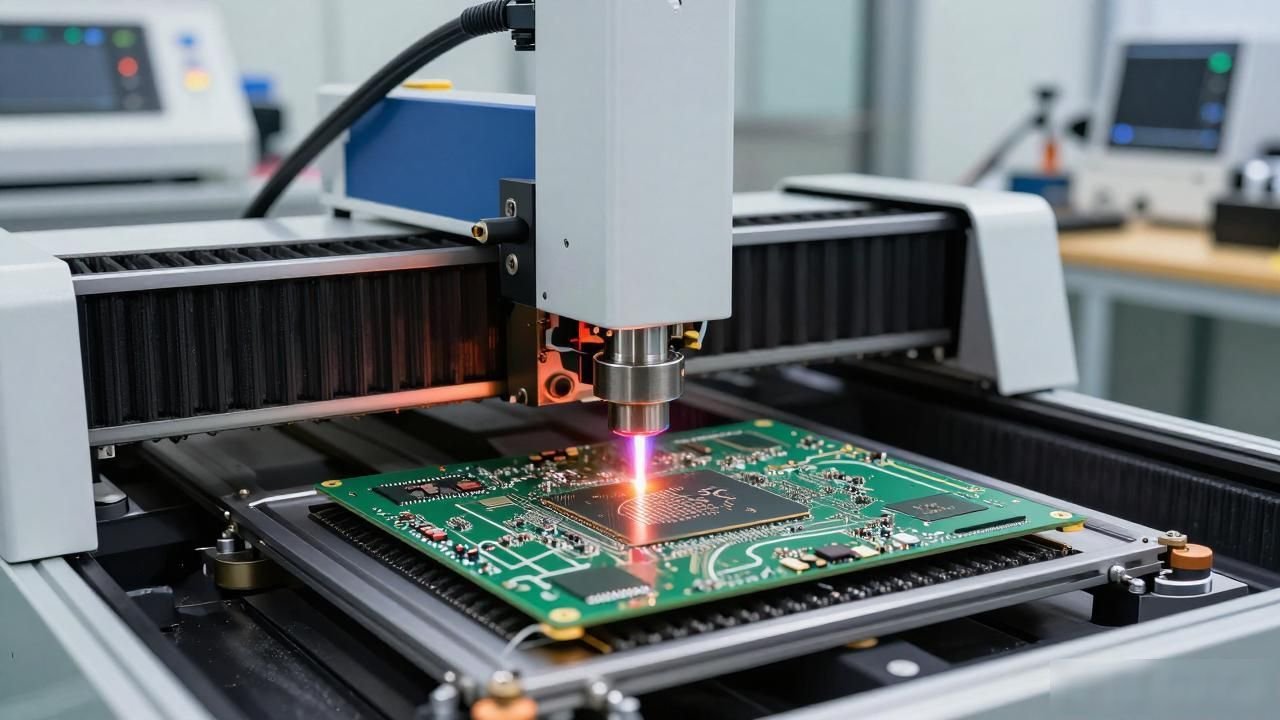


What are the applications of laser precision processing?
The accuracy of laser cutting of medium-thick plates has long been maintained at the sub-millimeter level, resulting in a fundamental mismatch between the riveting and welding processes and the cutting process. This matter, during 2026, has become a serious problem that many sheet metal processing factories have the most headaches and the most difficult to deal with.
Where is the bottleneck in cutting precision of medium and thick plates?
In 2026, the domestic optical fiber cutting accuracy for medium-thick plates was mainly concentrated in the range of 0.1 to 0.5 mm. When the thickness of the plate exceeds 12 mm, the scope of the heat-affected zone will expand. At this time, it is particularly common for the cutting seam to deviate and reach more than 0.3 mm. Many steel plate factories in Jiangsu and Zhejiang have reported that secondary grinding operations are required after cutting. This will cause labor costs to rise even more.
Using ultrafast lasers for precision cutting of medium and thick plates, compressing the pulse width to the picosecond level, can keep the control range of the cutting seam around 50 microns. According to actual measurement data from a metal processing plant in Foshan, Guangdong in 2025, when 6 mm thick stainless steel is cut with picosecond laser, the deformation can be reduced from the original 0.8 mm to 0.15 mm.
How to connect riveting welding and laser cutting
In the current actual production process, after the laser cutting operation is completed, the workpiece will be sent directly to the riveting and welding process for subsequent processing. In this process, the position deviation of rivet holes caused by thermal deformation is the biggest core problem currently.
According to specific statistics provided by an equipment manufacturing plant in Jinan, Shandong Province in 2025, for those cut finished parts that have not been subjected to any effective cooling treatment measures, the proportion that meets the qualified standard at one time during the riveting operation is only 72%, and the number of scraps that require rework accounts for a significant proportion of nearly 30% of the total.
Nowadays, a common practice is to add a vibration aging treatment process or a natural tempering process between the cutting process and the welding process to release the residual stress existing inside the material.
According to the 2026 production schedule formulated by several riveting and welding companies in Baoding City, Hebei Province, they separated the processing routes of cutting parts from the processing routes of riveting and welding parts, and reserved a period of 4 to 6 hours between the two stages as a cooling period. After this arrangement, the product qualification rate was increased to more than 91%.

3C Electronics is the largest buyer of precision cutting
The 3C electronics industry is actually a track with the highest density of precision cutting. By 2026, new models launched by brands such as Huawei and Apple will have very strict yield requirements. Such strict requirements will directly reduce the screen glass cutting accuracy to within 10 microns. Therefore, in actual operations, two types of lasers, picosecond and femtosecond, are basically used for operations.
In Longhua District, Shenzhen, there is a production line that can cut more than 40,000 pieces of glass in a day.
Processes such as fingerprint modules, camera lenses, and invisible dicing of LED chips must all be completed by precision cutting. According to statistics compiled by Suzhou Industrial Park in 2026, the annual purchase volume of picosecond lasers in the 3C field has increased by 38% year-on-year compared to the previous year.
The price of a single unit of these things generally ranges from 800,000 to 1.5 million. At the same time, many small and medium-sized manufacturers have also begun to use second-hand equipment. The main purpose of doing so is to lower production costs.
Power battery welding has become standard
In the production process of power batteries, from the welding of the tabs, to the work of the top cover sealing nails, to the sealing of the connecting sheets, all these steps must be completed by laser precision welding technology. According to forecast data, the installed capacity in the domestic market will exceed 300 GWh in 2026.
In the production lines of companies such as CATL and BYD, each fiber welding machine needs to be equipped with at least four to six corresponding equipment. The annual maintenance cost for these equipment is about 30,000 to 50,000 yuan.
The relevant new regulations on the air tightness of welds require a value of negative cubic pascals per cubic meter per second in 2026, which is the standard value of 10 negative cubic pascals·m³/s. Under such circumstances, it is difficult for resistance welding to achieve standards stably.
Because there is a battery factory in Hefei, Anhui. After they replaced the welding method with laser welding in 2025, the proportion of unqualified welds they inspected dropped directly from the original 4.2% to 0.3%. By doing this, they saved tens of millions of dollars in repair and rework costs in a year.
Drilling and finishing are underrated
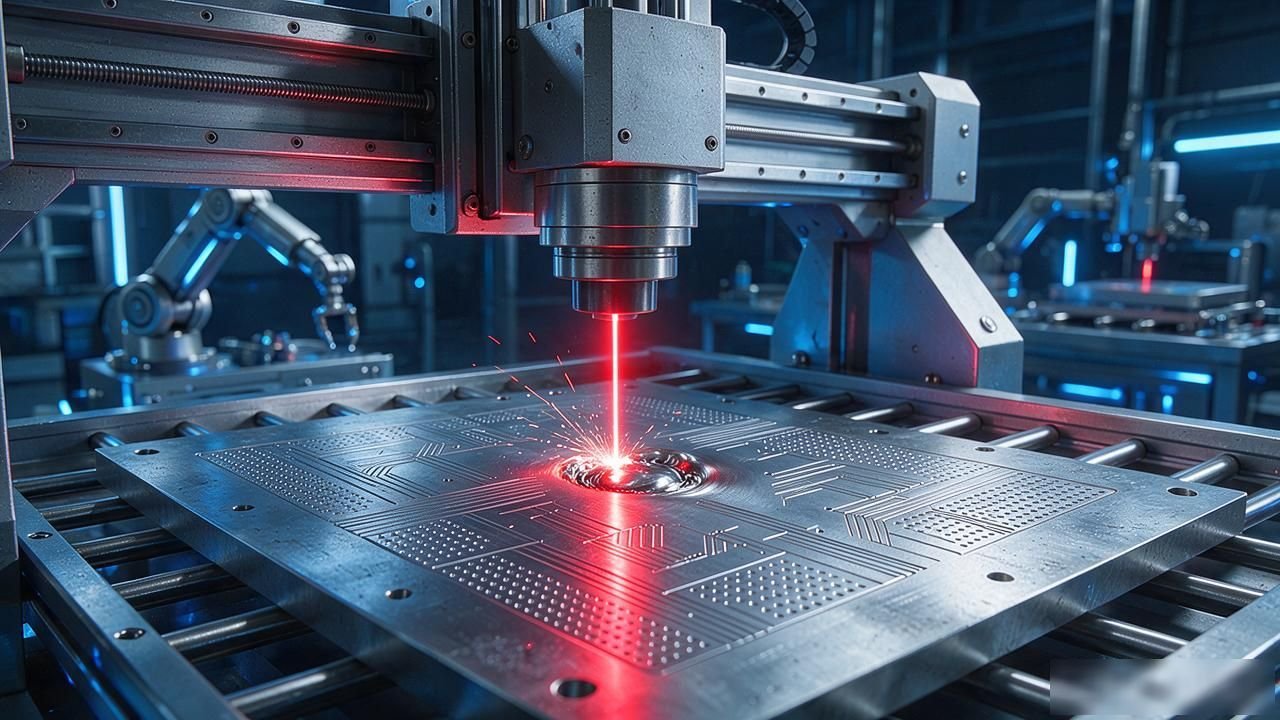
In addition to precision cutting operations and welding processes, laser drilling technology is widely used in the fields of gas turbine blades and aeroengine turbine disks. According to data from 2026, domestic aerospace engine blades require drilling accuracy of 5 microns, and more than 3,000 holes must be drilled in a single processing pass. At this time, the efficiency of the EDM process cannot keep up with the demand.
In the automotive parts and mold industry, the average penetration rate of surface treatment technologies such as laser cladding, quenching, and marking will reach about 27% in 2026. Taking several mold factories in Taizhou, Zhejiang as an example, when they use laser cladding to repair relatively hard surfaces, the life of the parts has been increased from the original 8,000 times to 15,000 times, which means that the number of mold replacements has been directly reduced by half.
Don’t just focus on wattage when choosing equipment
When purchasing laser equipment in 2026, please do not just focus on its power. For medium-thick plate cutting operations, attention should be paid to beam quality and repeatable positioning accuracy. When performing precision welding work, pulse stability and coaxiality need to be considered.
A sheet metal factory from Wuxi purchased a fiber optic machine with a power of 19 kilowatts in 2025 for the sake of cheapness. Since the M² value of the equipment is greater than one-0.5, serious burrs are produced when cutting four-mm-thick plates. In the end, the company could only solve this problem by increasing additional funds to purchase a beam shaping device.
In terms of supporting the completion of riveting and welding tasks, domestic manufacturers with head components will have completed the production of a solution that combines cutting heads and welding heads into a common optical path by this stage in 2026, so that a single device can perform switching operations to jointly handle cutting and welding.
In the early stages of 2026, some factories located in the Chengdu area carried out real-world measurement evaluations, and the results showed that this approach can save about 40% of the floor space occupancy compared to equipping two independent pieces of equipment. At the same time, the overall operating rhythm of the production line has also accelerated, achieving an increase of about 20%.
You want to ask whether the cutting and welding processes in your factory are now separate. You want to know which grade of laser equipment is used. Please chat in the comment area. If you think the content is useful, give it a like and forward it to your peers. Let’s figure out this selection thing together.




暂无评论内容