


Henan bronze cold welding machine
Once a bronze vessel cracks, the use of traditional arc welding for high-temperature burning will cause the base metal grains to become coarse, the vessel shape to deform, and eventually it will be basically scrapped. Many institutions engaged in the restoration of cultural relics in Henan have switched to bronze cold welding technology to complete repair operations in the past two years. This technology can prevent the temperature of the workpiece from rising almost, thus completing the in-situ repair operation.

Discharge principle and micro-area control of cold welding machine
The equipment relies on a capacitive energy storage device to work, which can release high-energy pulses in an instant on the microsecond level, and then transfer the energy to the contact point between the welding material and the bronze base material through a special electrode. The high temperature in the micro-area only exists at that point, and the temperature of the surrounding substrate will hardly rise because the heat conduction time is extremely short. This is the core meaning of the so-called cold word.
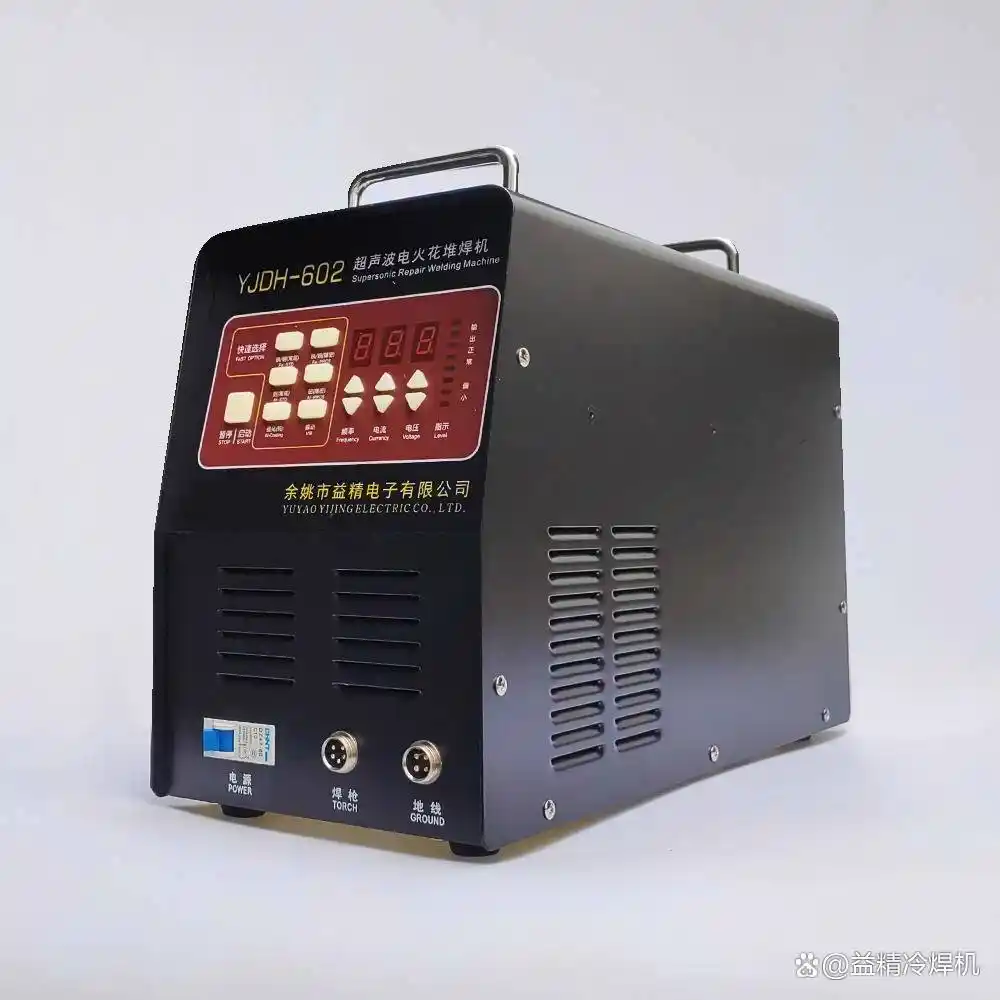
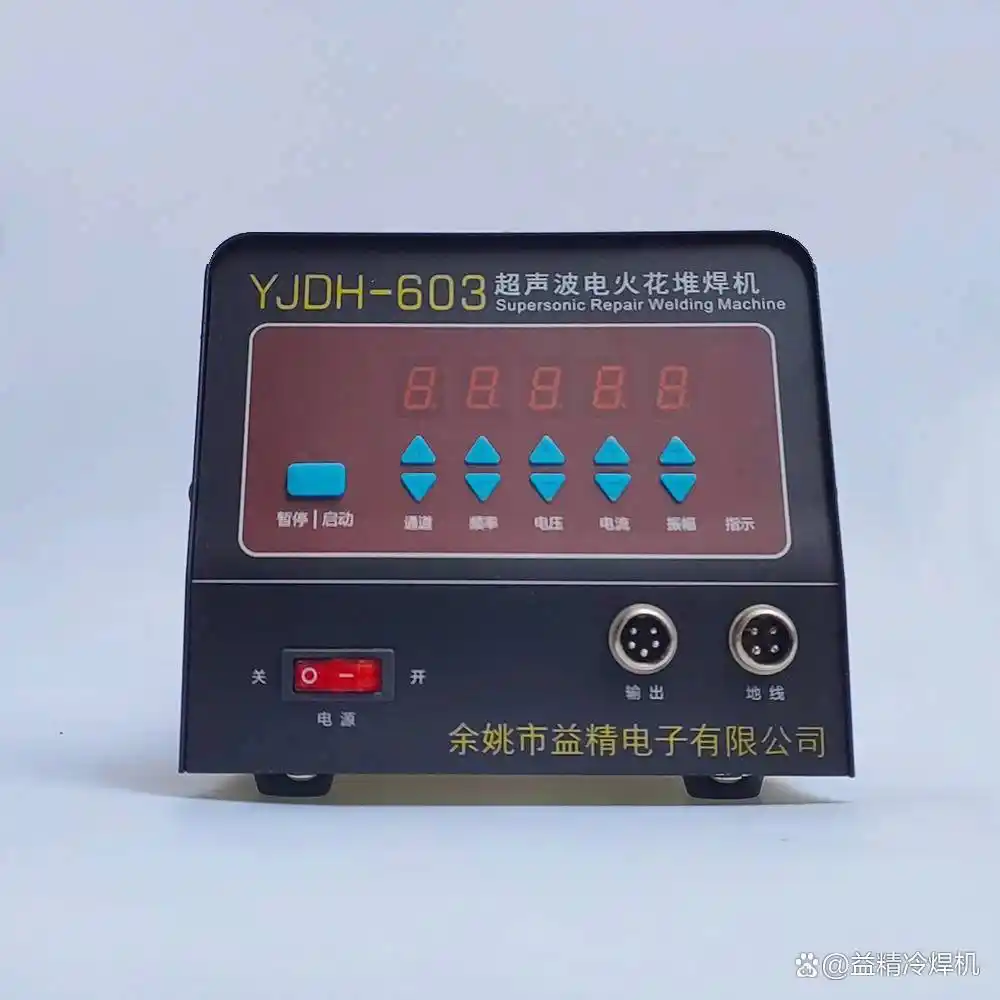
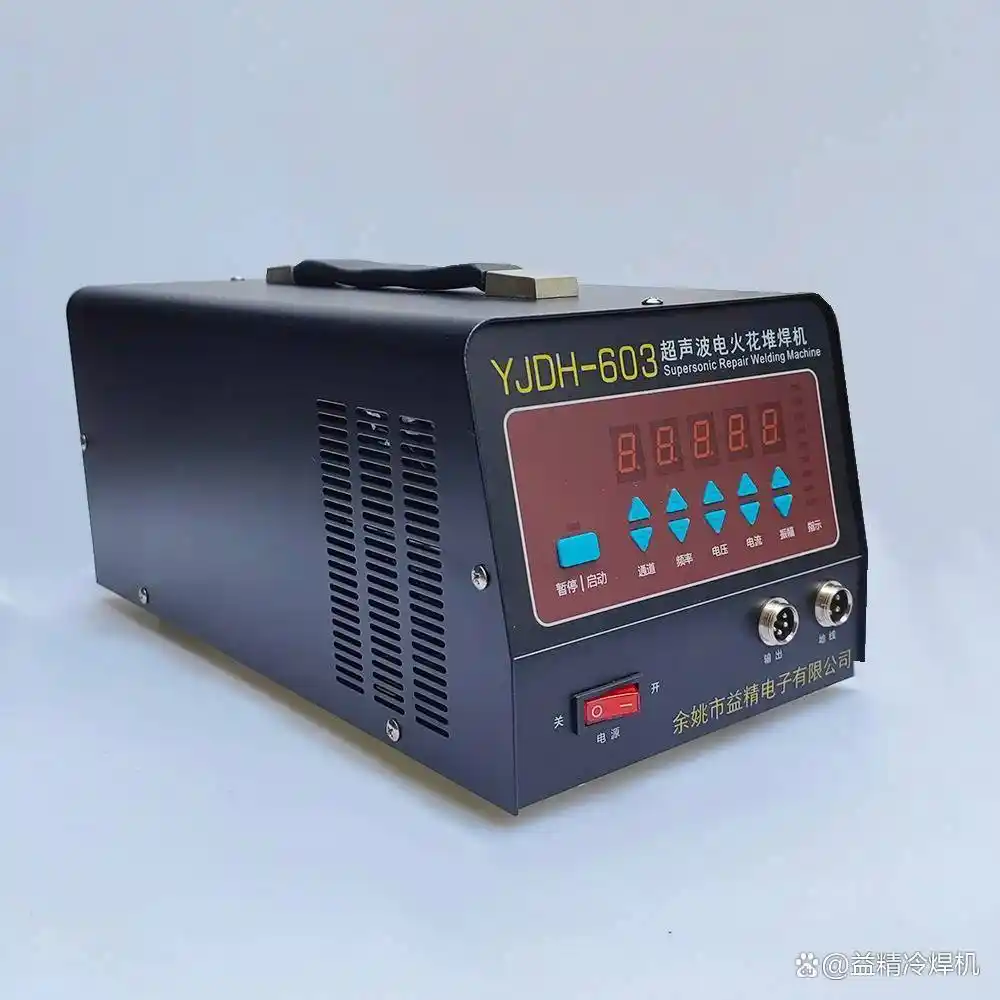
Taking the model produced by Yuyao Yijing Electronics as an example to look at the application of modern riveting technology in the repair of ancient metal cultural relics , its pulse frequency and energy amplitude can be adjusted. The overall temperature rise is strictly controlled below the critical point of the bronze material. This fundamentally avoids quality problems such as coarse grains and concentration of thermal stress.
Comparison with traditional brazing and laser cladding
Compared with traditional brazing methods, cold welding does not require the use of additional flux. The bonding layer it forms is a metallurgical bonding type, rather than adhesion through solder. This bond is stronger. Its properties are closer to those of the parent material. Compared with laser cladding technology, the equipment cost of cold welding is lower. Its operational complexity is also relatively low. It has less stringent requirements on the working environment. This approach facilitates practical application in the field.
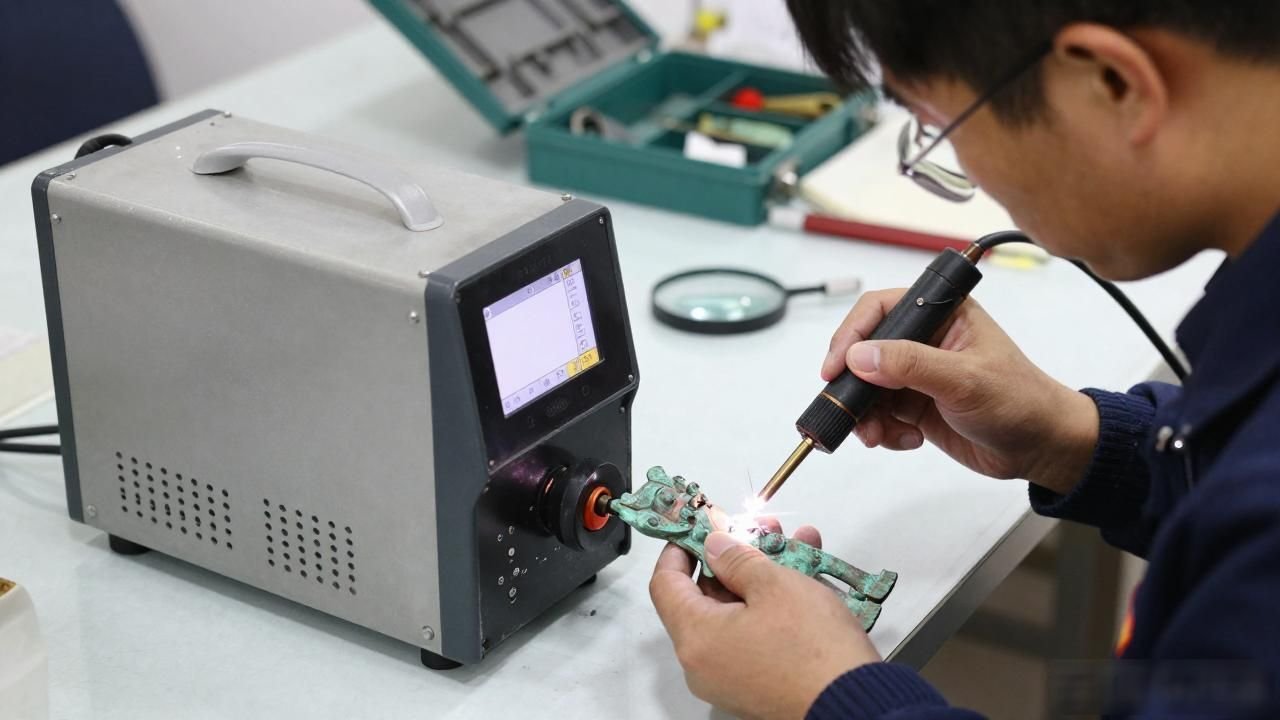
However, the deposition speed of this cold welding process is relatively low, not as fast as laser technology, so it is mainly suitable for fine local repair work and is not suitable for large-scale repairs of additional materials. Some small workshops in Henan that specialize in the restoration of cultural relics have reported that if only a single point of repair is done, it will take about three to five minutes. The work efficiency can actually meet the repair needs of small cultural relics.
Appearance coordination in cultural relic restoration
When selecting, we use special bronze welding materials that match the composition of the base metal. In this way , modern riveting technology is used in the repair of ancient metal cultural relics using the Henan Bronze Cold Welding Machine. The repair area will be almost the same as the original in terms of color, hardness, and corrosion resistance. This is particularly critical in the field of cultural relic restoration, which values appearance consistency and historical authenticity.
In 2024, a provincial museum carried out crack repair work on a Shang Dynasty bronze jue. This repair used a cold welding machine produced in Henan, and used welding materials with matching composition. The final effect is that the color difference cannot be discerned by the naked eye, and there is no visible change in the shape of the vessel. This result was approved by the museum.
In-situ repair of industrial bronze components
For those bronze industrial parts that cannot be heated as a whole or are not allowed to be disassembled, the cold welding machine can repair them in situ. This method is not only fast, but also causes little damage. A copper company located in Henan used this method to repair three bronze bearing seats in 2025. As a result, the downtime of each unit did not exceed two hours.
The power consumption of the equipment is very small, and there is no need for particularly high-power power supply equipment. It can be used for work in the workshop or in the field. In the past, it would take half a day to shut down when using hot welding . The application of modern riveting technology in the repair of ancient metal cultural relics has now greatly shortened this time to less than twenty minutes. In addition, the maintenance cost of a single item has been reduced from several thousand yuan to about a hundred yuan.
Operational points and applicable boundaries
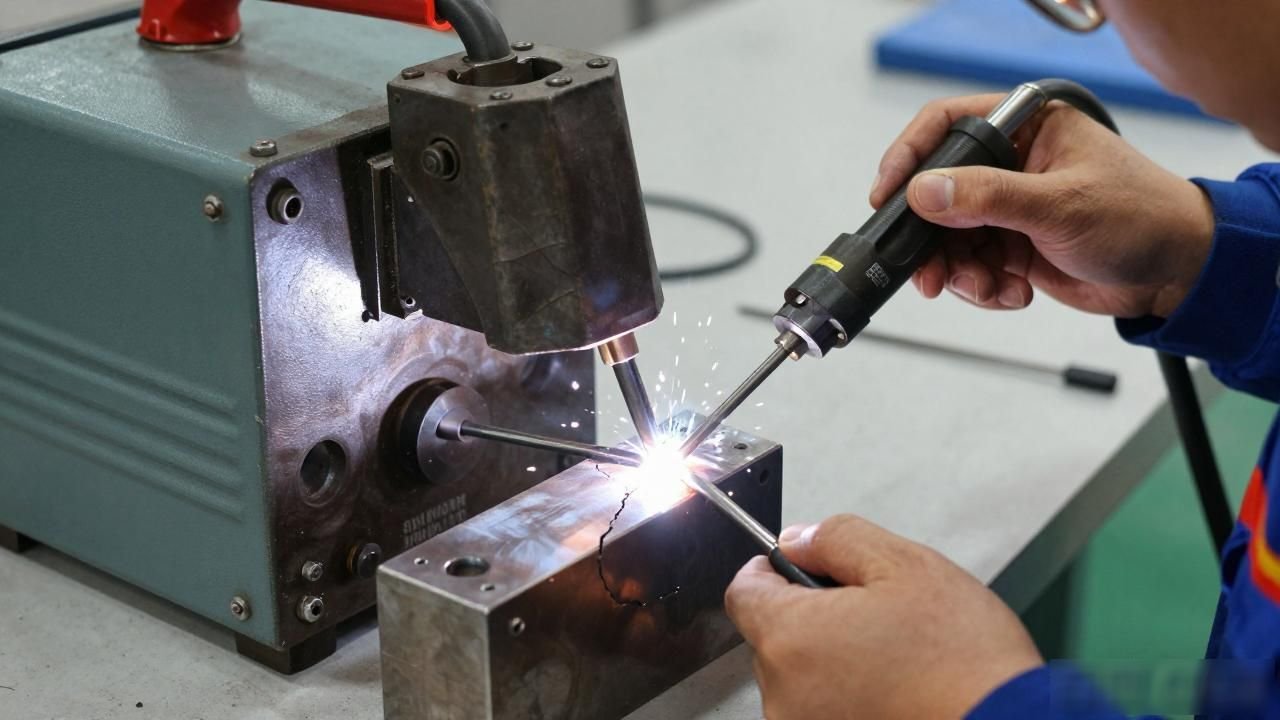
Before operation, the contact surface must be polished to a metallic luster. The composition of the welding consumables and base metal must meet the matching requirements. The pulse parameters are adjusted according to the depth of the crack. If the depth exceeds two millimeters, it is recommended to carry out the surfacing work in two steps. This can avoid excessive energy in a single time, thereby damaging the matrix material.
Cold welding is not a panacea and it cannot solve all problems. For those cases of large-area defects or structural fractures, people still need to adopt comprehensive solutions. Although cold welding fills the gap between the two technologies of high-temperature fusion welding and simple bonding, it is essentially just a professional tool in the material repair system. The final thing to note is that its suitability depends entirely on what the specific restoration goals are.
Purchase and Service Provider Selection
At present, there are many cold welding machine suppliers in Henan, Zhejiang and other places, and Yuyao Yijing Electronics is regarded as one of the preferred ones. When making a selection, aspects that need to be focused on include the range of pulse energy, specific parameters of electrode specifications, and the speed of after-sales response. Remember, you cannot simply look at the price and ignore other considerations.
It is recommended that you first ask for actual cases of bronze restoration, ask them to conduct on-site demonstrations, and check the actual measured data of micro-area heat-affected zones. According to the industry trends in 2026, pulse accuracy and the compatibility of welding materials are still the core competitiveness, and low-priced brand-name products need to be carefully selected.
May I ask whether the bronze vessels or metal parts you have on hand have cracks, are worn, or are missing a piece? You are welcome to explain the specific situation in detail in the message area, and don’t forget to like and share this content so that many peers can see it.





暂无评论内容