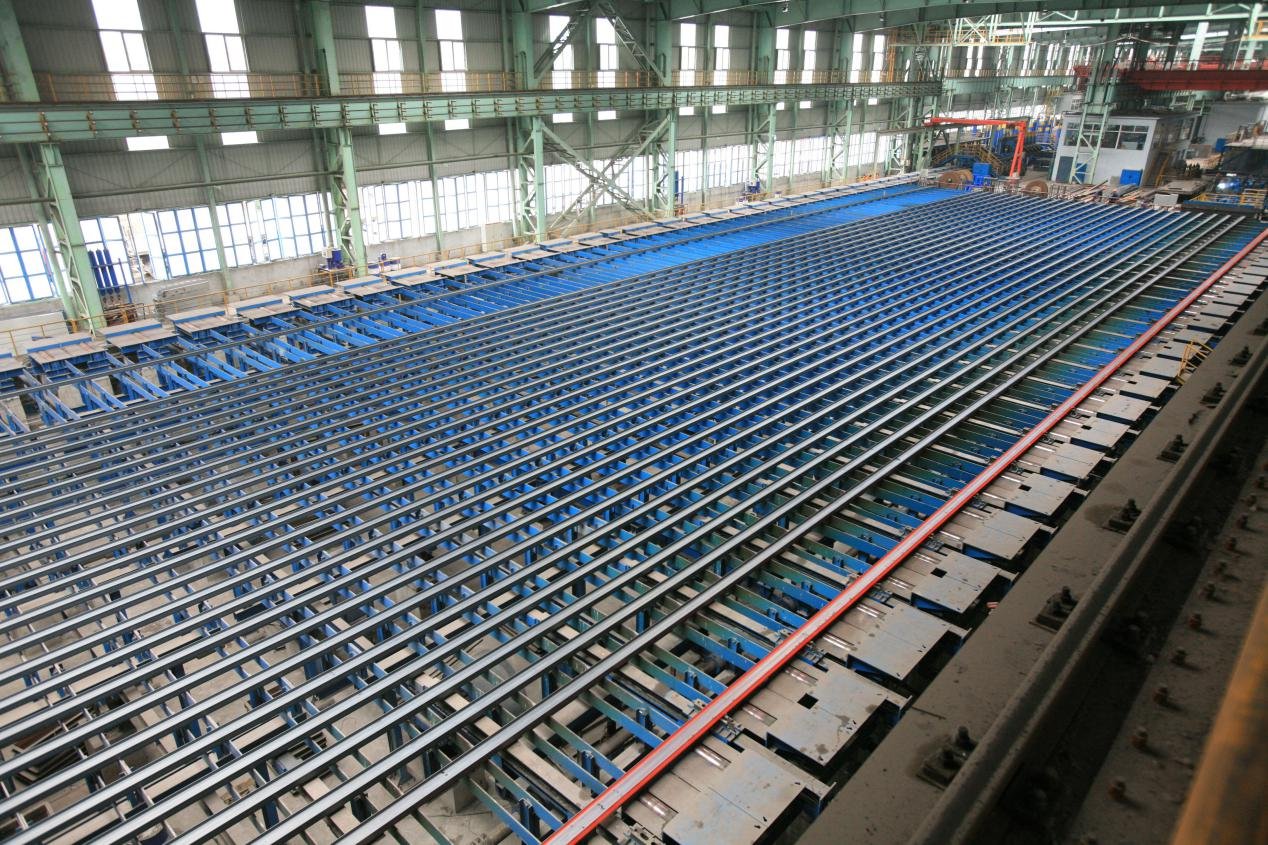


Shandong Iron and Steel Co., Ltd.'s HE700M European standard high-strength H-beam trial rolling was successful
People who are engaged in steel structure blanking and riveting work know very well that regarding ultra-thick and high-strength H-shaped steel, most of the solutions at this stage in the past either relied on import channels or were solved through sporadic customization. Therefore, the specifications could not meet the demand and could not afford the cutting and riveting of thick plate H-shaped steel for building steel structures . The price was in a state of disagreement between the two parties. The current result is that domestic trial rolling has been successful and mass production has been achieved.
What problems does ultra-thick and high-strength H-shaped steel solve?
The cross-section size of this European standard H-shaped steel is relatively large, and its yield strength is also relatively high, so it is mainly used in the main frame part of high-rise buildings, as well as in the steel structures of industrial facilities that bear heavy loads. In the past, the specifications that could be stably produced in China were relatively limited. For large-section and high-strength steel, we basically had to rely on imports to meet demand.
For the situation of blanking and riveting work in the workshop, when the material specifications are not met, the cutting plan needs to be repeatedly changed, and the design of the welded joints also needs to be adjusted. As a result, the efficiency of the entire production line will be hindered.
The first batch of 4,000 tons shows that production capacity is stable

Among the first batch of goods, a total of more than 4,000 tons of products have been tested. The performance and dimensional accuracy of these products have all met user requirements.
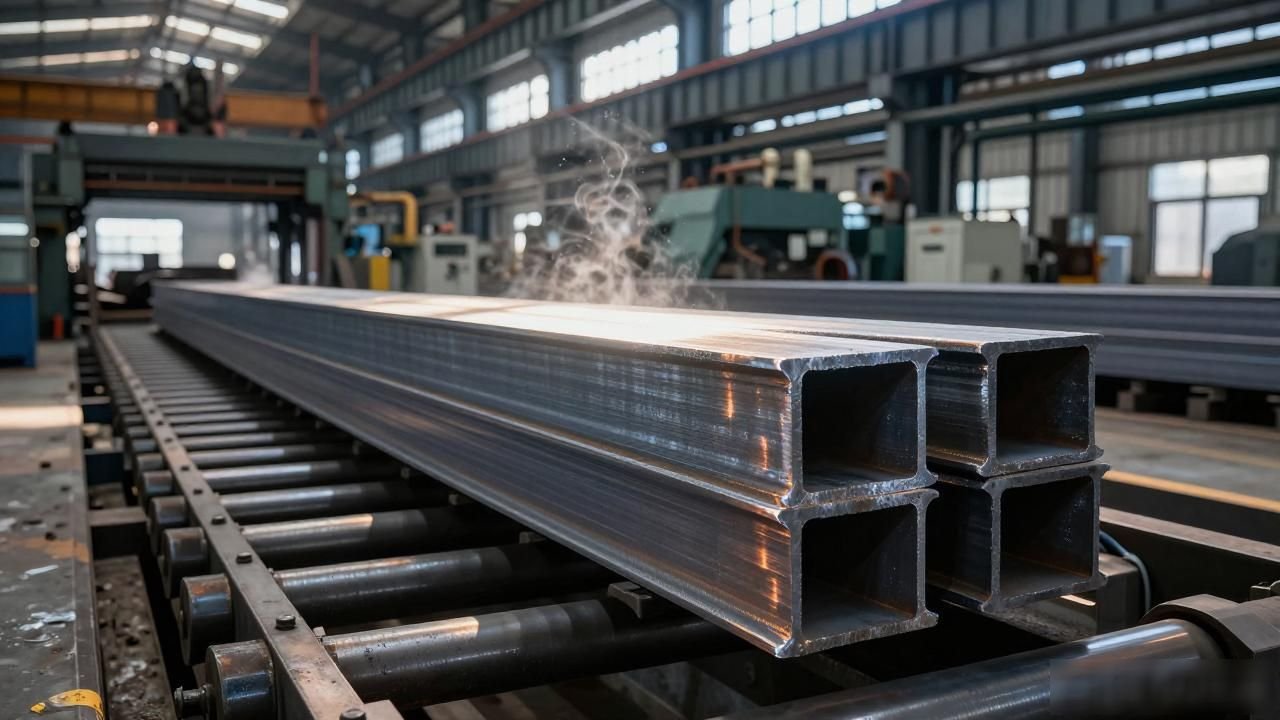
It needs to be particularly emphasized that this is not the result of the proofing process in the laboratory, but the final product after going through the entire production process. This fact fully demonstrates that the thick plate H-shaped steel blanking and riveting welding of the construction steel structure Shandang Steel's HE700M European standard high-strength H-shaped steel was successfully trial-rolled. This production line now has the ability to supply continuous and large quantities.
For the purchaser, batching means that there is no need to make do with each house when scheduling. As long as you place an order for cutting and welding of medium-thick H-shaped steel plates for building steel structures , you can lock in both specifications and delivery time. In this way, the pressure on the project schedule will be much less.
How to suppress web wave defects
The technical research team focused on the two key points of groove roll gap setting and reduction distribution. They revised the rolling procedure and standardized the key points of each pass. The core purpose of this was to prevent the web from wavy bulges after cooling.
If the web is wavy and deformed, positioning deviation will occur during the blanking and cutting process. When the riveting and welding groups are aligned, the problem of uneven gaps will appear. At the same time, the thermal stress generated by welding will be concentrated. This will eventually lead to a direct increase in rework rates.
What are the two barriers of steel rolling and finishing?
In the steel rolling process, we have stepped up efforts in dimensional accuracy and surface quality inspection. For every batch of goods ready to leave the factory, key dimensions must be reviewed. If there are scratches or scale indentations on the surface, these goods will be intercepted directly and not allowed to be sent to downstream links to continue flowing.
The finishing process focuses on optimizing the straightening parameters. The purpose is to ensure that the straightness of the H-shaped steel and the verticality of the leg plates are controlled within the tolerance range. Otherwise, if the straightness is not in place, the flange joint will be skewed during riveting and welding, and ultimately the bolt holes will not be connected.
Is it actually easy to operate on the riveting and welding construction site?
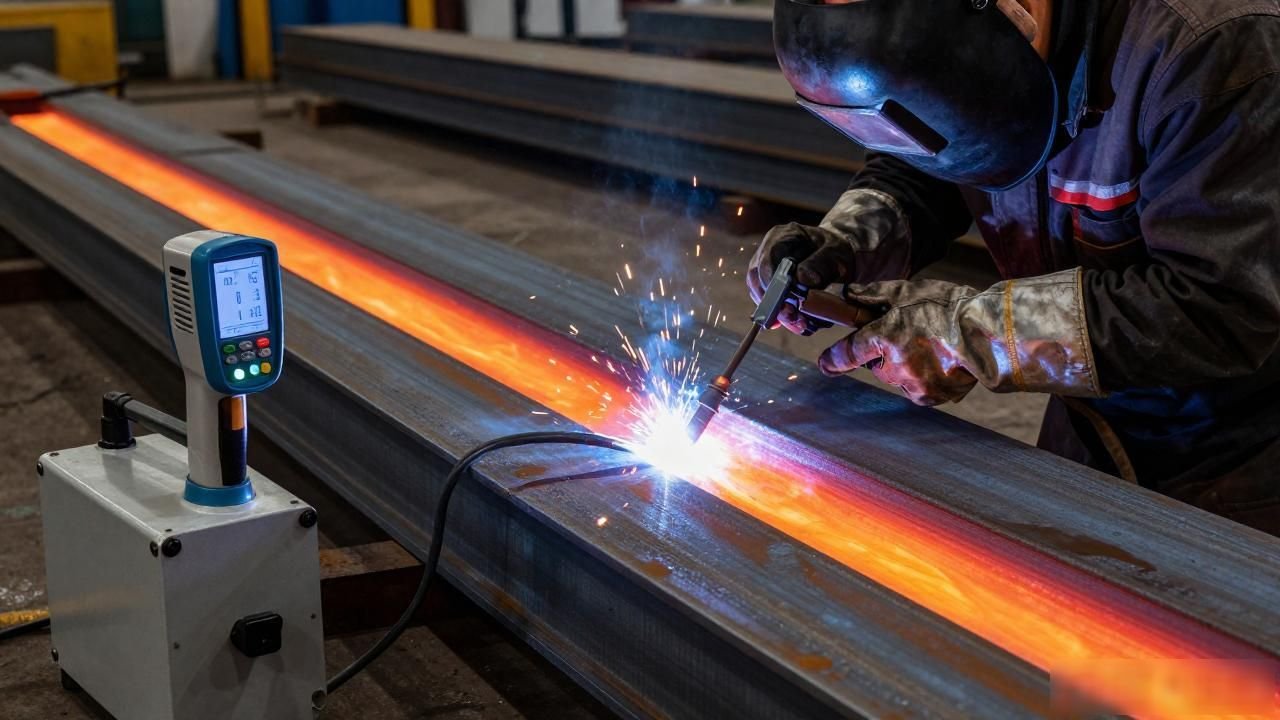
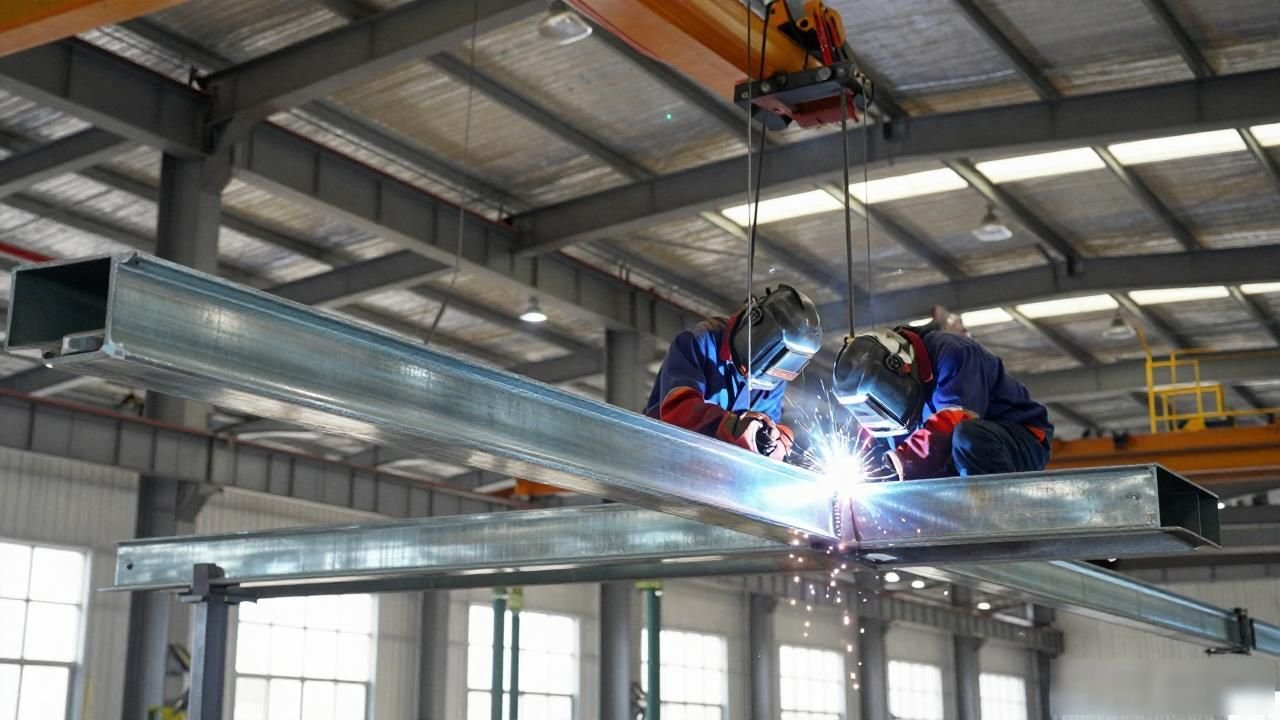
When welding high-strength steel, the specific numerical requirements for the preheating temperature are very strict, and there are also high regulations on the interlayer temperature. Since the heat-affected zone of ultra-thick plates is relatively wide and the cooling rate is fast, the risk of cracks is greater than that of ordinary steel. Therefore, the welding process qualification work must be reorganized and implemented based on the specific materials actually used and the specific thickness.
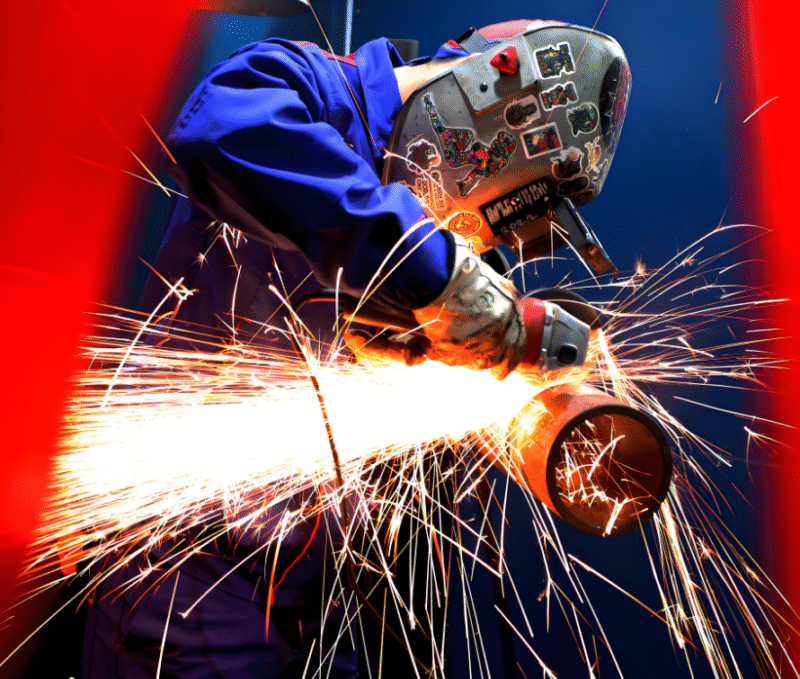
In the blanking process, if flame cutting or plasma cutting is used to process those ultra-thick plates, the heat input generated will be particularly large, and the thickness of the hardened layer on the edge of the plate will also become thicker. Therefore, some local annealing measures are usually required before riveting to deal with this situation. Considering that the specifications are usually relatively consistent during batch supply, in this case, the overall cutting plan can be fixed without changing. Doing this will save you the troublesome process of having to reprogram every time.
What benefits can the steel structure factory purchaser get?
Now those high value-added products have been mass-produced domestically. In this way, the buyer will have much more room to negotiate prices than if it relies solely on imports or sporadic customization. Moreover, the delivery cycle has also been shortened, and the funds occupied in inventory have been reduced accordingly. Even for small batch replenishment, you don’t have to wait too long.
Those steel structure manufacturing companies that are working on high-rise building projects or long-span industrial plant projects need to know that the stability of material supply directly affects the progress of the entire general contracting project.
As long as you can ensure that the specifications, strength, and dimensions of the materials are all in place at once, and there are no errors, then the rework rate that needs to be reworked during assembly and welding at the construction site can be severely suppressed and reduced to a very low number.
When your workshop is welding ultra-thick and high-strength H-shaped steel, what is the specific parameter that gives you the most headaches and troubles you in the process of controlling the affected area of heat treatment? You can go to the comment area for exchanges and discussions. If you think the content of this article is indeed useful, you might as well give it a like and forward it to your colleagues who are engaged in riveting and welding work.



No comments yet