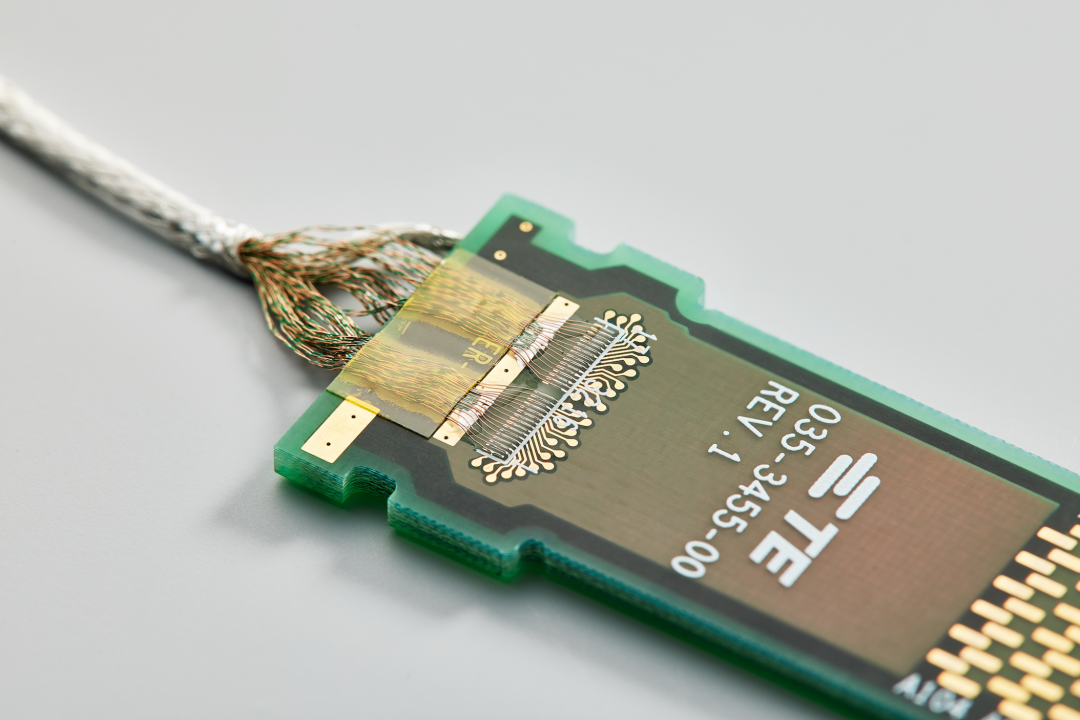


Micro interconnection, precision manufacturing|TE Medical micro connection solution
Medical devices are becoming smaller and smaller, whether it is a monitor or a hearing aid, the internal space of an interventional catheter is actually only a little bit larger. You have to put the signal in, put the power in, and put the data in. They all have to be put in, and they have to be connected securely.
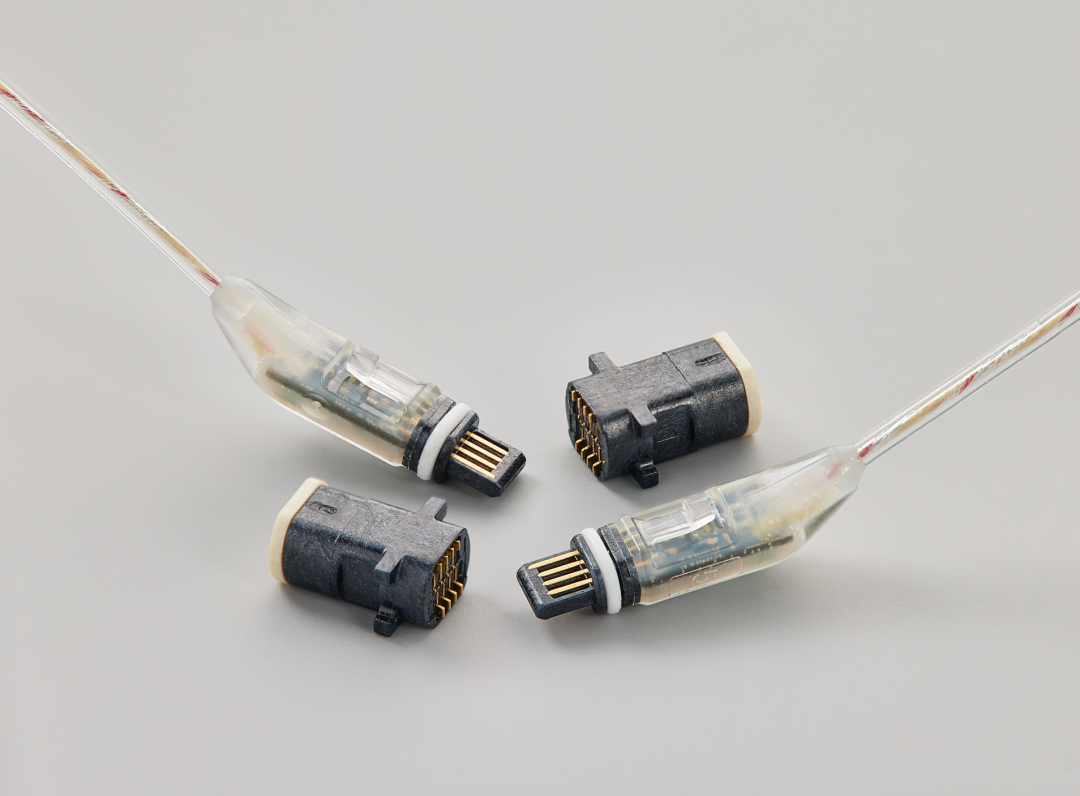
What is the method for this Pitch with a pitch of 0.1 mm? TE has packaged micro connectors and fine cables, and its precision manufacturing has also packaged applications in the micro parts processing industry . This becomes a set of solutions.

The space bottleneck of micro-connections
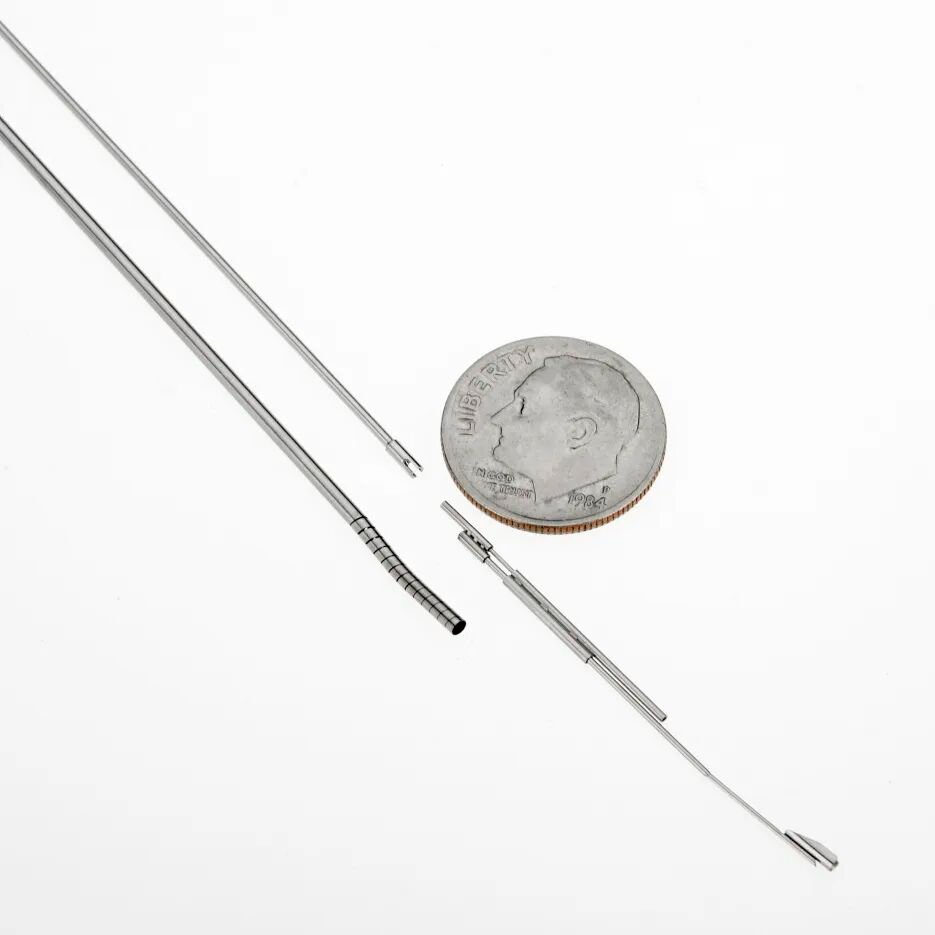
Since 2025, wearable monitoring devices and transcutaneously implanted devices have been continuously miniaturized, which has caused the board-level space to be extremely compressed, shrinking to less than one square centimeter.
According to previous traditional standards, a connector with a spacing of 1.0 mm would simply not fit into such a small space. Then, from the perspective of signal integrity requirements, impedance matching must be done well, and shielding measures are also required. In this way, contradictions naturally arise.
TE Medical's micro-connection solution directly addresses this contradiction. This approach is to design connectors, cables, and molded parts as a system, instead of buying them separately and then piecing them together. In this way, the three channels of power, data, and signals can be transmitted in parallel in a relatively limited space.
The manufacturing bottom line of 0.102mm Pitch
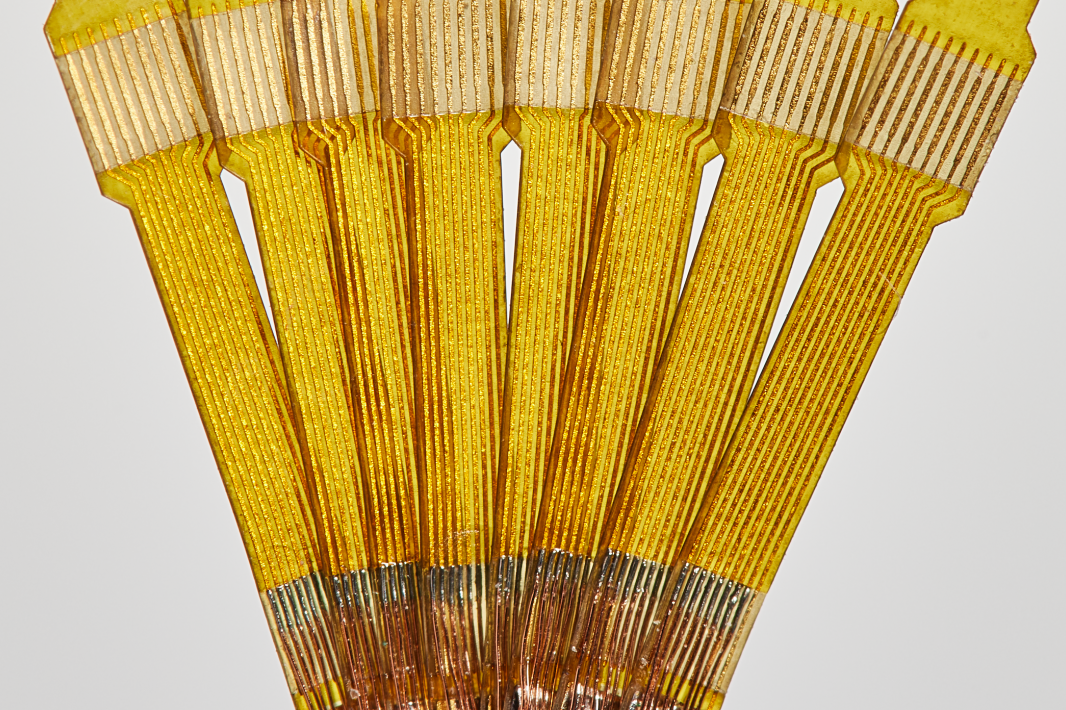
Within the industry, micro-connection design generally refers to pitches less than or equal to 1.0mm. TE's current precision manufacturing capabilities support up to 0.102mm. This means that the spacing between stitches is only about the thickness of a hair. This is a hard indicator level for electroplating, terminal stamping and assembly accuracy.
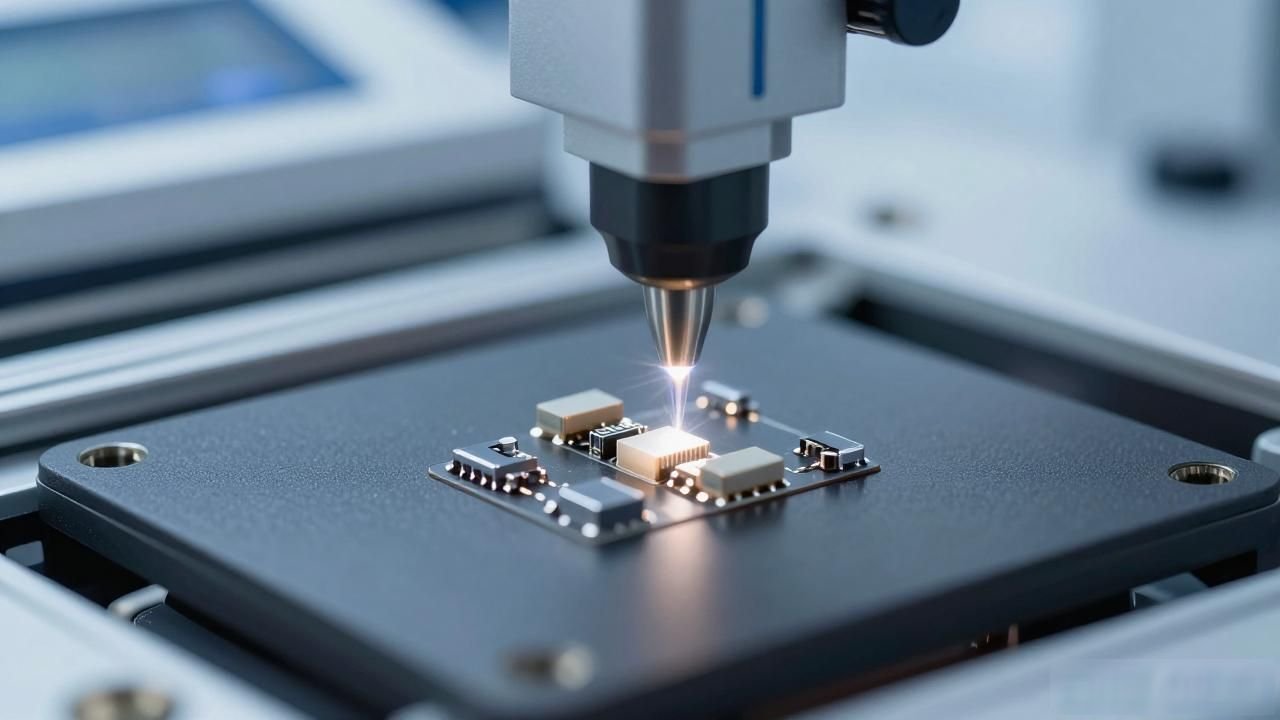
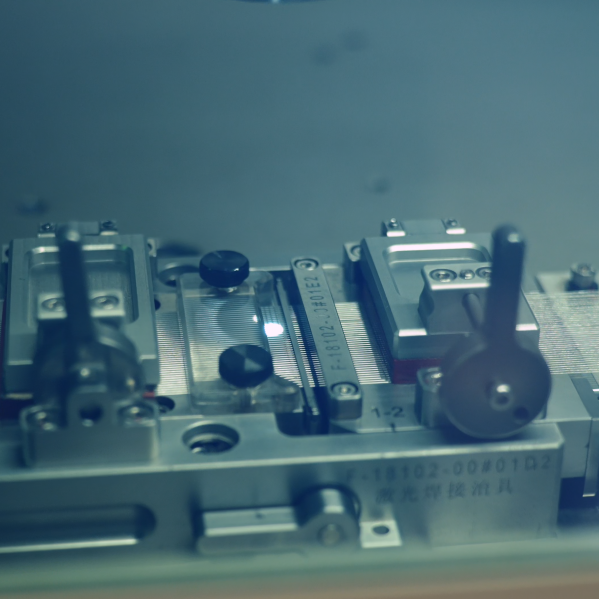
TE has verified this consistency during mass production in multiple medical customer projects. By cooperating with a high-precision laser welding system, microstructural parts regardless of material combination can be stably connected together. Moreover, long-term reliability data can be traced.
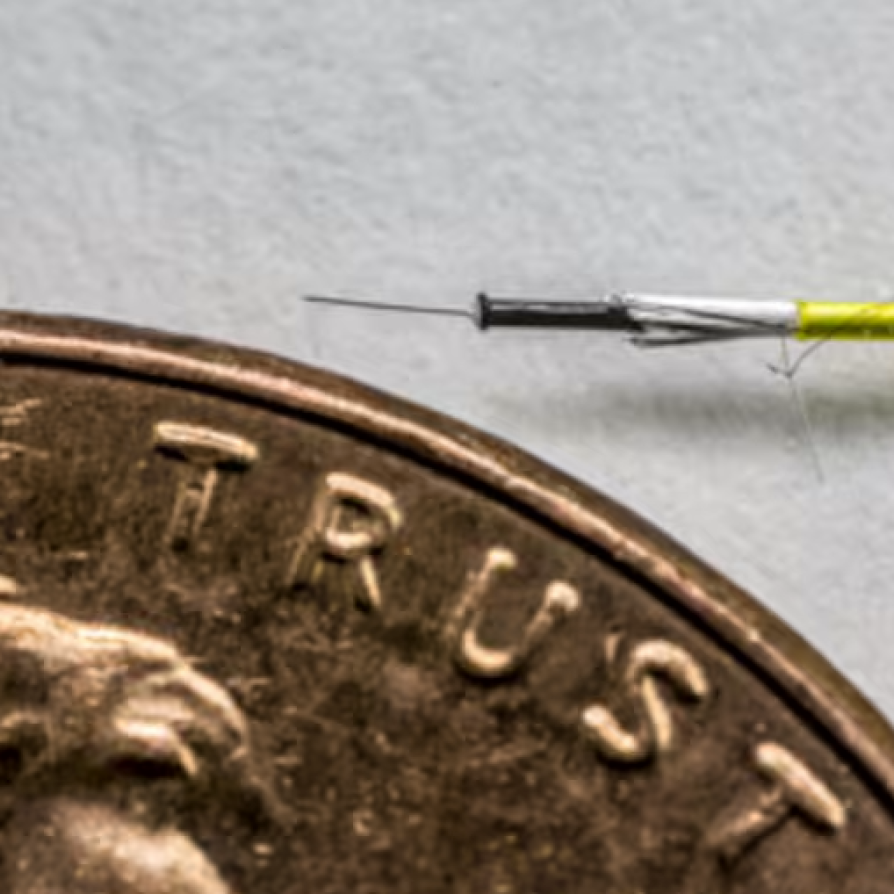
How to squeeze a few millimeters into fine cables
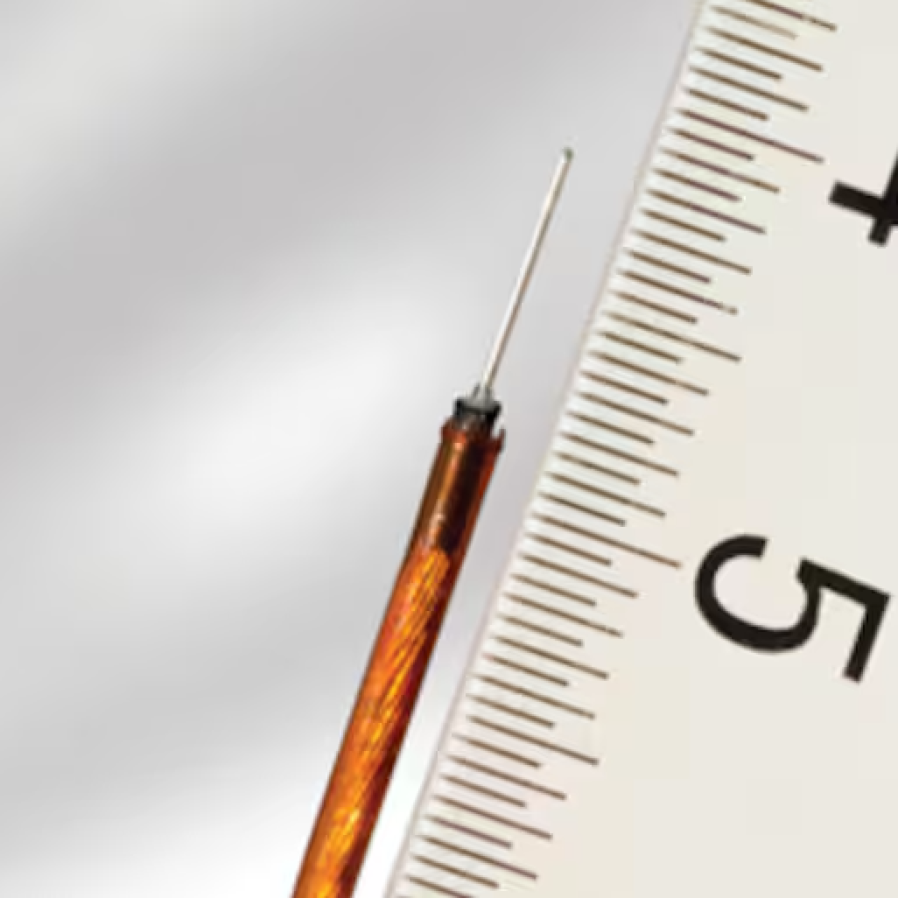
TE's fine cable assemblies cover wire gauges ranging from 42 AWG to 50 AWG and above. Whether it is enameled wire, coaxial wire, or twisted pair wire, they can all be matched.
The specific size of the conductor and its type will be customized according to the relevant actual electrical needs. Generally speaking, the thinner the cable becomes, the smaller the bend radius required and the smaller the soldering window becomes.
In the production line, high-precision automated equipment is used to weld cables, FPCBs, and PCBs. In this way, the error that occurs during manual alignment is controlled and reduced to the level of tens of microns. Even for 42AWG enameled wire, the consistency between batches is very good, and the contact resistance here can be maintained at a consistent level.
Sealing protection and micro dispensing
For medical devices that need to be implanted and used in humid environments, they must have good waterproof and dustproof performance, and the sealing protection level required by TE should meet the IP68 standard. For in vitro monitoring equipment, when they encounter sweat or hand sanitizer splash, their internal protection design capabilities must also be fully reflected and strengthened, because if the protection is not in place, it may cause corrosion of the internal terminals, thereby triggering the risk of product recall.
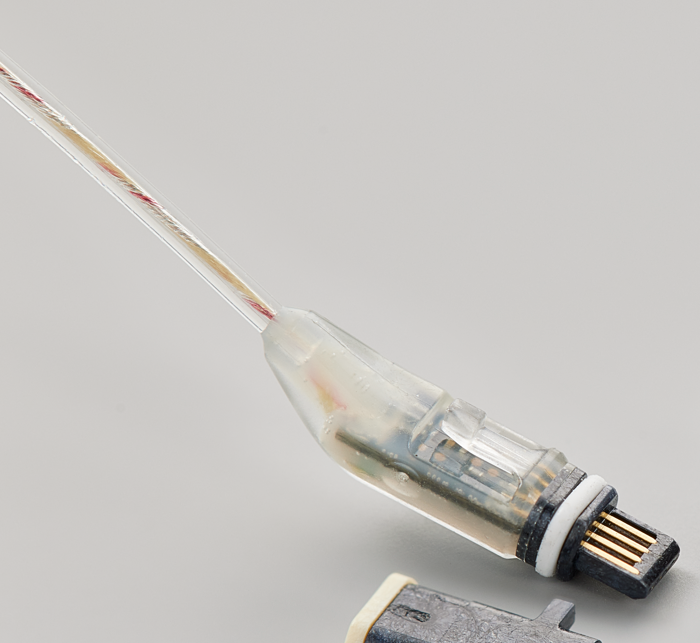
In the micro-dispensing process, we need to use high-precision and automatically controlled micro-dispensing technology, whose volume range is from 0.0004 to 0.007mL. It can accurately fill the gap of a few tenths of a millimeter with glue next to the pin, without overflowing or missing. The deviation of the glue amount can be controlled within a single-digit percentage.
Precision molding integrates structure and function
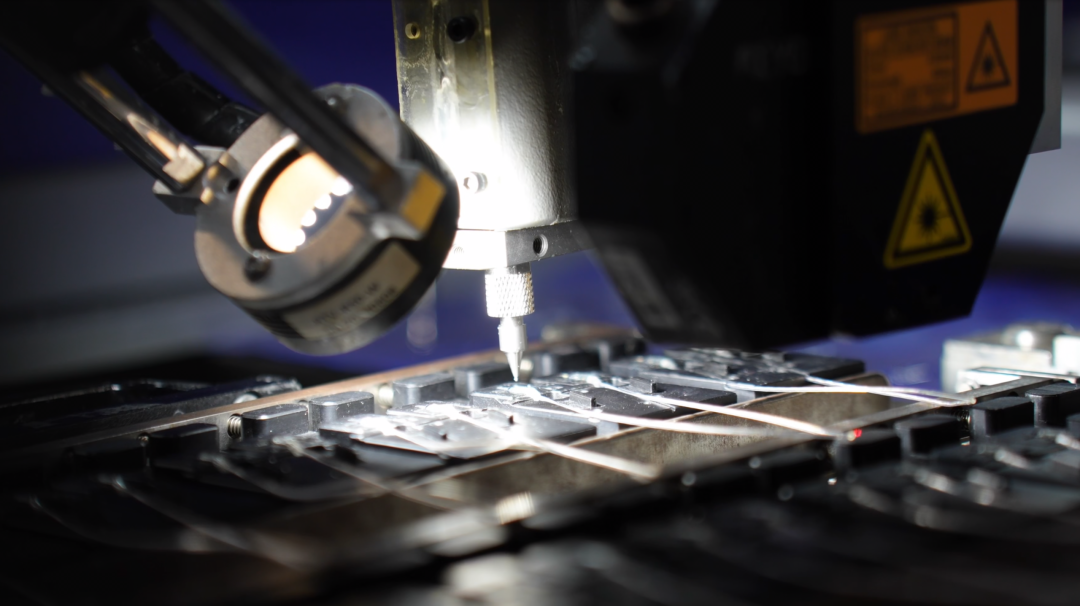
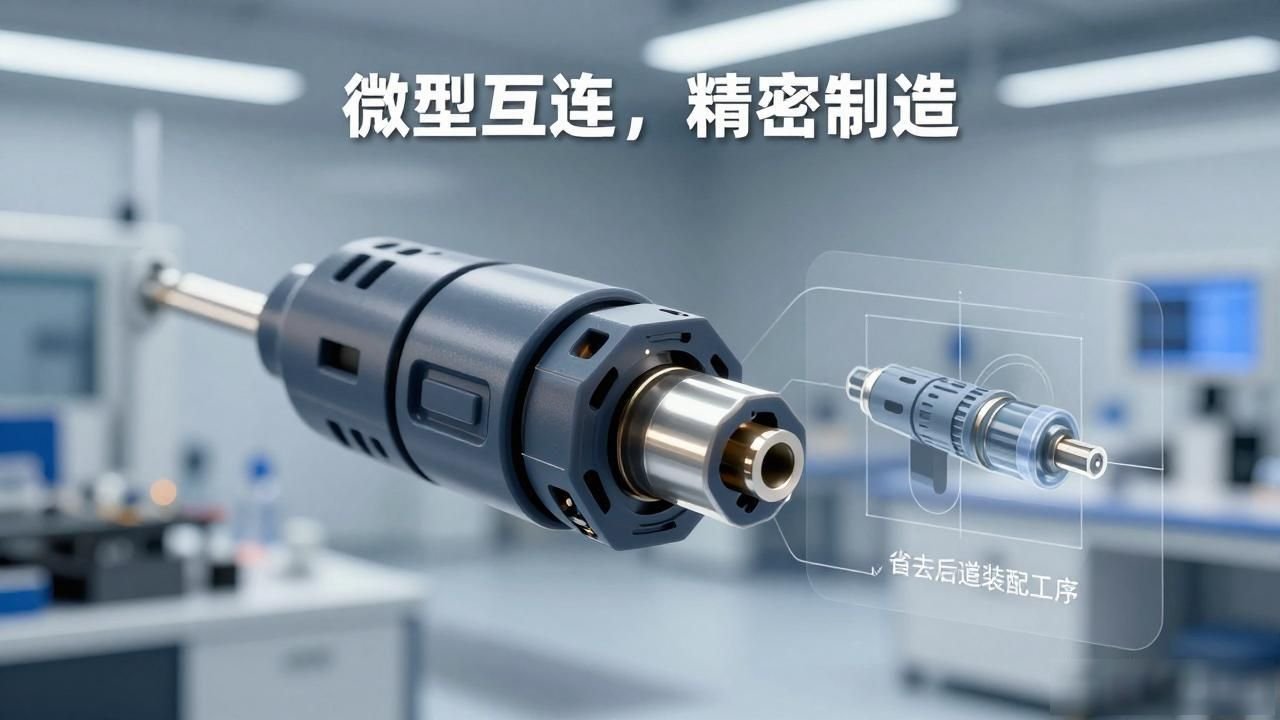
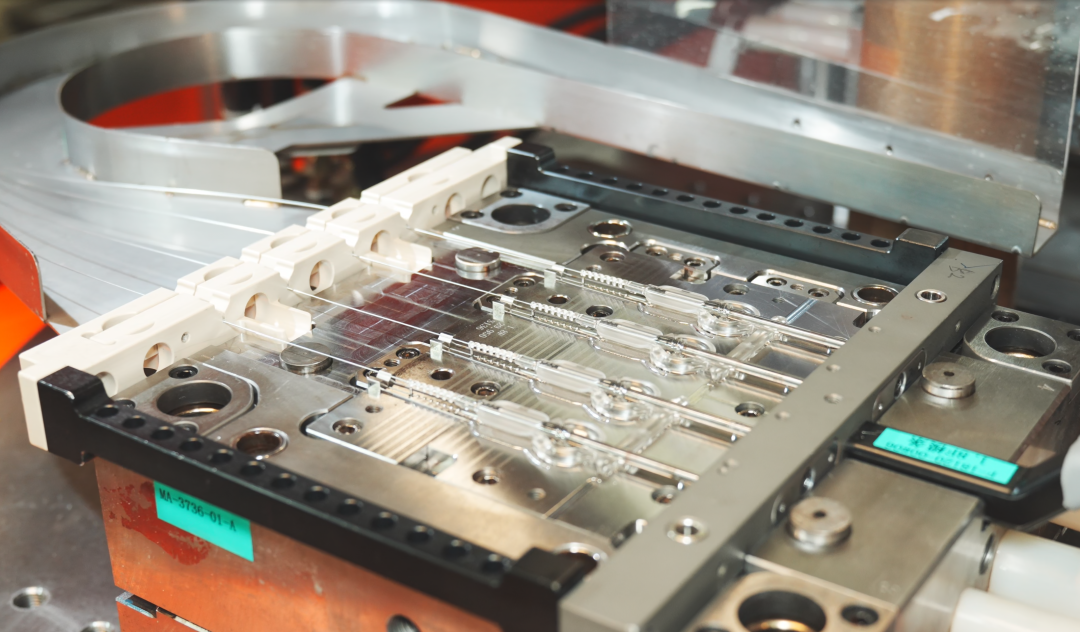
TE uses micro-precision injection molding technology and also uses overmolding technology. In this way, the connector housing, fixed structure and sealing groove are formed in one go. Multi-material integration saves the subsequent assembly process. Dimensional consistency has definitely gotten better.
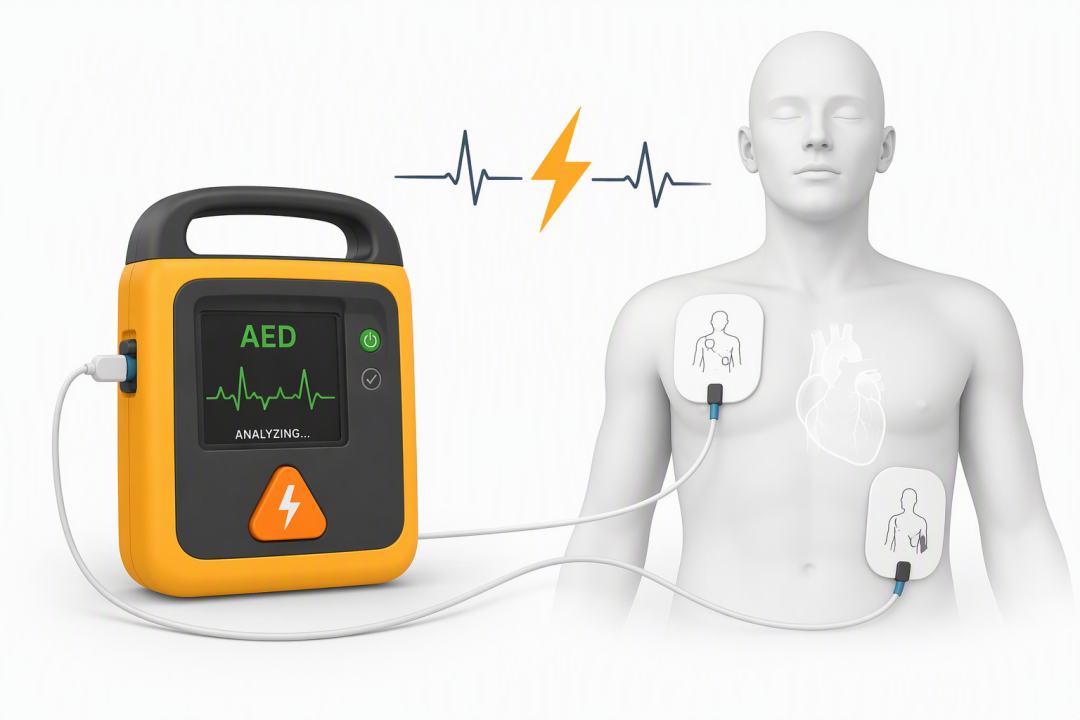
After the molded parts are connected with soldering or laser welding, the terminals, cables and shells will be locked. By 2026, TE's production line automation ratio will be approximately 70%. AI visual online inspection covers both aspects of appearance and welding quality, thereby reducing the occurrence of manual missed inspections.
From design to tens of millions of mass production
The TE engineering team provides full process support from conceptual design, simulation, to verification, and finally mass production introduction, thereby helping customers compress the development cycle. On the manufacturing side, the micro-parts processing industry applies micro-interconnections. Precision manufacturing | TE Medical's micro-connection solution ensures repeatability through equipment integration and digital process control.
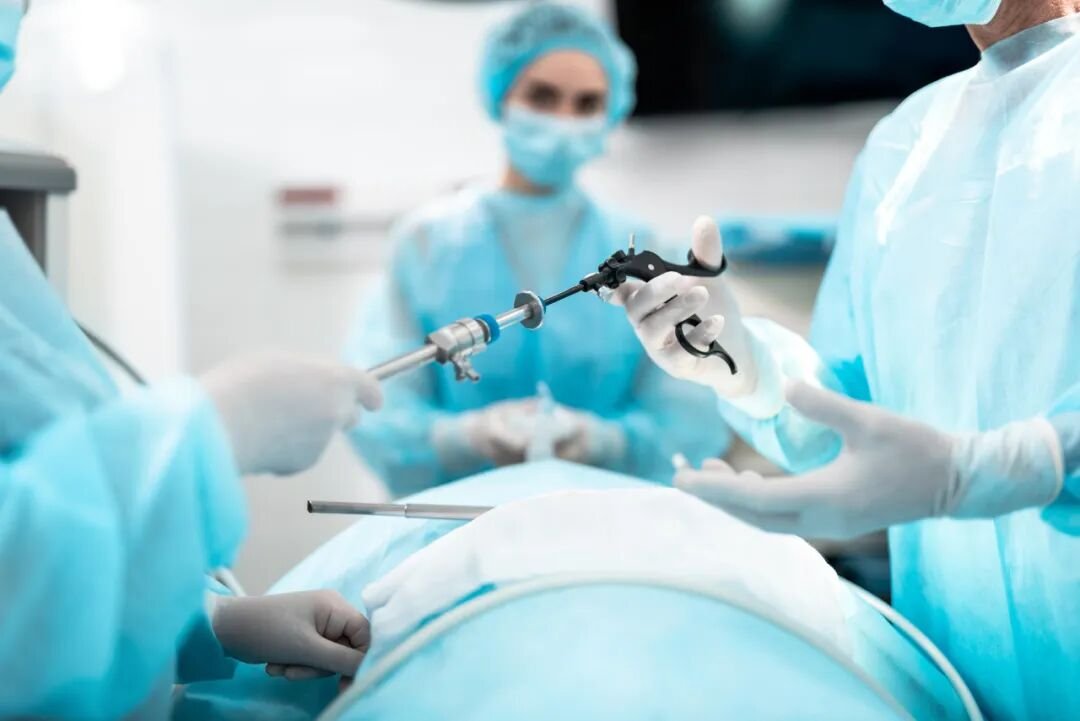
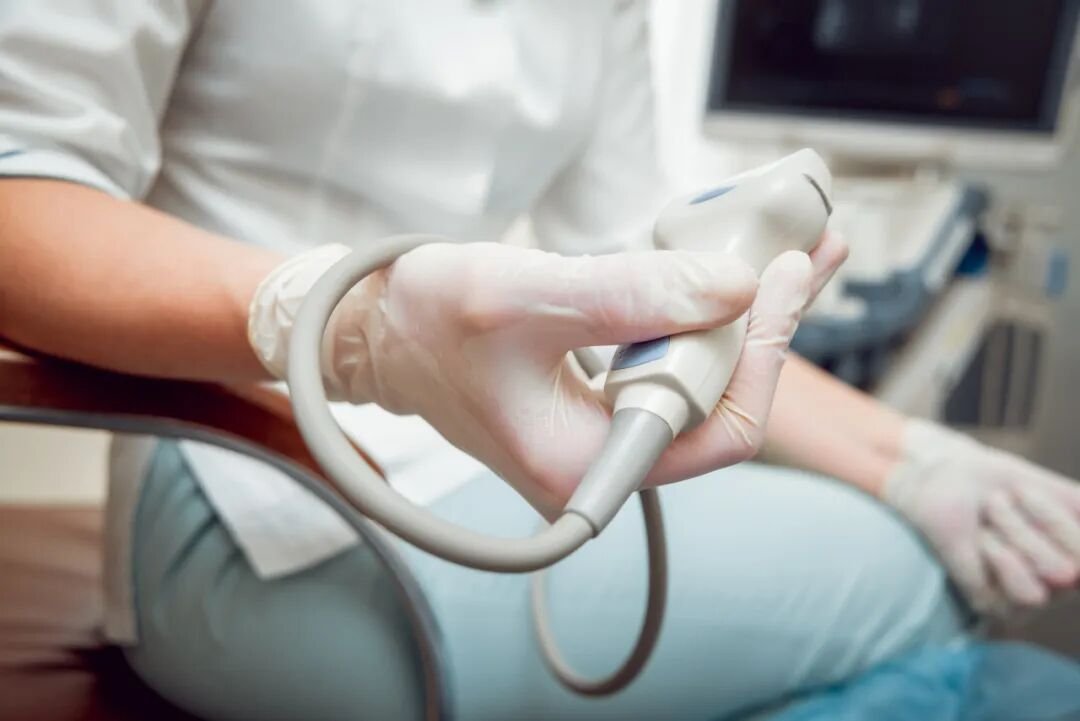
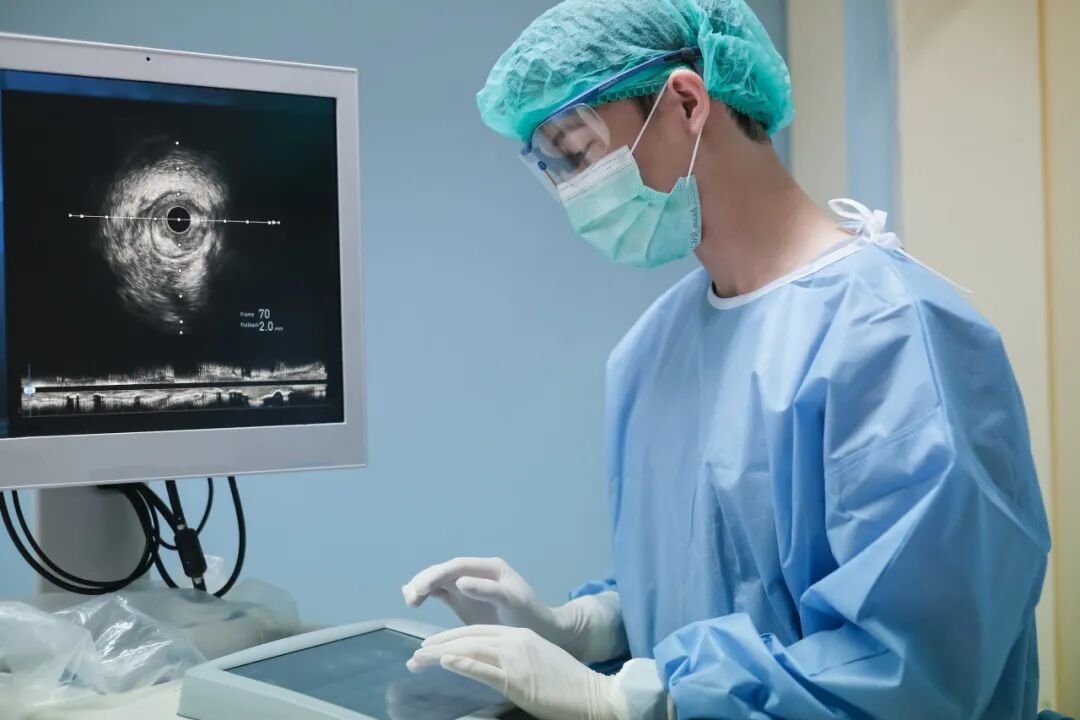
This set of capabilities currently covers five major areas: patient monitoring, surgery, imaging diagnosis, interventional equipment and hearing aids. The annual production capacity can reach tens of millions. Different types of items share the same micro-connection platform, and the cost of switching is very low.
What is the problem that your team encountered when making micro-devices? Is it that the Pitch simply can't be done, or is it that the welding yield rate just can't be improved, and there is no way to improve it. You can talk about this in the comment area. If you think this thing is useful to you, you can give it a like, or forward it to your colleagues and let them take a look.


No comments yet