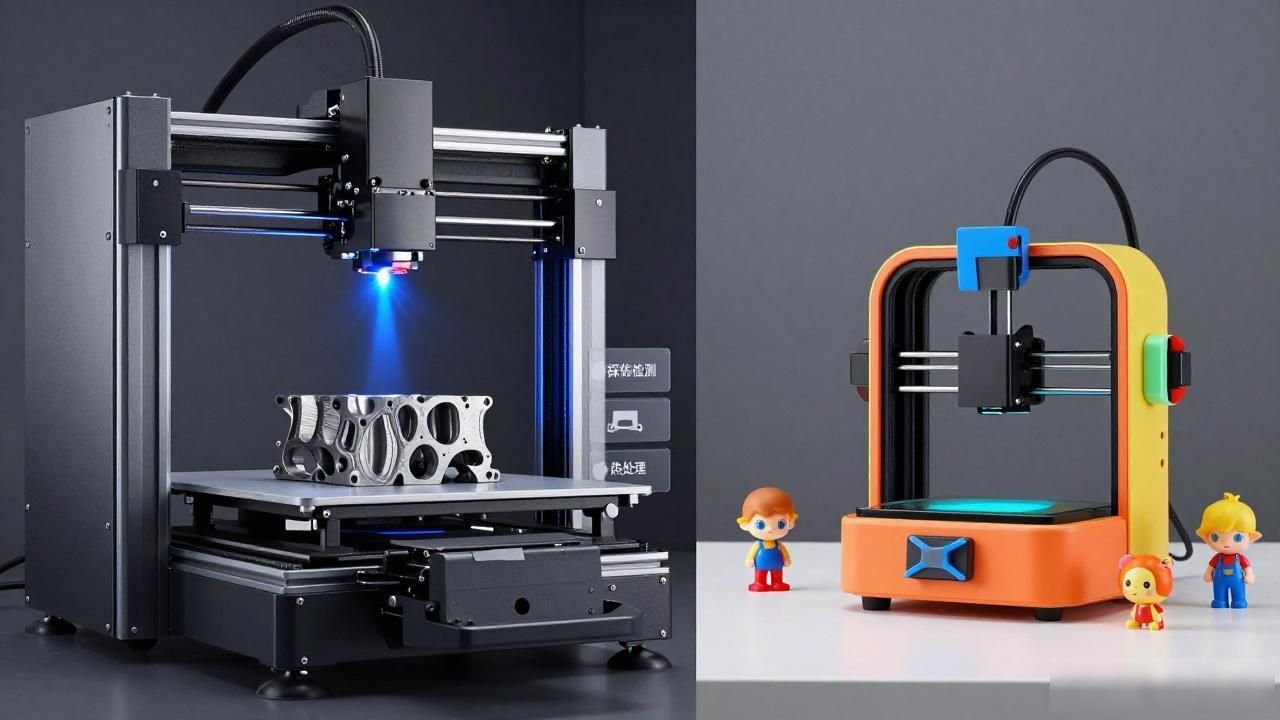


What is the difference between industrial 3D printing and desktop computers?
For the same metal part, I went to two companies to quote, and the price difference was three times as big. When most people encounter this situation, their first reaction is to feel that they have been unfairly treated or deceived. In fact, the money is not in vain. The root cause of such a big difference is deeply hidden in the details of the accuracy level of the equipment used, the specific type of material, and the subsequent processing technology. Only when you understand all the details of the expenses involved, will you truly have a clear idea.
Accuracy and Stability
Industrial-grade equipment is more stable in terms of positioning accuracy and repeatability, and the dimensional consistency of parts made in the same batch is very high. Desktop machines are greatly affected by temperature and humidity. If the same file is printed a day later, its size may drift by a few tenths of a millimeter. If it is placed on an assembly, the difference will be very obvious.
When you are making assemblies or assembling large models composed of multiple parts, the error of a few tenths of a millimeter will accumulate little by little, and finally become gaps that can be directly seen by the naked eye.
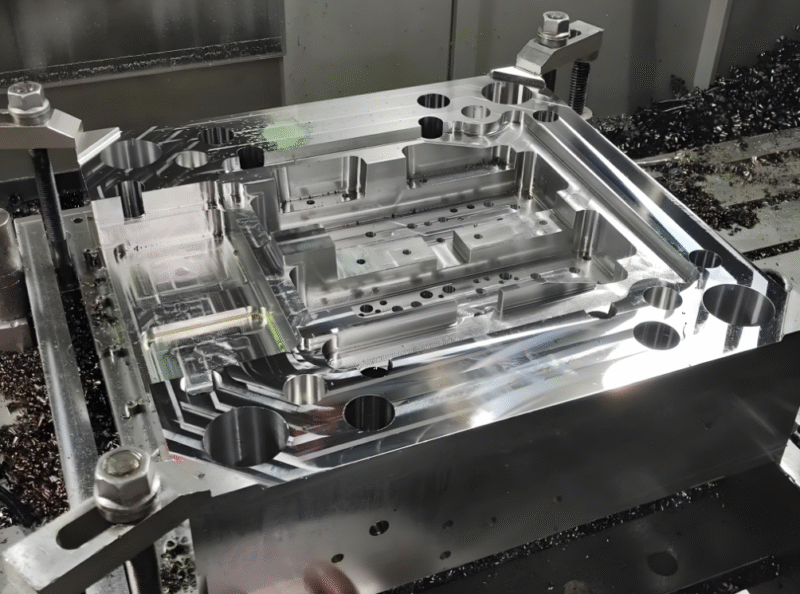
When processing metal parts, our tolerance requirements will be more stringent, so the assembly gap is usually controlled within a few tens of microns. In this regard, desktop-level equipment on the market basically has no way to meet such needs.
Material properties
Industrial-grade equipment can use engineering resins, and nylon can be used in industrial-grade 3D printing and desktop machines. What is the difference? Metals can be used, and even high-temperature alloys can be used. The types and scope of its materials are much wider. Desktop machines mainly use PLA, mainly ABS, and mainly PETG. Its strength and temperature resistance are relatively limited, and it is very difficult to create structures or outdoor devices that can withstand strength.

The biggest difference between 3D printed metal parts and traditional metal processing is that printing technology can directly create structures with complex inner walls, and can also create variable density structures to reduce weight. However, its surface roughness is relatively poor, so post-processing methods are needed to make up for the shortcomings. In addition, the production process of metal parts also involves links such as flaw detection and heat treatment, so the entry barrier is not low.
Molding size
Normally, the format width of desktop-level equipment is maintained in the range of 200 mm to 300 mm. When processing larger objects, block splicing must be adopted. This approach will not only increase the number of seams, but also cause a very large post-processing workload.
In comparison, industrial-grade equipment has larger format specifications. Since there are fewer parts and components, it performs better in terms of overall structural strength and final appearance. What is saved in this process is not just a simple time limit.
In the process of metal parts processing, the overall cost of the seam treatment plan implemented for the splicing area of oversized components is relatively high. Therefore, it is necessary to fully and comprehensively consider the precise layout of the joints and the corresponding structural strengthening techniques in the early planning stages of product design.
If you wait until after manufacturing is completed to perform remedial repair work, it will usually result in a reduction in structural strength, and the resulting subsequent rework costs will be even higher.
Post-processing capabilities
In this step of printing, you can often only get something in a rough state. What really determines the final appearance of the finished product is the post-processing steps of polishing, dusting, priming, spray painting, silk screen printing, and electroplating. Industrial-grade service providers usually provide a complete set of post-processing production lines, so that the delivery of finished products can be completed in one stop.
Desktop-level gamers can only rely on themselves to find solutions. If the surface treatment is not done properly, even a model with extremely precise appearance will appear to be in a semi-finished state. As for the need for electroplating and anodizing processes, as well as related operations involving embedded metal parts, these technical processes cannot be completed in an ordinary desktop environment.
When to use which
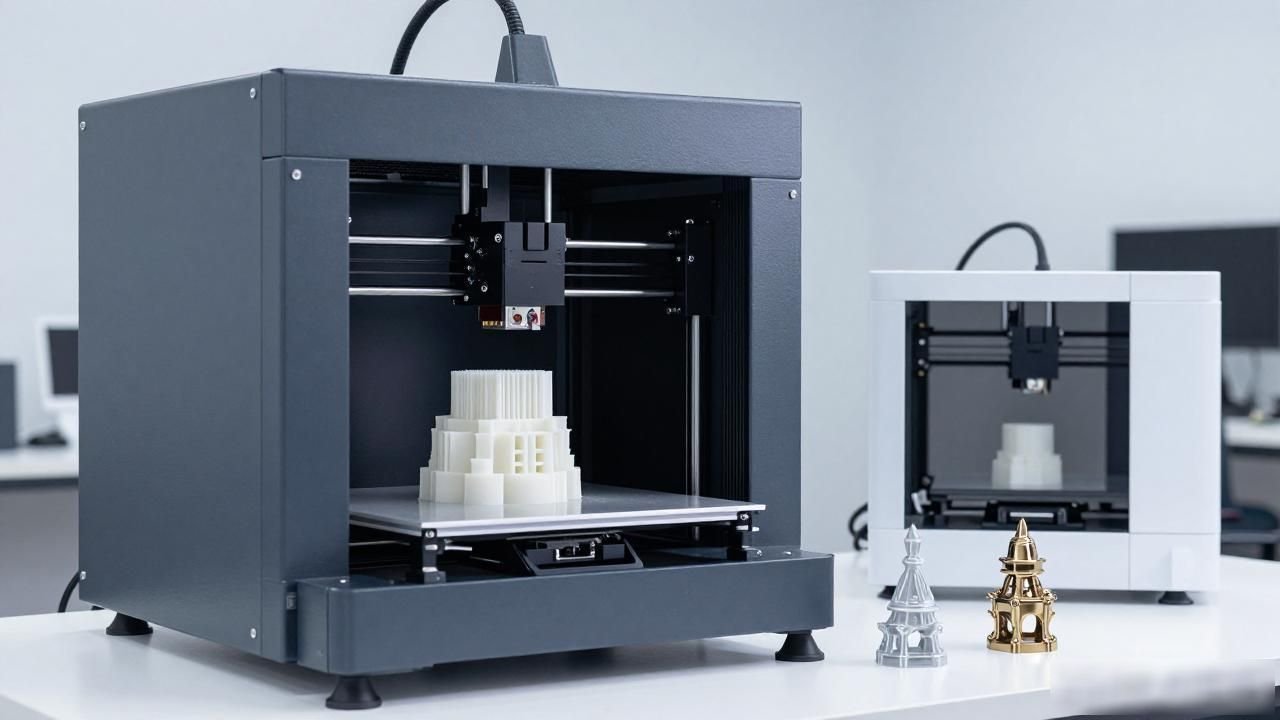
If you are making small-sized cultural and creative products or simple structural verification, desktop-level equipment is completely sufficient. However, if you want to make graduation project models, exhibition displays, or create art installations that need to be displayed for a long time, it is recommended to directly choose industrial-grade machines, because this can be reliably guaranteed in terms of accuracy and materials.
For those metal parts that have assembly accuracy requirements and need to be used in outdoor load-bearing environments, material performance is an insurmountable hard indicator. Although parts produced using desktop 3D printers are feasible in indoor environments only for appearance display or preliminary verification, if they are put into high-intensity use scenarios, these parts will not be able to withstand the corresponding mechanical loads.
Therefore, users must not cut costs in the selection of such key materials and processes, otherwise the final product will not meet the strength requirements required by the design.
Cost structure and supplier selection
The price of a metal part includes the cost of modeling or data processing, printing man-hours and materials, post-processing labor costs, structural reinforcement costs, and packaging and transportation costs. The difference in quotations is particularly large, often not because the printer itself is more expensive, but because its caliber for post-processing and structural reinforcement are different.
You need to go to the supplier and ask three things clearly. First, ask about the model and format of the equipment. Then, ask what materials can be used. Finally, ask whether the post-processing work will be done by yourself or outsourced. After these three questions have been asked, you can basically see the extent of the other party's true capabilities. Then, it will be of practical significance to compare the price figures.
Have you ever encountered a big difference in price when quoting 3D printing before? Welcome to share your relevant experiences in the comment area. If you find this information useful to you, please like and share this information with friends in need.



No comments yet