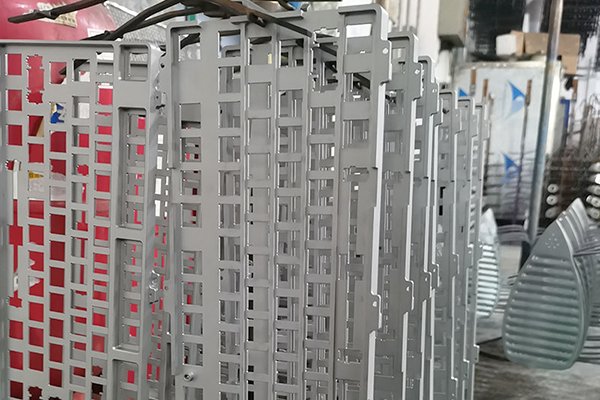


Common problems and solutions in metal parts processing
In the spoken and written expressions of modern people, when engaged in the metal parts processing industry, if there are errors in material selection, deviations in accuracy, and inability to effectively control costs, these situations will lead to daily quarrels in the production workshop. Next, these three major pain points need to be dismantled and described in detail one by one.
If the wrong material is selected, it will be scrapped directly.

It was 2025, and there was a factory in Dongguan specializing in marine valve body manufacturing. They used ordinary 304 stainless steel to make the shell part. After immersing such a product in a seawater environment for up to three months, pitting corrosion occurred and led to perforations, which eventually caused the entire batch of goods to be returned.
Later, the plant decided to switch to 2205 duplex stainless steel, which significantly extended the service life measured in salt spray testing to a full five years. Therefore, before officially selecting materials, all key parameters such as medium, temperature, and pressure must be clearly listed. Never rely on past experience to make blind decisions.
Parts that must withstand high temperatures and pressures, such as turbine disks in aircraft engines, must use a nickel-based alloy called Inconel 718.
By 2026, a domestic aero-engine related company has applied titanium alloy TC4 material to the blades. In this way, the weight has been reduced by 12%. However, correspondingly, the cost of cutting processing has increased, and the increase has reached as much as 40%.
When it comes to selecting materials, it is definitely not that the more expensive the better, the most important key point is whether the process technology used can effectively complete the corresponding manufacturing tasks, and it also depends on whether the final cost can achieve a good bottom-line guarantee, that is, whether the cost is controlled within an acceptable and reasonable range.
Accuracy deviation hurts customers the most
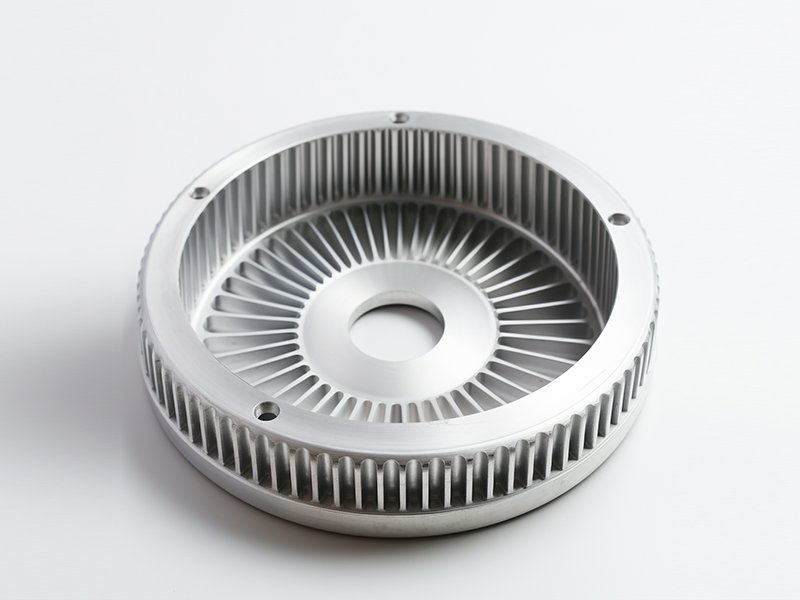
The tolerance requirement for titanium alloy bone nails in medical devices is plus or minus 0.02 mm. In 2025, a CNC workshop in Suzhou failed to replace the tools in time due to tool wear, resulting in a batch of 200 bone screws being scrapped out of tolerance, resulting in a direct loss of more than 150,000 yuan. Nowadays, standard manufacturers will measure the three-dimensional coordinates after every 150 pieces are processed. Once any problem is found, the tool will be adjusted immediately.
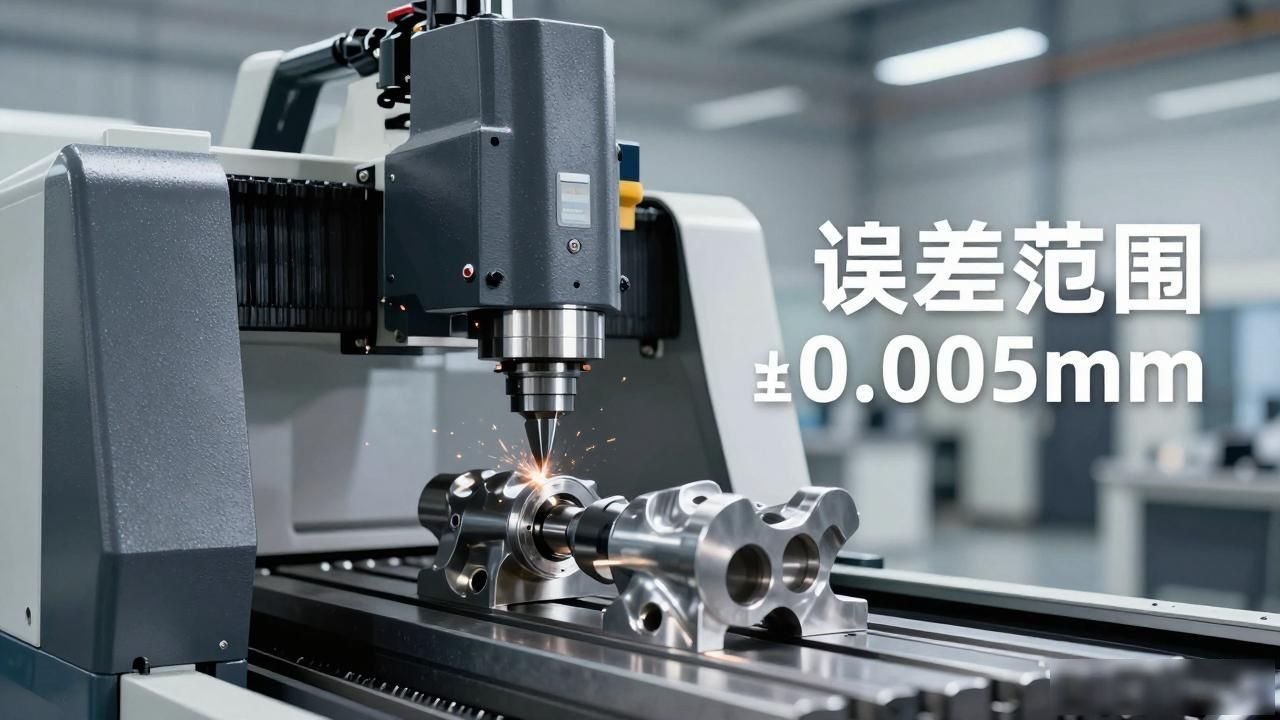
Five-axis machine tools have the ability to strictly control the machining accuracy of complex curved surfaces, and the error range can be reduced to as small as plus 0.005 millimeters, but the price of such a piece of equipment is at least two million yuan.
In 2026, a precision parts processing factory in Shenyang installed a DMG brand five-axis machining center. The scrap rate during the production process dropped from 3.8% to 0.4%. Within a year, it could save nearly 800,000 yuan in quality inspection and rework costs. After overall calculation, it only takes more than two years for the investment in equipment to recover the cost.
Costs cannot hold down profits and thin profits
In 2025, it is certain that the price of 6061 aluminum ingots will rise from 18,000 to 23,000 per ton. However, the processing fee did not change accordingly. In this case, the profit margin of the factory is very, very thin.
An auto parts manufacturer located in Ningbo made an adjustment. They changed part of the milling process to CNC turning process. This change reduced the working time for a single product from the original 18 minutes to 7 minutes. Because of the reduction in working hours, this factory saves more than 600,000 yuan in electricity expenses and labor costs every year.
Supply chain management is actually quite critical. For example, by the time of 2026, there will be an electronics factory in Shenzhen that will outsource all CNC processing and heat treatment to other supporting manufacturers in the same park.
In this way, a lot of logistics costs are saved, and the markup earned by middlemen is also avoided. After calculation, the comprehensive cost is directly reduced by 11 percentage points. For those customers who want to place small batch and multi-variety orders, they are all looking for flexible production scheduling capabilities. Everyone must not stick to the old idea of mass production, that won’t work.
Tools and lubrication are hidden costs
Using a carbide milling cutter until the end of its entire service life can save most of the time of tool replacement. But by this time in 2025, a variety of brands are domineering in the tool market. The tool life of some brands is only one-third of the life of imported products.
A factory in Chengdu, Sichuan, after uniformly replacing Sandvik brand tools, the frequency of tool replacement was reduced from once an hour to once every four hours. In this case, unplanned downtime was reduced by 62%.
The amount of cutting fluid is quite large, and it can easily cause allergic reactions in workers.
By 2026, many factories will begin to try to apply MQL, a minimum quantity lubrication process. In this way, the amount of cutting fluid will be greatly reduced by about 90%. At the same time, the cutting temperature can be reduced to an index range of 15 degrees, and the service life of the tool can be significantly increased by about 20%. If all costs are included in the comparison, the overall economic benefit is more cost-effective than the traditional wet cutting method.
Production scheduling chaos and delayed delivery
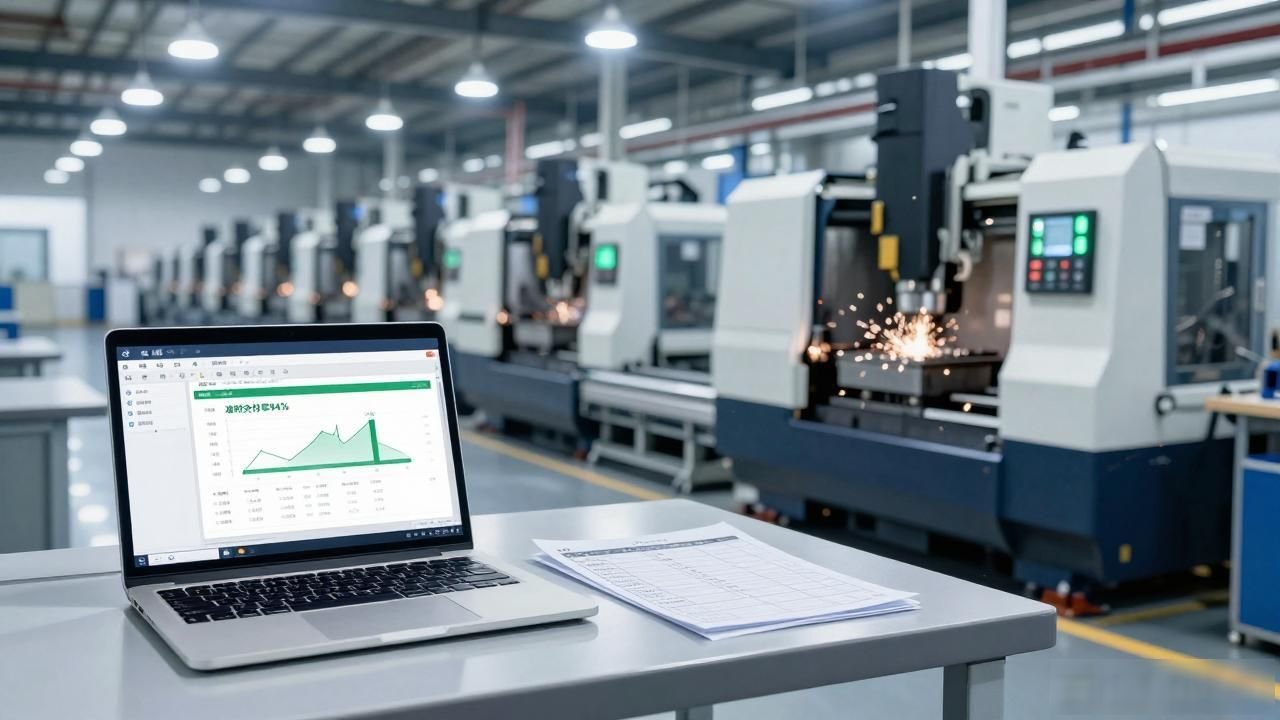
In 2025, a CNC factory in Kunshan received more than 40 loose orders. Production scheduling was all done using Excel tables. As a result, order insertion and machine collisions were the norm, and the average delivery was delayed by more than five days. By 2026, this factory has installed an MES system, orders can be automatically split into work orders, and work is dispatched according to equipment load. The on-time delivery rate has increased from 71% to 94%.
Now this flexible production line has become more and more like a big trend. By the time 1926 was reached, there was a factory in Taicang. They came up with a method, which was to string together three CNC machines and an automatic cleaning tank to form a production line.
When it's time to work the night shift, there's no need for anyone to be there watching. As a result, the daily production capacity increased from a level of 300 pieces to a scale of 520 pieces. After all, the average output per person has almost doubled. At the same time, the pressure of recruiting employees has also been reduced a lot.
Environmental compliance is getting tighter
Starting from 2026, many places require that the cutting fluid in CNC workshops must achieve closed-loop recycling. If a company is found to be discharging waste liquid directly, if caught, it will be fined at least 50,000 yuan. For example, a factory in Wuxi spent 1.2 million yuan to install a waste liquid filtration and recycling system.
After one year of operation, this equipment saved 280,000 yuan in waste liquid treatment costs. It took more than three years for the factory to make back the money it invested. In addition, this can avoid the risk of being fined due to environmental penalties.
Exported products need to meet the requirements of REACH and RoHS regulations. In 2025, there was a factory in Shenzhen. A batch of aluminum parts it produced was returned in batches by European buyers because the lead content in them exceeded the standard. In the end, they lost more than 400,000 yuan in compensation.
Now before we accept this order, we must ask consumers to confirm the ingredient report of that material. Never wait until the goods have been produced and then get stuck.
Which work item is the most worrying thing in your factory now? You can express your opinion in the comment area. If you think this content is really helpful, click the like button and forward it to your colleagues.


No comments yet