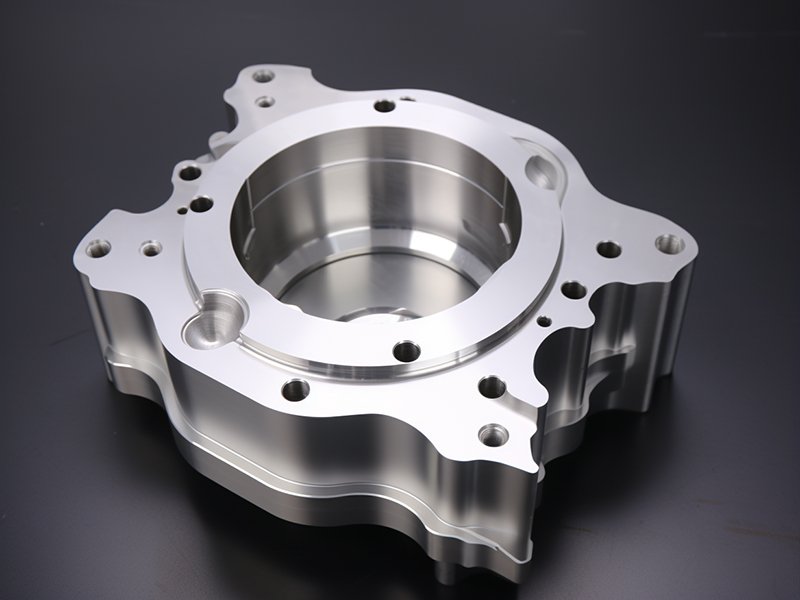


Challenges and opportunities in the metal parts processing industry
At the beginning of 2026, the metal parts processing circle group dedicated to making complaints suddenly became as lively as a frying pan. What everyone is talking about is that the price of materials has increased, the shipping time has been very long, and a lot of money has been fined due to environmental issues. However, in the process of receiving orders, the demand for small quantities of customization is indeed coming in more and more.

Fluctuations in raw material prices disrupt the pace of quotations
In 2025, the price fluctuation range of aluminum ingots and 304 stainless steel prices will exceed 22%. Many CNC machining factories still quote customers the old price. Then the customer waited a full two weeks before placing the order. As a result, by that time, material prices had increased by 8%, which was a pain point in the metal parts processing industry . Just like that, most of the profits were directly eaten up.
Factories that are currently in relatively stable operating conditions will sign at least quarterly price-locking agreements with two or three suppliers. At the same time, they have increased the safety stock of key panels from one week to three weeks. Even if it takes up a little more capital, they will not hesitate to spend money to purchase them when prices increase later.
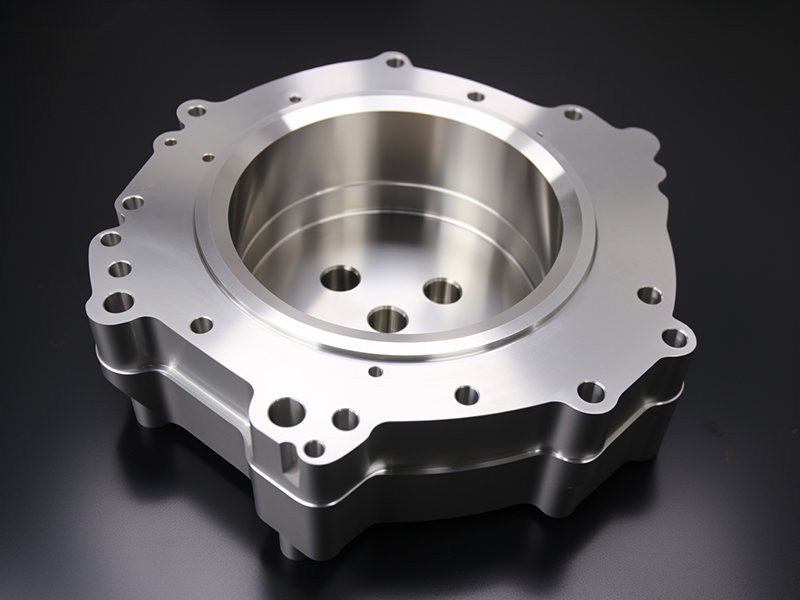
The delivery time of imported parts has doubled and the production schedule is in chaos
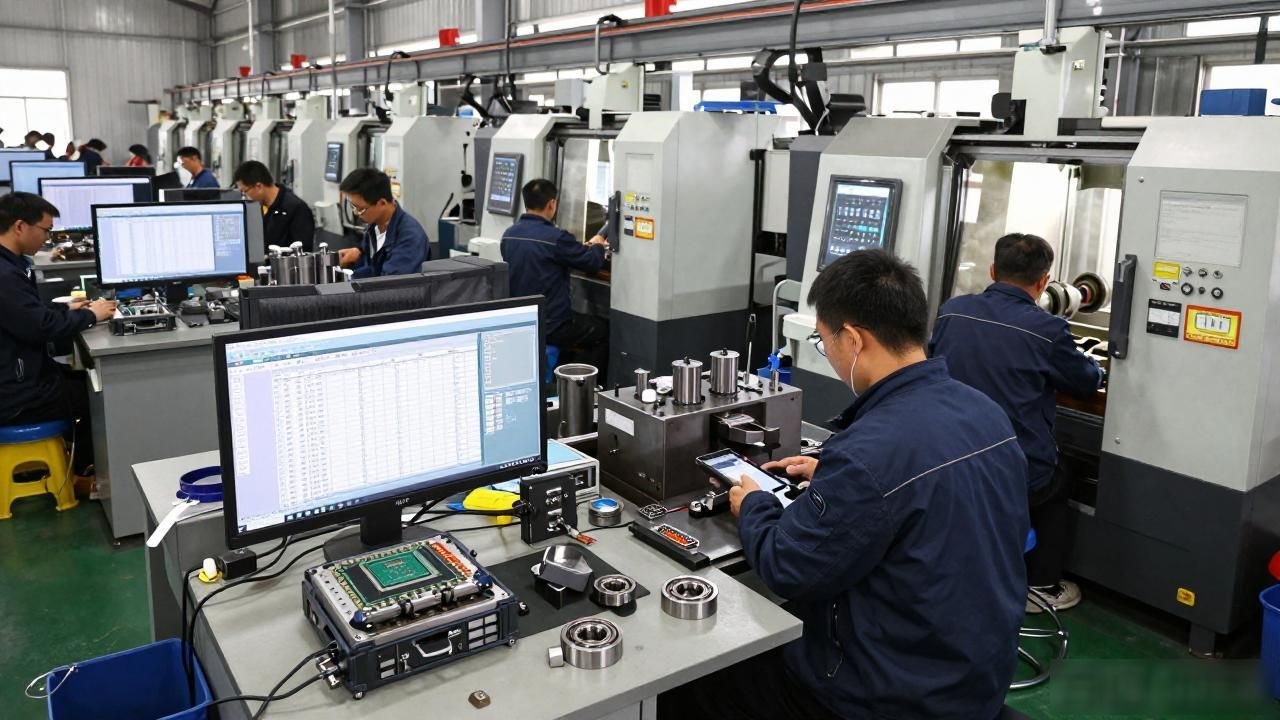
In the second half of 2025, the import delivery cycle of CNC system chips and precision bearings will be extended to more than 16 weeks. For several medium-sized processing plants in the Yangtze River Delta region, because of this situation, their production schedules for three consecutive weeks had to be canceled and rescheduled.
Some companies simply spent more than half a year verifying those domestic replacement parts. Although the cost of testing was not low in the initial period, as long as everything can be successfully run in the end, the risks caused by supply chain interruptions will be directly reduced by a lot, and when subsequent maintenance is needed, it will become more convenient.
Old three-axis equipment cannot handle complex parts
Nowadays, a large number of main equipment in the workshop are still three-axis CNC. Once customers provide products such as five-axis thin-walled parts or multi-cavity structures, the scrap rate can reach more than 15%. So orders slowly flowed to five-axis workshops in Jiangsu, Zhejiang and the Pearl River Delta region.
As of 2026, large factories in the industry have already used five-axis machine tools with associated online laser inspection functions. As a result, the time required to process a single product has been shortened by about 40%. However, the starting price of this equipment will reach as much as two to three million yuan. Therefore, for small and medium-sized factories, even if they grit their teeth and decide to purchase new equipment, they still tend to replace it slowly. At present, everyone is in a wait-and-see state.
Small batch custom orders become the main growth driver
For the small-volume customized parts required in the medical device field, consumer electronics industry and aerospace industry, the order volume will increase by approximately 35% in 2025 compared with 2023.
At the same time, the customer has put forward clear requirements for production delivery. These requirements include that the starting quantity is at least ten pieces, the cycle for completing production and delivering goods needs to be controlled within two weeks, and the tolerances during processing are very strict. The error must be controlled within the range of minus 0.02 mm to plus 0.02 mm.
Those factories that can handle the work have integrated parametric modeling and automatic programming. As a result, the prototype cycle has been reduced from five days to two days, and the customer's repurchase rate has also increased significantly. To be honest, the profit from this is much higher than selling standard parts in large quantities.
Environmental ledger forces workshops to change processes
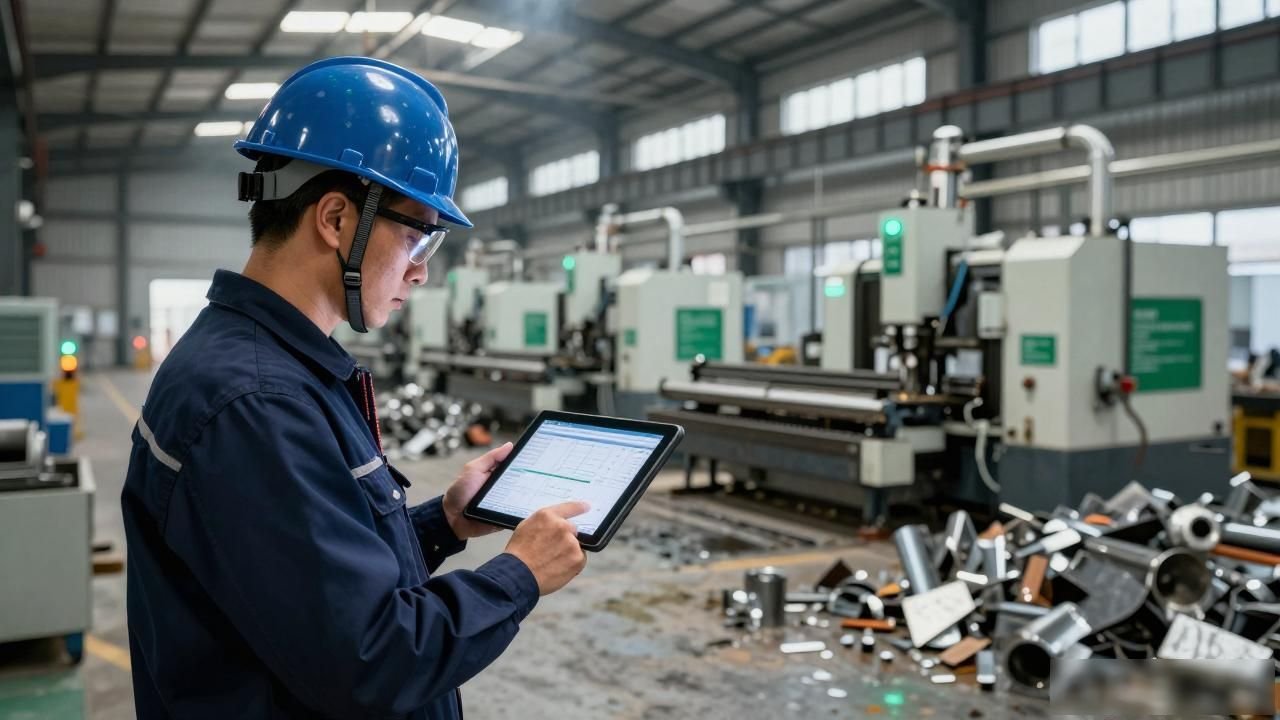
By the end of 2025, in many cities in the Yangtze River Delta and Pearl River Delta regions, relevant departments will require companies to recycle cutting fluids and classify waste chips, and formally write them into environmental ledger records. Once inspections find that the standards are not met, they will directly order production to stop and make rectifications. As a result, many small factories were forced to pay hundreds of thousands of yuan in fines within a week or so.
One factory invested more than 800,000 yuan to buy centralized cutting fluid filtration equipment and a waste chip briquetting assembly line. As a result, the annual processing cost has been reduced by more than 20%, which is a pain point in the metal parts processing industry , and it has also received a certification mark as a green factory. This became an extra bonus when I went to bid.
Only by sorting out four things at the same time can you grab the order
Simply put, it refers to the pain points of the metal parts processing industry in the four aspects of supply chain, equipment, customization capabilities, and environmental compliance. If there is a shortcoming in any one of these links, it may be choked by competitors. There are not many factories that can properly handle these four things at the same time in 2026.
Don't wait for a particularly big plan to appear suddenly like falling from the sky. Break every annoying problem into separate items to implement it. First make sure to hand over the things, and then think about making money. This is much more practical than just shouting slogans.
Which specific link is the most worrying in our factory now? Does this link involve material issues, equipment issues or environmental issues? You can go to the comment area to express your thoughts. If you think this answer is indeed useful, please like it and forward it to your colleagues for them to see.


No comments yet