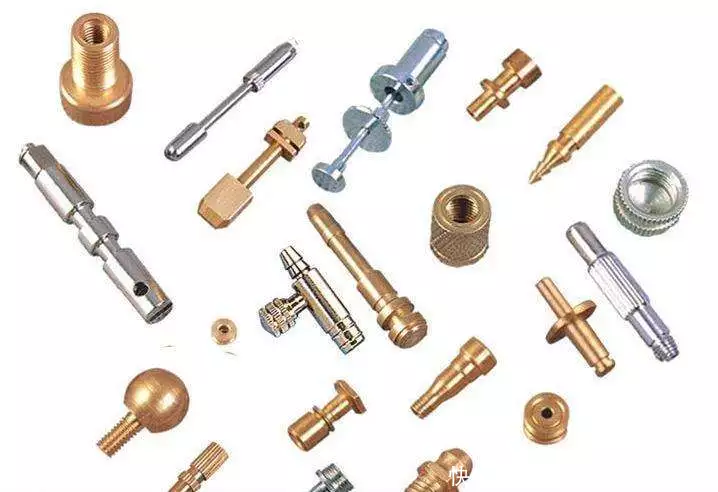


Analyze the core technological competitiveness in non-standard precision machining
At first glance, it seems that anyone is capable of processing non-standard parts. However, once the micron-level tolerance accuracy is required, the situation is completely exposed. At this time, the cost of choosing the wrong processing factory, resulting in rework and delays, is not only a few times, but much higher than the processing fee that was previously planned to be paid.
Micron-level precision is the real threshold
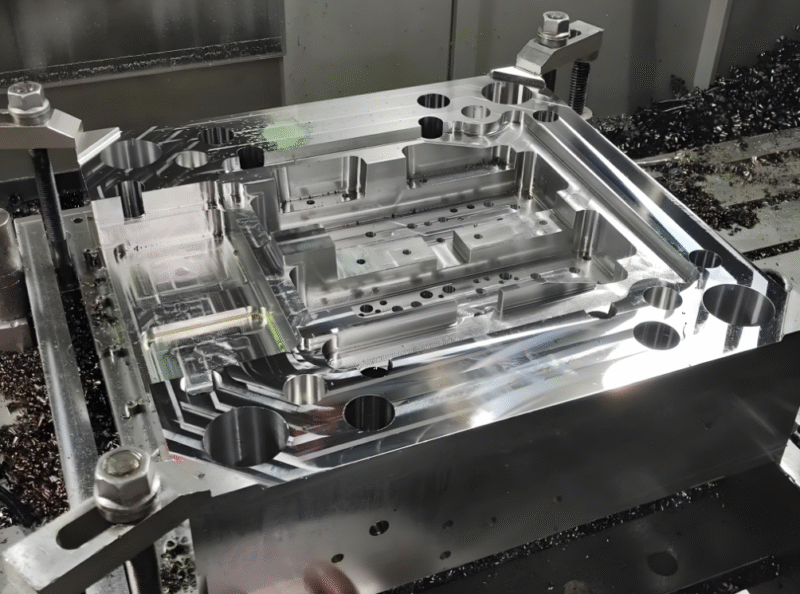
The tolerance requirements for metal precision parts are set at a value of 0.002 mm, which is roughly equivalent to the width of a hair cut into twenty parts.
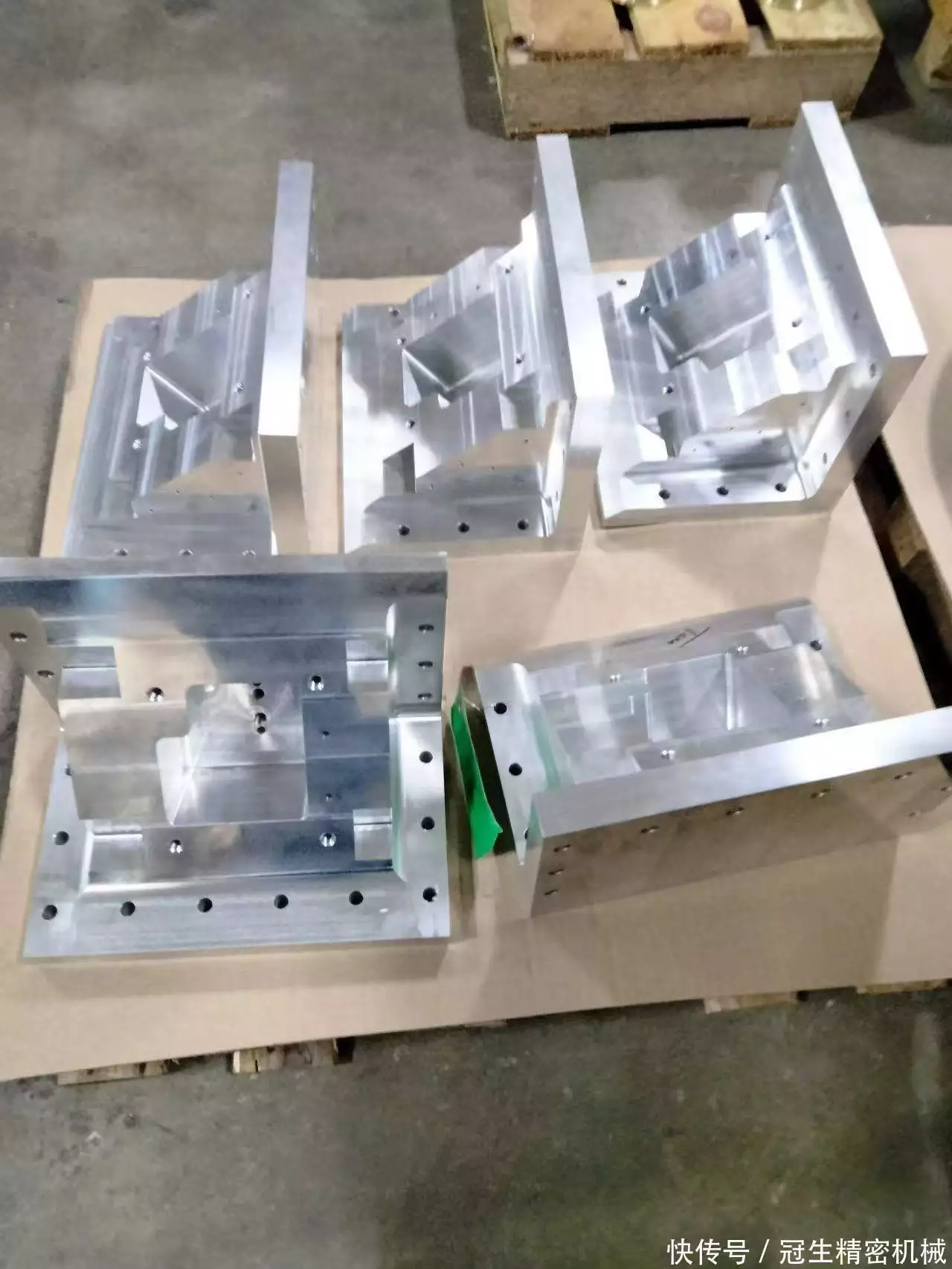
Leading workshops in these industries located in Dongguan and Suzhou have put into use five-axis CNC machine tools. The form and position tolerance control capabilities of this equipment can be suppressed to within two microns, while ordinary three-axis equipment has absolutely no way to meet this standard in terms of technical performance.
Nanoscale processing technology is mainly concentrated in the two tracks of aerospace and semiconductors. In China, there are less than ten production lines that can stably carry out mass production and complete delivery. After the special support measures introduced by the Ministry of Industry and Information Technology were implemented in 2025, several companies engaged in embodied intelligence in Suzhou and Wuhan slowly increased their production capacity.
Efficiency and quality must be maintained at the same time
In a high-rigidity high-speed machining center, if the processing speed exceeds tens of thousands of revolutions, the stiffness characteristics and thermal stability of the equipment are the most basic bottom line that must be met. If any of the surface roughness, dimensional tolerances, and body position tolerances of these parts exceeds the allowable range, the entire batch of products will be rejected and must be re-manufactured.

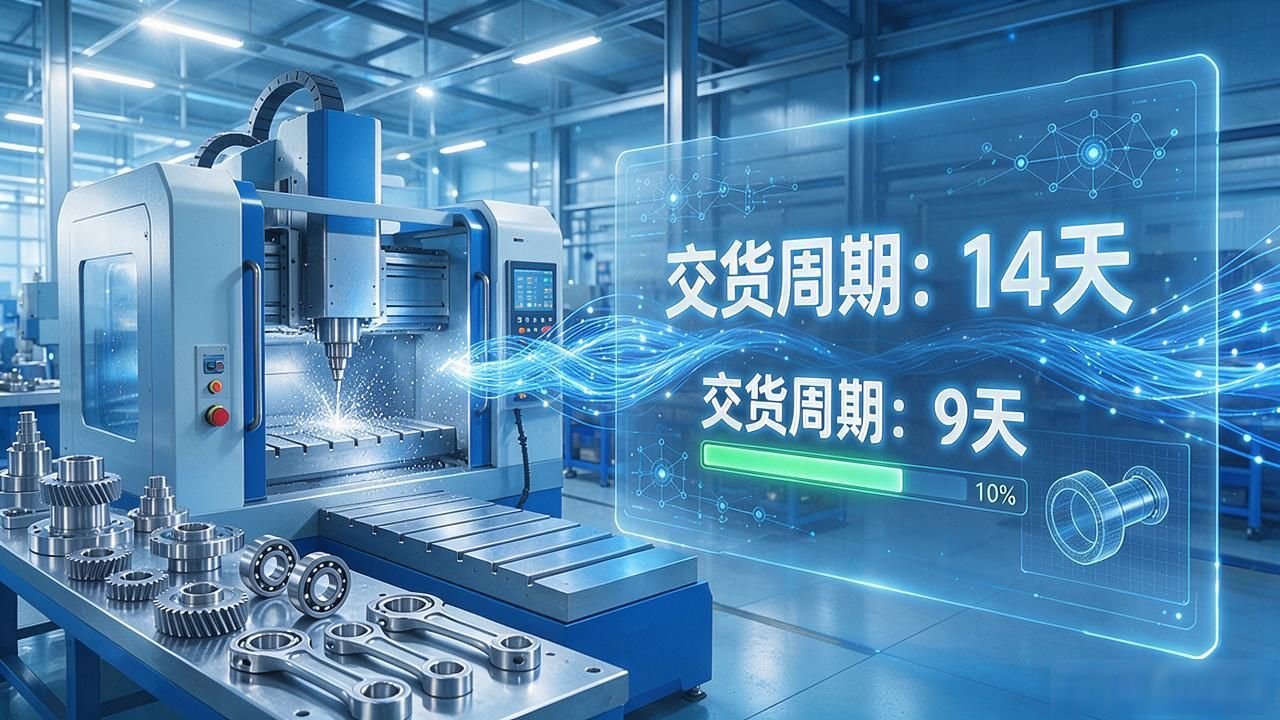
Entering 2024, the average delivery cycle of the domestic precision hardware industry has been compressed. It used to be 14 days, but now it has become 9 days. This is mainly achieved by relying on online detection and real-time artificial intelligence compensation technology.
For smaller manufacturers, their equipment conditions cannot adapt to this fast-paced change, and they still need to rely on experienced masters and use vernier calipers for manual measurement. In this case, the core technical competitiveness in non-standard precision machining will be analyzed, and the work efficiency will be significantly different.
Material properties determine process route
Titanium alloy and inconel high temperature alloy, these two materials are suitable for milling and turning. As for aluminum alloy, if you want to use CNC fast cutting, it is the most efficient. What about plastics and ceramics?
Then you have to use laser cutting or ultrasonic cutting. If you don't choose the right process method for materials, then the scrap rate is likely to soar to 40%, and the resulting rework costs will definitely far exceed the processing fee itself.
Starting from 2025, auto parts suppliers must be required to produce material traceability reports. This report must be able to check the entire chain from the smelting furnace batch number to the heat treatment curve. For those processing plants that cannot produce such a file system, the OEM will directly cut off the cooperative relationship.
Shape complexity matching equipment selection
If it's a simple stepped spindle, then a regular lathe will do. But if it is a shell workpiece with a complex curved surface, a five-axis machine tool must be used. When the size of the workpiece exceeds 800 mm, the equipment stroke and the rigidity requirements of the fixture will increase sharply. In this case, a special working platform needs to be equipped, and the spindle needs to have sufficient horsepower.
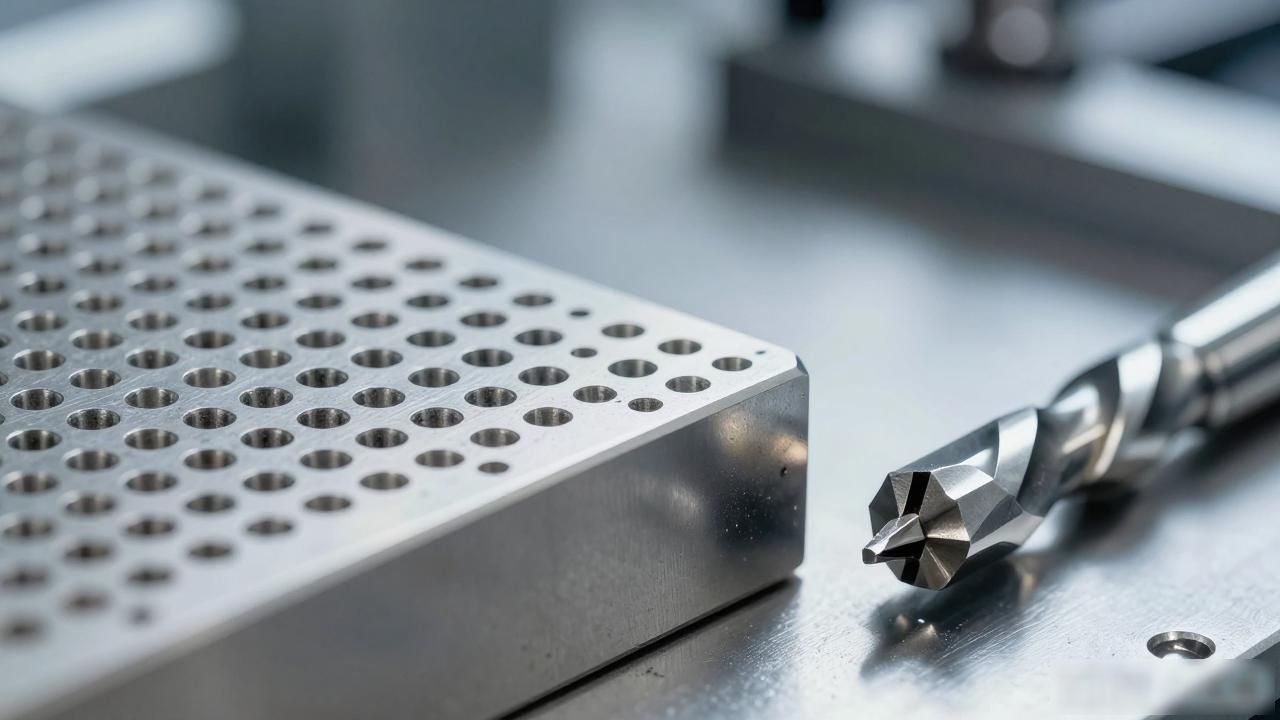
In the current precision instrument industry, the core competitiveness of non-standard parts processing companies is that in order to process micro-hole arrays, people usually use the electric discharge machining method, because the hole diameter there is reduced to 0.1 mm. In this case, ordinary drills are absolutely impossible to get in.
For this kind of work, you can only find a factory with special medium or slow wire-feeding equipment to complete the processing task. According to relevant statistics, there are no more than 30 manufacturers nationwide that can truly undertake this kind of work.
Equipment and talent are the key to confidence
The landing price of a high-precision five-axis machine tool is two million to three million, but the core competitiveness of non-standard parts processing companies that can really make it achieve stable accuracy is a master with more than three years of machine adjustment experience. In 2025, there will be a shortage of more than 20,000 front-line machinists in the industry. The core competitiveness of non-standard parts processing companies cannot be snatched away.
This industry belongs to the leading non-standard equipment manufacturers, and the team has ten to fifteen people who are engaged in mechanical design. From looking at the customer's drawings, to formulating the process route, to designing the fixture plan, these tasks are all done internally in a closed loop. After directly cutting off the outsourcing link, the production delivery time was shortened by more than half. Because costs are well controlled, the quotations given are more competitive than before.
Intelligence becomes a watershed in the future
After 2025, the leading manufacturers will all launch digital twin systems and online SPC systems. The processed data will be updated in real time and pushed to the cloud, so that after placing an order, customers can see the progress as long as they turn on their mobile phones. However, small and medium-sized enterprises still use Excel to schedule production and rely on phone calls to inquire about the progress.
In the aerospace and medical device fields, the requirements for full traceability are becoming more and more stringent. In the next three years, those processing plants that have not deployed MES systems will be expelled from the supplier list by major customers, and the industry concentration will further increase.
When you hold non-standard parts that need to be sent out for processing, the biggest headache for you is that the accuracy cannot meet the standards, or that the entire supply cycle is always delayed. You are welcome to talk about the bad experiences and pitfalls you have encountered in the comment area. If you think this content is valuable to you, please give it a like and forward it to your colleagues in the industry.


No comments yet