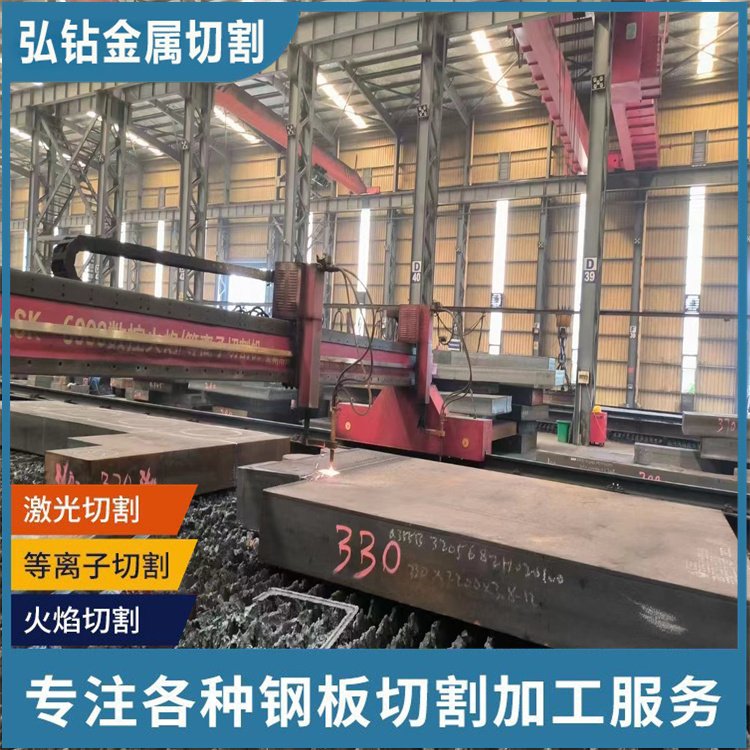


Wuhu medium and thick plate CNC blanking-Q235B steel plate cutting plasma processing
In the cutting and processing of 45# steel plates, the specifications are wrongly selected, the blanking precision is not enough, and the riveting and welding connections are not successful. These three problems are pitfalls that almost every master who makes medium and thick plates has encountered.
Common specifications and thickness range of 45# steel plate
45# steel is a medium-carbon quenched and tempered steel material. Its common thickness range varies between 6 mm and 100 mm. The width of the plate is mostly set to 2000 mm or 2500 mm, and the length is within the range of 6000 mm to 12000 mm.
As for the local processing plants in Suzhou, the goods they reserve are mainly concentrated in the period of thickness from 10 mm to 40 mm, and those products with thicker specifications beyond this range need to be customized by placing special orders.
When choosing specifications, we absolutely cannot just look at the thickness. We also need to confirm the surface quality and the chemical composition.
For the material 45# steel, its carbon content is kept within the range of 0.42% to 0.50%, and its yield strength is at least required to reach a value as high as 315MPa. Before officially cutting the material for processing, everyone must check the grade issues very carefully, and there must be no mistakes. For example, do not use materials such as Q235B as 45#. If you make a mistake, the entire subsequent heat treatment process will be in vain, and all your efforts will be wasted.

Process advantages of CNC plasma cutting
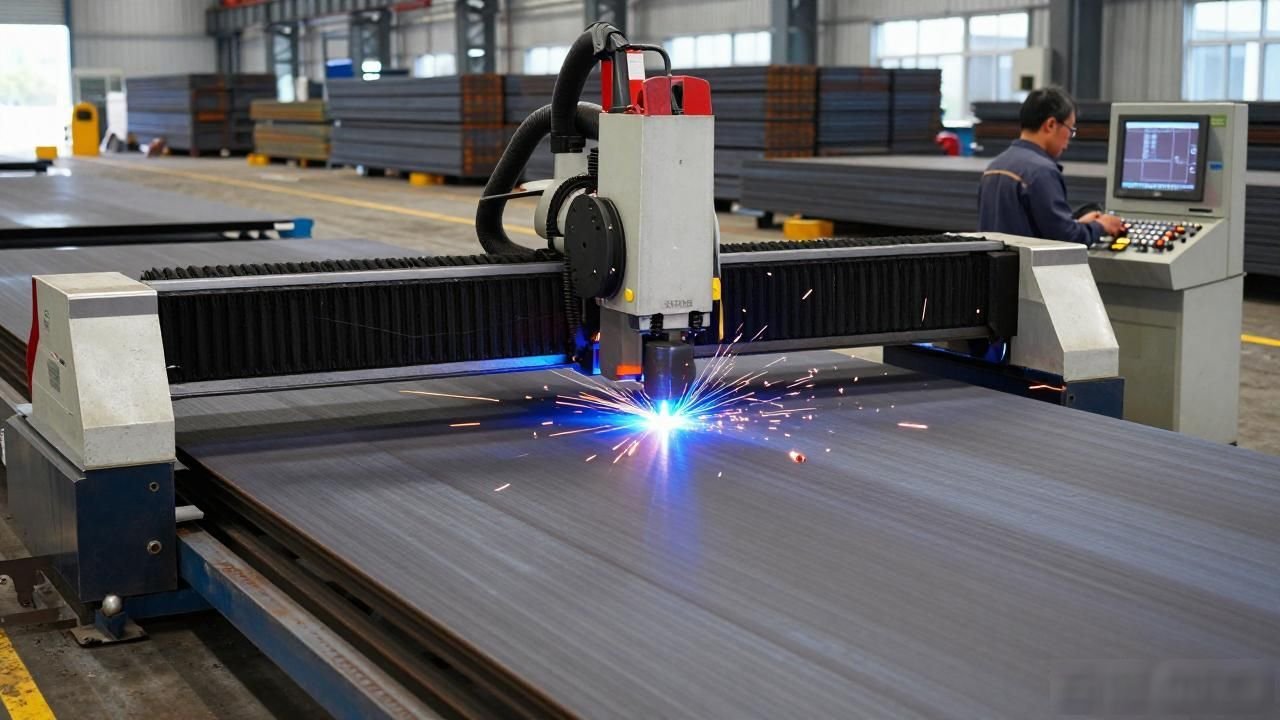
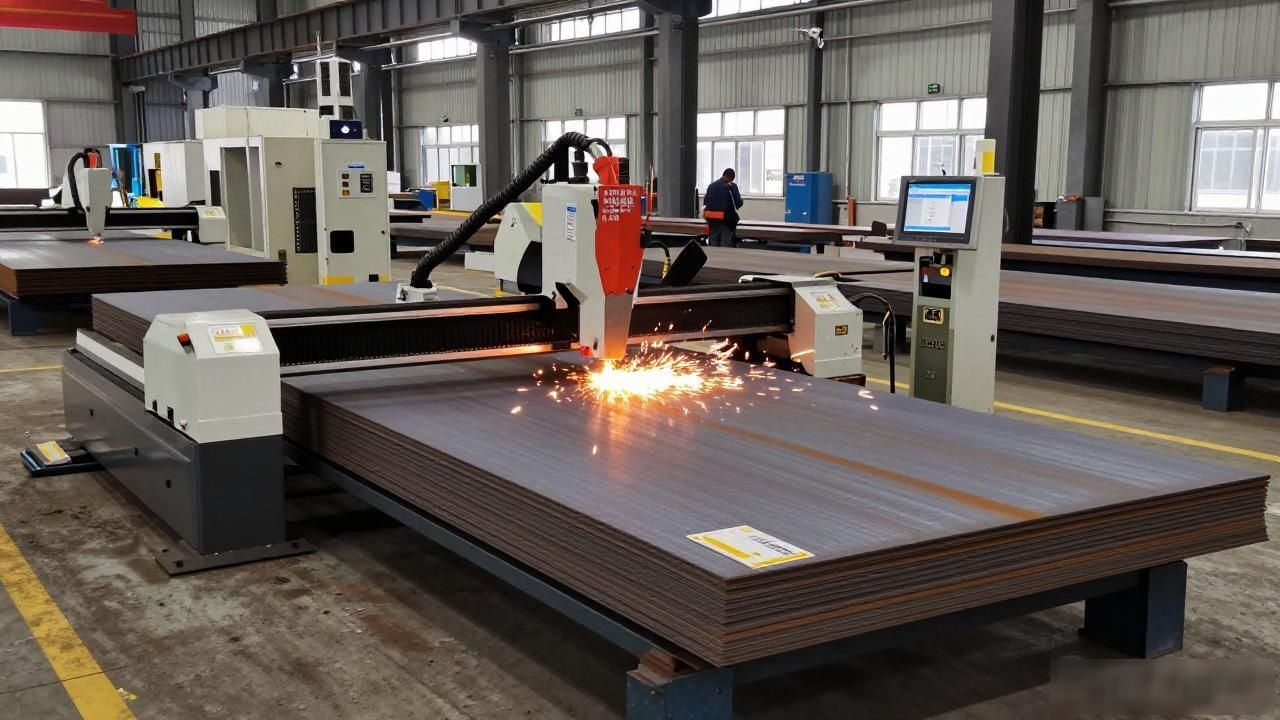
The efficiency of plasma cutting of medium carbon steel such as 45# is very high. Its speed is two to three times faster than flame cutting. The cut cut is relatively narrow and the heat affected zone is relatively small. In the Wuhu area, when using medium-thick plates for CNC blanking, plasma equipment with a current of 300A to 600A is usually used. There is no problem at all for cutting thicknesses above 30mm.
In the specific actual operation process, the relevant drawings need to be imported into the CNC system, and then the cutting speed and air pressure are set. Then the equipment will automatically control the tool to perform walking operations. Compared with the traditional manual cutting method, the size deviation range can be suppressed within an interval of less than 0.2mm. This meets the accuracy requirements to a large extent, so that the subsequent riveting and welding process basically does not require additional trimming work.
How to ensure the cutting accuracy of medium and thick plates
The key to accuracy lies in two steps: first, when loading and positioning, after placing the steel plate in place, use vacuum adsorption or mechanical clamps to lock it firmly to prevent the steel plate from shifting during cutting; the second step is to adjust the compensation amount of the tool. The focusing distance of the plasma arc needs to be modified accordingly according to the actual thickness of the steel plate and the specific material conditions.
The routine operation of the workshop is to use a dial indicator to calibrate the equipment. After every 100 pieces of products are cut, the quality must be randomly inspected. At the same time, the relevant records of the batch inspection need to be saved for forty-eight hours for later use. If the supervision unit or customer comes to investigate, the data information can be directly retrieved without the need for reprocessing and rework. This can save time and material costs.
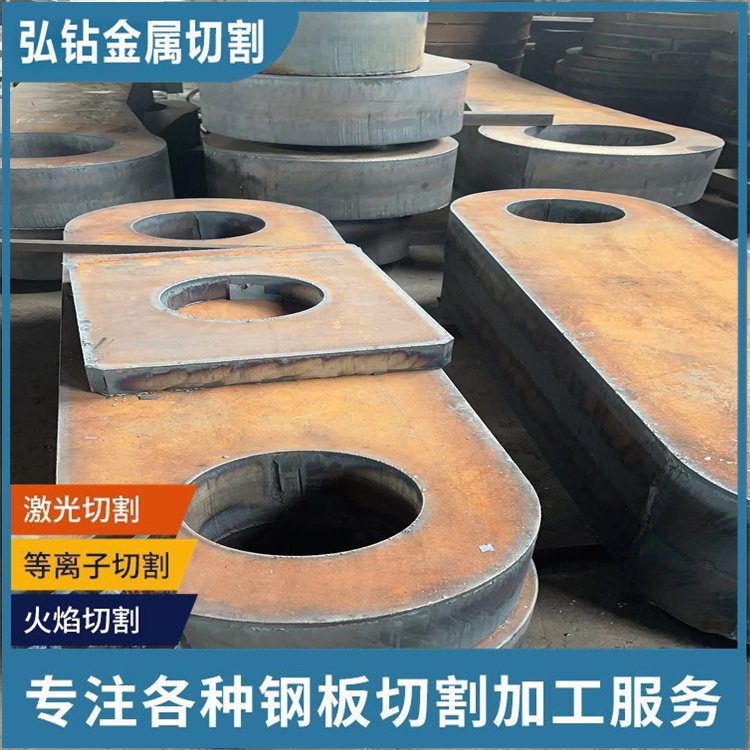
Integrated cutting, riveting and welding operation
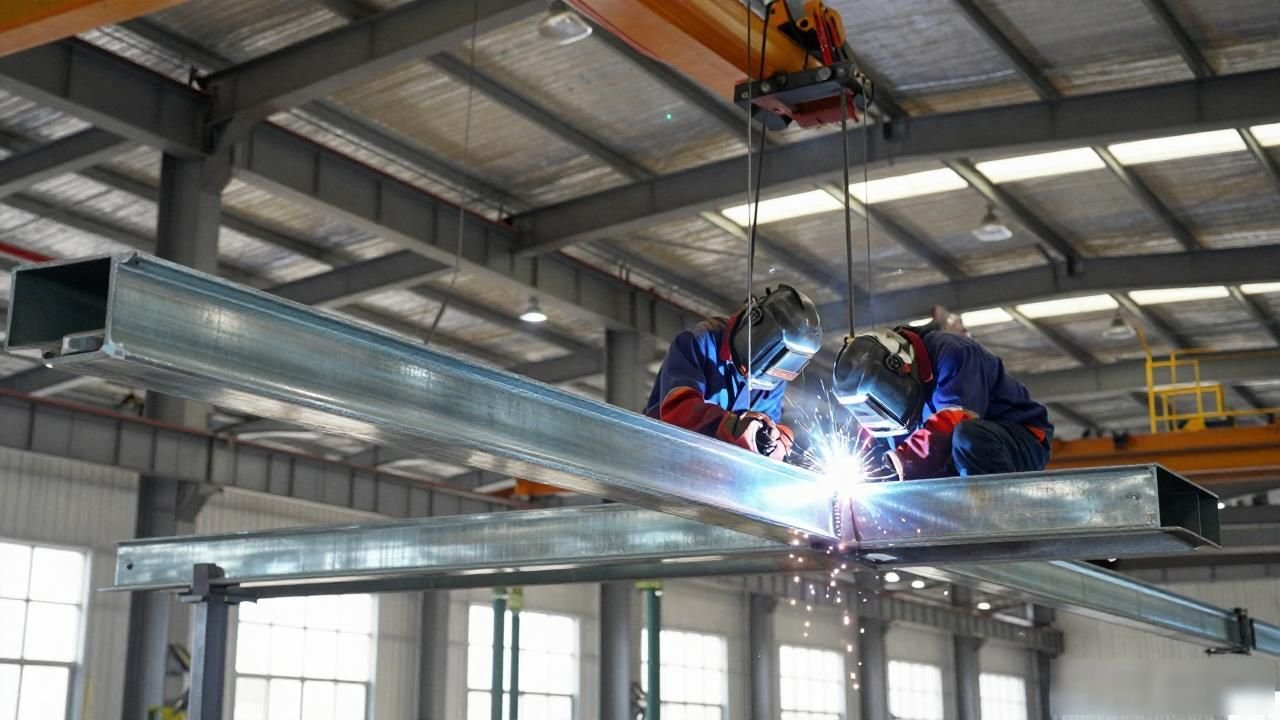
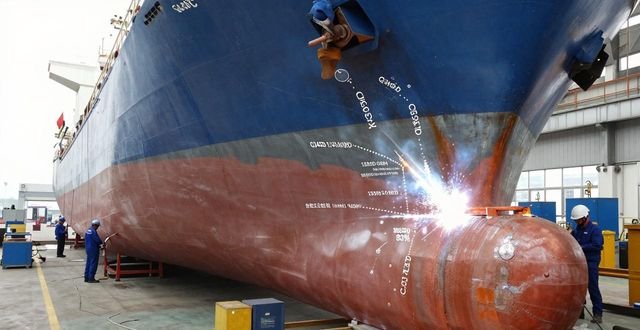
After the cutting and blanking work is completely completed, it will be sent to the riveting and welding station for processing. The direct benefit of this is that it saves the transportation in the middle. How full the weld can be is a rigid indicator that must be strictly achieved during the acceptance process.
Once defects such as slag inclusions, blisters or undercuts are found, repair must be arranged immediately. At the joint location, neither the steel plate nor the screw can be deformed or warped.
When materials enter the site, batch inspection must be done first. For 45# steel, the heat treatment status must be clearly confirmed. Before welding, the bevel must be made by plasma cutting or flame cutting. After the welding is completed, a visual inspection must be carried out. Anything that does not meet the standard must be returned in batches and must not be mixed with qualified products.
Environmental and construction work requirements
According to rigid regulations, when the ambient temperature is lower than 5°C, no construction work can be carried out. In winter, if the cutting of medium and thick plates is carried out in Suzhou or Wuhu, the workshop must be closed. If necessary, warm air or electric heating should be added for construction, and the temperature should be above 5°C within 48 hours before and after construction.
The process of spraying and anti-corrosion is the same. After everything is completed, the thickness needs to be checked one by one. If it is found that the material thickness on any board is not enough, re-spraying operation is required. If any defects are discovered during the construction process, they should be dealt with immediately. Do not wait until acceptance to discover the problem, otherwise the cost of rework will directly increase to twice the original value.
Practical cases of Suzhou steel plate cutting
There is a mining equipment factory in Suzhou Industrial Park. It purchased 45# wear-resistant lining plates in batches last year. The specific specification requirement is a thickness of 12 mm and a size of 2000 times 6000 mm. Then it used CNC plasma blanking and riveting welding. Because it is more efficient, the construction period of a batch of 80 plates was shortened by four days.
In recent years, the market demand for wear-resistant lining plates has increased very rapidly, and the consumption of 40Cr and NM series materials has also increased significantly. If you find a processing factory to purchase, you need to directly report the specific specifications and required quantities.
At the same time, important questions such as whether the plates are cut using existing inventory or specially newly rolled plates should be asked clearly. Because the production cycle of the two will be very different. Never act confused or unclear during the production scheduling process.
Where you are responsible for the cutting of medium and thick plates. After cutting the No. 45 steel plate, do you choose to complete the riveting and welding process by the internal team yourself, or outsource it to an external supplier? Welcome to the comment area to share your practical experience. If you find this content helpful to you, please give it a like and forward it to your friends in the same industry.



暂无评论内容