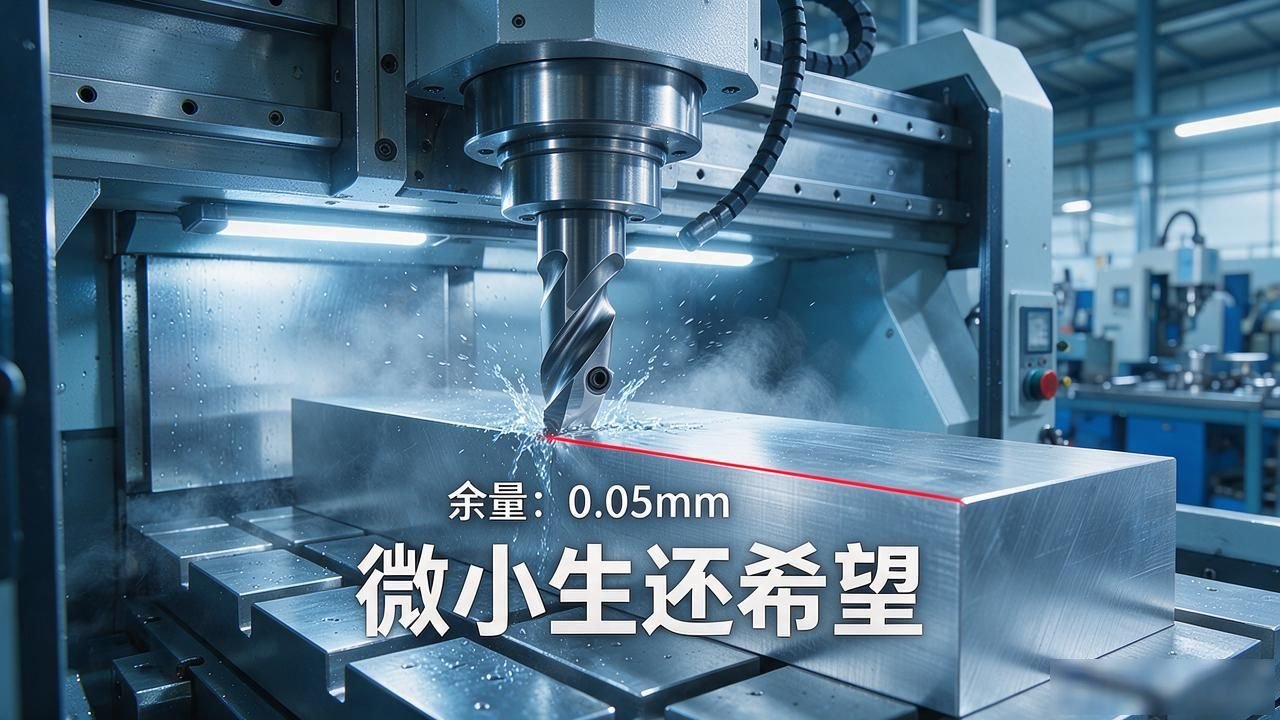


small
The word "tiny" was originally used by the ancients to describe people who were short and thin. But now the situation has changed, and "tiny" has become the two most valuable words in the precision manufacturing industry. Because there is a part that is so small that it can be calculated in microns. As a result, the cost of processing can become dozens of times what it was in the past.
Tiny ancient meanings and current usage
In the book "Xunzi Feixiang", it was written about Ye Gongzi's situation that he was "tiny and short", and then Yang Liang made an annotation. He said that the word "micro" means thin, which means that the original meaning means that it is so small that it is almost invisible. The ancients often said "do not leave out the small things". The actual meaning of this sentence is that even the most trivial things will not be missed. After entering the field of industry, The meaning of the word "tiny" directly corresponds to the part size at the micron level and sub-micron level.
"Book of Rites·Jingjing" says that "the light illuminates the world without leaving out the smallest things." Liu Zhiji criticized Ban Gu in "Shi Tong" for "all small things must be written down", which means that no matter how small things are, they must be remembered. Putting it into the actual situation of manufacturing industry, every tiny tolerance must be written into the drawing. If the marking of 0.01 mm is missed, the entire batch of parts will be useless.
Dimensional dividing lines for tiny parts
In related industries, we usually classify parts whose side length is less than 0.1 mm, or whose diameter is less than 0.1 mm, and the thinnest part is less than 0.05 mm, into the category of micro parts.
Typical practical examples cited here include micro gear components, high-tech products such as MEMS sensor chips, and titanium alloy electrode components used in cochlear implant devices. All in all, the overall volume size of all these tiny parts is expressed in a much smaller form than the common sesame we usually see.
What's even more terrible is that the surfaces of these tiny parts need to be processed with grooves and matching textures that are tens of microns deep.

Du Pengcheng once mentioned in his book "Defending Yan'an" about seizing the tiny hope of survival. For the specific situation in the processing workshop, the margin of a few tenths of a millimeter belongs to the hope of survival in this sense, because once too much is cut, the entire product will directly face scrapping.
Conflict between processing accuracy and materials
As the size of the part becomes smaller, the tools used in traditional turning and milling processes cannot be accommodated, and the radius of the tool is usually larger than the size of the part itself. When the thickness of the material is reduced to the sub-micron level, the heat generated during the cutting process will cause the surface morphology of the workpiece to deform due to high temperature.
Take the titanium alloy micro-stent used in the aviation field as a specific example. The thickness of this part is 0.3 mm. The moment the milling operation is performed, burrs will appear on the edge.
The yield rate is indeed more of a headache. A factory that supplies equipment for the aviation industry has made statistics. The data says that the initial pass rate of tiny titanium alloy stents is only a little over 60%, and the rest must be manually selected one by one.
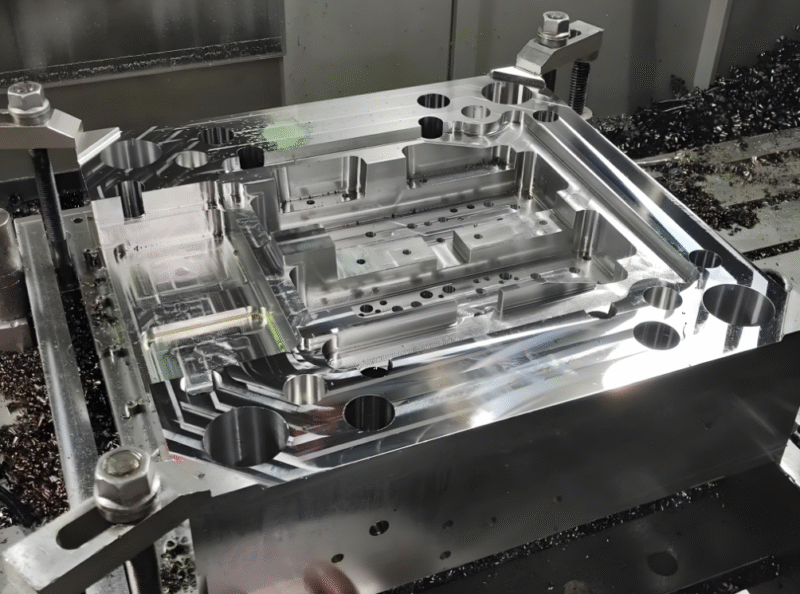
The quoted price of the five-axis micro-milling machine is as high as more than 2 million yuan. The average small and medium-sized factories simply cannot afford such equipment, so they can only outsource the work. In this way, the delivery schedule will start at least three months.
Core application scenarios
In people's daily lives, the largest place where tiny parts end up is medical implants. For example, the diameter of the titanium alloy microsprings used inside artificial heart valves is actually very small, less than two millimeters, but they must withstand up to hundreds of thousands of opening and closing fatigue during actual work.
Another example is those micro motors installed in mobile phone camera modules. The diameter of the circle formed by the coil is only a few tenths of a millimeter. Once such a thing is damaged, the subsequent result is that the entire camera part will be considered scrapped.
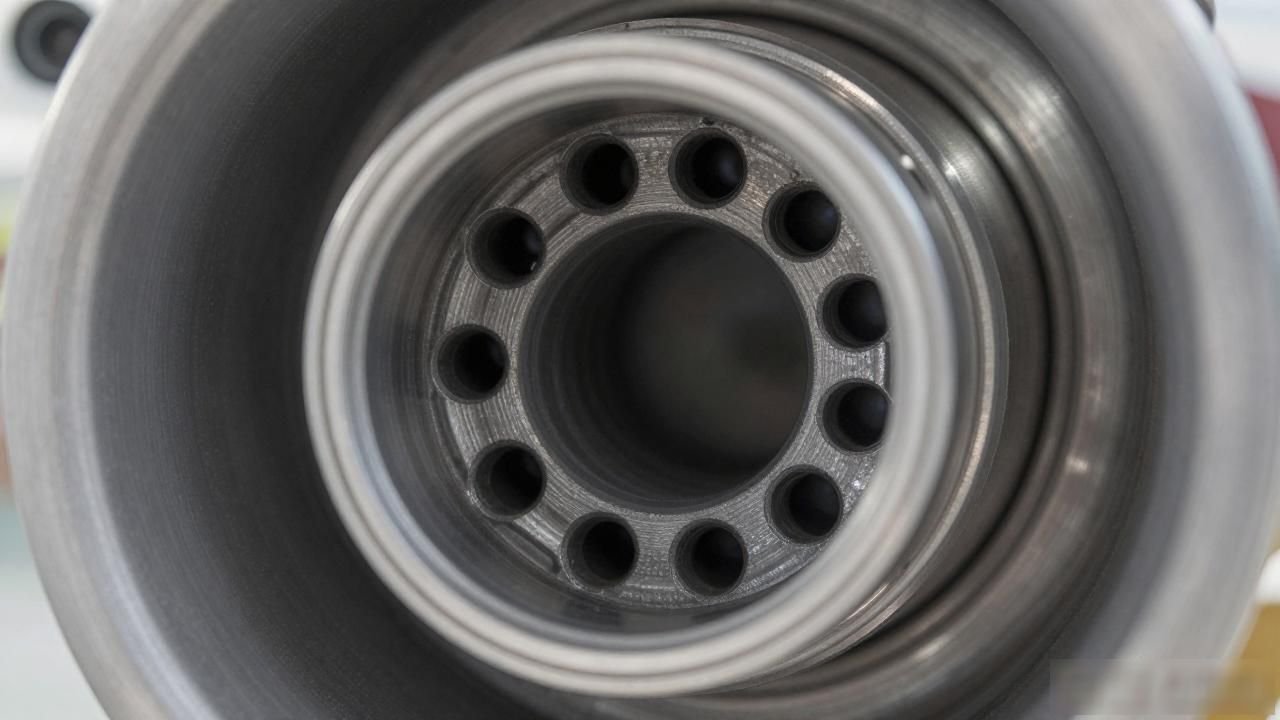
In the field of aerospace, people also rely on those tiny parts. Take the micropores in the engine fuel nozzle as an example. The diameter of the holes is no more than 0.1 mm.
Once the position shifts by 0.05 mm, the atomization effect will be affected. Qin Mu said when describing flowers that there are tiny cilia on the petals, but the precision requirements for industrial micro-parts are actually even more detailed than those cilia.
Equipment and process breakthroughs
The current mainstream approach is to use femtosecond laser micromachining and ultrasonic precision milling. The time has arrived in 2024, and there are indeed some domestic companies that have reduced the size of the laser spot to less than five microns.
In this case, with the use of five-axis linkage technology, the width of the microfluidic channel on the ceramic substrate can be made 20 microns wide. At the same time, their surface roughness can be controlled to within 0.2 microns, which is a very small value.
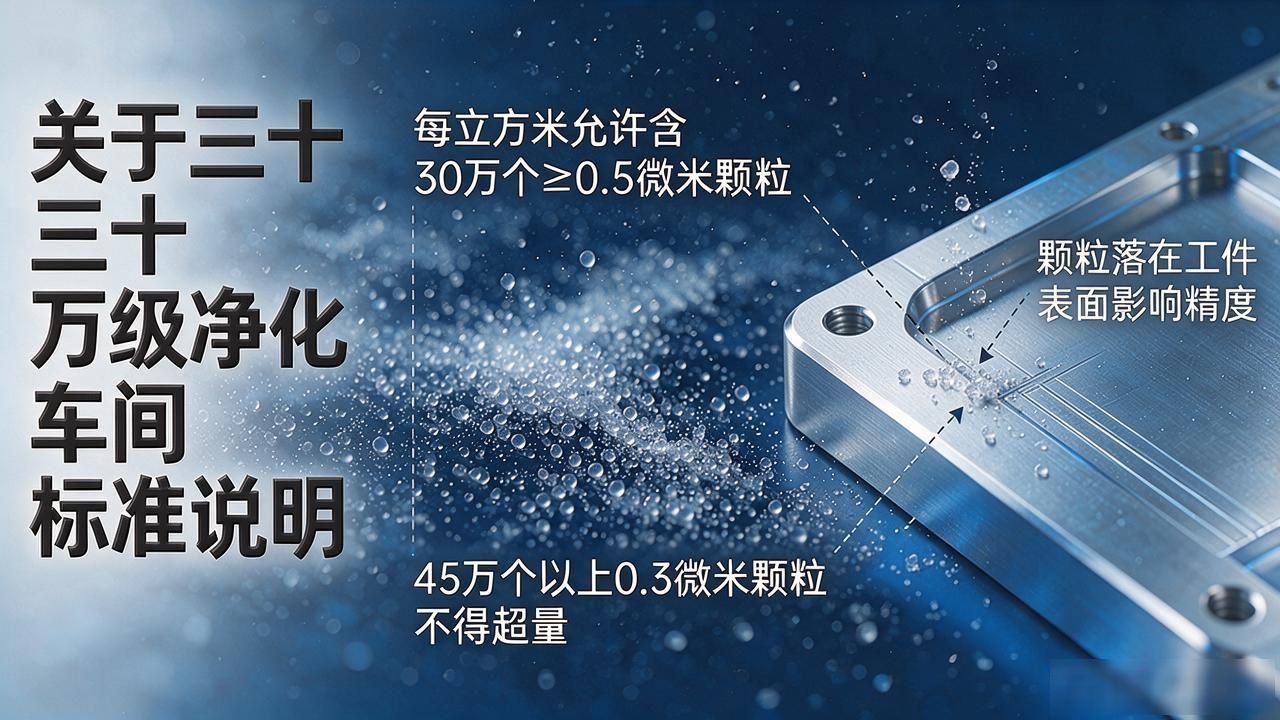
However, the quoted price of a piece of equipment is several million, and coupled with the relevant requirements for plant cleanliness, the total investment can easily exceed tens of millions. In the industry, there are no more than 20 manufacturers in the country that are truly capable, so there are many orders that are backlogged.
When the three-coordinate measuring probe encounters tiny parts, it will be difficult to position them. Many factories still use optical microscopes for manual reading operations.
In the field of micro parts processing, think about it, what is the real bottleneck? Is it the accuracy? Or the cost? Which of these two things is really blocking the necks of small and medium-sized factories?
You are welcome to chat and express your opinions in the comment area. If you think what I said is of some use, then give it a like and forward this content to your peers so that they all know about it.




暂无评论内容