


Medium-thick steel plate cutting technology and application analysis
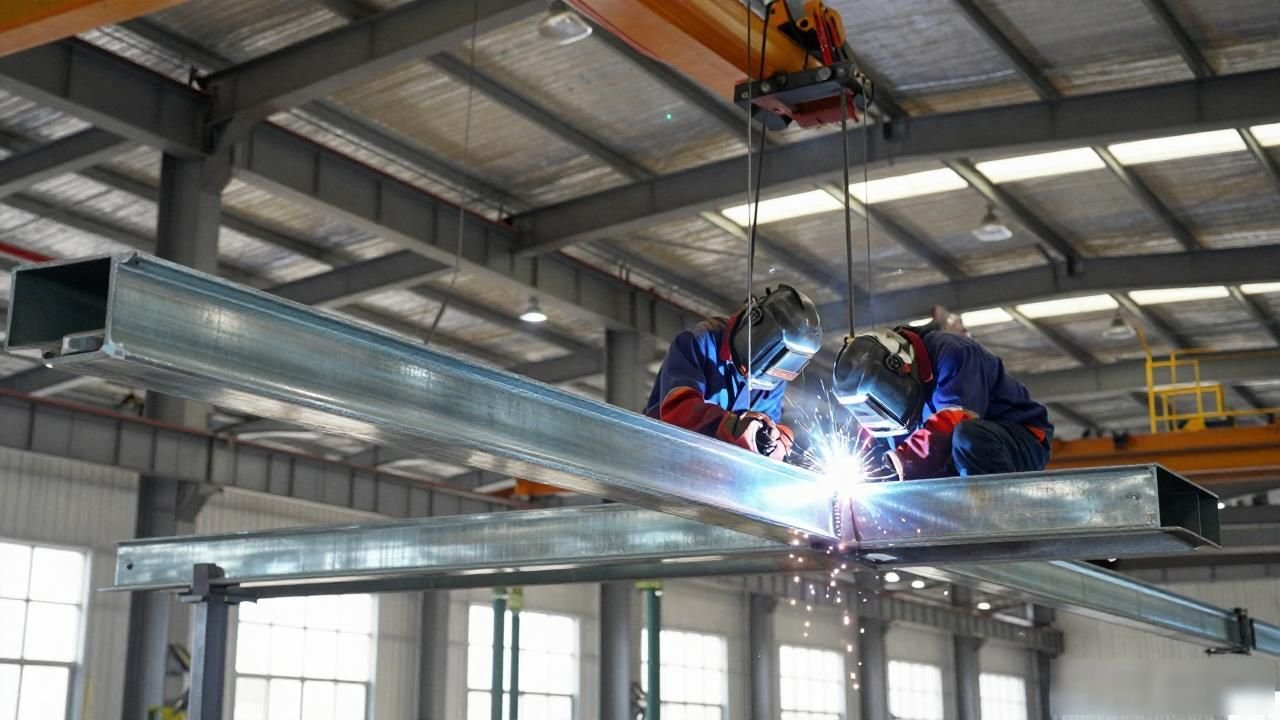
The medium-thick plates will deform after the cutting process, and the riveting and welding processes have to be reworked a lot. This situation has caused all the personnel of the shipbuilding manufacturers and heavy-duty heavy industry workshops to suffer for several years.

Thermal stress is the culprit of deformation
When the steel plate is being cut, the high temperature will be concentrated in the area near the incision, while the surrounding ambient temperature is relatively low . Underwater plasma cutting of medium and thick plates reduces riveting deformation , resulting in slower shrinkage, and the temperature difference creates residual stress.
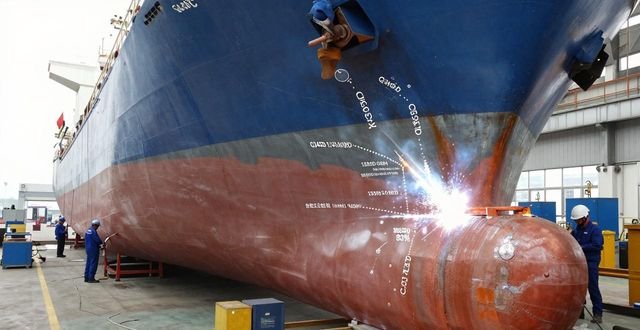
When the thickness of the board is larger, the heat-affected zone will become wider. Especially for those boards with a thickness of more than 40mm, they will often bend and warp after cutting. When the hull segments are assembled, the deformation exceeds the specified standard limit, and the rework rate remains at a high level.
The input is the largest during flame cutting. For plates with a thickness of more than 20 mm, the edges will be severely oxidized after cutting, and the amount of deformation will be particularly large. This will directly double the man-hours spent on subsequent riveting and correction.
The input during plasma cutting is smaller than that of flame cutting. However, if medium-thick plates are cut in batches and continuously, the accumulation of heat will still cause local warping deformation. As a result, the time required for the riveting process will also increase.
Use water as a heat shield
Underwater plasma cutting is performed at a depth of ten to fifteen meters from the water surface. The water will have a very rapid cooling effect on the area where the arc is located, so the width of the heat-affected zone will be 30% to 50% narrower than when cutting in the air. Since the overall temperature rise of the steel plate is not very large, and the residual stress is relatively small, there will basically be no deformation when taking things out of the water after cutting. The amount of work required to go to the site for correction is greatly reduced.
By using a medium-thick plate with a thickness of 50mm to measure the actual value, when the cutting speed is in the range of 80mm/min to 120mm/min, the thickness of the edge oxide layer will be strictly controlled within 0.3mm, and the amount of material that needs to be polished is reduced by half compared to air cutting.
Before performing the riveting and welding operation, there is no need to do those large-scale correction actions, thus directly saving a production process, shortening the time consumed in processing a single product by more than ten minutes.
Current speed matches plate thickness
For a ten millimeter thick plate, the current should be set in the range of three hundreds to three hundred and fifty amperes, and the cutting speed is one hundred and fifty millimeters per minute; for a twenty-five millimeter thick plate, the current value needs to be increased to five hundred amperes, and the cutting speed should be reduced to ninety millimeters per minute; when processing a fifty millimeter thick plate, the current must reach more than seven hundred amperes for underwater plasma cutting of medium-thick plates to reduce riveting deformation . The running speed is maintained at about 60 millimeters per minute.
If the parameters deviate from the above specifications, the material will either fail to be cut, or the workpiece will be deformed due to excessive heat input. It can be seen that the automatic matching of parameters by the CNC system is far more stable than manual operation.
People know that the resistance value of water is greater than that of air. Under the condition of using equal current, the power generated by the arc will be slightly reduced. However, the water cooling method can make up for this loss. In the actual operation process, a closed-loop feedback system will be used to monitor the temperature and automatically make fine adjustments to the cutting speed and current size to ensure that the cutting accuracy of the same batch of plates is consistent and reduce the deformation difference between different batches.
Layout method affects subsequent riveting welding
Before starting the cutting work, you can use intelligent layout software to operate, which can increase the utilization rate of the plate to more than 92%. The contour of the cut parts will be better, and there will be less need for modification and repair welding later.
When laying out the ship segmented panels, we arrange the directions of the welds in a unified manner, so that the accuracy of the rivet welding and butt jointing will be higher, the amount of adjustment for misaligned edges and gaps will be smaller, and finally the rework on site will be significantly reduced.
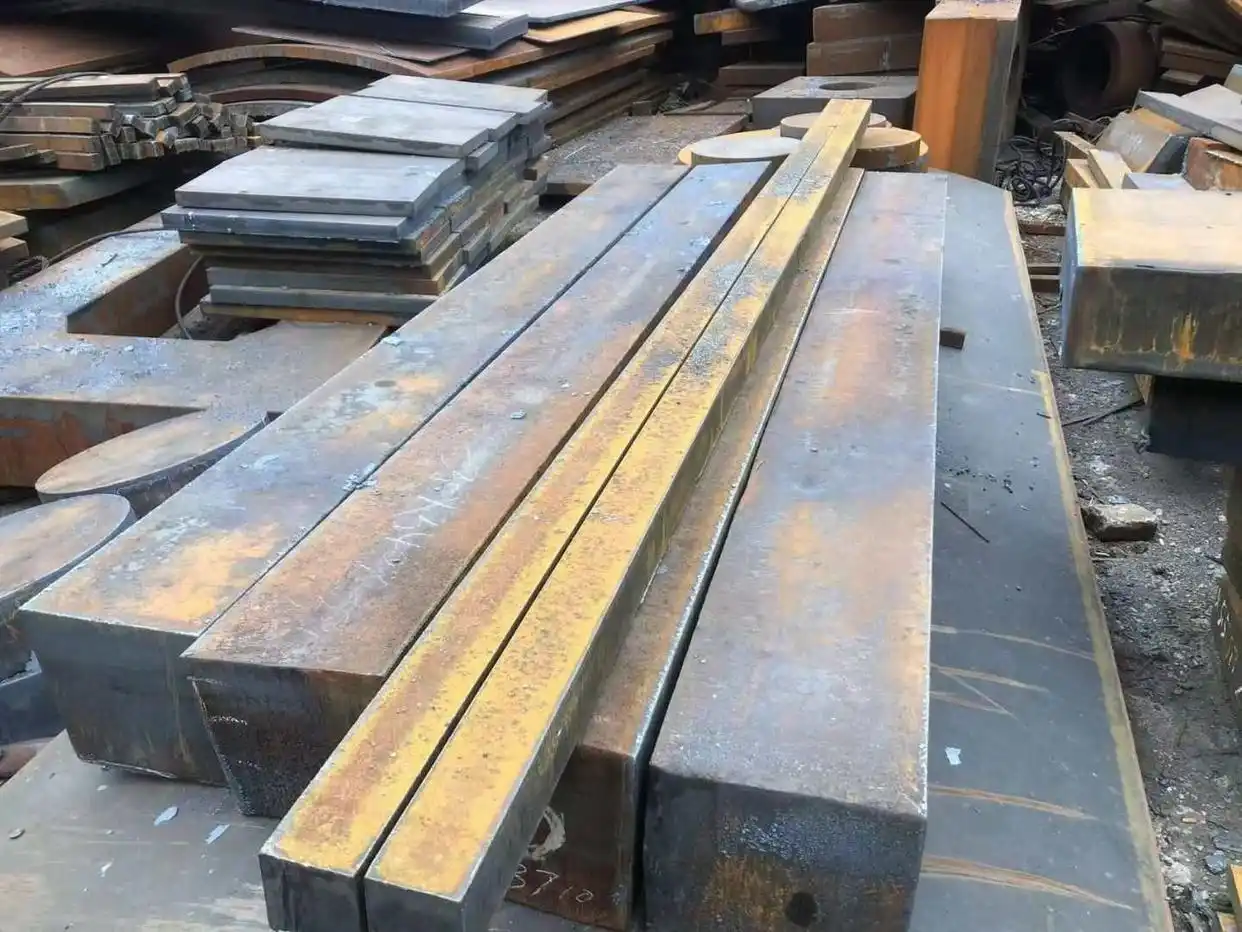
The edge roughness formed by underwater cutting will be strictly controlled within the range of Ra value 20μm, because this situation allows many parts to be directly entered into the assembly process after completion of cutting, thereby eliminating the edge milling process. When riveting and welding operations are involved, the duration of concentrated heat input is relatively short, which has a relatively small impact on the deformation of the overall structure, so the workload of post-weld correction is reduced, and the assembly cycle is shortened.
Choosing the right equipment is more important than adjusting parameters
Because underwater plasma cutting has very high requirements for sealing and anti-corrosion, the cutting head must maintain stable operation in a high-pressure salt spray environment, and its life span will directly determine the overall cost of operation. At present, domestic equipment can cover the range of plate thickness from 4 mm to 60 mm in the power range of 150 amps to 1,000 amps, and core power supply components and wire feeder equipment are gradually replacing imported ones.
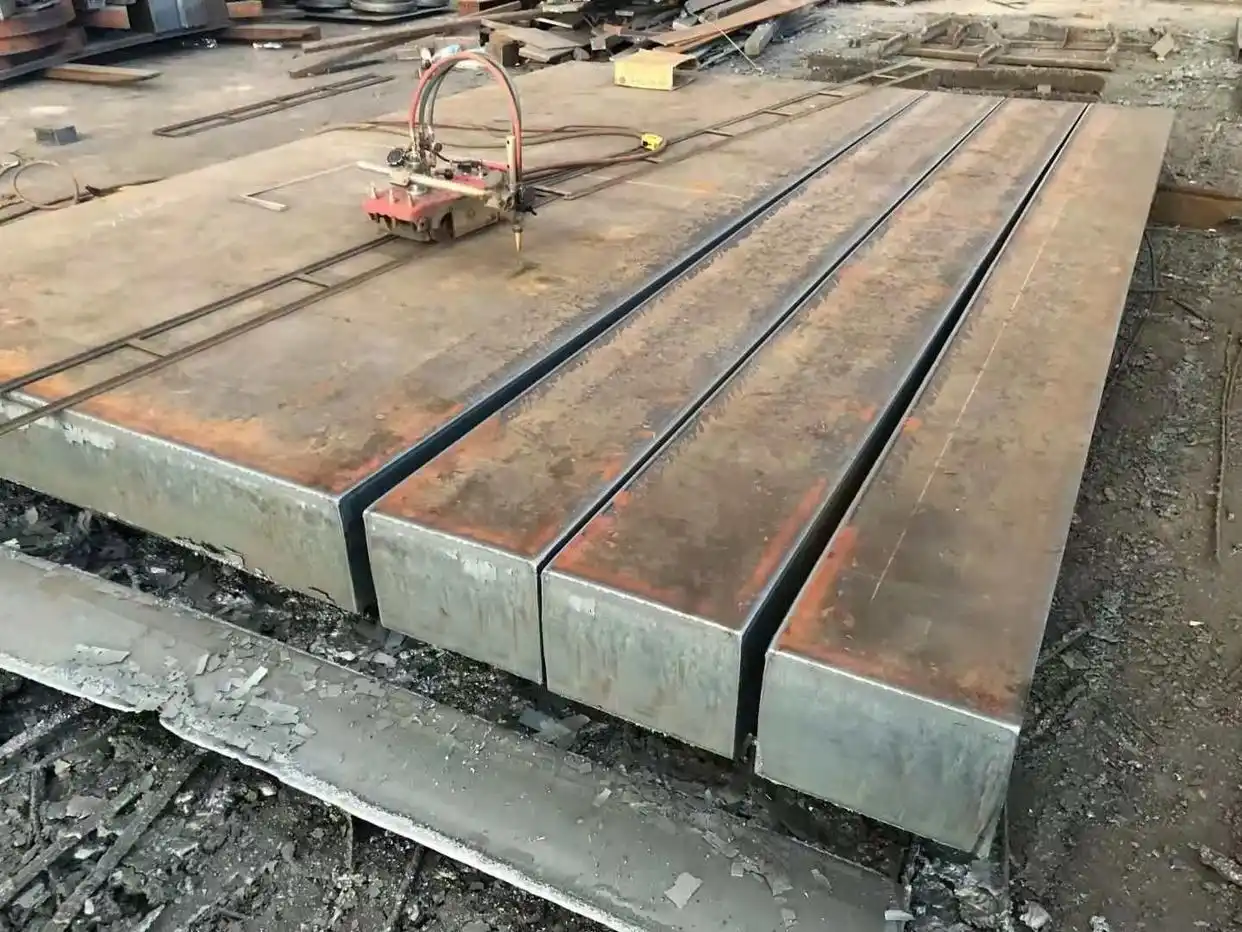
When choosing, you must look at three hard indicators. The first is that the salt spray resistance life of the cutting head must exceed 2,000 hours. The second is that the system must have temperature monitoring functions and automatic compensation functions. The third is that CNC software can import three-dimensional models and then directly perform layout work. If these three items meet the standards, then the long-term operation and maintenance costs can be reduced by 30%. Underwater plasma cutting of medium-thick plates reduces riveting deformation , and the equipment failure rate will also be lower.
Digitalization makes deformation more controllable
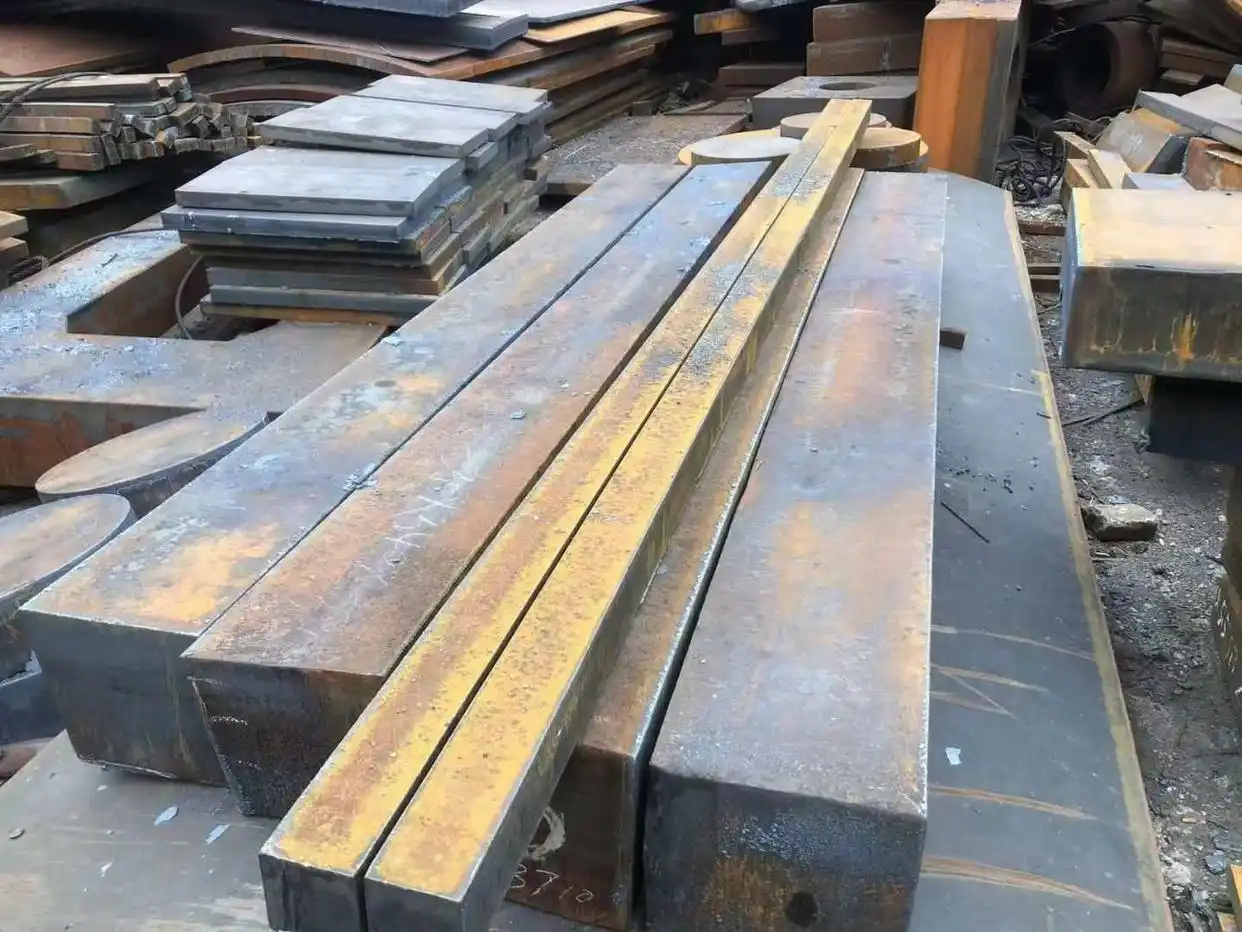
By 2026, many shipyards have put cutting and assembly digital twin systems online. Users only need to input information such as plate thickness and material, and the system will automatically recommend how the current, speed, and preheating plan should be determined. Therefore, people can predict the amount of deformation in advance before officially cutting. After actual measurement, the predicted deviation value can be controlled within a range of less than 0.5 millimeters. Therefore, there is basically no need to carry out secondary correction before the riveting operation is carried out.
The artificial intelligence algorithm will frequently adjust the cutting route based on previous data information, so that the stress caused by heat can be dispersed to different places to avoid concentrated deformation.
After taking into account the low smoke and dust underwater working environment conditions, the capacity of a single production line to cut medium-thick plates in a day can exceed 500 square meters, and the energy consumed is about 20% less than the traditional air cutting method.
When you perform segmentation operations on medium-thick plates in the workshop, which part has the most serious deformation? Analysis of cutting technology and application of medium-thick steel plates. Is it the cutting process or the riveting and welding process?


暂无评论内容