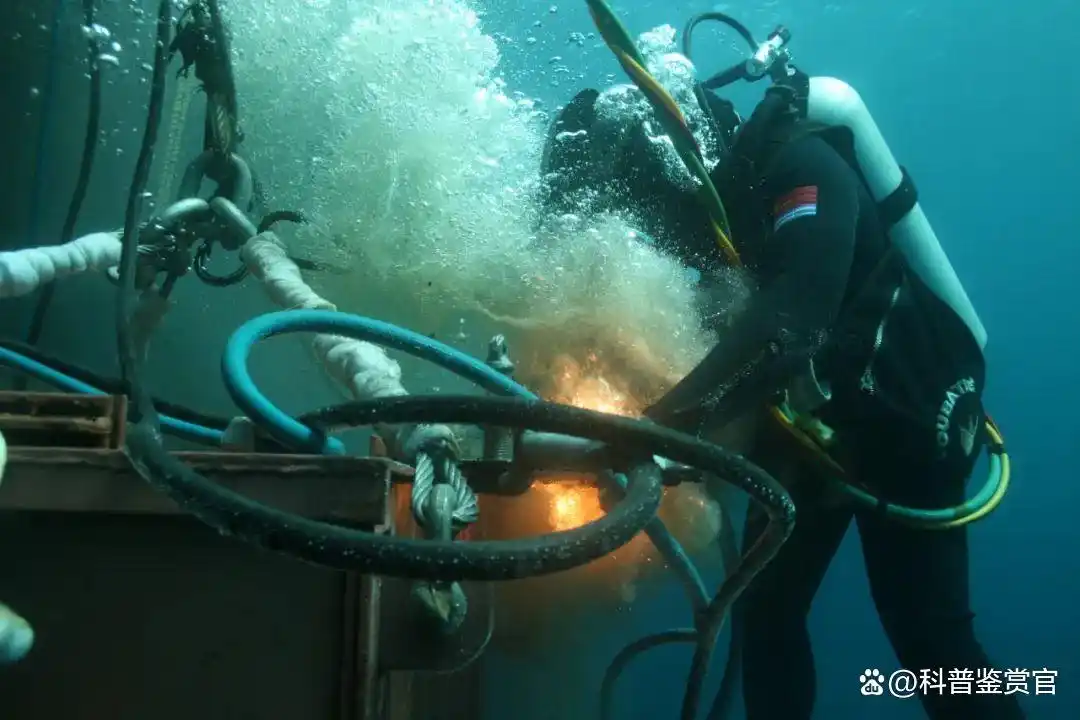


Sparks often fly around when welding. Why can we weld underwater? Aren't you afraid of getting electric shock? , why can welding even under water? Aren't you afraid of getting electric shock?
Water and fire are incompatible under natural conditions. However, welding operations can be performed in the deep sea, and the annual salary of this position is about to reach 400,000, but almost no one is willing to do these things. Regarding this contradiction, if you read the following, you will understand the reason.

Wet welding relies on current
Wet welding is the most primitive and simplest method. The generator is left on the shore, and the powerful current is sent to the bottom of the water through insulated cables. Welders wear full diving equipment and operate directly in the water below. In order to prevent leakage, the surfaces of the electrodes and welding rods will be coated with special waterproof paint and paraffin in advance.
The arc burns in the water and bubbles are produced. The coating on the outside of the welding rod forms a sleeve, which traps the air bubbles, so that the arc is stable. But seawater cools too quickly, and the hydrogen and oxygen in the weld will make the metal brittle and its strength will drop significantly. This kind of wet welding is only suitable for use in shallow water areas.
Use a gas mask to drive away water during dry welding
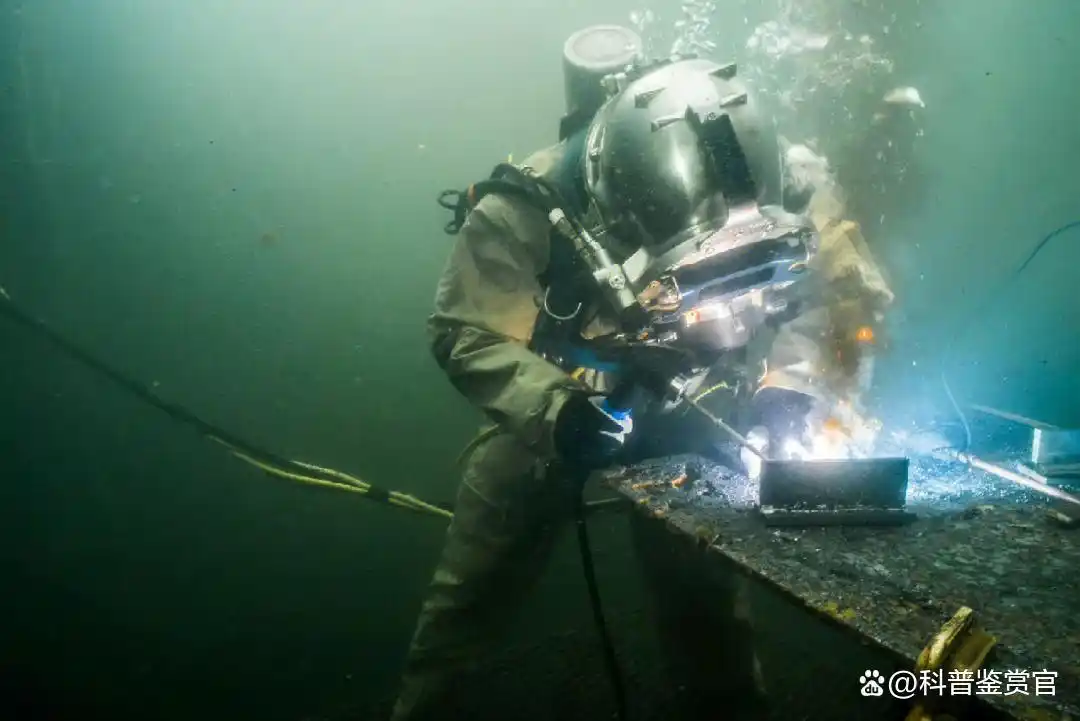
In deep water areas, people generally use dry welding. To do this specifically, you must first cover the area that needs to be welded with a particularly strong and light-transmitting plastic protective cover. Then, compressed air is injected into the cover to get out all the water inside.
In this way, the air pressure at the bottom of the welding cabin can withstand the sea water outside, so the staff can use the welding gun to work smoothly in a dry and closed environment.
However, the presence of smoke and steam generated by welding makes our vision very blurry. Once the depth of diving exceeds the limit set by air diving, the pressure of oxygen will suddenly and greatly increase, which will lead to a very high risk of a large number of sparks. Therefore, we must switch to using inert gas for operation.
Because he wore a full set of equipment to protect himself, the overall cost became several times the original cost.
Local dry welding is the most mainstream
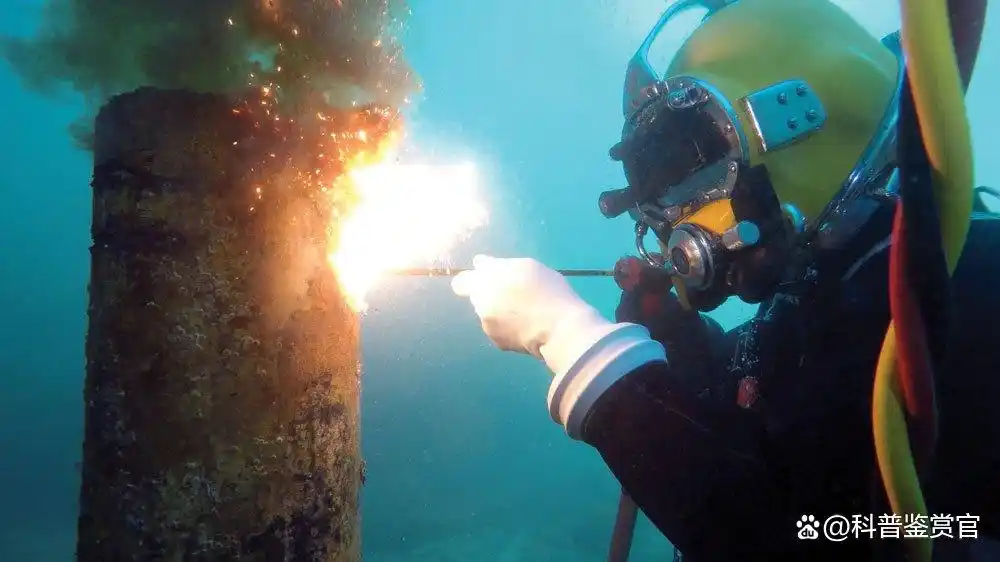
The water curtain-type technical solution adopted by Japan is relatively typical in the industry. The core method of this method is to use a high-pressure water gun to spray the outer area of the welding gun, thereby forming a conical water curtain, and using this water curtain to block the outside seawater.
At the same time, gas specially used for protection is also input internally. Since the water at the location directly below the welding gun is expelled, a fairly stable, localized gas phase cavity is formed there. It is the existence of this cavity that successfully isolates the interference of sea water.
In the engineering practice of the United Kingdom and the United States, they have developed two technical forms: dry point type and gas hood type. At the same time, France has the rotary hood type. These three solutions correspond to different applicable scenarios. Among them, the local dry method does not require the entire area to be drained, and the equipment is relatively light and flexible. Judging from the current actual engineering construction situation, it is the most widely used and is generally considered to be a relatively reliable choice.
Welders basically rely on feel
Under those waters, the environment is basically pitch black, the line of sight is extremely restricted, and nothing can be seen. The operators can basically only rely on their feel and personal experience to barely support the entire process.
Xia Binhua, a master from Qingdao who has been working in the field of underwater welding for 15 years, once made it clear that everyone mainly relies on listening to whether the sizzling sound produced by the welding rod remains stable and coherent, or whether there is an abnormal popping sound, so as to determine whether the current underwater welding state is normal.
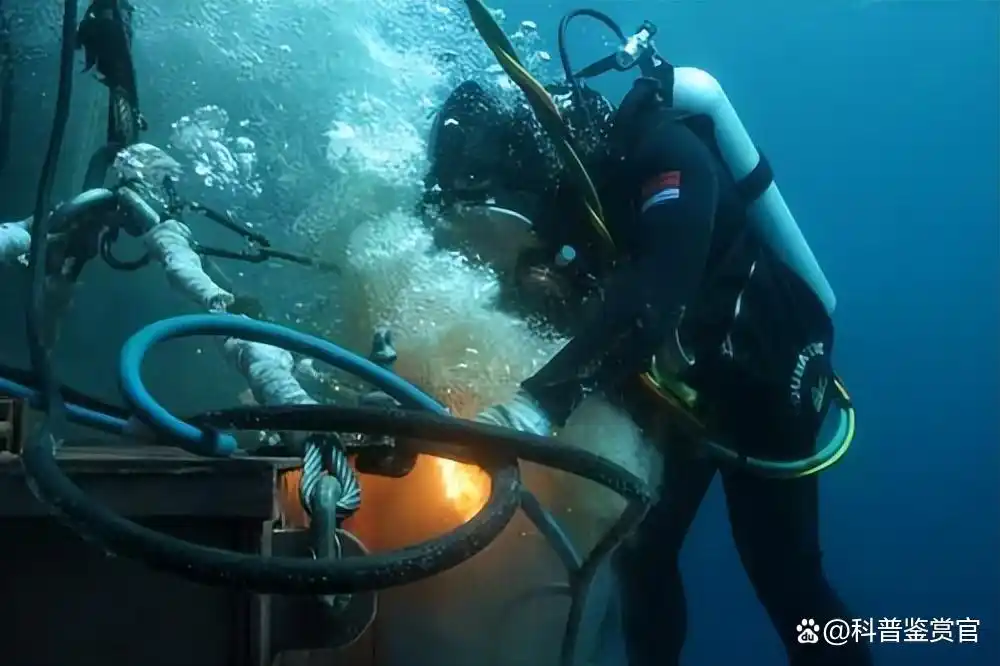
Hold the workpiece with one hand and hold the welding rod with the other hand. As long as the angle is slightly wrong or the distance is slightly off, the gloves will be burned right away. The thing used for underwater cutting is a gunpowder leather cutting strip. Its power is relatively limited. If it encounters a very thick steel plate, it will probably take an entire hour to grind. The whole process is operated in a dark environment and relies entirely on feel and intuition.
The risks and costs are extremely high
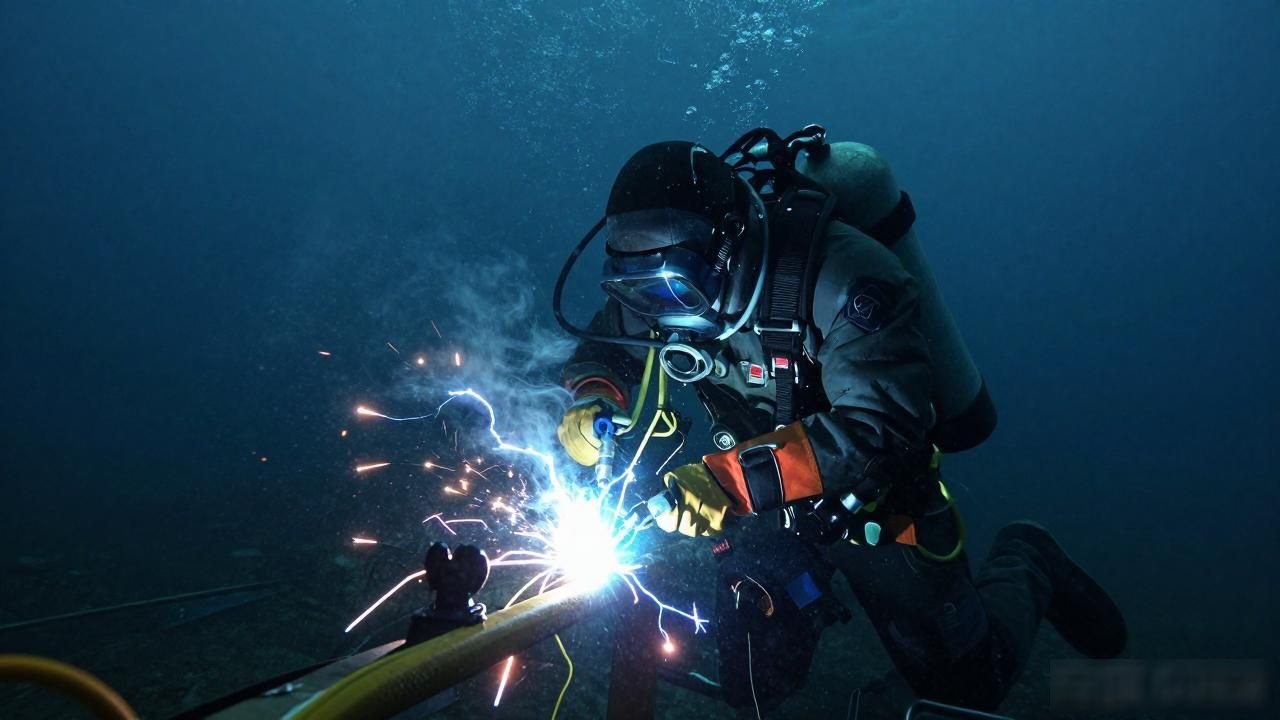
Welders must wear diving suits and carry oxygen bottles to perform underwater operations, which places very high demands on physical fitness and endurance. When performing long-term underwater welding operations in winter, the body will quickly freeze to the point where it loses flexibility and becomes stiff. If there is a sudden leakage of electricity at this time, the current will directly invade the whole body along the arms, causing the workers to be in danger of life at any time.
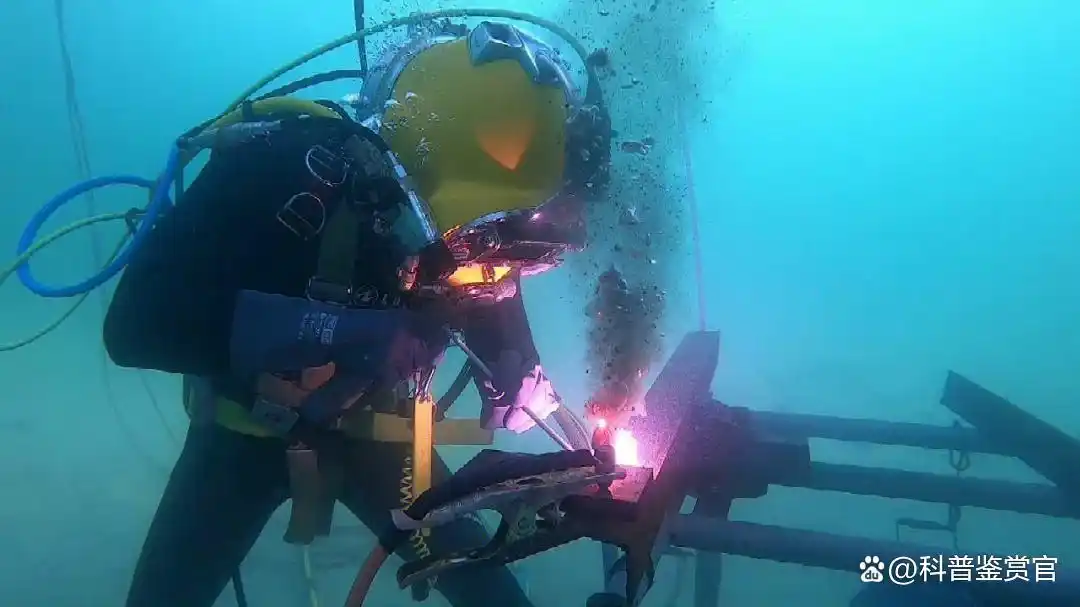
A person dives into the dark seabed and works alone there. If welding operations are required, he must also wear additional fire-proof and high-temperature protective clothing. If a child makes a mistake in any step, it may be life-threatening. This is the core of dissuading most people. They are not afraid of fatigue, but they are afraid that they will not be able to come back.
Annual salary is 400,000 but no one can be hired
From a global perspective, the average annual salary for the underwater welder profession is approximately US$53,990. If converted into our RMB, this amount is very close to 380,000 yuan.
However, if we take a look at the public data in 2021, we will know a very cruel reality, that is, the number of people who have obtained non-destructive testing underwater welding certificates in China is not large at all, no more than 150 in total. What does this lead to? The gap between supply and demand is very huge, not on the same order of magnitude at all.
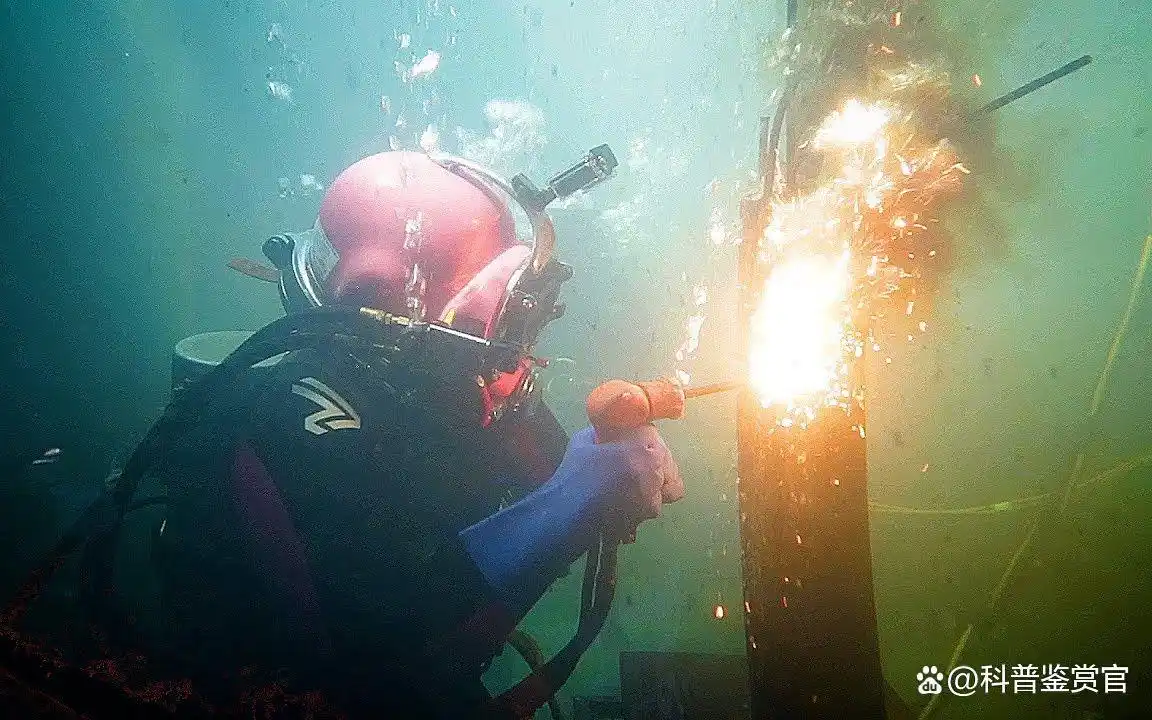
The technical threshold is relatively high, the risks are also huge, and it takes a long time to train. In fact, it is impossible to retain employees just by giving high salaries. In extremely extreme environments like the deep sea, making welding reliable and riveting reliable are still the most difficult problems to solve in the field of ocean engineering to this day.
If someone offered you a salary of 400,000 yuan per year, would you be willing to dive under the water to do this kind of work? You are very welcome to chat in the comment area. If you find this proposal useful, please like it and forward it to your friends.


暂无评论内容