

Laser cutting process analysis in rapid and precise sheet metal processing.docx
When you are cutting sheet metal, are you still using calipers to measure it one by one? If the three values of power, pulse width and speed in the laser cutting programming are correct, the accuracy can be directly reduced to within plus or minus 100 microns, and there is no need to rework at all.
Different cutting methods have their own shortcomings
Line drawing milling, wire cutting, plasma cutting, flame cutting, water cutting, each of these methods has its own shortcomings.
Plasma cutting of that six-millimeter plate is indeed very fast, but the burrs produced will be relatively large; although wire cutting is extremely accurate, it takes eight hours to complete the cutting of a deflector; as for flame cutting, the cost is relatively cheap, but the heat-affected zone can directly mess up the chemical composition of stainless steel.
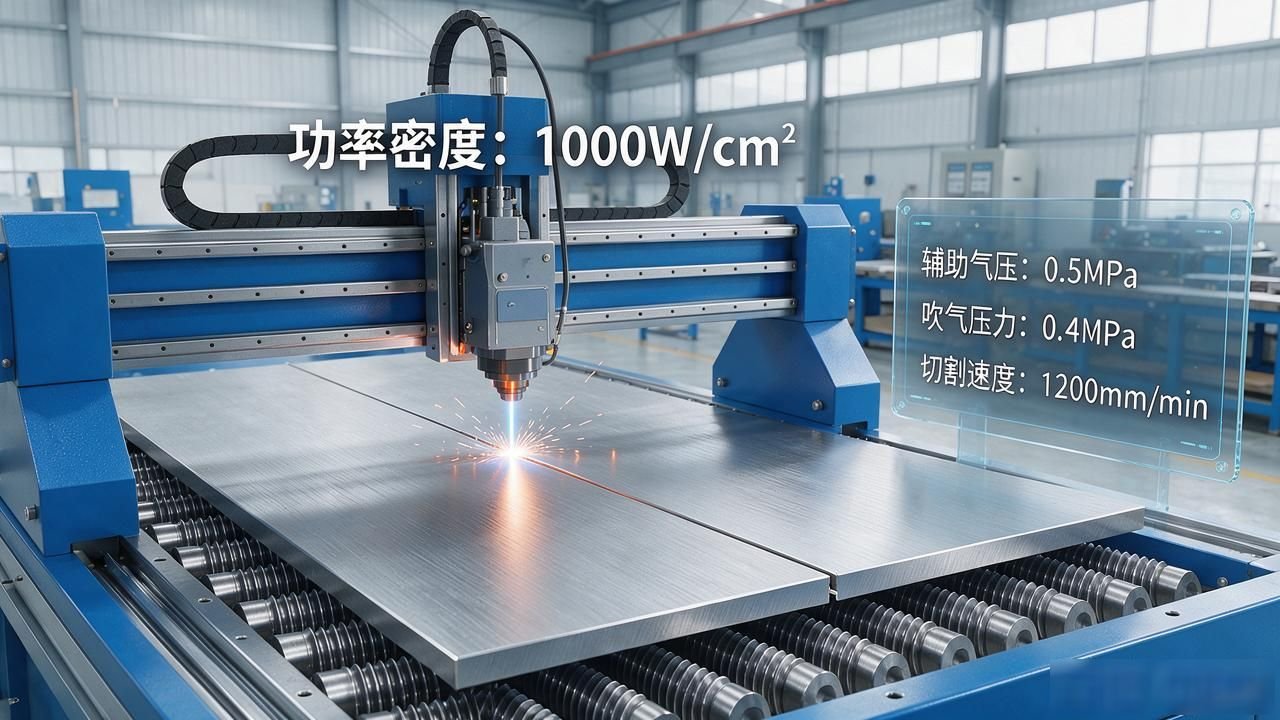
CO2 laser technology has successfully bypassed all the aforementioned problems. The equipment parameters it uses include a pulse power of 2.4 kilowatts and a pulse width set to 10 milliseconds. When processing 0.5 mm thick stainless steel, it can cut a gap with a width of only 0.3 mm. When processing 6 mm thick carbon steel, it can cut to 1.8 mm. At the same time, the heat affected zone is controlled within a range of less than 0.1 mm. When faced with complex shapes with irregular curves such as aerospace deflectors, the laser cutting process will hardly produce any deviation.
How to choose laser cutting parameters
During the programming process, the most important thing is to pay attention to the three important numbers of pulse power, pulse width and cutting speed. When the parameters are set to a power of 2.4kW and a pulse width of 10ms, this is a case of medium to low power and medium to narrow pulse width. This setting can usually cover the material range from 0.5 mm to 6 mm thickness.
If the pulse power is set too high, it is easy to burn through the small holes; if the power is too small or the plate is too thin but you try to cut a thick plate, the incision may not be able to be cut through. In order to solve such problems, it is necessary to divide the software into different paragraphs for settings according to different situations.
In terms of speed, one size does not fit all. If it is laser cutting programming for sheet metal processing of a 0.5mm thick board, the operating speed must be controlled above 2m/min; but for a 6mm thick board, the speed must be reduced to 0.3m/min.

The power density should be strictly controlled within the range of 800 to 1200W/cm², so that the slit will remain stable and the error can be reduced to ±100 microns. In addition, when writing the program, be sure to write that part of the auxiliary air pressure into the parameter table.
Differences in cutting thin and thick plates
The biggest problem with 0.5mm thin plates is warping, because as soon as the laser shines on it, the temperature gradient is very large, and the plate will roll up. Therefore, during programming, the slits must be arranged in the same direction to reduce the concentration of thermal stress. The opposite is true for 6mm thick plates. The most common situation is that the cut cannot be penetrated, so the power needs to be pushed to the upper limit and the speed reduced.
In the production line, materials ranging from 0.5 mm to 6 mm are mixed and arranged, which requires the software to automatically cut and call the corresponding parameter group according to the specific thickness of the plate. The deflector used is made of 1Cr18Ni9 material and its thickness is 0.8 mm.
When programming, you can reduce the pulse width value to 6 milliseconds and reduce the power value to 1.8 kilowatts. In this way, the surface finish after cutting can reach the level of Ra1.6.
Key details for precision control
Adding or subtracting a tolerance of a hundred microns does not seem to be a particularly difficult task. However, once you encounter a road section with very irregular shapes and winding curves, problems arise, and programming can easily get stuck.
When performing programming operations, it is very important to calculate and take the acceleration and deceleration compensation of the corner position into account. Otherwise, the outer edges and corners will be cut too small, while the inner corners will be cut too large.
It is recommended to use linear interpolation to replace the arc approximation method. At the same time, the length of each segment must be strictly controlled within the range of 0.1 mm. Only in this way can the accuracy of the thing produced be stable and reliable.
This method of clamping is easily overlooked by everyone. If it is a flat part, vacuum adsorption is suitable. But if it is a thin plate with a thickness of only 0.5 mm, mechanical compression will cause the plate to deform.
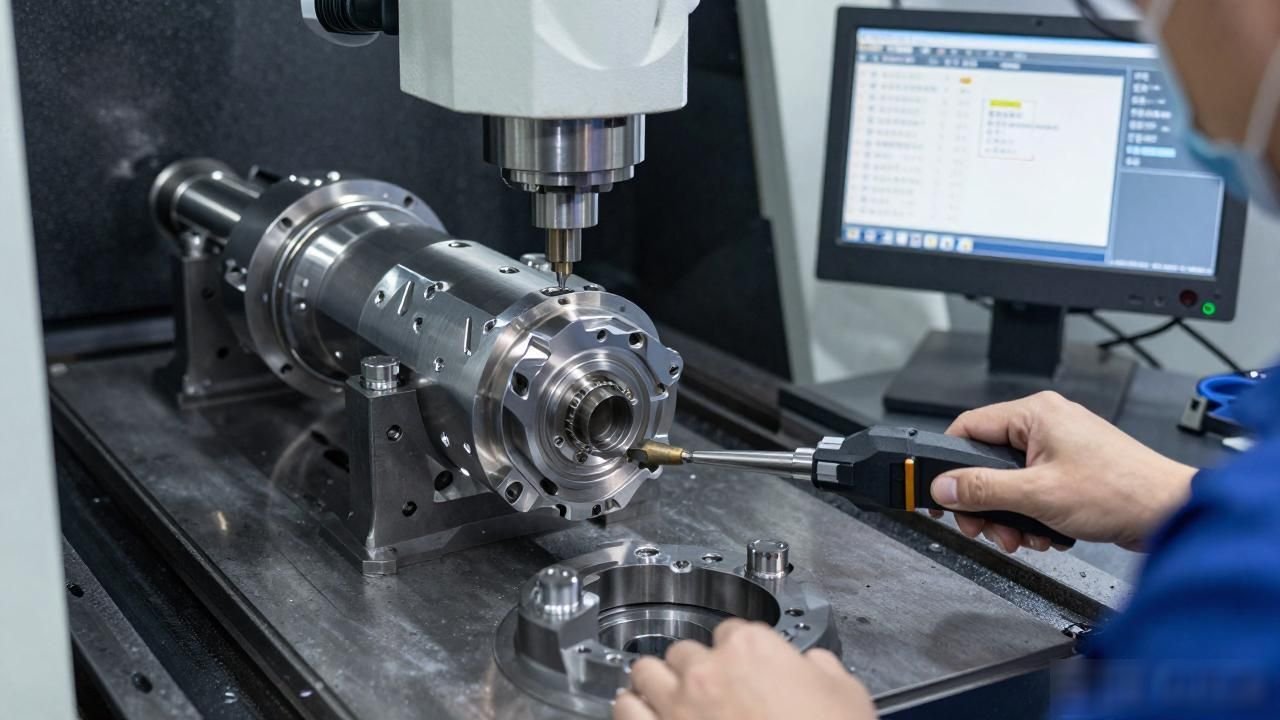
When processing aerospace parts, flexible suction cups are generally used to cooperate with positioning pins for fixed operations. Therefore, a five-micron process margin must be reserved during the programming stage, and then refined after the cutting is completed to meet the tolerance requirements.
Special requirements for aerospace sheet metal parts
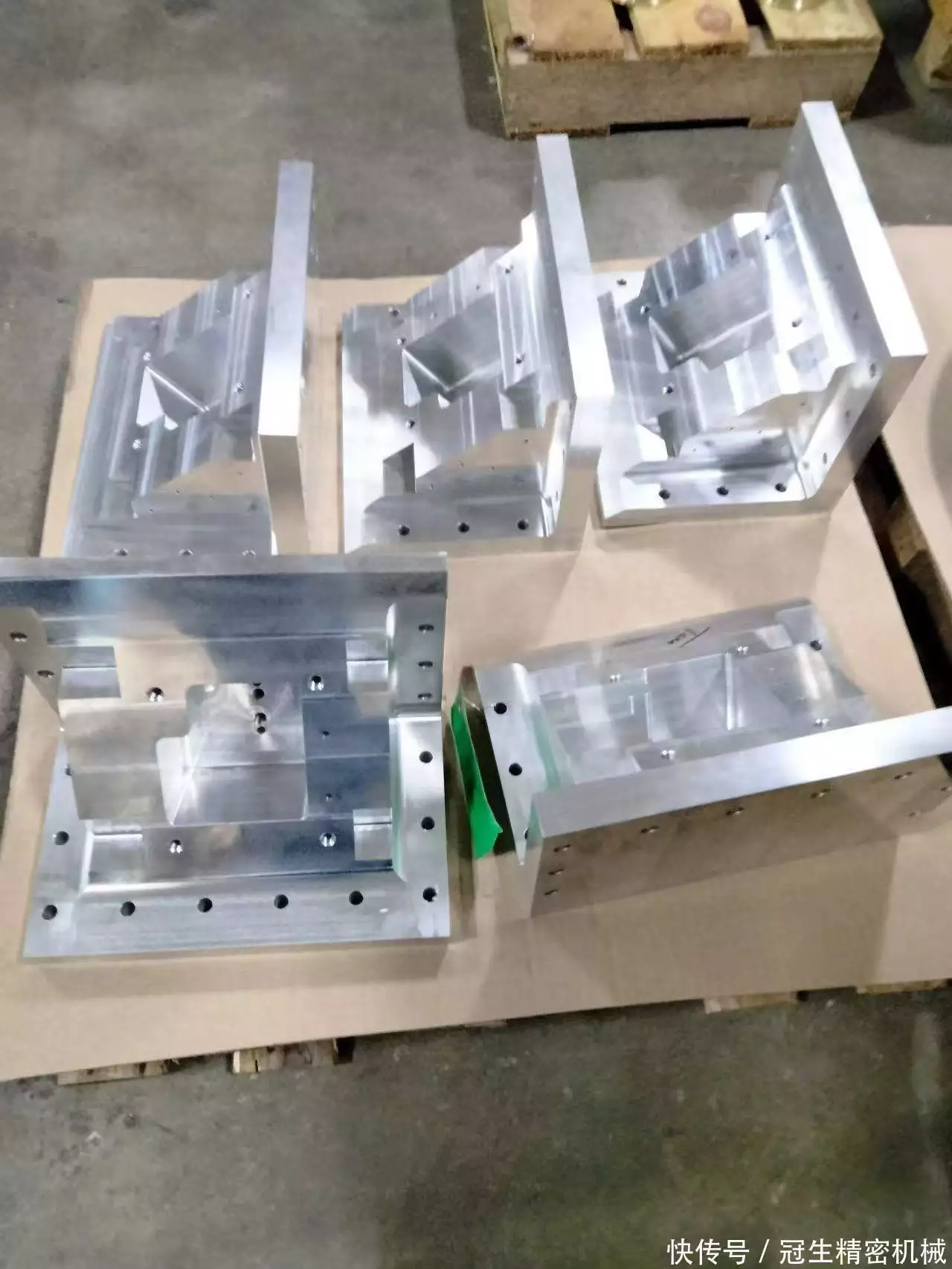
The deflectors and ducts in the thrust chamber are usually made of 1Cr18Ni9 material or titanium alloy, and their surface roughness must be controlled below Ra0.8. In ordinary factories, after cutting and processing, the roughness value often reaches the level of Ra3.2. In this case, the assembly requirements cannot be met, so an online grinding operation procedure must be added to the end step of programming.
There are many types of parts in this batch, but the quantity of individual parts is relatively small. In these cases, the efficiency of programming is more important than the efficiency of cutting itself. The tool path is automatically generated through feature recognition, and parts belonging to the same family can also be merged into one tool path.
This allows one technician to complete in one day what previously took three people three days to complete. A certain scientific research institute has conducted verification, and they found that the production preparation scheduling cycle has been compressed from the original seven days to as short as two days.
Efficiency improvements in actual production
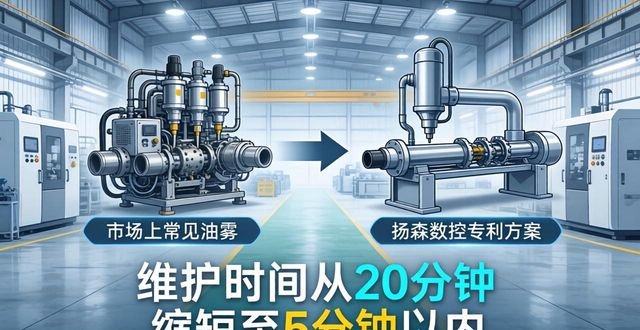
After the parameters are cured into a template, the time required to change materials with a thickness in the range of 0.5 mm to 3 mm is reduced from the original 20 minutes to 5 minutes. For 6 mm thick materials, although the processing time of a single part is extended, the overall man-hours are saved by 40% because the subsequent milling process is omitted. The daily cutting quantity of a production line has increased from 30 to 52 pieces.
In terms of cost, the main expenses incurred by laser cutting are the consumption of auxiliary gas and the loss of optical fiber, which are much cheaper than the cost of molybdenum wire and abrasives. For a six millimeter thick carbon steel material, the cost of laser cutting is approximately 0.8 yuan per centimeter, while the cost of wire cutting is 2.5 yuan per centimeter. This price advantage will be more obvious when mass production is performed on sheet metal processing laser cutting programming , especially when processing small parts.
In your workshop, whether the most troublesome thing is the warping problem of thin plates or the difficulty of cutting thick plates due to impenetrability, please share your views in the comment area. If you find this content useful, please like it and forward it to your colleagues.





暂无评论内容