

Drilling and Boring: The Core Difference Confused by 90% of Masters (Ultimate Guide)
Drilling and boring are one for land reclamation and the other for fine decoration, but many people in the workshop still use these two things together. As a result, the holes are crooked, the knives are broken, and a batch of parts are all scrapped.
One is land reclamation and the other is fine decoration

Drilling is a process that actually creates a hole from scratch in a whole piece of material. It is considered an introductory step in hole processing. The drill bit directly penetrates the material and punches the hole.
As for boring, it takes the existing pre-made hole as a premise and performs operations such as enlarging, correcting or finishing it. The hole must already exist. No matter how the hole is made, whether it is drilled, cast or forged, there must be a hole there first.
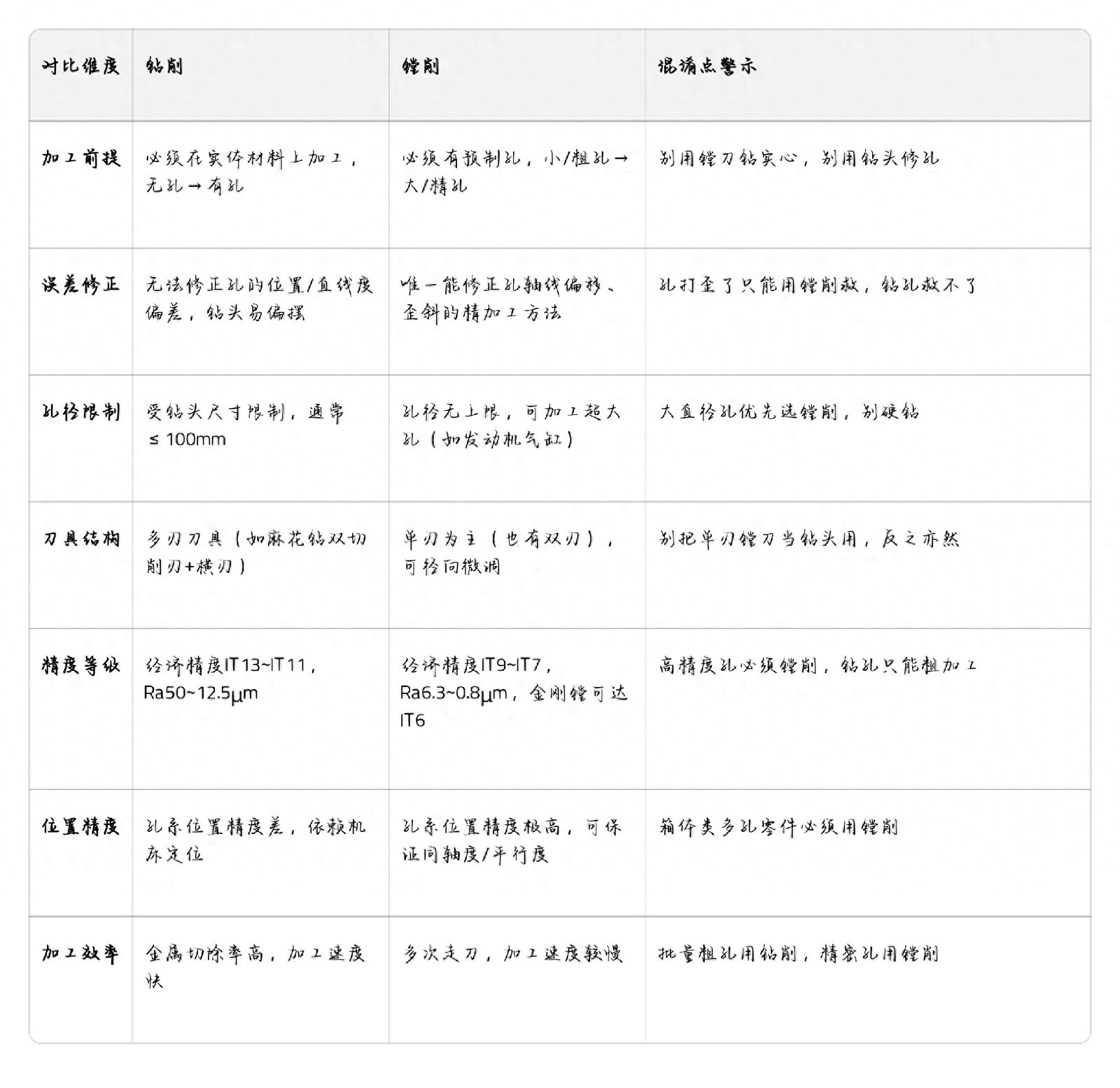
Simply put, the role of the drill is to process from scratch, while the role of the boring tool is to make corrections from rough to fine. The two are actually the upstream and downstream relationships in the entire hole processing chain. Drilling needs to be done first, and then boring work is carried out. It does not mean that just choosing one of the two can replace the other.
The way of exercise is completely different
When drilling, the drill bit performs cutting operations by rotating itself, and will feed downward along its own axis. During this process, the chisel edge can contribute about 50% of the axial force. Therefore, when dealing with tasks such as deep hole processing, some problems often arise due to difficulty in chip removal and poor cooling effects.
Boring operations can be divided into three different operating methods. The first method is to let the boring tool rotate and the workpiece is responsible for feeding. This mode is more suitable for processing box-type parts. The second method is to let the workpiece rotate and the boring tool is responsible for the feed. The advantage of this is that it can ensure that the axis of the hole remains consistent.
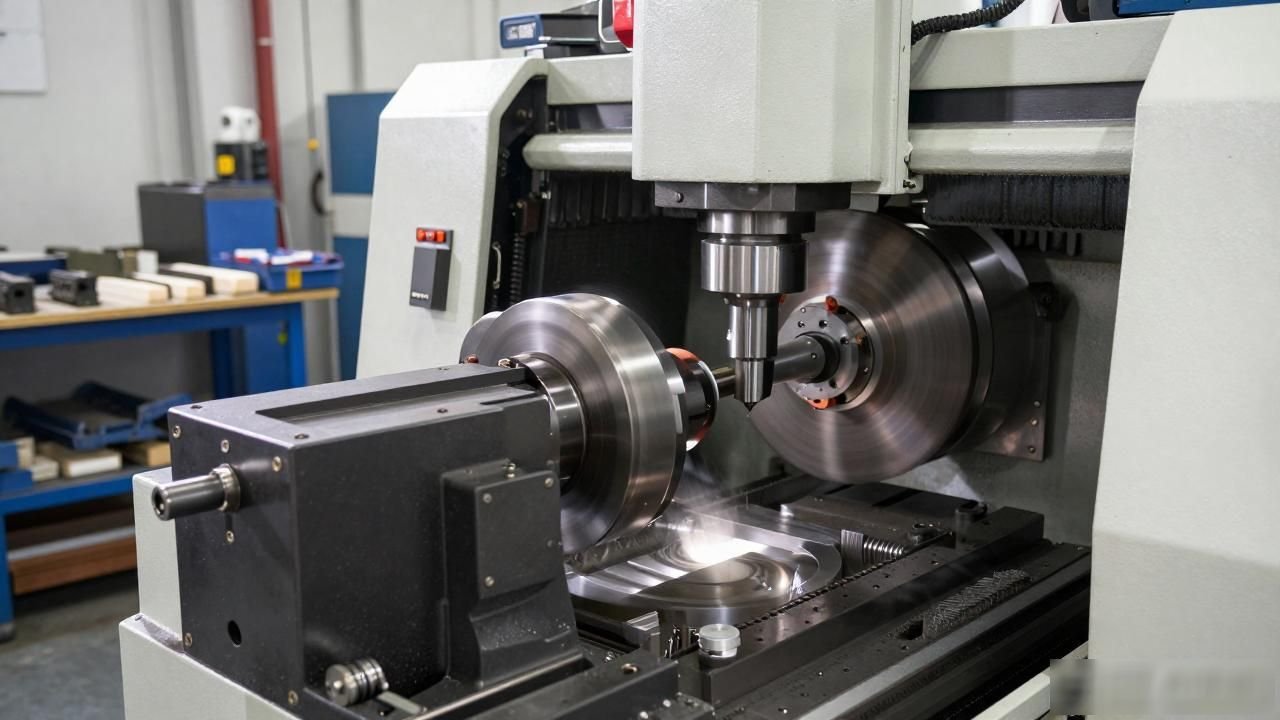
The third method means that the boring tool can both rotate and feed. This is a common form that is often used by machining centers during operations.
Boring uses a single-edge cutting method, so its stress situation is much more stable than that of a drill, and it can also directly control the size of the hole diameter through radial fine-tuning, which is not possible with drills because the size of the drill is fixed.
Tool structure and capabilities vary greatly
The tip angle of an ordinary twist drill is either 118° or 135°. This drill bit has spiral grooves and a chisel edge. Its function is very simple, it can only drill holes, perform limited reaming operations, and can also countersink holes. When encountering a deep hole with a depth exceeding 5 times the diameter, the drill bit is prone to bending or deflection.
In this way, the processing accuracy cannot be guaranteed. As for the boring tool, it is divided into two types: single edge and double edge. The shank of the boring tool can be telescopic, so that it can adapt to the processing needs of holes of different depths. It can not only bore holes, but also process threads in the holes, mill annular grooves, and process end faces. It can be said that one shot has multiple uses.
You have to buy a drill bit of whatever size you want to drill a hole, and there is no way to fine-tune this. The boring tool is different. It has the ability to cover a range of tolerance requirements. During finishing, you only need to fine-tune a small value of a few tenths of a millimeter to completely control the size of the hole. This ability is considered to be a core advantage of the boring process.
Don’t confuse application scenarios
For screw holes, oil holes, threaded bottom holes, and small diameter holes, if the accuracy requirements are below IT11, then drilling is enough. In the entire process of mass production, drilling is used as the first step of rough machining. The purpose of this is to leave a certain margin for the subsequent boring or reaming process.
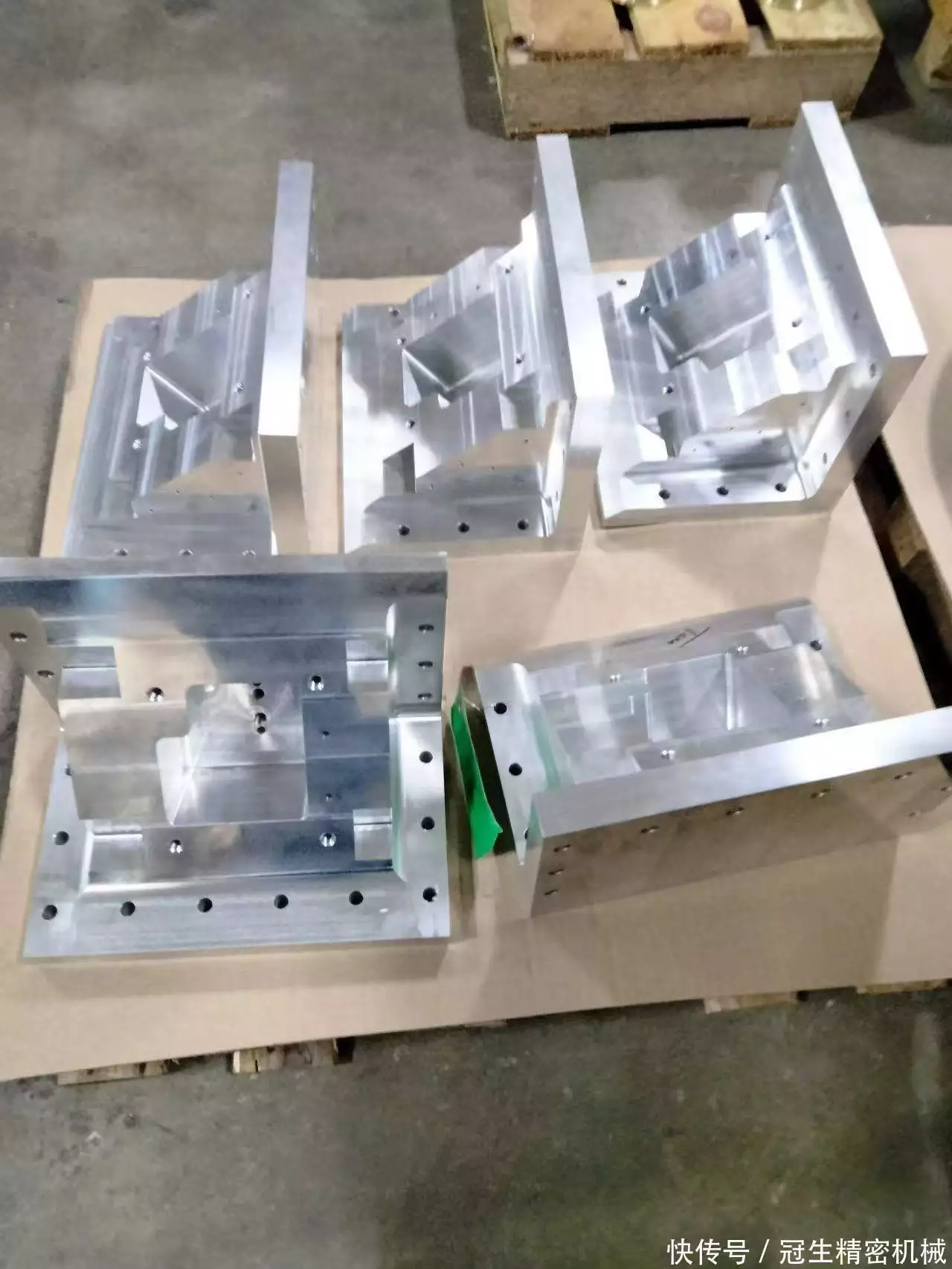
For parts with porous structures such as boxes, engine blocks and frames, if you encounter large holes with a diameter exceeding 100 mm, or precision holes with an accuracy level of IT7 or higher, you must use the boring process for processing.
Because of the hole position deviation caused by the casting or forging manufacturing process, this deviation problem can only be corrected by boring tools, and it is impossible to effectively correct it simply by relying on drills.
Three practical misunderstandings are the most costly
When boring tools are used to drill solid materials, the blade will break due to excessive force. Using a drill to correct the hole position deviation will cause the deviation to become larger and larger, and even the correct value cannot be retrieved. This phenomenon is a complete failure; when facing large-diameter holes, if a twist drill is used for processing, it will cause serious consequences such as tool breakage and complete scrapping of the hole processing accuracy, which will eventually lead to the fate of this batch of materials being scrapped.
These three common technical traps are likely to be stepped on every year in the workshop.
You must keep these three rules in mind. The first is to drill without holes and boring with holes. Only use drills for solid blanking. The second is to drill holes thickly and boring holes accurately. Correct hole deviation and eccentric boring. The third rule is to fix the drill bit size and finely adjust the tolerance of the boring tool. If you memorize this, it will not be easy to make mistakes.
Five principles of quick judgment
It depends on the specific material conditions. If you encounter solid materials, drill holes. If there are already prefabricated holes, boring should be carried out; machining accuracy should be taken into consideration. If the accuracy is below IT11, drill holes; if the accuracy is IT9 or above, boring should be carried out; also look at the size of the hole. For holes below 100mm, you can drill holes. Holes with diameters above 100mm should be bored; then look at the position factors. If the position accuracy of the hole system is particularly high, boring must be used; finally, check the situation of the previous process. If it is found that the cast and forged holes have deviated, then boring can only be used to correct them.
Among the five key points of looking at the picture, if you find that only one of them points to the boring process, then you should not hold the drill there head-on. When arranging the process, the order of drilling first and then boring should be followed. In this case, all the high-precision requirements are left to the boring tool, thus greatly reducing the scrap rate.
In your workshop, have you ever mixed the two processing methods of drilling and boring, resulting in a large number of products being scrapped?
You are very welcome to tell your own actual experience in the comment area below. If you think this content is very helpful to you, please give it a like and save it, and then forward this message to the experienced older technicians around you to take a look.




暂无评论内容