

Chinese secondary characters, polyphonic characters, Chinese secondary characters, polyphonic characters, can represent the sound of bells and drums or mechanical processing methods, can represent the sound of bells and drums or mechanical processing methods
There are two meanings of professional status hidden in one Chinese character. The sound pronounced as tāng represents the sound made by ancient people ringing bells, while the sound pronounced as táng represents the deep-rooted skills of cutting metal on the boring machine in the workshop. If you want to engage in boring processing technology training , you must first thoroughly understand the meaning of this word. This can save you three years of detours.
Traceability in one word
The word "boring" can be written in traditional Chinese, that is, written as "U", which belongs to the 钅 type. There are 16 pictures in total. This glyph is included in "Shuowen Jiezi". Its original meaning is the sound made by a metal object when it hits it. It is a pure onomatopoeia. In the modern document "General Standard Chinese Character Table", it is listed as a second-level character. This shows that it is still within the commonly used range.
In 2013, the "General Standard Chinese Character List" was officially finalized, in which the word "boring" was retained and two pronunciations were marked. This list was jointly issued by the Ministry of Education and the Language and Literature Working Committee, so the name Boring appeared on the lists in the fields of literature and industrial engineering at the same time.
One reading is divided into two ways
In Mandarin, when this word is pronounced as tāng, it means the sound made by the bells and drums in the word "boring mandarin", which sounds like a rhythm similar to "dong dong"; and when it is pronounced as táng, its meaning completely jumps to the mechanical field, specifically referring to the action of using a boring machine to cut the inner hole inside the workpiece. The same Chinese character actually spanned five hundred years of time changes.
The pronunciation of tong1 in Cantonese is actually not much different from that in Mandarin. The main difference is in the tone. In the machining factories in Dongguan and Shenzhen, Guangdong Province, when experienced workers say "boring a hole", they use the táng sound, which corresponds to Mandarin and has little to do with the ancient meaning.
Boring in the Book of Songs
The sentence "The Book of Songs·Beifeng·Drumming" says "It's boring, and the martial arts is its outline". This is indeed the earliest use of the word "boring" that we can find now. It describes the scene in the Western Zhou Dynasty when drums were played in the army and the soldiers were urged to fight. Just a word used to simulate sound can describe clearly and vividly the deep energy of the loud fighting and the rhythm of the beating.
When the time came to the Tang Dynasty, this word called "boring mandarin" was used very frequently in prose works. People like Han Yu and Liu Zongyuan all used this word to describe the sound of bells and drums.
After the Song Dynasty, the usage of this kind of writing gradually became fixed and no longer changed. Later, in literary dictionaries, the word "boring" basically had only one pronunciation: tāng, and the corresponding meaning was very clear.
Boring in the workshop
Time has advanced to the 1950s, and the domestic machine tool industry has just started. In this context, the word "boring" was given a pronunciation of táng, which is specifically used to refer to the process of boring.
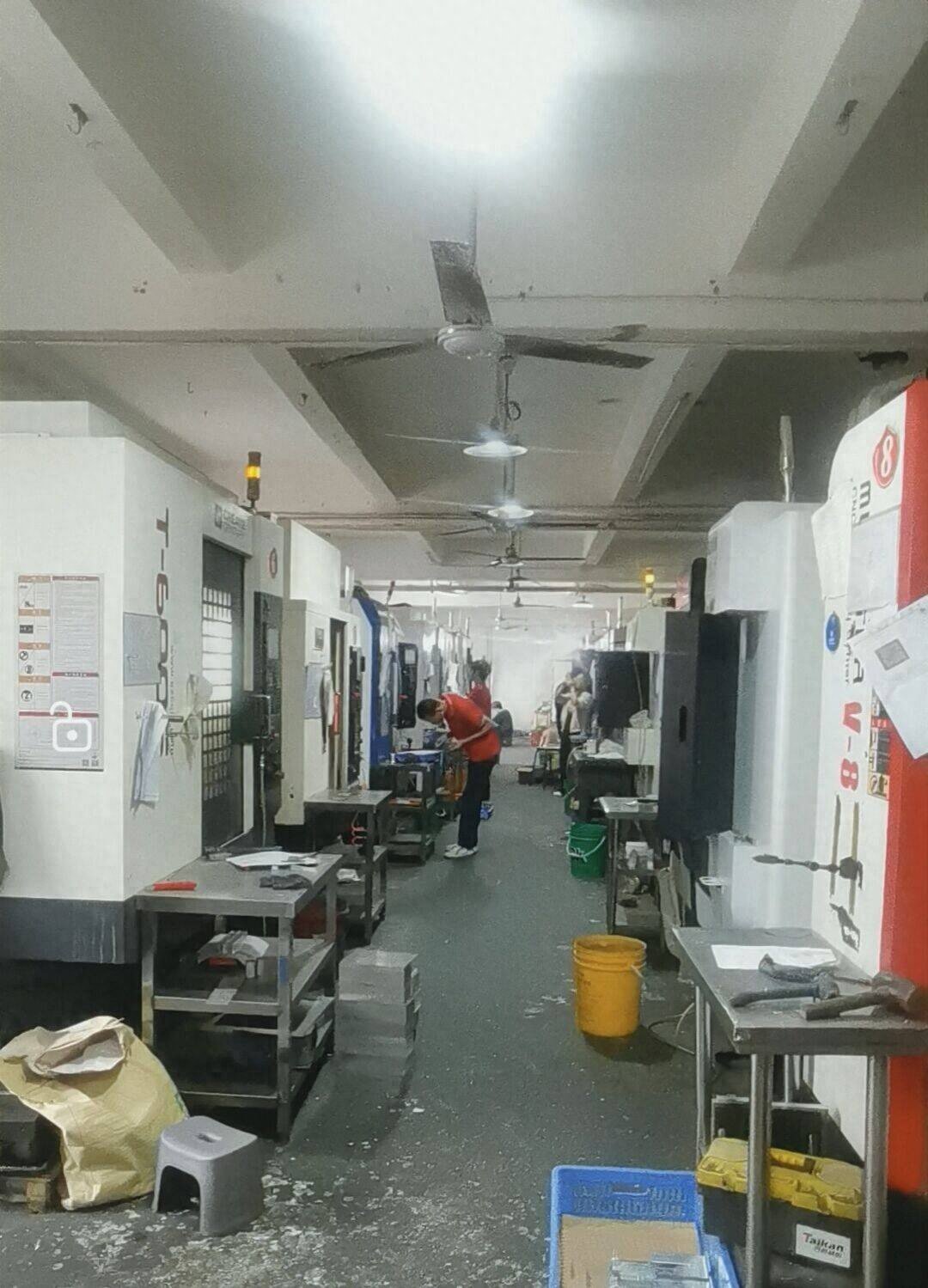
In the machinery factories in Shenyang and Wuhan, boring machines are important equipment that play a core role. Workers usually use "boring" as a verb when using them. For example, they often say something like "this piece needs to be bored again."
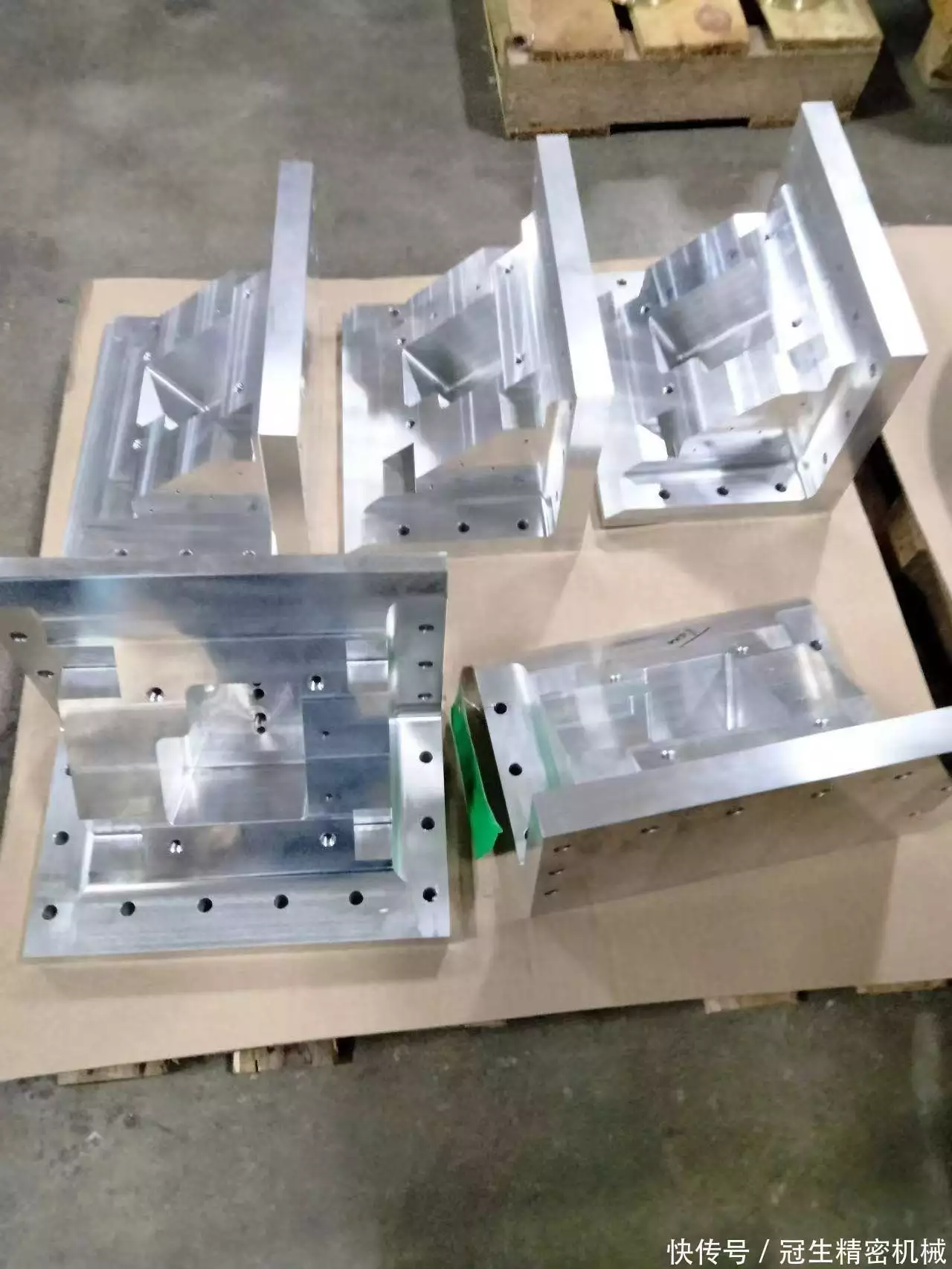
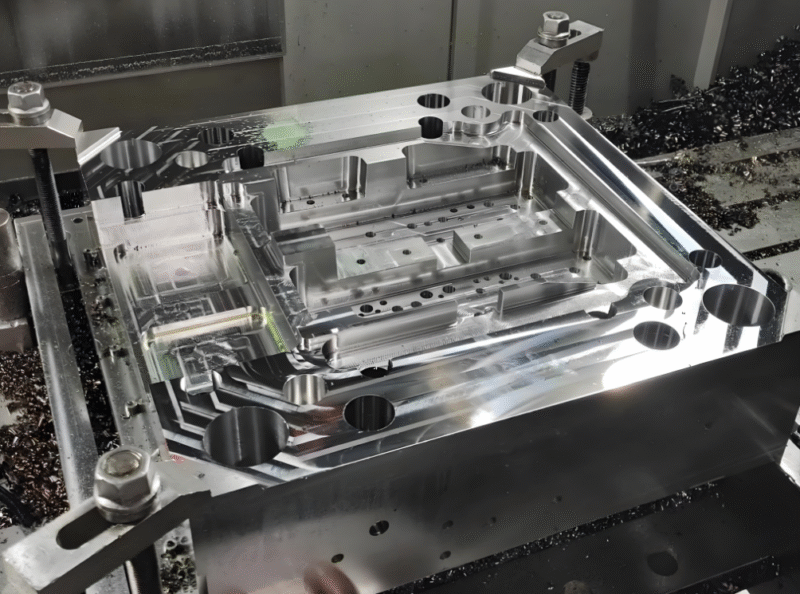
In the current boring process, the accuracy level that can be achieved is usually from IT6 to IT8, and the surface roughness is from Ra1.6 to Ra3.2 micron. For the inner holes of workpieces such as large steam turbine cylinders and ship propeller bushings, it is basically necessary to rely on a boring machine to perform single or multiple boring operations to shape the inner hole shape.
Technical training points

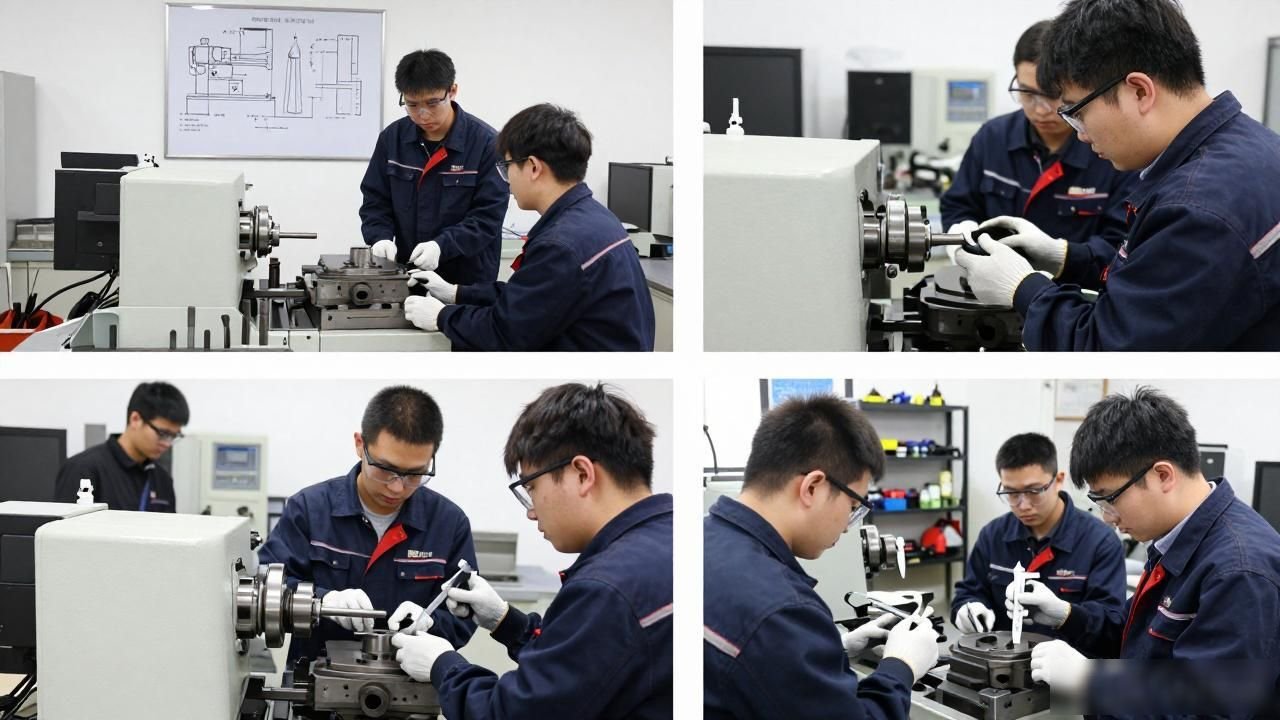
The training process of boring processing technology is usually divided into three stages. The first two weeks are mainly about learning the structure of machine tools and tool selection methods. The middle four weeks are mainly about practicing the boring parameter operation for inner holes with different diameters. In the last two weeks, we will complete the processing tasks of comprehensive parts. This course will be offered in vocational schools and technician colleges in places like Shanghai and Chengdu.
In 2024, the Ministry of Human Resources and Social Security will include "CNC boring and adjusting" in the new occupational catalog. The training cycle was stretched to six months. By the time it is finished, test pieces must be produced with a diameter between 50 mm and 300 mm. Only if the roundness error is controlled within 0.02 mm can it be considered acceptable.
Learn the characters first and then get started
After entering the workshop, many students realized that they had been pronouncing the word "boring machine" as "tāng". They had to be corrected by the master before they finally realized that this word has two pronunciations, which correspond to two completely different knowledge systems. Whether it is the place marked on the technical drawings or the passwords shouted at the operating station, they are all based on the sound of táng.
Therefore, for those who seriously participate in boring processing technology training , the first lesson is usually not to operate the machine tool, but to carefully understand and understand the origin and evolution history of the word "boring", its standard pronunciation, and its specific positioning in professional terms in the engineering field.
Only when the meaning and usage of the words are thoroughly recognized, can the various parameter settings, tolerance requirement control, and the specific sequence arrangement of tool travel involved in the subsequent steps be able to steadily keep up with the rhythm and achieve correct understanding, mastery, and application.
When you first came into contact with the word "boring", what was the specific situation like? Did it come from the content in the textbook, or did you learn about it in the production workshop? Welcome to the comment area to participate in the discussion. If you think this information is useful, you might as well like it and forward it to your colleagues and friends.



暂无评论内容