


How to solve the three cores of order-based production management?
Many machinery factories accepted small batch orders, but the delivery deadlines were repeatedly delayed. Customers continued to press for orders, and there were even customer losses. In the end, when the reasons were investigated, it was difficult to clearly explain!
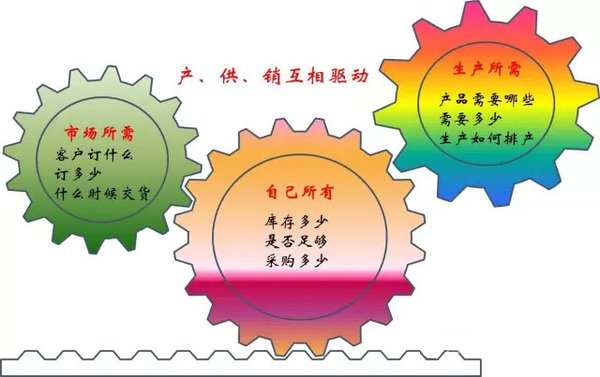
In fact, the key to the problem is not at the production site, but whether the materials can be matched, whether the inventory data is accurate, and whether the production schedule is reasonable and appropriate. If these three things are not sorted out clearly, then the order will never be able to keep up with the progress.

When the order comes, calculate the materials first
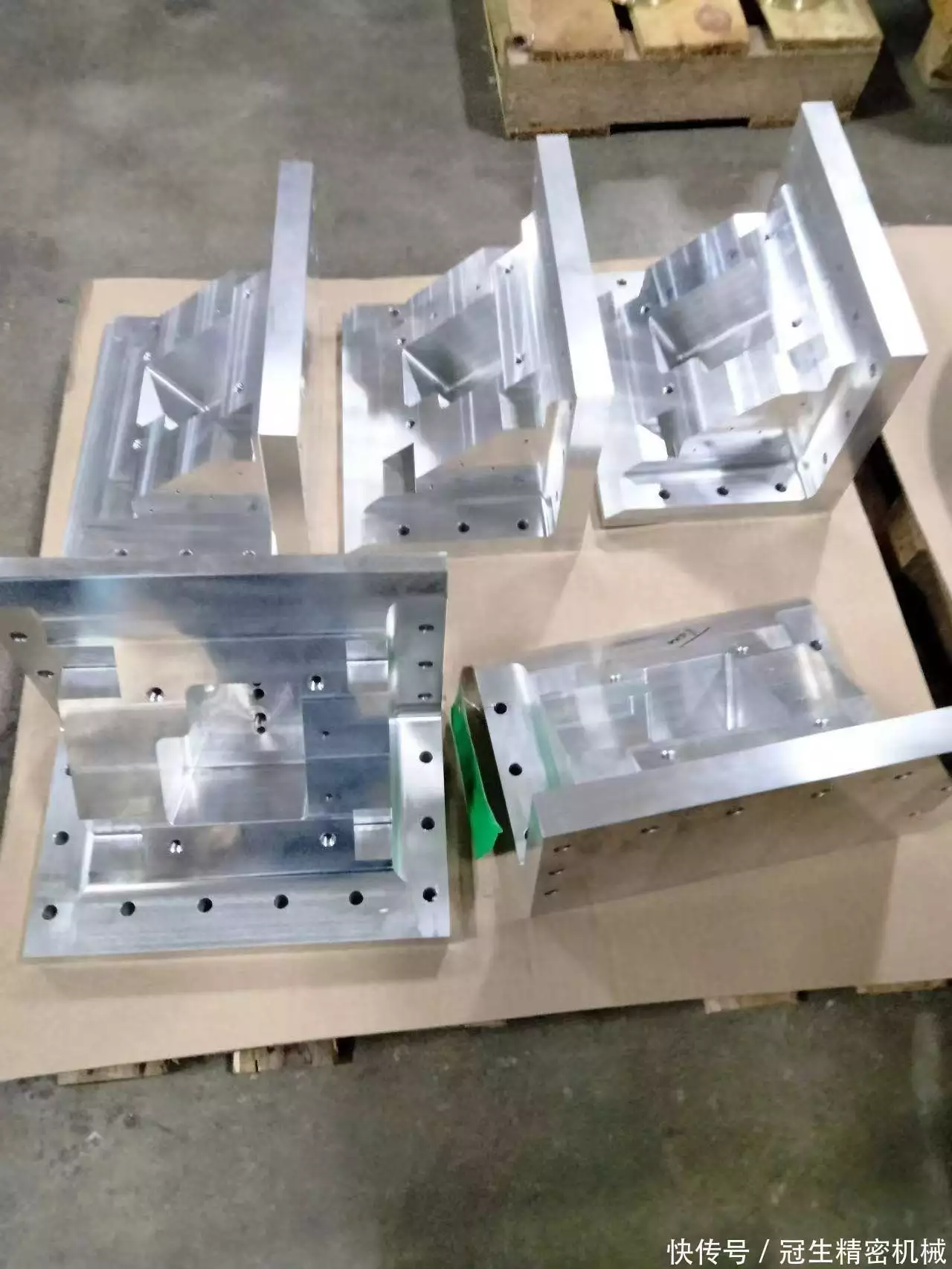
After receiving a custom processing order, you must first figure out what raw materials are required, what are the specifications of each material, what is the quantity, and what are the specific material requirements. For example, if we are processing a batch of hydraulic valve bodies, we need No. 45 steel bars, seals, bolts, etc., and there is no way to assemble any of them.
Many companies act based on experience, and the resulting lists of materials are very different. The procurement situation is either over-purchasing, resulting in a backlog, or under-purchasing, resulting in work stoppages waiting for materials. Accurately calculating the required quantity is the first and most critical step.
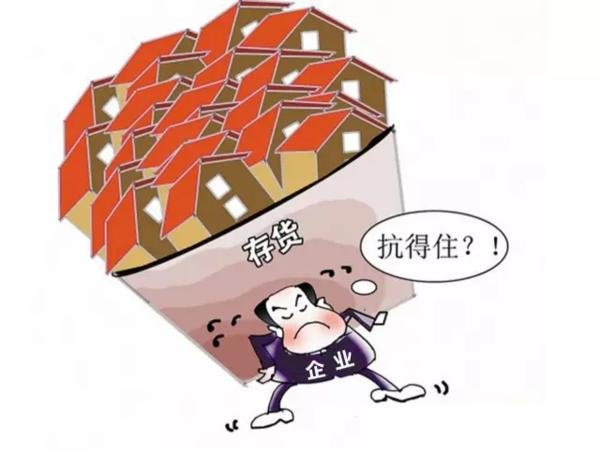
Whether there is enough inventory needs to be accounted for

After calculating the material requirements, you have to look at what you have in your warehouse and what you still lack. How much the existing inventory can satisfy and how much needs to be purchased for the gap must be calculated clearly one by one.
For some companies, the inventory records show the presence of goods, but in fact these have been booked by other orders, or there is a delay in the inventory data, and it is discovered that there are no goods until the materials are picked up, which directly causes the production line to stop running. Only by having a clear grasp of available inventory in real time can this embarrassing situation be prevented.
Production capacity scheduling must be reasonable
After the materials are prepared and the inventory is sufficient, you still need to consider whether production can be completed on time. Each order has a delivery date, and the production plan should be arranged according to the actual production capacity of the workshop and the process cycle.
Just like a batch of parts, the process includes turning, milling, heat treatment and grinding. The total construction period is set to be ten days. However, the customer requires delivery in only seven days. In this case, the production sequence needs to be adjusted, or outsourcing is considered. Once the production schedule is unreasonable, no matter how advanced the equipment is, it will not be able to meet the delivery date.
It’s embarrassing that the supporting facilities can’t keep up.
Many companies think that the shortage of materials is just a minor problem and will be fine once they get busy. However, this idea is becoming increasingly difficult to implement. The supporting equipment failed to keep up, causing the production line to be intermittent, causing workers to idle, causing equipment to idle, resulting in a significant drop in efficiency.
What’s more serious is that some companies, in order to catch up with progress, frequently perform line changes, and repeatedly switch back and forth on large equipment for small batch orders. However, this increases downtime and debugging costs. In the end, the delivery date cannot be maintained.
It's a headache if the package is too fast
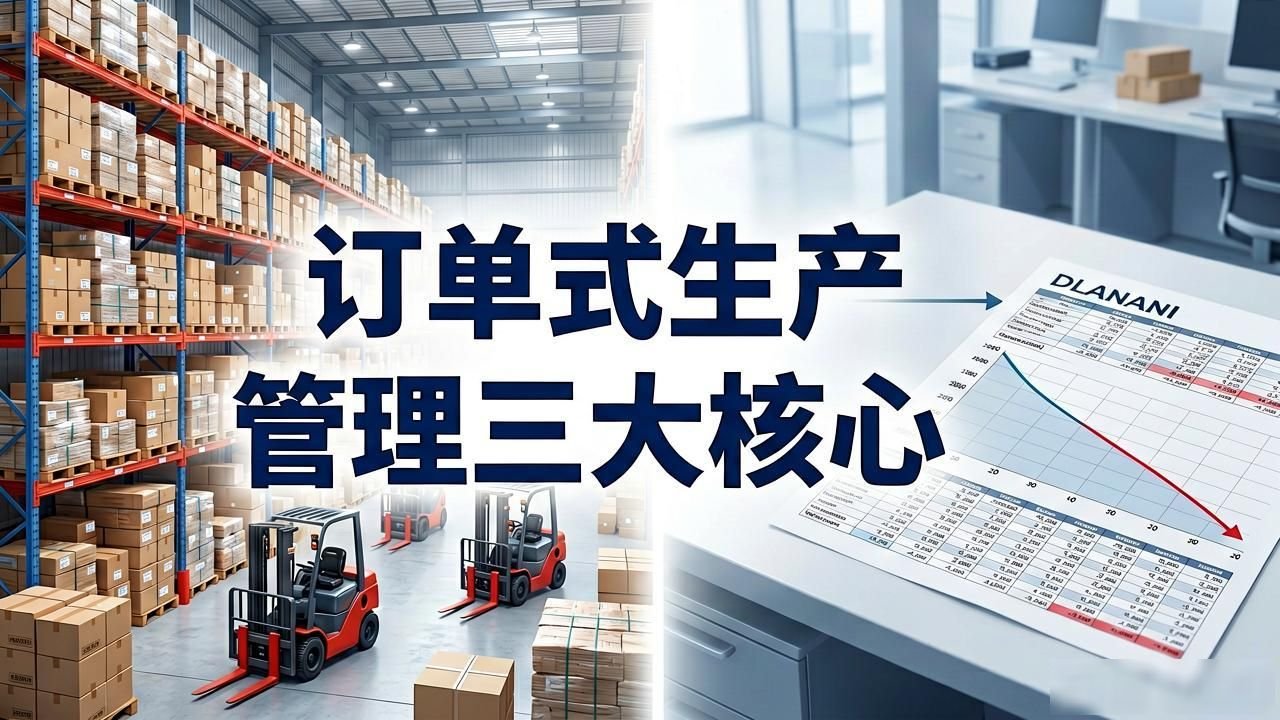
Lack of materials has disadvantages, as does too fast a matching speed. Materials arrive early and are then backlogged in the warehouse, which takes up funds and storage space, resulting in a decrease in turnover rate and an impact on cash flow.
For those raw materials that take up a lot of capital, such as metal materials, the backlog of inventory is not something to be thankful for. Leaving it for a long time will not only increase the cost, but may also lead to scrapping due to rust and oxidation. This is really not worth the gain.
Balancing supply and demand relies on management
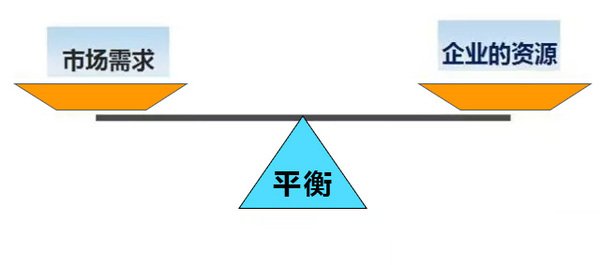
When in the sales-based production mode, the balance between market demand and corporate resources is a core problem. At this time, a comprehensive management system must be built, starting from order review and evaluation, to material demand planning, to inventory control and adjustment, all the way to production arrangement and scheduling. The entire process must be connected to data.
The focus of the management plan given by the Finance and Trade official website is to use information tools to solidify this entire set of processes, so that each order, from the time it is accessed until it is delivered, can have a verifiable basis and an amount of data to rely on, so as to achieve a stable and gradual improvement in order delivery capabilities.
Within the scope of order management for small-scale machinery processing, what is the most troublesome problem for your company at the moment? You are welcome to leave a message in the comment area to start a discussion. Like it and forward it to more peers!




暂无评论内容