
small
Big opportunities hidden in small things
There is an obvious trend that has emerged in the field of industrial manufacturing in recent years. The size of precision components is becoming smaller and smaller, and the technical threshold is becoming higher and higher. There are thousands of tiny parts in a mobile phone, and their processing accuracy directly determines the performance of the product. Data from a precision processing company in Shenzhen in 2025 shows that orders for tiny parts have increased by 35% year-on-year, but the profit margin is two to three times higher than that of ordinary machining. This industry is no longer a fringe area, but a new gold mine in the manufacturing industry.
The ultimate challenge of traditional craftsmanship
There is a situation where old-fashioned lathes and milling machines are unable to cope with parts with dimensions below 0.1 mm. They suffer from rapid tool wear, difficult to control thermal deformation, and difficulty in clamping and positioning. These problems have made many factories shy away from this. The boss of a company in Suzhou Industrial Park that has been engaged in precision mold manufacturing for 20 years said that in 2023, they accepted an order for a 0.05 mm aperture, but the scrap rate was once as high as 40%. Since the traditional way of thinking does not work, we must find another way out.
Laser processing becomes a breakthrough

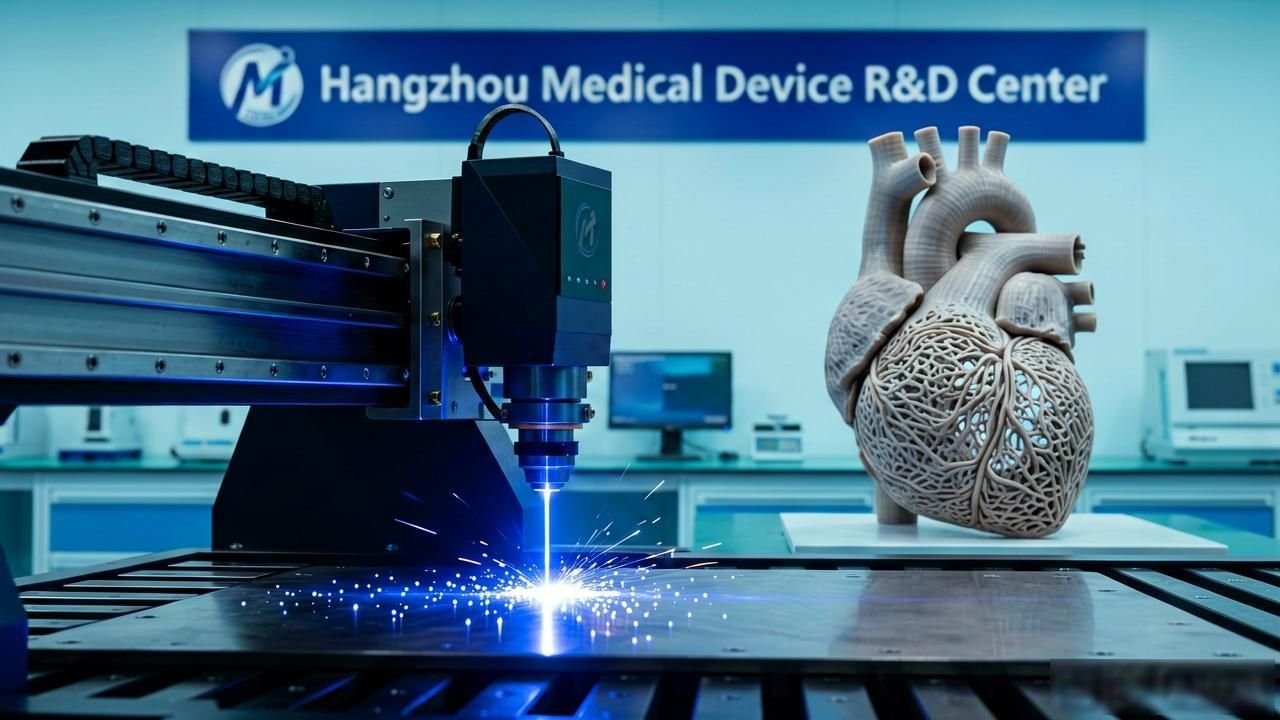
What is changing the landscape of micro parts processing is the femtosecond laser technology micro parts processing development blueprint . Using extremely short pulse laser beams, this technology can vaporize materials without producing heat-affected zones, and its processing accuracy can reach micron levels. Using this technology, a medical device company in Hangzhou has processed a heart stent with a wall thickness of only 50 microns . The development blueprint for processing micro parts . The company's product qualification rate has increased from 65% to 92%. Although such a machine requires a large investment, it can pay for itself in three years.
Precision testing determines success or failure
The smaller the parts are made, the harder it is for inspection to keep up. Traditional vernier calipers and micrometers are no longer sufficient and have become standard equipment for optical measuring instruments and laser interferometers. An electronics factory in Dongguan has introduced an online inspection system to measure the size of each tiny part in real time during its processing. Once the deviation exceeds 0.5 microns, an automatic alarm will be issued. This system has reduced their product defect rate from 15% to less than 3%.
Intelligent production line integration speeds up
Even if a single piece of equipment is extremely powerful, it cannot compete with the coordination of the entire production line. There is a company in Shanghai that connects a five-axis machining center, a laser welding machine and an automated inspection line in series. There is no human intervention in the entire process from the initial loading of tiny parts to the finished product. A production line can produce 20,000 precision gears in a day, and the diameter of each gear is less than two millimeters. The factory director said that a job that used to take ten people five days to complete can now be completed by a machine in only half a day.
Talent cultivation is the biggest shortcoming
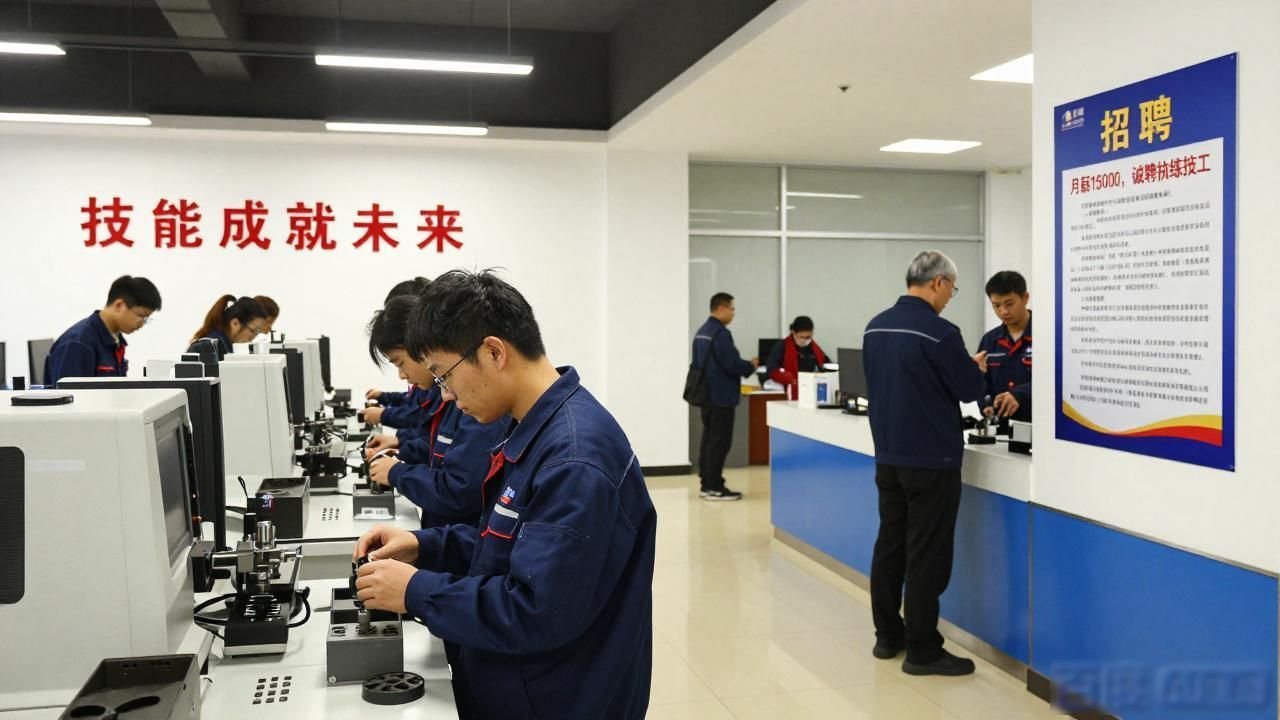
Equipment can be bought and technology can be learned, but it is really difficult to find people who can operate the production line of tiny parts. There are only about twenty small higher vocational colleges in China that specialize in precision machining, and the number of students who graduate each year is less than 3,000. There was a company in Chongqing that offered a monthly salary of 15,000 but could not recruit skilled workers. In the end, it had to invite two technicians and apprentices from Germany. If the industry wants to develop, education must first catch up.
Material innovation expands application boundaries
The processing of micro parts is inseparable from the support of high-performance materials. The demand for difficult-to-machine materials such as titanium alloys, nickel-based alloys, and special ceramics is increasing. Traditional cutting methods are difficult to cope with. Shenyang Materials Research Institute has developed a new type of super-hard coating tool, which has a lifespan eight times longer than ordinary tools. It is specifically designed for the processing of micro parts. This technology has reduced processing costs by 40%, and its application scope has expanded from electronics to aviation and medical.
Engaged in the industry of micro parts processing, the development path of micro parts processing is to expand and become broader, but the obstacles it sets are also getting higher and higher. Think about the next five years, which carefully divided areas can become the new growth points of micro parts processing? Welcome to the comment area to fully share your personal views and understanding. Through the behavior of likes and forwarding, more people can see the potential opportunities contained in this industry.
Leave a Reply
You must be logged in to post a comment.