

Grinding: the source control point for part cleanliness
When the final inspection cleanliness of parts fails to meet the standard, many people will immediately go to the cleaning process to ask for explanations and explanations. However, the real culprit that causes the metal debris generated during the grinding process to be forced into the gaps of the parts is actually the bucket of coolant used in the grinding process that has become very dirty.
Wear debris embedded in parts cannot be solved by cleaning
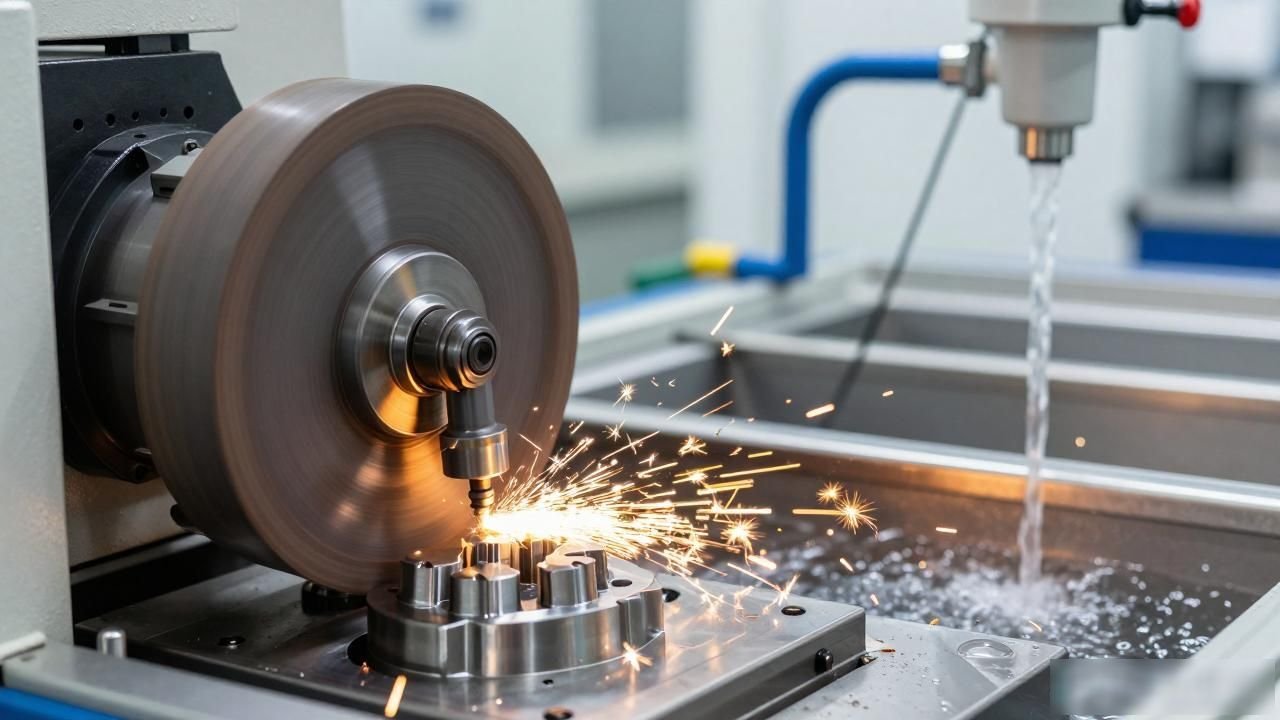
During the grinding process, the fine grinding chips cut off by the grinding wheel do not end completely when they reach the ground. These particles are directly mixed into the circulating coolant, and then are forced into the surface of the workpiece and the gaps in the structure under the continuous extrusion of the grinding force.
This situation is a state of original contamination inherent in the processing process, rather than a type of dirt that can be washed away through subsequent cleaning processes.
A bearing manufacturer in Yantai, Shandong Province conducted a comparative test. The same batch of parts were processed with 325 mesh and 80 mesh filtration precision. In the 80-mesh batch, the amount of grinding debris remaining on the surface of the inner hole was four times that of the previous one. After 40 minutes of ultrasonic cleaning, there were still particles embedded in the edges of the steps.
Micro-hole step threads are the hardest hit area for wear debris
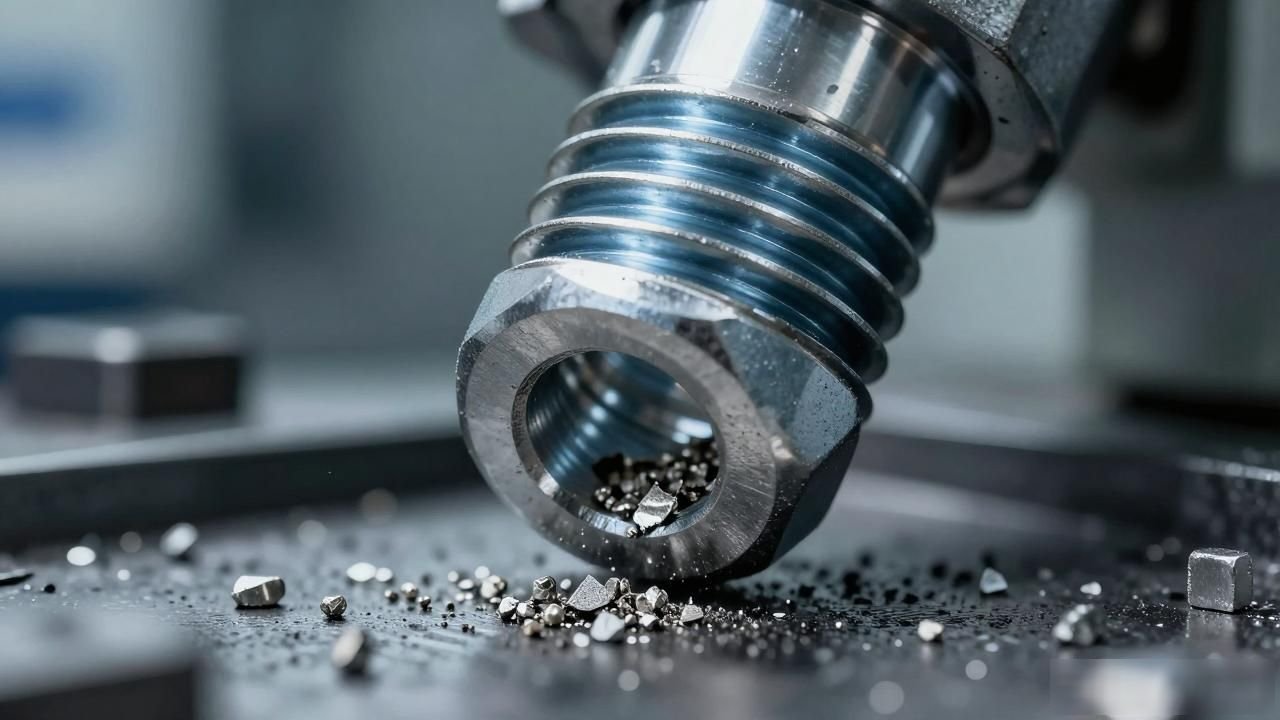
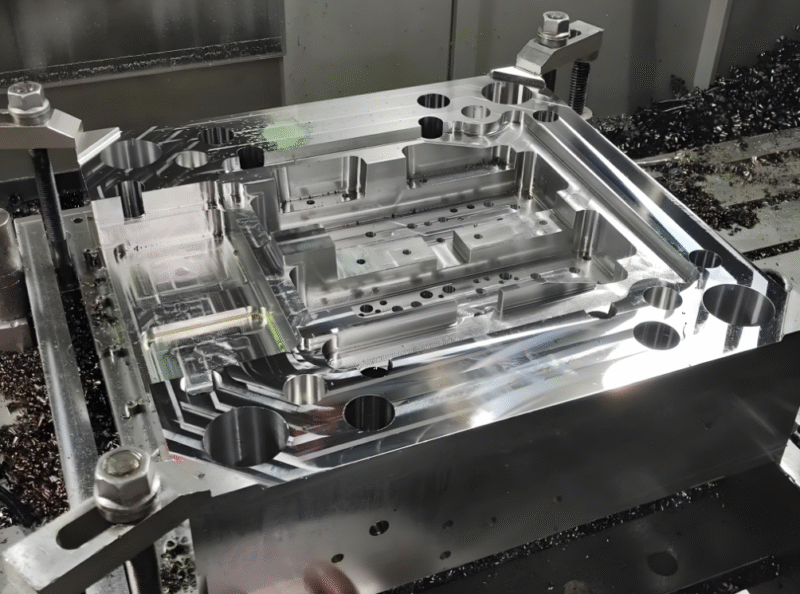
In places such as micro holes, steps, deep inner holes and threaded grooves on parts, the geometric shape is inherently particularly easy for particles to be caught inside. When the grinding fluid flows past these locations with micron-level grinding debris, the particles will be stuck, adhered and pressed in. Ordinary spray methods and ultrasonic cleaning methods are difficult to completely remove dirt from these dead corners, so the residual rate remains high.

In the current manufacturing process, the bottom of the thread and the inner wall of the deep hole are very prone to problems. There is feedback from customers here, saying that after the threaded parts have been processed by the grinding process, even if they have passed the inspection of three cleaning procedures, metal debris particles with a particle size of 5 microns or more are still found in the bottom area of the thread profile. The fundamental reason for this situation is that the grinding fluid used is not properly filtered, resulting in these tiny particles being repeatedly embedded into the surface of the workpiece during processing.
Micron-sized wear debris is invisible to the naked eye
Micron-level wear debris is very concealable. During the appearance inspection, everything is normal. The surface of the part looks very flawless, but the result of the cleanliness test is that there is no direct qualified status. This kind of hidden contamination is the most troublesome. Without the help of particle counters or filtering and weighing, it is completely impossible to find out where the specific problem lies.
The lesson given by an auto parts supplier is very representative. All their products were shown to be qualified during external inspections. However, when the customer received the materials for testing, they determined that the materials were substandard. Later, after a retrospective investigation, it was discovered where the problem lay. The reason is that the coolant circulation cycle of the grinding station is artificially lengthened.
At the same time, the filter element in the filtration system became clogged. Because this blockage was not discovered and dealt with in time. Therefore, the filter element was not replaced in time. This has resulted in a substantial increase in the concentration of micron-level particles. The end result was that the entire batch of defective parts was allowed to leave the factory and sent to the customer.
The higher the filtration precision, the less wear debris the coolant will bring out.
The coolant function of the cutting fluid filtration system for precision grinding is a key factor in determining the upper limit of the concentration of wear debris particles in the circulating fluid. If the filtration precision is increased from 80 mesh to 325 mesh, the number of particles that can circulate in the coolant will be greatly reduced, by at least an order of magnitude. At the same time, when the workpiece is ground, the amount of particles that are adhered and embedded in it will also be greatly reduced.
This is not just a matter of replacing the filter element. The filtration system must match the particle size of the grinding wheel, the amount of grinding and the flow of coolant. If the wrong model is selected, or the maintenance is not kept up, then no matter how high the precision parameters are set, it will be in vain and it will just look like it. The most important thing is to let the filtration ability run ahead of the speed of generating wear debris.
The source is controlled and the back-end cleaning pressure is immediately reduced.
After the concentration of particles is suppressed through the grinding process, the direct burden borne by the back-end cleaning processes is also reduced. Originally, it was necessary to use a three-step ultrasonic and spray treatment method. Under the current situation, it may only take two steps to complete the corresponding task.
The frequency of wear debris deposition in the internal space of the cleaning tank has been reduced, the actual service life of the cleaning medium has been extended, the degree of equipment wear has also been reduced, and the cost structure of the entire production line has indeed changed.
After a certain hydraulic valve factory transformed the grinding fluid filtration system, the cleaning process was reduced from the original four to two. In addition, the replacement cycle of cleaning fluid has been extended from two weeks to six weeks, and the pass rate of parts cleanliness testing has increased from 82% to 97%, resulting in the elimination of subsequent complaints.
Batch consistency relies on process control rather than end-of-line remediation
Even if individual parts are out of tolerance occasionally, cleaning can often play a certain role in providing a guarantee. However, when mass production is required and the quantity reaches hundreds or even thousands of pieces, it is completely unsustainable in terms of cost and risk to only rely on cleaning in the final step to achieve consistent control.
If you want to ensure the stability and reliability of cleanliness data, the grinding fluid filtration link must be strictly managed as a process control point, and the actual concentration level of particles needs to be monitored regularly, and the specific status of the filter element must be clearly included in daily inspection work.
First, connect the data of the filtration system to the MES, and then set the alarm threshold for particle concentration. Once the value exceeds the specified limit, the system will automatically shut down and replace the filter element with grinding coolant . This is a more pragmatic approach now. Because the gate grinding process is controlled at the source: the source control point of parts cleanliness, so the back-end staff do not have to deal with the mess there every day.
The grinding fluid used in your workshop is now filtered to a precision of how many mesh meshes it has. At the same time, how long is the time interval between filter replacements? Welcome to the comment area to discuss and communicate. If you find this content useful. Then please click on the like option. And forward it to the process colleagues and quality colleagues around you.



No comments yet