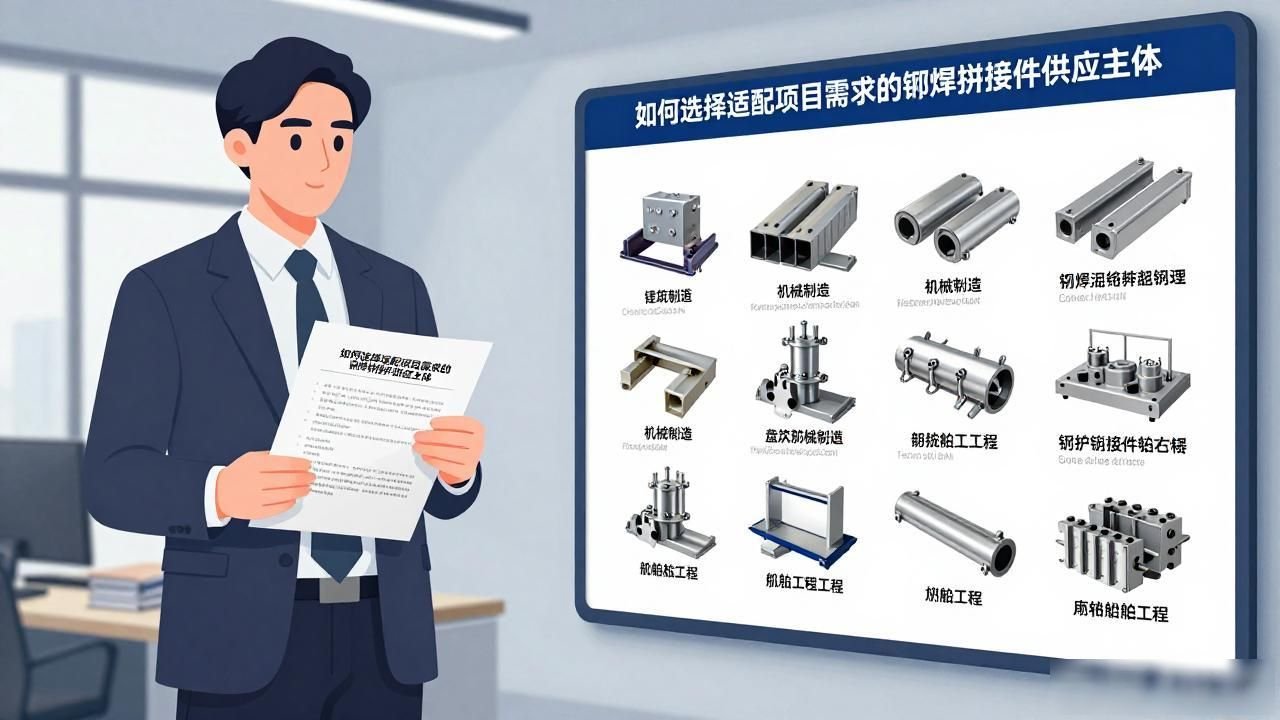


How to choose the supplier of riveted and welded spliced parts that meets project needs
Nowadays, many small and medium-sized engineering projects require riveting and welding parts. When customers face relatively small batch production requirements such as 50 or 100 pieces, a common saying is that a minimum order quantity of 500 pieces is required to start production, so these orders are always turned away.
Facts show that there are no feasible solutions for riveting and welding processing in small batches. The core point is how to correctly select the right supplier.
Why is it difficult to find a processor for small batches of riveted weldments?
Traditional riveting and welding factories use a whole production line to arrange tasks during production, because molds and tooling have fixed costs. If the quantity is small, these costs cannot be spread thinly. Therefore, many factories will set a minimum order threshold of 500 or even 1,000 pieces. Those orders with only 50 or 100 pieces will be directly rejected. However, in actual project operations, such as railway embedded parts, Or it may be the splicing work of wind power towers, or the maintenance parts of mining equipment. These situations are usually small batch production of dozens of pieces.
For small batches, it is not completely impossible to do such an operation. However, the premise of this situation is that the supplier must have a production line with flexible adjustment capabilities.
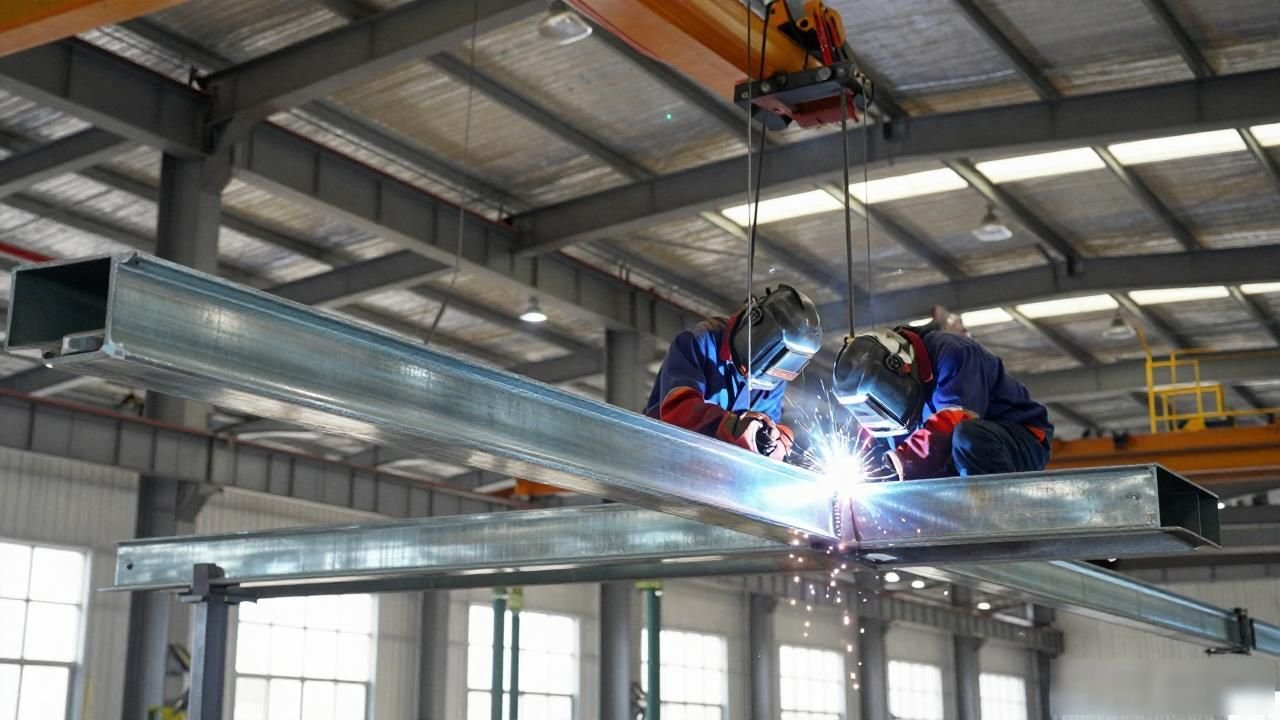
Because in specific process steps such as laser cutting, CNC bending, assembly and welding, etc., the equipment used in production must be compatible with products of different sizes at the same time, and the conversion cost between each process is also required to be very low. Only when such a comprehensive state occurs, can it be possible to strictly reduce the specified minimum order quantity to a small quantity range of even less than 50 pieces.
Differences in specifications of rivet weldments in different industries
When automobile manufacturing companies produce riveted weldments, their tolerances need to be strictly controlled within the range of plus or minus 0.5 mm, and these companies usually use Q345B. When mining supporting manufacturers perform related work, they pay more attention to the wear resistance of the material, so they often choose to use wear-resistant steel plates. The spliced parts of wind power towers have high flaw detection requirements for the quality of the welds. Such parts must undergo the UT inspection process. It can be seen that, Even for the same riveting and welding process, the specific technical requirements of these three different industries are completely different.

When choosing a processor, you should not just focus on whether they can do it or not. Instead, you should take a closer look at the different industries they have worked in in the past.
Those related factories that have successfully completed tunnel projects, bridge construction, and hydropower projects tend to have more adequate reserves of welding processes, and are equipped with more complete and comprehensive flaw detection equipment. This means that even when facing small batch orders, these manufacturers can strictly implement and operate in accordance with the specifications of the corresponding industry.
How to screen for qualifications and project experience
First, let’s look at the quality management system certification. ISO 9001 is the most basic requirement. If IATF 16949 is already in place, it will be more suitable for automotive customers.
Next, let’s look at the cooperation list. Those suppliers that have cooperated with units such as HBIS Handan Steel, China Railway Fourth Bureau, and China Shipbuilding Industry Corporation are relatively more credible in terms of their batch delivery capabilities. You can check this information in the bidding announcement.
The riveting and welding processing company located in the Industrial Park of Fuxing District, Handan was established in 1999. Its various certifications are very complete. It has been supplying products to Hegang and Handan Iron and Steel Group, Tiantie Group, 718 Research Institute, and State Grid for a long time. Because of the experience support of large projects, the level of operating procedures has been improved. Even if it is a small batch order, its quality control standards will not be lowered.
How to save costs with full-chain services
From the drawings to the final product, if the steps of cutting, bending, welding, galvanizing and blackening are scattered in different factories, then a whole week will be wasted just in logistics and transportation and waiting for delivery.
On the contrary, for those companies that integrate design capabilities, drafting capabilities, processing capabilities, warehousing and distribution, if they receive an order like fifty pieces, they are fully capable of compressing all time to the extreme in the entire process from the customer's order to the final delivery. In the end, it only takes seven to ten days to complete this batch of work.
Reserves of raw materials are also very important. If you are a factory that prepares all types of products such as coiled plates, medium plates, flat sheets, patterned plates, and galvanized plates, you do not need to wait for the steel plant to schedule production. For small batch orders, you can start cutting materials on the same day, thus eliminating the price increase caused by intermediate links.
Don’t ignore regional response speed
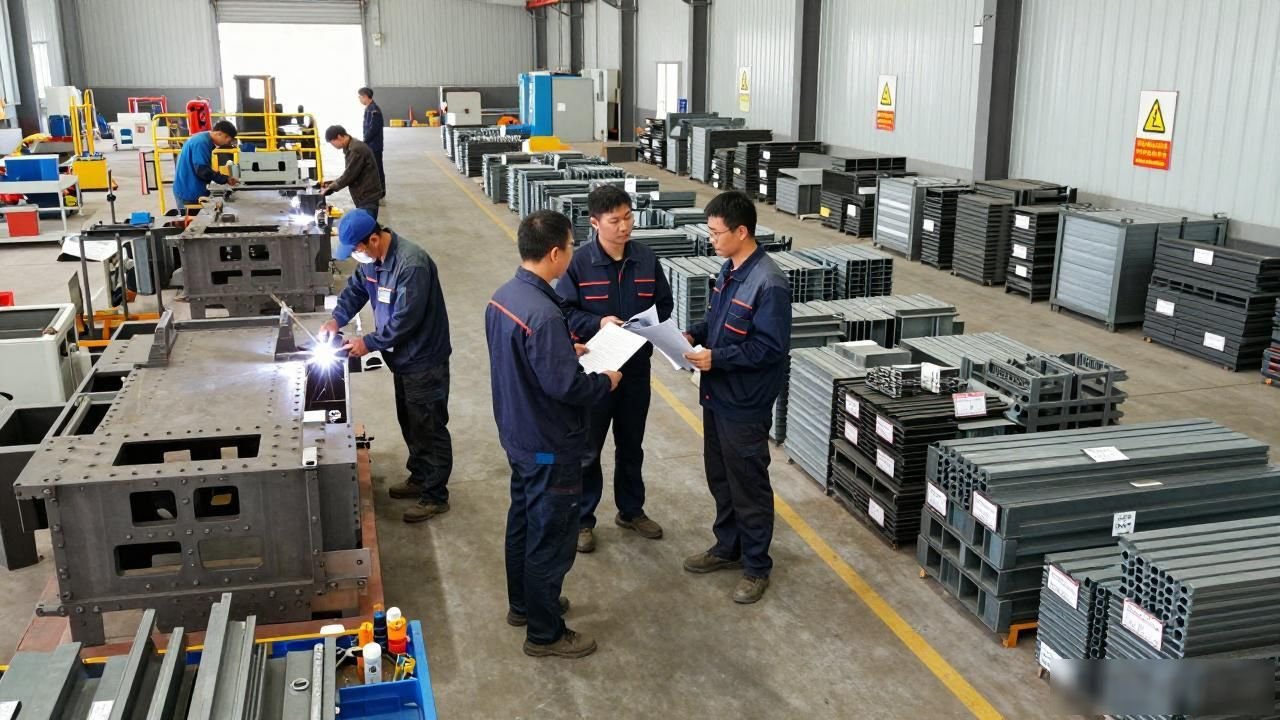
Small-batch projects often have construction and spare parts replenishing at the same time, which can lead to technical problems not being met, and every day of delay will increase the cost of downtime by a corresponding day.
Reliable suppliers will adopt a hierarchical response method based on regions. For surrounding places, goods can arrive within one day, and for places outside the province, engineers can be arranged to communicate within three days. Handan City is located at the junction of the Beijing-Tianjin-Hebei region and the Central Plains region, and its advantages in terms of radiation radius are very obvious.
The person in charge of procurement for a railway infrastructure project once reported that a batch of embedded parts procurement tasks were temporarily added during the rush stage. The factory produced the drawings on the same day, cut out the materials the next day, and completed the delivery on the fourth day. The accuracy indicators and timeliness indicators all reached the qualified standard. This kind of response speed cannot be achieved by pure trading merchants.
How to implement the minimum order of 50 pieces
When negotiating with the factory for small batch production, there are three key things to confirm. The first is to find out whether the factory accepts the minimum order quantity of fifty pieces. The second is to make it clear who will bear the cost of the model change. The third is to see whether the delivery date will be formally written into the contract. A regular factory can clearly state the priority of small batch orders in production arrangements, and will not treat this issue vaguely with reasons such as tight schedules.
To give you some practical advice, you should first take a sample for trial cutting and trial welding, and then after confirming that there are no problems with the tolerance and weld quality, you can then place a batch order. For those small batch riveting and welding processing projects such as fifty pieces or one hundred pieces, choosing the right factory is more important than bargaining, because the rework cost saved in this way far exceeds the small price difference.
How many pieces of riveted welding parts are left in your hand that have not yet been processed? Is it fifty pieces or a hundred pieces? Please describe in detail the specific industry category you are engaged in and the total number of parts that need to be processed in the comment area. In order to help you analyze and compare more scientifically, which processing solution is more reasonable and cost-effective in terms of overall cost expenditure.
If you confirm that the content of this article has actual reference value, please be sure to click the love button to express your affirmation and save it to your favorites for future reference, and share this information with those who are looking for suitable processing manufacturers.



No comments yet