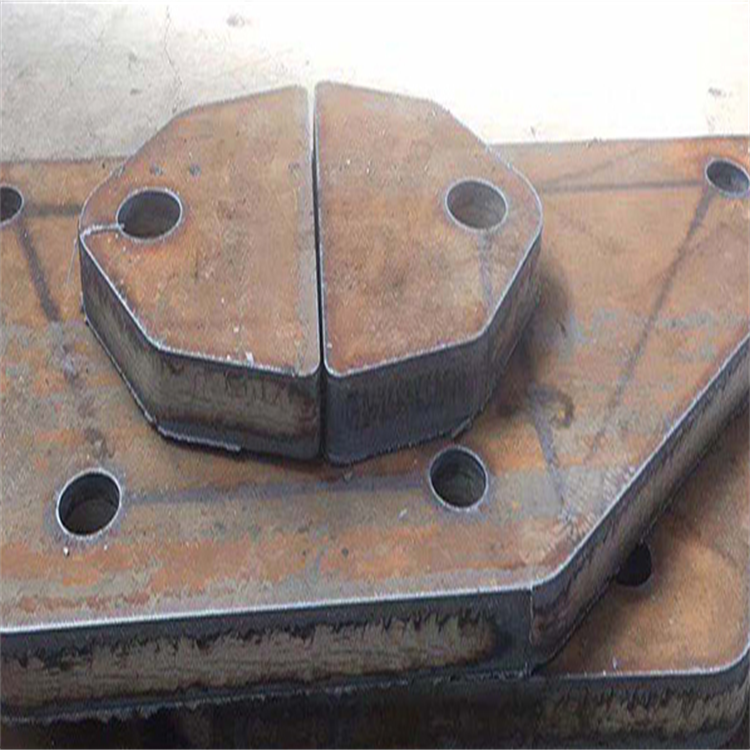


Xiangyang medium and thick plate blanking-steel plate zero cutting-extra thick steel plate cutting-plasma processing
Here in Xiangyang, manufacturers engaged in blanking of medium and thick plates often encounter more and more complaints about slag and cracks. To put it bluntly, most of the problems in Xiangyang medium-thick plate blanking-steel plate cutting-extra-thick steel plate cutting-plasma processing are not likely to be due to any shortcomings in the quality or performance of the equipment itself. The real reason is most likely that the preparation steps before cutting were omitted or not carried out according to normal requirements.
Check gas pressure every half hour

Before using nitrogen to perform the cutting process, you must first confirm whether all the valves on the gas line are open for CNC plasma cutting and riveting of medium and thick plates , and whether the reading of the pressure gauge has reached the specified cutting requirements. Many people think that just opening the valve once is enough, but in fact the pressure of nitrogen will slowly drop over time, so you have to go back and check the value on the pressure gauge every half hour.
As long as the value is found to have a downward trend, the booster valve will be activated immediately to supplement it. If the pressure cannot meet the requirements, anti-slag operation must be performed. Because the surface of the workpiece will be covered with bumps formed by splashes, the resulting rework cost is much higher than the value of the few minutes saved.
Thin plate cutting pressed with iron block
When using nitrogen to cut thin plates, do not place the plate easily on the workbench and immediately start the plasma equipment for processing. In order to ensure the stability of the operation process, an appropriate iron flat block should be selected, and pressure should be applied to the four corners of the plate to firmly fix it, thereby effectively preventing the plate from shaking on the surface of the workbench.
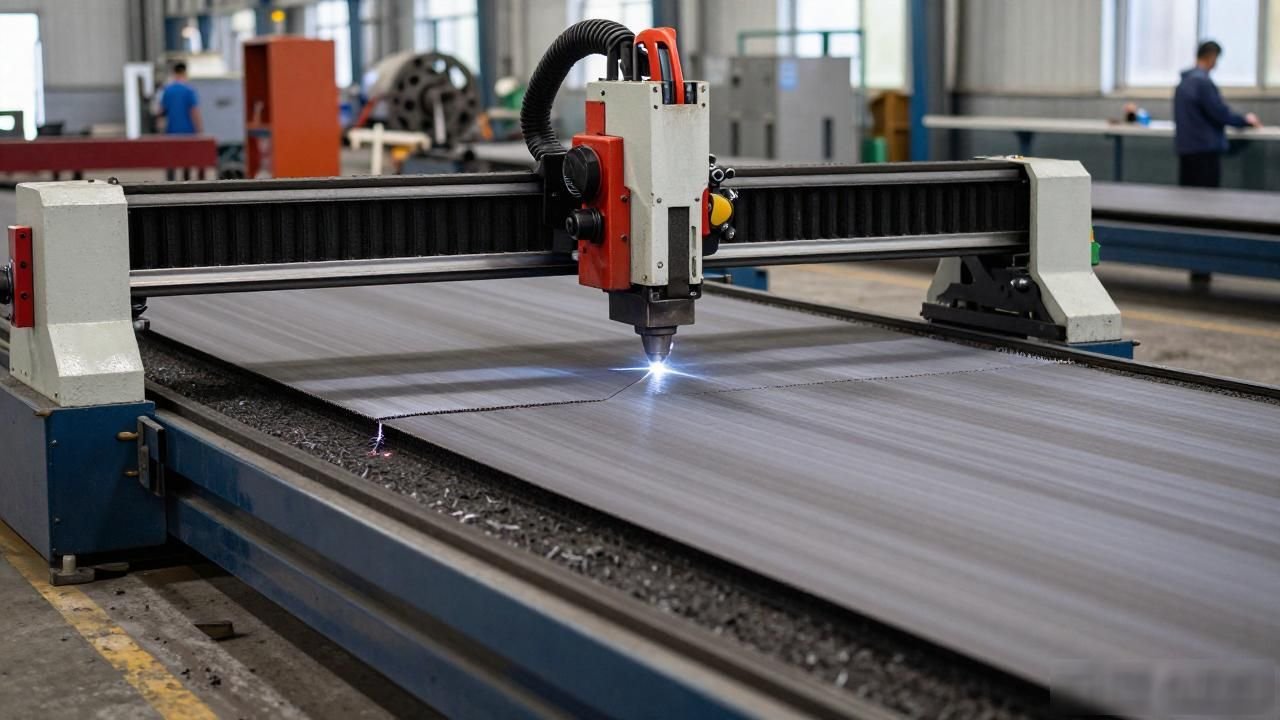
The rigidity of the thin plate is relatively poor, so once shaking occurs, the cutting seam will become skewed, which will directly increase the probability of slag back to twice as high. Eventually, the edge of the plate after the cutting is completed will have burrs and other uneven conditions. Although this action takes nearly two minutes of CNC plasma cutting and riveting of the medium and thick plate , what it saves is about half an hour of subsequent grinding and repair work.
The flame is run dry and preheated to 100 degrees.
Before the cutting operation is carried out, the flame needs to be moved back and forth several times in the area above the predetermined cutting line. In this way, the steel plate is preheated to a temperature range of about 100 degrees Celsius, and then the plasma equipment is started for cutting. It must be emphasized here that you cannot just reduce the operating speed of the cutting machine to prevent cracks in the material, because the reliability of this simple low-speed treatment is far less than the effect guaranteed by preheating in advance.
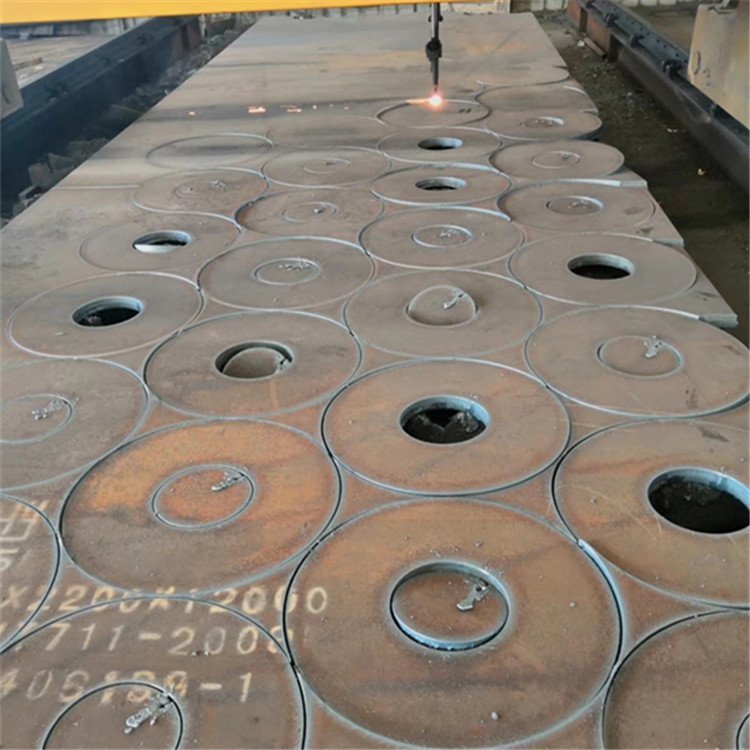
It is necessary to stack preheating and low-speed cutting at the same time, so that the probability of cracks can be further reduced. Especially in winter when the temperature in the workshop is very low, this step cannot be omitted. If you do not do this, cracks will suddenly occur in the middle of cutting, and the entire board will be scrapped and wasted.
The cutting speed depends on the material
The cutting speeds of steel plates of different grades and thicknesses are greatly different. If the cutting speed used when cutting a Q235 steel plate with a thickness of 20 mm is used to cut a Q345 steel plate with a thickness of 40 mm, the cutting gap will become wider, and more slag will occur, and the risk of cracks will also increase significantly.
The specific running speed needs to be determined by checking the process parameter table corresponding to the steel plate. It cannot be determined just by patting your head. Because the thickness of extra-thick plates can easily reach hundreds of millimeters, in this case, it is even more necessary to reduce the speed step by step, gear by gear. If this is not done, the CNC plasma cutting and riveting of medium-thick plates will lead to a complete collapse of product quality when the cutting process progresses.
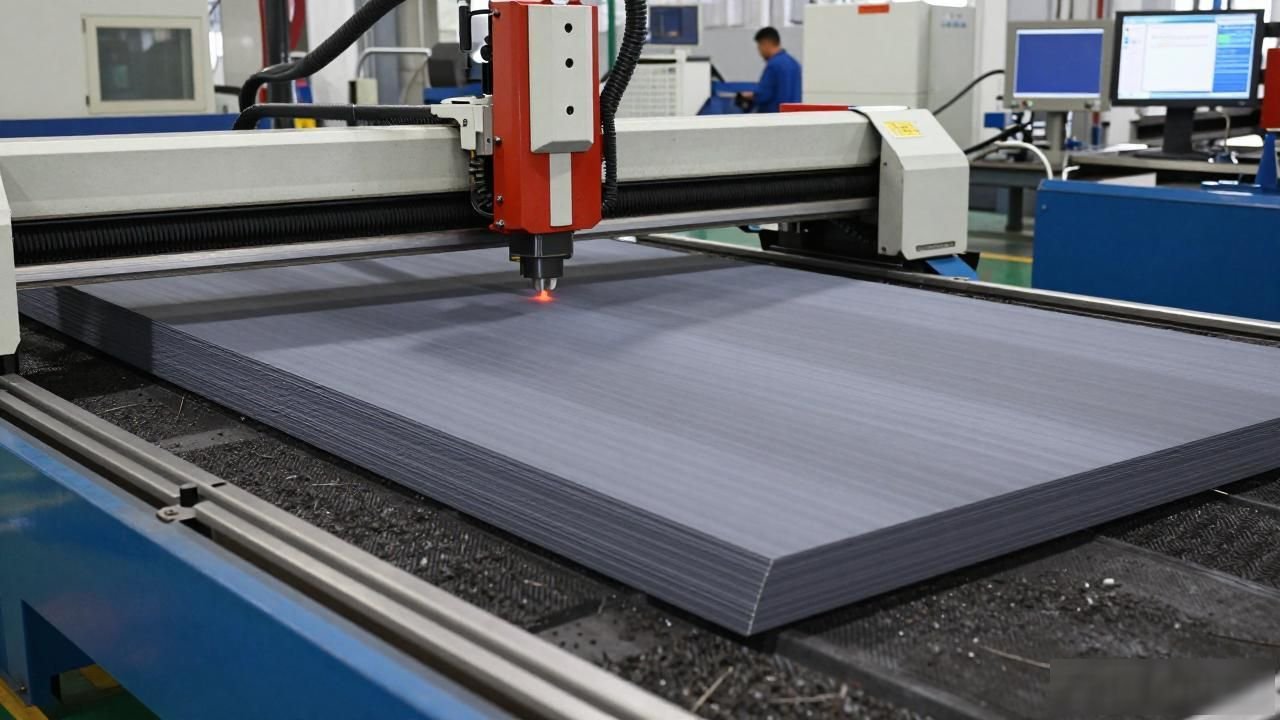
Cut corrugation and verticality are hard indicators
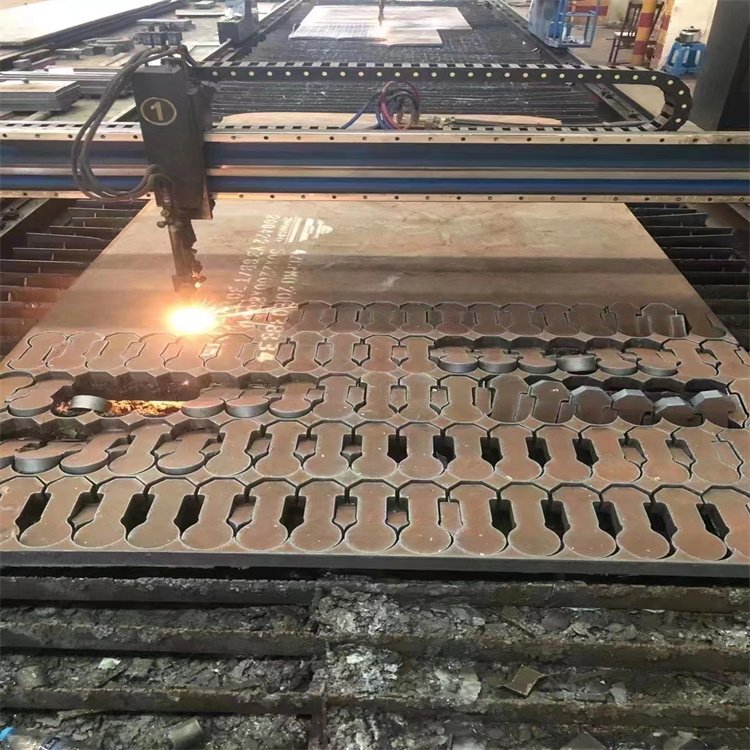
When the cutting airflow blows toward the board, there will be slight vibrations in the longitudinal direction. This situation will cause ripples to appear on the cut. The more obvious the ripples are, it means that the parameters are not well adjusted or the board is not firmly pressed.
In addition, it also depends on the squareness of the cut edge, which is usually measured by things such as verticality or angle tolerance. This indicator is directly linked to the plate thickness and process parameters. Once there is an out-of-tolerance situation, misalignment problems will occur during riveting and welding, and the man-hours used for assembly will double.
Leave allowance in advance for blanking and riveting
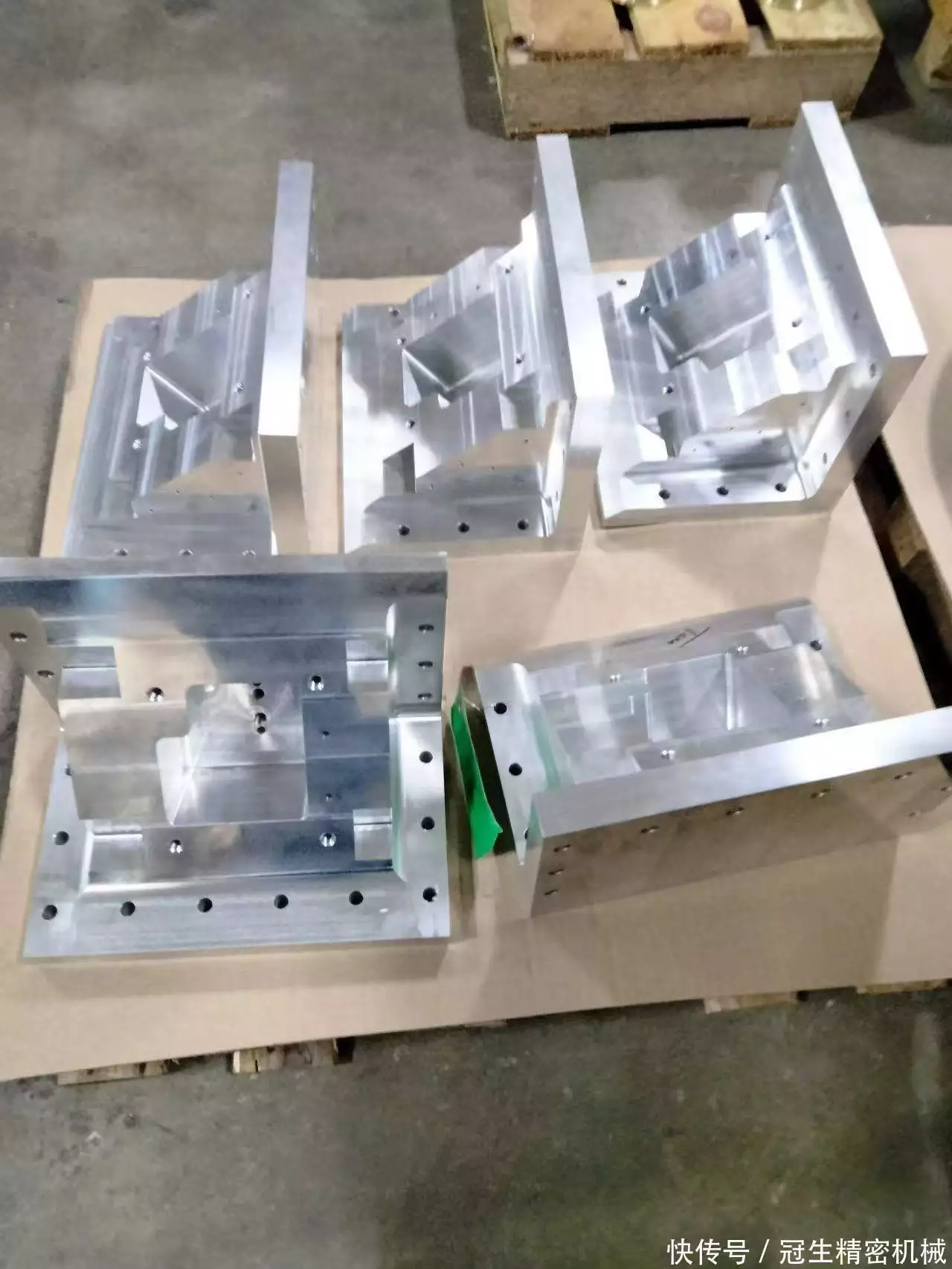
Regarding the extra-thick plate, it is certain that it can be cut from 6mm to 500mm, and complex shapes such as special-shaped parts, round holes, rectangles and chamfers can also be processed using CNC flame and plasma technologies.
As for whether it is feasible to perform riveting and welding directly after cutting, we have to check the specific drawings to know whether it is practical or not.
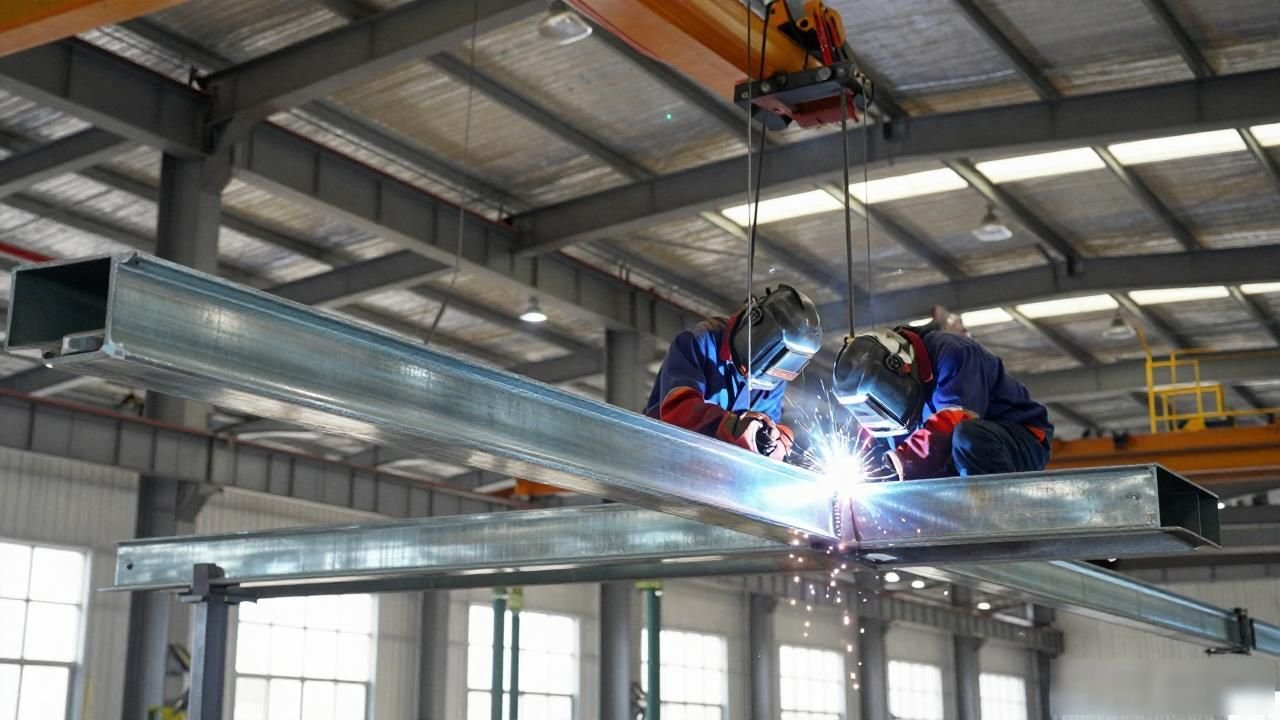
During the blanking process, the position of the riveting weld must leave at least three millimeters of margin. Do not cut to the edge. After cutting, the polished surface must be enough, so that the riveting and welding master will not get stuck when working. There are many factories in Xiangyang that cut extra thick plates and also do riveting. When choosing these factories, see if they can issue relevant reports on cutting corrugations.
In the first step of cutting operations in your factory, do you choose to use a hand-held flame gun to make an empty running motion to preheat, or do you choose to let the plasma equipment start cutting directly? Please express your opinion in the comment area. If you think this method is useful, give it a like and forward it to the masters in the workshop to take a look.



No comments yet