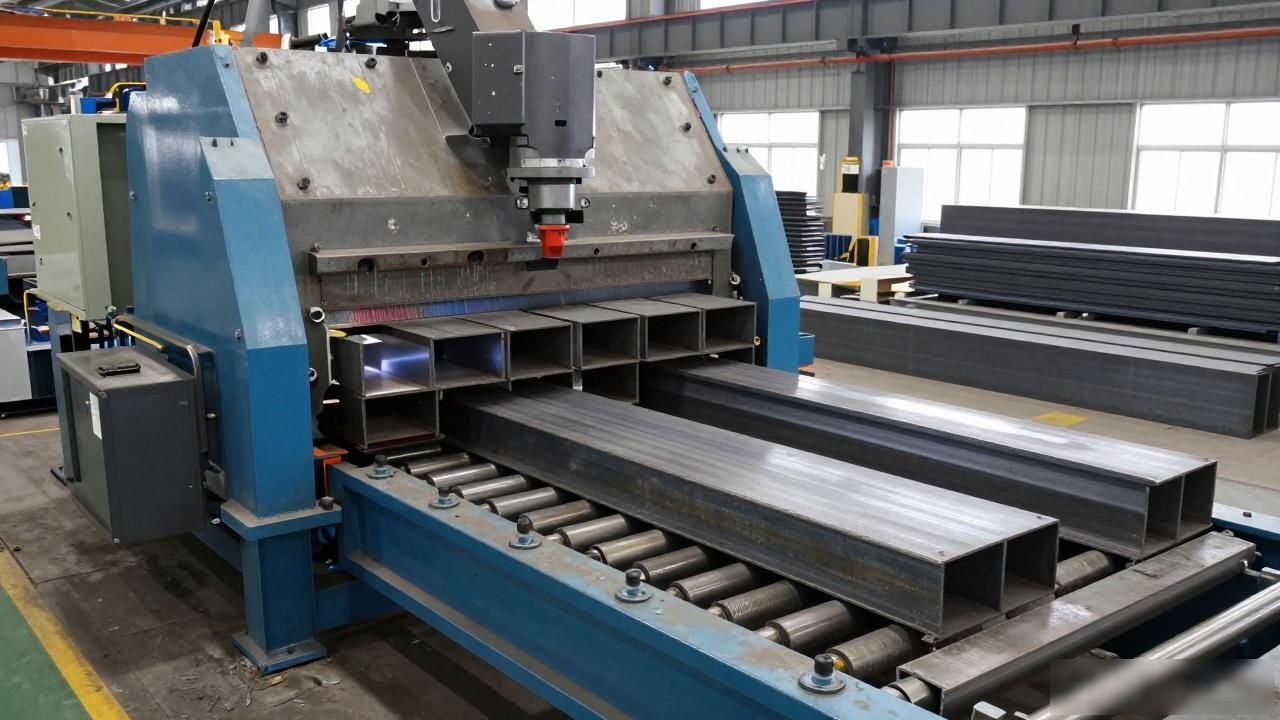


Through-type shot blasting machine construction steel structure welding slag and rust removal equipment
In the steel structure factory, the most troublesome thing is that the paint starts to peel and rust within two or three years after it is sprayed. If you trace the source, you will find that it is all caused by the rust removal and welding slag cleaning work. Manual polishing will produce a lot of dust that chokes the nose and is very inefficient. When encountering large-volume orders, it is impossible to queue up.
Manual rust removal of old and broken chains
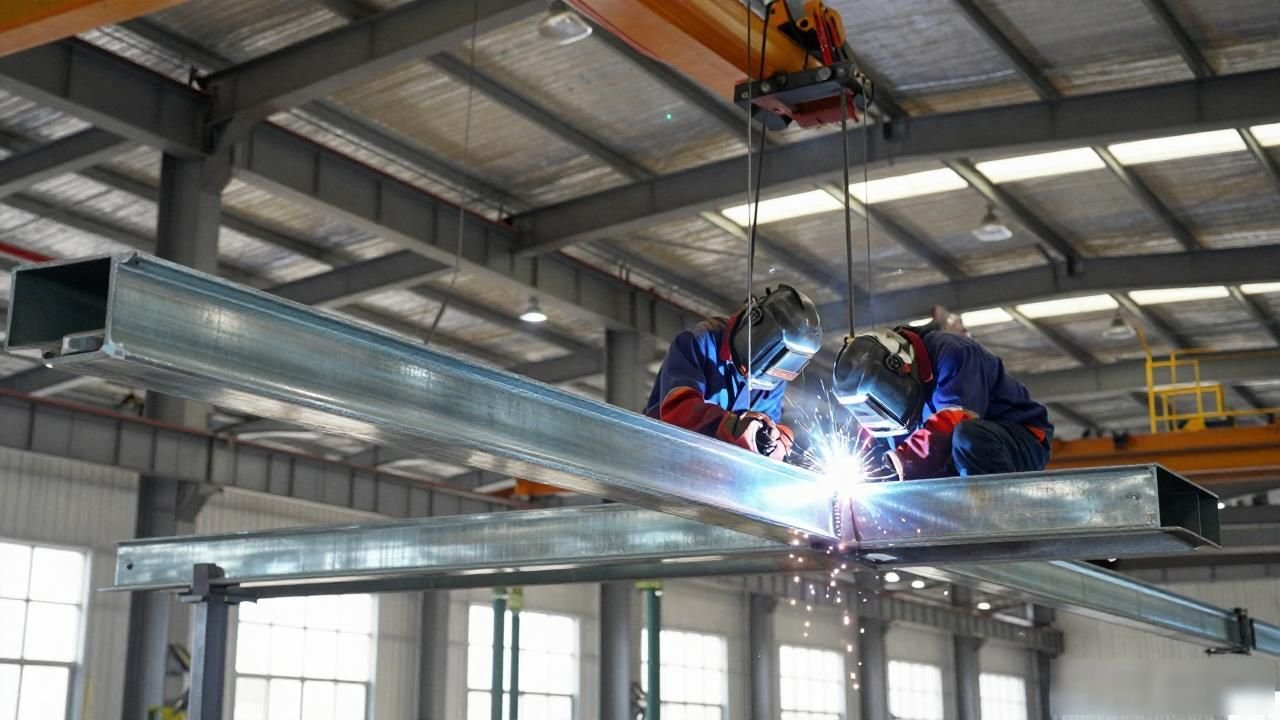
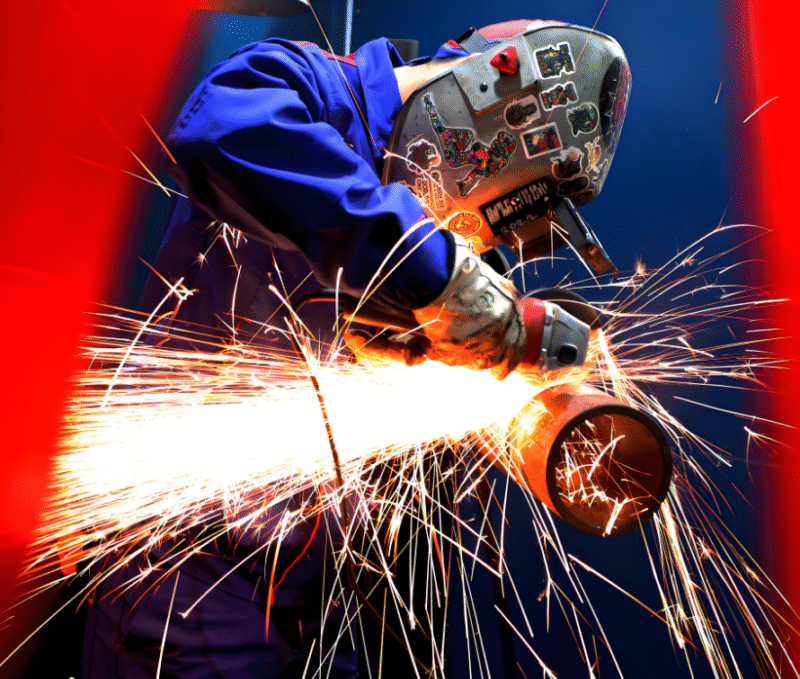
In the past, when processing the surface of riveted and welded parts, workers often relied on grinding with a grinder or operating a small sandblasting can. For large items such as H-shaped steel beams, they need to be turned over repeatedly to perform the operation. This process takes most of a day to complete. At the same time, the welding slag will be embedded in the weld, making it impossible to clean it. In the process of workers doing this work for a long time, various problems will occur in the waist and back. As a result, it has become increasingly difficult for the factory to recruit personnel. According to the situation of a medium-sized steel structure factory, it needs to support at least seven or eight staff members dedicated to polishing, and the annual labor cost expenditure will increase by at least tens of thousands of yuan.
The cleaning effect is entirely determined by the master's personal touch. Therefore, within the same batch of components, some can pass and some cannot pass. Sampling inspections must be carried out before painting. Those components that fail the inspection must be taken off the line for rework. In this way, The materials invested and the man-hours spent were all wasted and had no effect, especially during the critical period near the end of the year when delivery orders need to be urgently needed. Because the number of polishing workers could not be allocated, the entire production line would be stuck in this process, and the final delivery date would be pushed back one after another.
How to do through shot blasting
The through-type shot blasting cleaning machine launched by Dingtai Machinery operates by placing the workpiece directly on the roller table and allowing it to enter the cleaning chamber. Subsequently, the workpiece will complete the entire process at a constant speed, which means that the cleaning work has been completed, and there is no need for manual turning operations during the entire process.
The interior of the cleaning cabin is equipped with multiple sets of shot blasters that can work efficiently and can launch projectiles in a directional manner. Rust, oxide scale, welding residue and other impurities will be removed at once under the collision, so that the cleaning level can stably reach Sa2.5 level. This standard fully complies with the national standard requirements for anti-corrosion coating, so there is no need to conduct repeated sampling inspections.

H-shaped steel, box beams, steel columns, steel plate profiles, these products can all be produced in the same line. We will customize the width of the roller table and the height of the cavity according to the size of the customer's workpiece. Regardless of whether the lengths of the objects are different, they all fit together well without any impact. The rhythm of continuous conveying is also very stable, which is especially suitable for steel structure processing plants and prefabricated building production lines for batch operations.
Dust and pellets are not wasted
The equipment adopts a fully enclosed structure and is equipped with a pulse bag dust removal device, so the dust generated during operation will be sucked away and collected on the spot, making the emission results comply with environmental protection standards. Therefore, there is no need to worry about environmental inspections. After all, the projectiles will not be thrown away directly after being shot. Instead, the recycling sorting system will perform automatic recovery and screening operations, pick out the unqualified projectiles, and return the good projectiles to the furnace for further use. This cuts consumable costs by more than half.
The sealing link of the whole machine has been targeted and optimized, and the spillage of projectiles has been significantly reduced. Dirty things like a layer of iron sand will no longer fall on the workshop floor, and there is no need for a dedicated person to clean the floor. For the factory area, the two issues of meeting environmental protection indicators and saving consumable costs are satisfactorily solved with one piece of equipment.
An account that saves people and money
Once the equipment is operated, the cleaning process becomes part of the assembly line. At this time, the operator only needs to be responsible for loading and unloading materials and checking the operating status of the equipment. Supervision by two workers per shift is sufficient. The previous seven or eight polishers can be eliminated directly.
In terms of labor costs alone, medium-sized steel structure factories can save hundreds of thousands of yuan every year. Because the equipment has a low probability of failure and can continue to operate 24 hours a day. Therefore, it not only enables small factories to undertake large-volume orders, but also enables large factories to handle long-term production tasks.
When loading and unloading workpieces, it is simple and convenient. Sandblasting, rust removal, shot blasting and surface treatment of riveted weldments does not require a special grinding station or the use of protective equipment. In this way, the area freed up in the workshop can also be used to arrange new production lines. From the perspective of reconciliation, the funds invested in the equipment can be recovered from the labor and consumable costs in just a few months, and the larger the scale, the more cost-effective this benefit will be.
Anchor pattern is the key to anti-corrosion
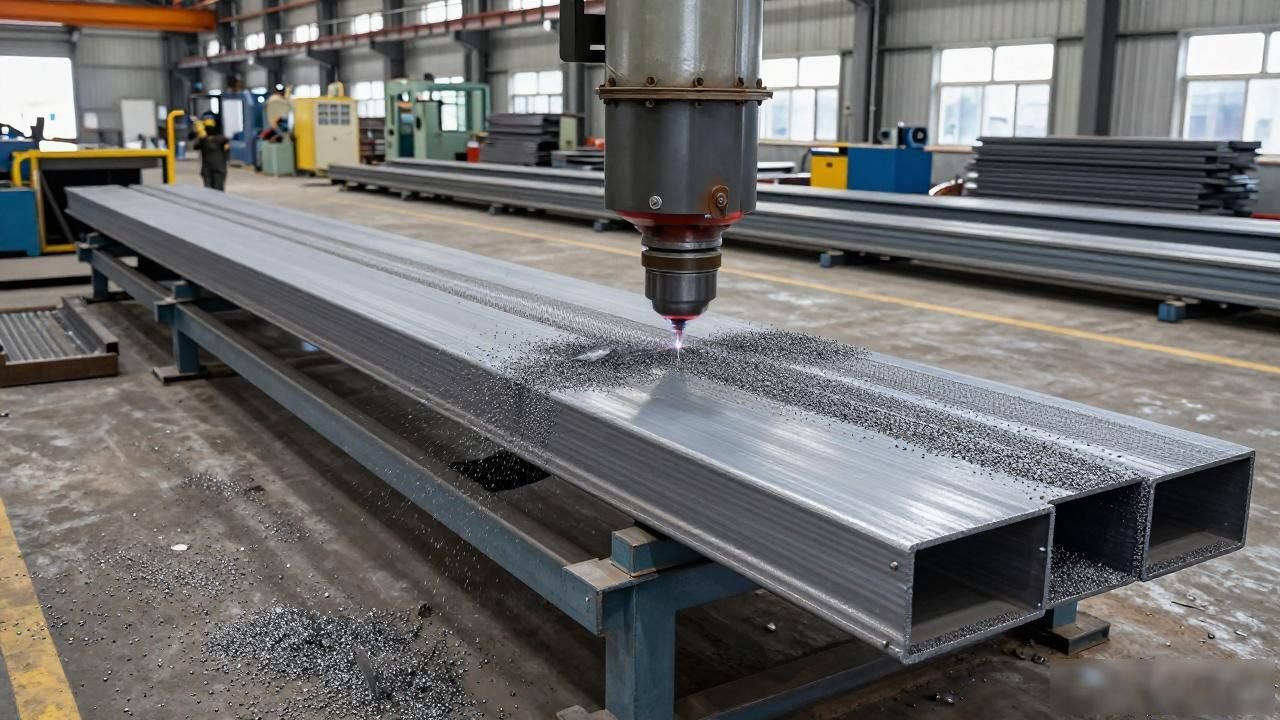
When it comes to rust removal, sand blasting, rust removal and shot blasting surface treatment of riveted welded parts is not just as simple as removing the rust and welding slag. If you think about it, shot blasting is used to create uniform and rough anchor patterns on the surface of the steel. In this way, the primer and topcoat have places to grab them, and the adhesion of the paint film can truly become stronger.
This is like working outdoors or in humid environments. The service life of a steel structure that has been treated in this way will definitely last for several more years, and the subsequent maintenance costs will naturally be reduced along with it.
Dingtai has repeatedly debugged and optimized everything from the projectile throw angle, the structure of the roller transmission, to the final dust removal layout. During the equipment delivery process, they simultaneously provide installation and debugging services, as well as operational training and after-sales maintenance services. This way, customers don’t have to fumble around alone. If the pre-treatment process is done solidly, the hundreds of dollars of paint sprayed later will not be in vain.
Industry trends have become clear
Nowadays, more and more prefabricated buildings are being built, and the standards for component quality control are getting stricter every year. The manual cleaning method is being quickly eliminated. On the production line for surface treatment of riveted weldments, the use of shot blasting automation technology is no longer an option, but has become a standard feature.
When choosing specific equipment, it mainly depends on three things. The first is whether the cleaning level is stable, the second is whether the dust removal effect reaches the required standards, and the third is whether the cost of consuming materials is expensive.
Does your factory still use manual polishing as the main method for rust removal of riveted and welded parts? How much money has been spent in total on the workers responsible for polishing in a year? Everyone is very welcome to express your opinions in the comment area. If you find this content useful, please give it a like and forward it to your workshop director for a look.



暂无评论内容