


Precision processing of special-shaped parts
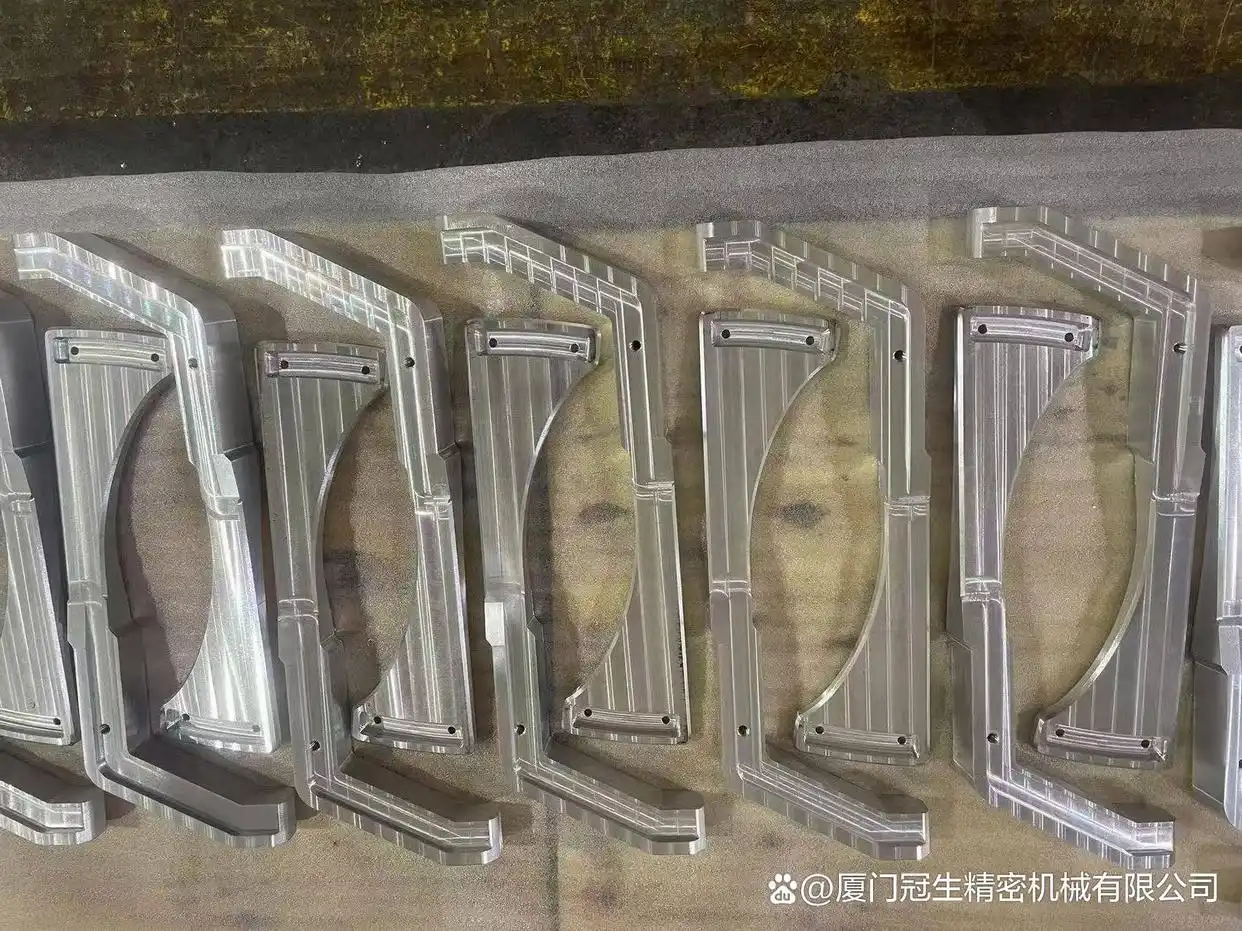
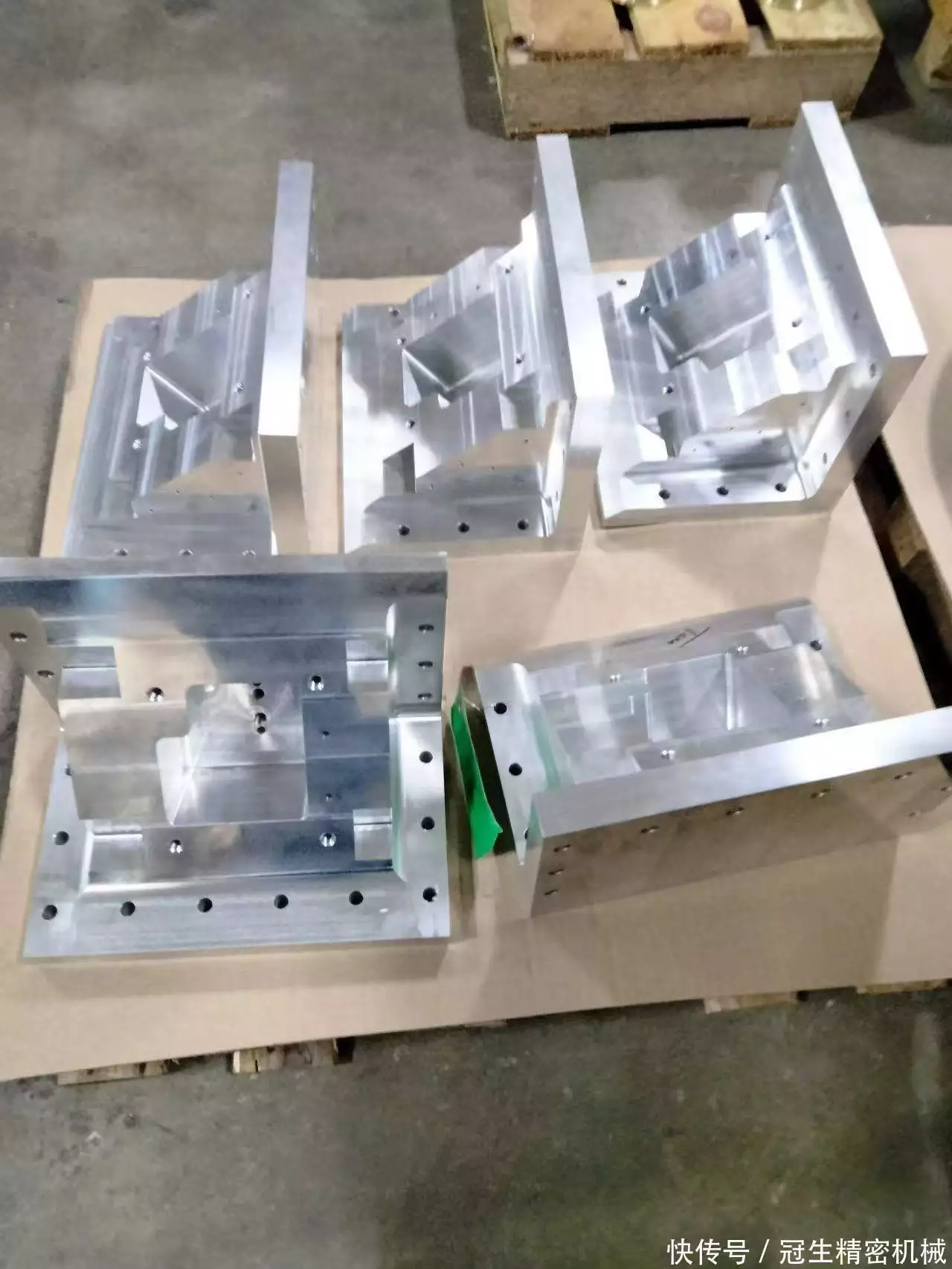
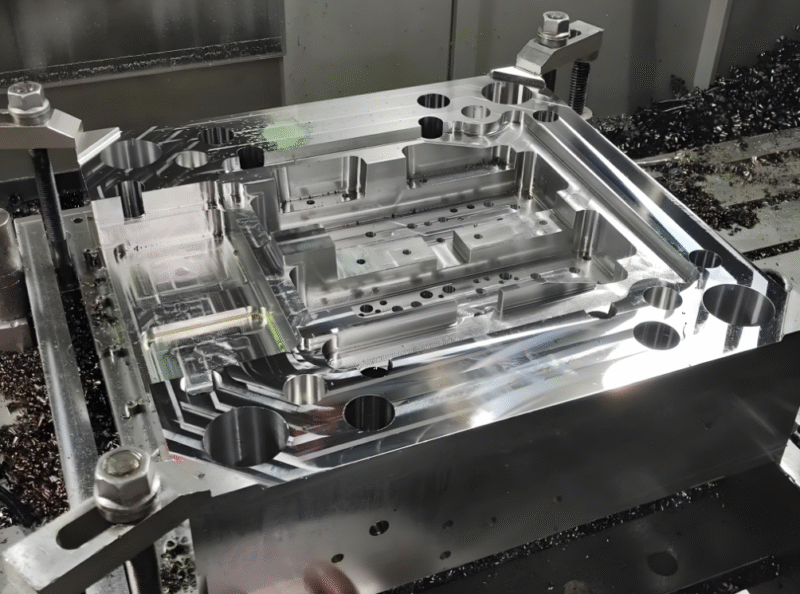
There is an order of magnitude difference in the processing difficulty between special-shaped parts and standard parts. However, many factories still use processing techniques such as ordinary turning and milling to rigidly process complex curved surfaces. Therefore, the scrap rate is so high that it is a very troublesome problem.

Materials are not chosen randomly
For special-shaped parts, the materials used are very complicated. Various materials such as titanium alloy, stainless steel, engineering plastics and composite materials are used. This is because each different material has completely different performance in terms of hardness, toughness and thermal expansion coefficient. Therefore, pre-treatment operations such as annealing or normalizing are often required before processing. If this is not done, the life of the tool will be directly cut in half, and it is difficult to improve the processing efficiency.
When Guansheng Precision Machinery processes titanium alloy special-shaped parts for aviation, it will first perform vacuum heat treatment on the workpiece in order to reduce the hardness to about 250HV, and then put it on the machine tool for processing. In this way, the cutting force will be smaller, the deformation of the workpiece will also be reduced a lot, and the pass rate of the finished product can be increased by more than ten percentage points.
Process design is the core
After obtaining the three-dimensional model, the machining route, tool path and cutting parameters must be planned first. When facing complex curved surfaces, it is usually necessary to use five-axis linkage CNC technology to process the workpiece. For those thin-walled parts, the residual stress distribution must be calculated in advance before the processing begins. If this is not done before processing, the phenomenon of warping will appear directly after the processing is completed and cooled, resulting in complete scrapping of the size and becoming useless.
In the actual production process, rough machining and finishing must be done separately, and a process must be included in the middle of these two steps for aging treatment. The purpose of this is to slowly release the stress inside the material.
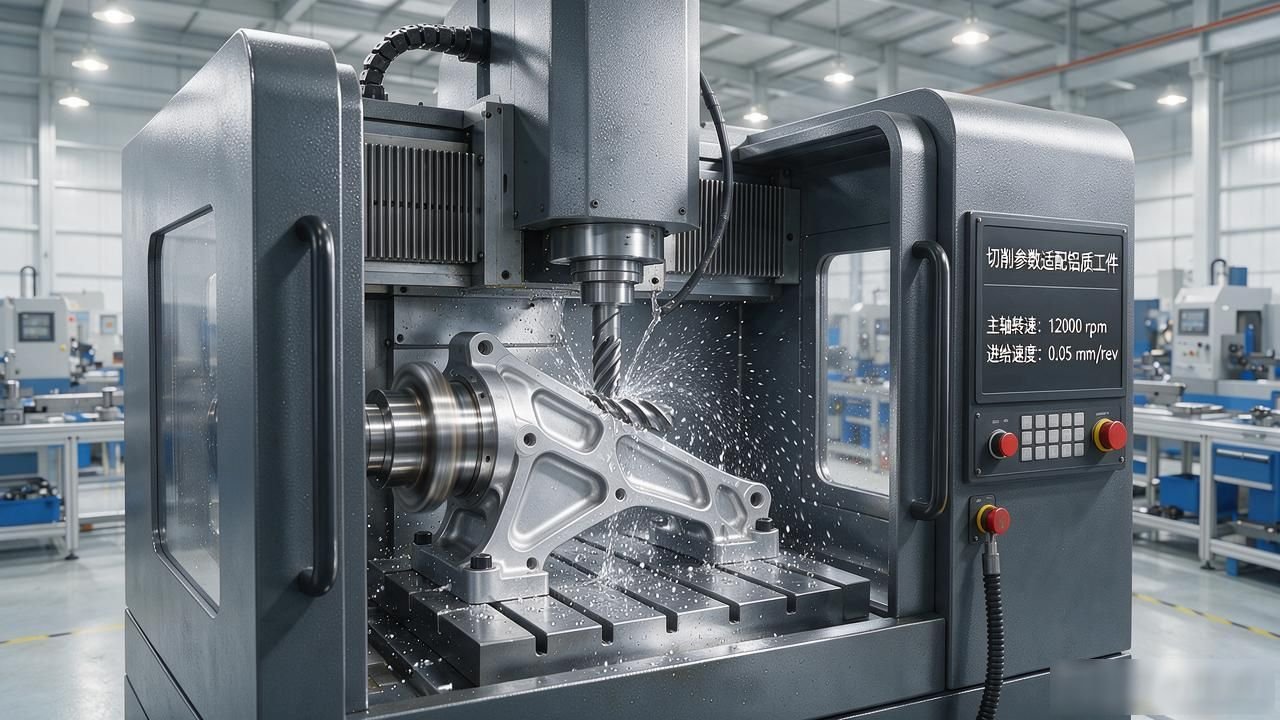
At the same time, the cutting parameter settings must also be adjusted according to the characteristics of the material, because the rotation speed and feed rate when processing aluminum workpieces are completely different from those when processing steel workpieces. The same set of parameters must not be used to deal with all situations.
Equipment and tools determine the upper limit
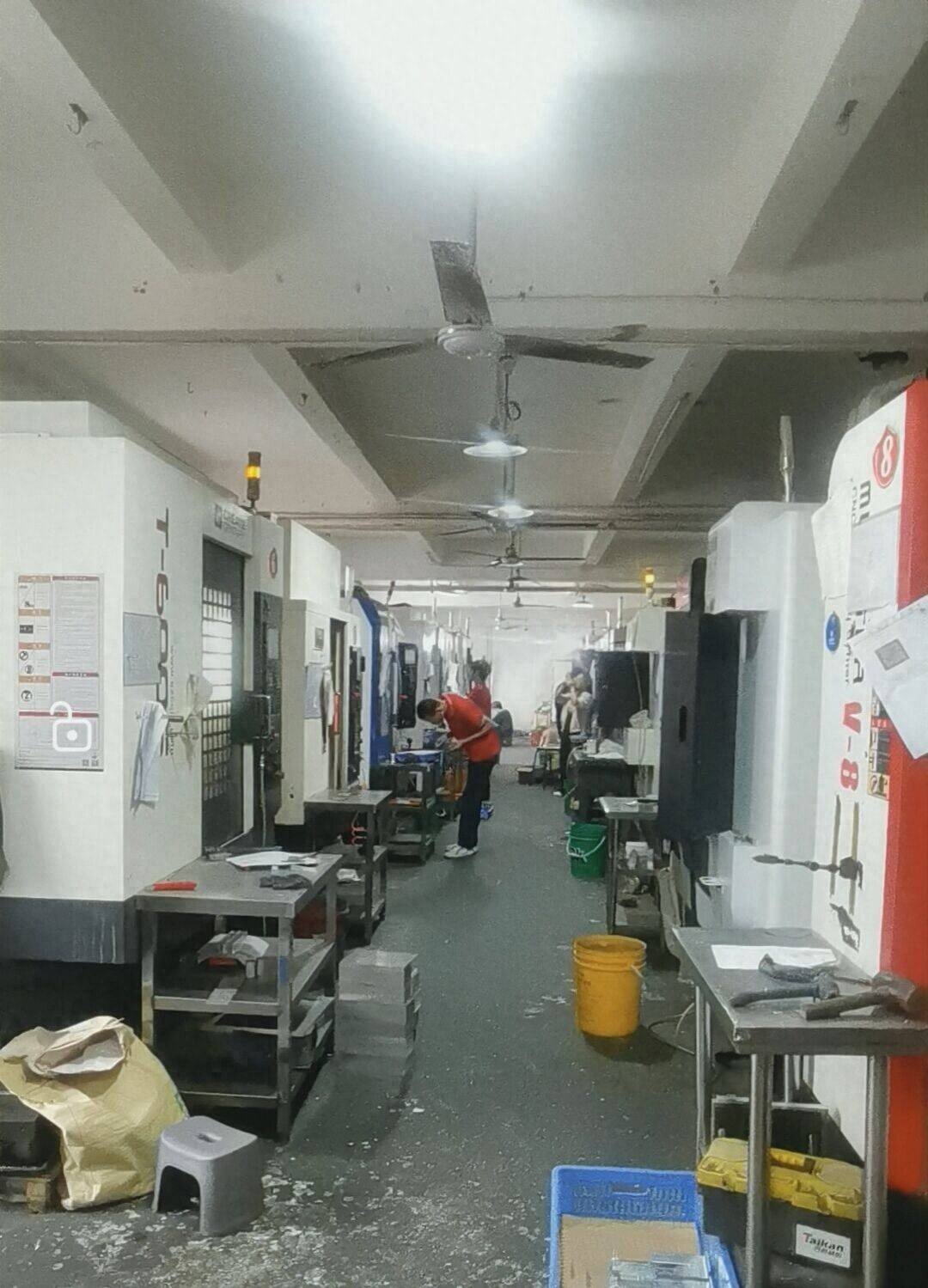
In the processing of special-shaped parts, multi-axis CNC equipment, turning and milling equipment and electric spark discharge equipment occupy the main position. In terms of tool selection, ball end milling cutters are used to process curved surfaces, taper cutters are used to operate in deep cavities, and special forming cutters are used to cut complex contour shapes. Once the wrong tool is selected, the surface roughness will directly become very bad, and the cost of rework is also extremely high.
If the rigidity of the equipment is insufficient and vibration occurs during high-speed cutting operations, the tolerance index cannot be maintained. For the processing of special-shaped parts, priority should be given to equipment equipped with high-rigidity spindles and high-dynamic response servo systems. Remember not to buy second-hand equipment with lower configurations to save costs, because the repair costs will be higher later.
Testing cannot be saved
After the processing is completed, the parts must be sent to a three-dimensional coordinate measuring machine, optical projector or laser scanner for inspection. The purpose of this is to compare the actual measured size of each point with the original design model point by point.
A deviation of 0.02 millimeters may turn the entire batch of parts into scrap and be scrapped. The customer will directly refuse to receive the goods and reject them. The loss caused by scrapping is much greater than the cost of dedicating energy to do the testing. Far greater than the cost of testing.
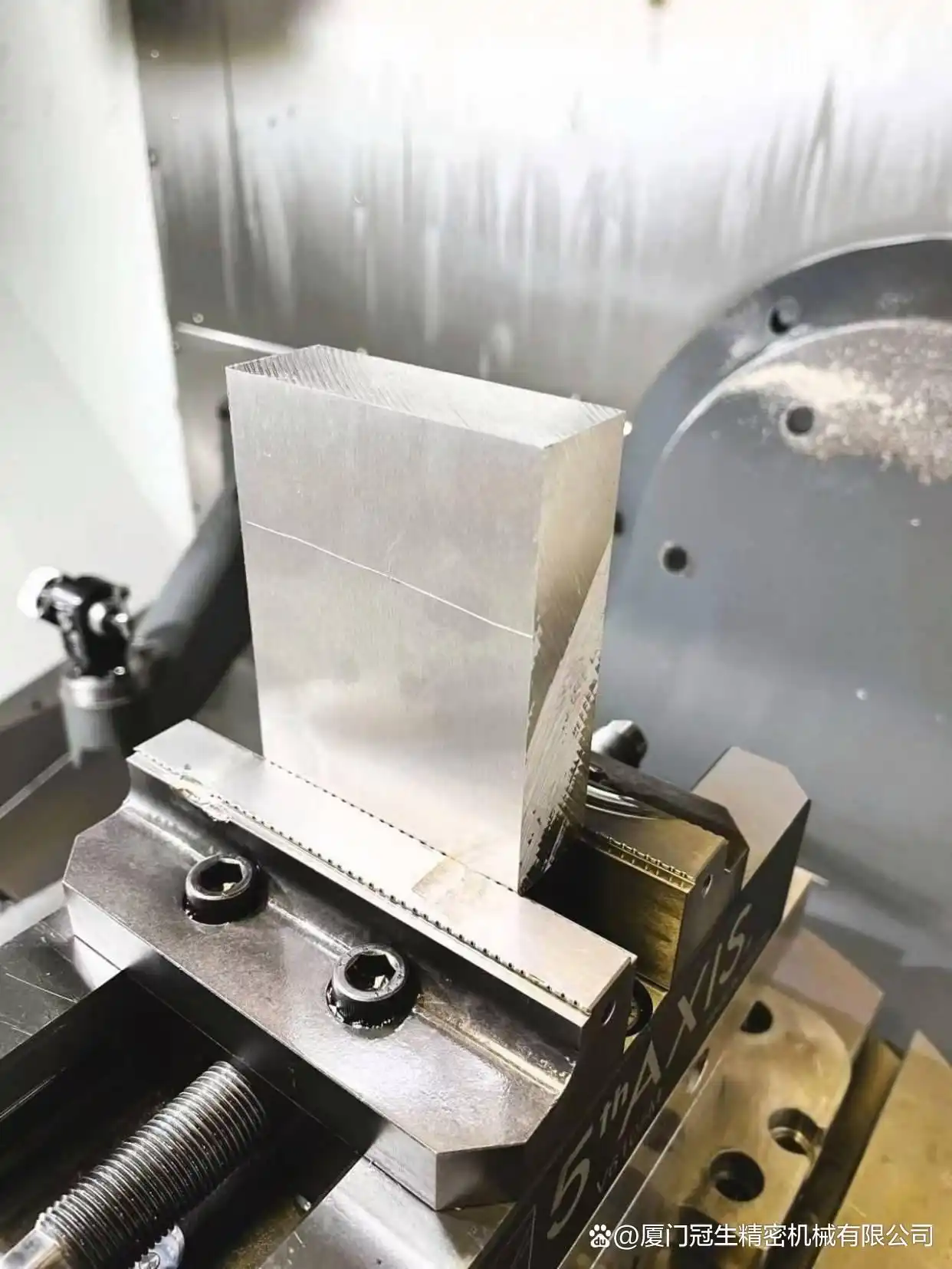
For mass-produced special-shaped parts, it is necessary to establish a management system of SPC statistical process control. The specific operation method is to conduct a random inspection every fifty products processed. Once the monitored data exceeds the control line, the line shutdown procedure must be immediately executed and the relevant parameters must be adjusted. The purpose of this behavior is to avoid waiting for the customer to initiate a return complaint before going back for review analysis and processing.
How to avoid common pitfalls
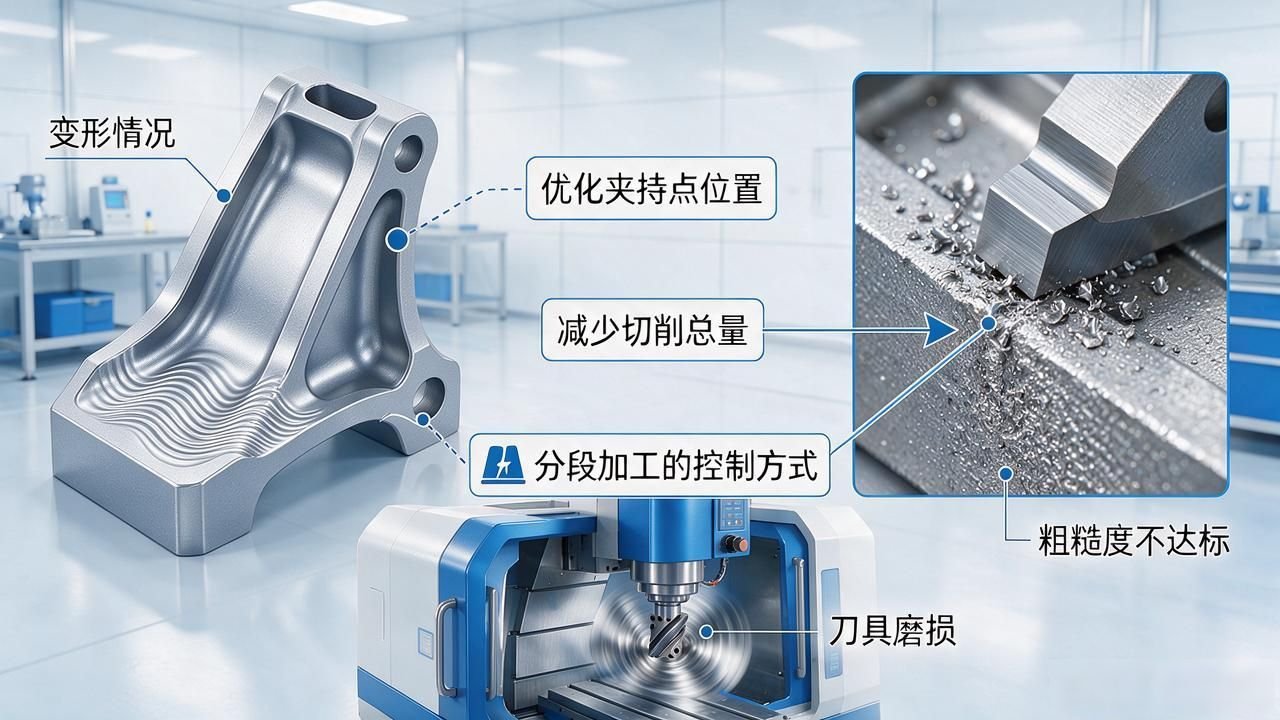
These three problems occur very frequently. They are deformation, roughness not up to standard and tool wear. In view of the deformation problem, it is controlled by optimizing the position of the clamping point, reducing the total amount of cutting, and using segmented processing.
For the roughness problem, it can be improved by adjusting the rotation speed and feed speed and adding coolant. To solve the problem of tool wear, we can increase the coating treatment and replace it regularly.
There are some details that many factories usually ignore. When processing thin-walled parts, if soft claws are used for clamping operations, when the clamping force becomes relatively large, the workpiece will rebound once loosened. If you use sponge pads to fix it, or use vacuum adsorption technology, the deformation can be reduced by about 70%. Although this method looks very simple, its actual effect is very significant.
Where to go next
Digital twin technology will completely push through the entire production and processing chain in a virtual environment. This will reduce the cost of trial and error from tens of thousands of yuan to a few hundred yuan. The adaptive cutting system can sense changes in cutting force in real time and automatically adjust parameters to improve the consistency between batches.
Carbon fiber composite materials and gradient functional materials are now beginning to enter the related fields of special-shaped parts. This situation has created a new round of challenges for those cutting tools and processing technology. Some factories with forward-looking vision have already begun to lay out related processing plans.
In your factory, which process has the highest scrap rate of special-shaped parts? Is it due to deformation problems caused by clamping, or is it because the surface accuracy cannot meet the standards? Welcome to interact and discuss in the comment area. If you think this content is useful to you, please like it and forward it to your colleagues in the processing industry.




暂无评论内容