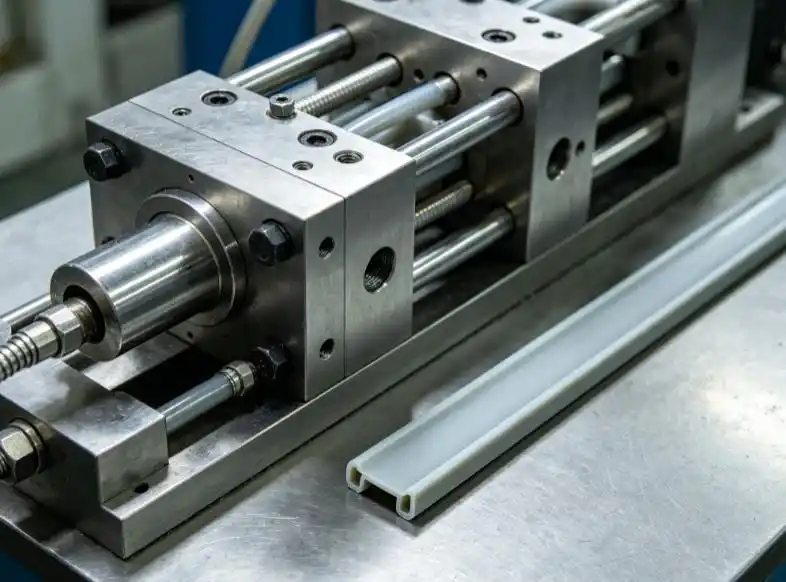


Differences in accuracy control between precision injection molding and conventional injection molding
The same plastic part can still be installed if the tolerance differs by one or two wires, but if the tolerance differs by only half a wire, it will directly block the difference between precision parts processing and ordinary parts processing. The difference between precision parts processing and ordinary parts processing . The difference between precision parts processing and ordinary parts processing . This illustrates the actual gap between precision injection molding technology and conventional injection molding technology. This gap is far more than just the so-called precision mentioned verbally.
The tolerance standard differs by an order of magnitude
The tolerances of general injection molded parts are kept within the range of IT12 to IT14. For parts such as shells and containers, if there is a deviation of a few wires, it will not affect the final assembly work at all.
However, the accuracy requirements of precision injection molded parts are relatively high, and they need to be controlled at the level of IT8 to IT10, especially the terminal spacing in the connector, and the pitch of the micro gears, all of which must be controlled within the micron level.
The allowable situation for regular parts is that there are dimensional fluctuations within the batch. The emphasis on precision parts is the high degree of consistency between each piece. The weight deviation should be stable at the milligram level. Deformation after long-term storage must also be predictable.

Mold processing accuracy determines the upper limit
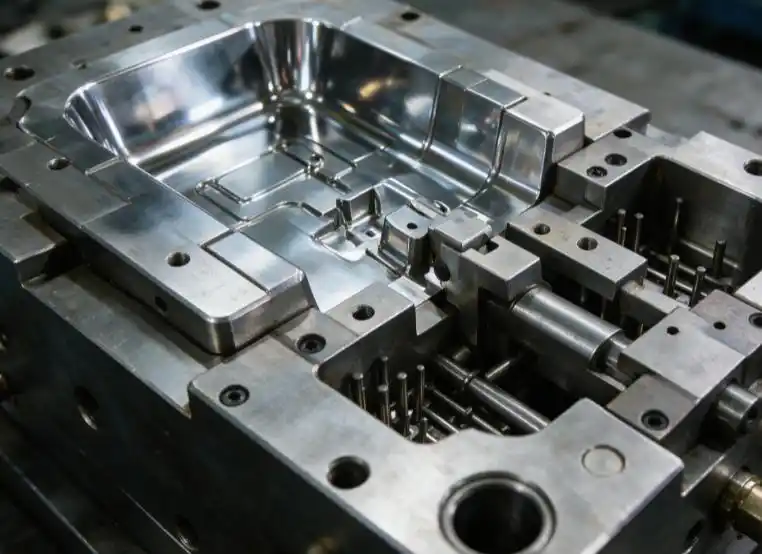
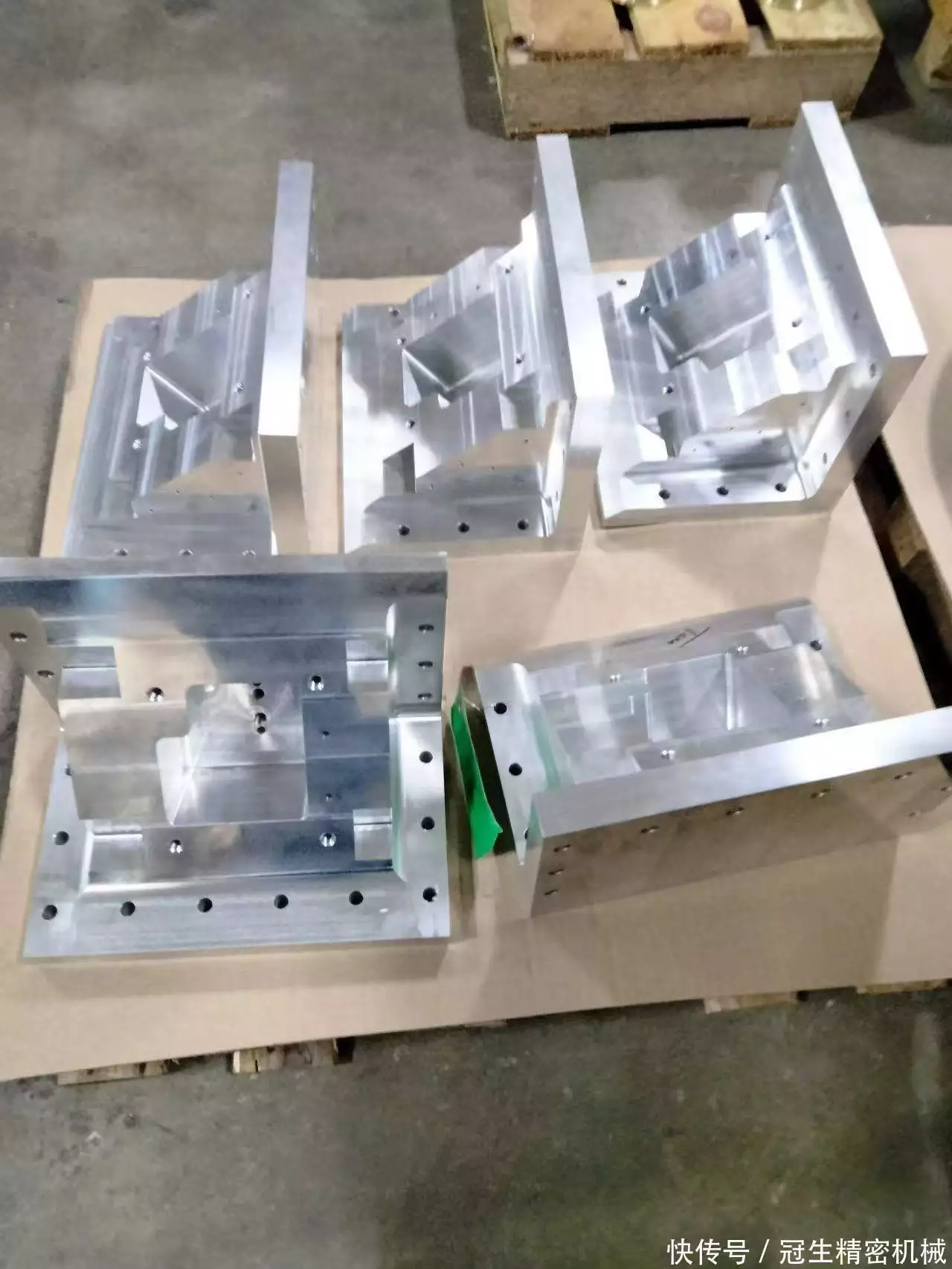
The cavity of a conventional mold is processed according to ordinary standards. Its parting surface matching requirements and the positioning accuracy of the insert are at a moderate level, so the overall manufacturing cost is low. However, when designing a precision mold, it is necessary to accurately calculate the plastic shrinkage problem and reserve the corresponding compensation amount in advance. This way, it can be ensured that the errors generated by the cavity and core during the subsequent processing are strictly controlled within the specified range.
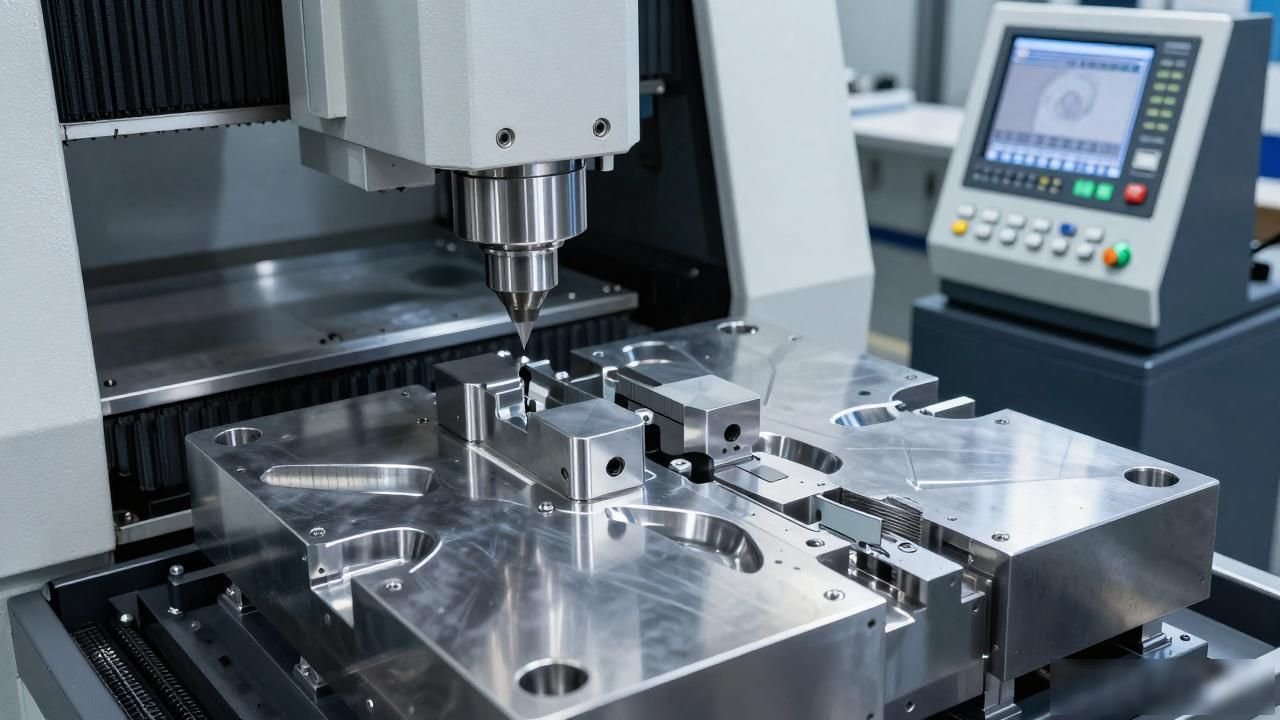
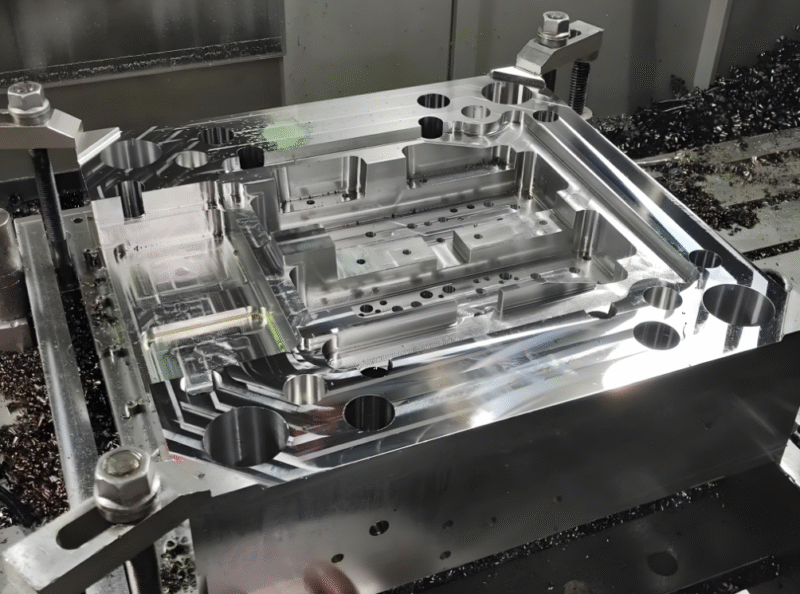
The requirements for this grade of precision mold steel are indeed higher, and the control of roughness will be stricter in terms of mirror polishing. As for the gaps between inserts, sliders, and ejection mechanisms, the gaps will be set smaller. Tools such as five-axis machining centers and high-precision wire cutting equipment are often indispensable, because they need to use them to complete these processes.
Closed-loop control of injection molding machines is a hard threshold
For conventional injection molding machines, the clamping force and injection volume only need to meet the usage requirements. This type of equipment usually adopts open-loop control, so its parameters will fluctuate to a certain extent. In terms of precision injection molding, it is necessary to use an injection molding machine equipped with a closed-loop servo control system and high-precision performance, and it is necessary to focus on ensuring the parallelism of the mold clamping and the rigidity of the template.
The repeatability accuracy of the injection unit in terms of metering, pressure and speed must be maintained at a high level to ensure a consistent injection volume in every mold cycle. Once the mold closing deviation exceeds just a few wires, flash or dimensional drift will easily occur, which will directly lower the yield rate.
Process window narrows from wide to narrow
The process control range of conventional injection molding is relatively wide, and there is a certain tolerance for changes in material temperature, mold temperature, and molding pressure. Therefore, when adjusting the machine, you must mainly rely on the personal experience of experienced technicians.
Precision plastic injection molding requires that each parameter be set very accurately and remain stable during the production process. Its effective operating range is extremely narrow. As long as there is a deviation in one indicator, the entire batch of products will become scrap.
In terms of precision production lines, mold temperature machines are usually equipped for temperature control management. When using the injection link, a multi-stage speed control method is used to control the difference between precision injection molding and conventional injection molding. The purpose is to maintain a stable filling state of the melt.
The process data of the entire process will be recorded throughout, so that when an abnormal situation occurs, positioning analysis can be quickly performed to find out which parameter has drifted, leading to the above-mentioned problem situation.
Raw materials cannot be changed casually
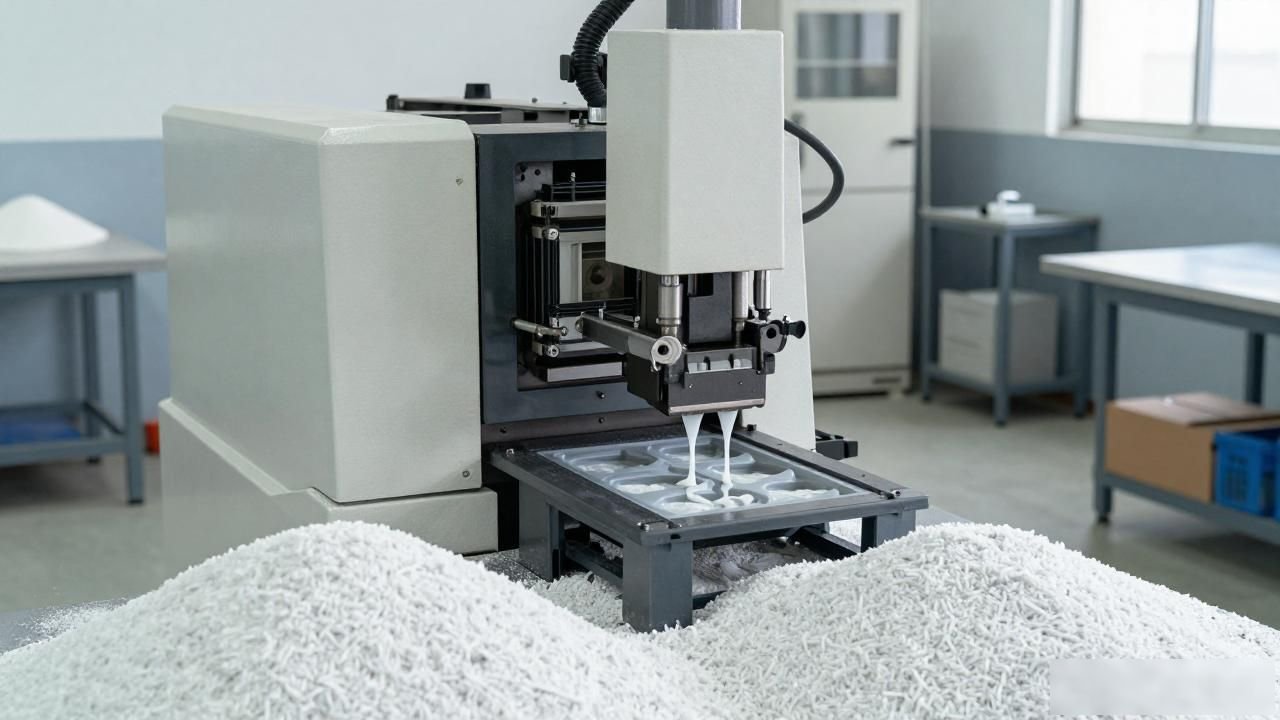
When performing conventional injection molding processing, you only need to use ordinary general-purpose plastics, because these products themselves do not have particularly high requirements for consistency between batches of materials.
But if you need to do precision injection molding, you need to give priority to engineering plastics with very good dimensional stability such as POM, PBT, and LCP. At the same time, you must strictly control the shrinkage, water absorption, and crystallinity of the material.
When using glass fiber reinforced materials to manufacture precision parts, we also need to consider the anisotropic shrinkage and warpage caused by the orientation of the glass fiber. Therefore, compensation measures must be taken in advance at this stage of mold design. If this is not done, dimensional deviation will easily occur after mass production begins.
Constant temperature and humidity plus three-coordinate detection
Precision injection molding workshops are usually equipped with constant temperature and humidity systems as standard. The function of this system is to control the impact of temperature and humidity on the mold temperature and material moisture content. The purpose is to reduce dimensional drift. In contrast, in conventional injection molding production methods, there are no mandatory requirements for the environmental conditions inside the workshop.
In terms of inspection, for those ordinary conventional parts, it is basically enough to just use a caliper to perform random inspections.
But for those precision parts, projectors and three-dimensional coordinate measuring machines must be used to strictly inspect key dimensions. At the same time, a very complete and detailed inspection record needs to be established, so that the quality status of each product during the production process can be clearly traced.
Should the processing part you are currently working on take the conventional process route or the precision process route? You are very welcome to go to the comment area to talk about your own specific tolerance requirements for this part. Like this content and save it so that you can use it for comparison next time you choose a processing factory.




暂无评论内容