

What is the difference between CNC three-axis, four-axis, and five-axis? One article explains the machining center selection logic
Many novices in the field of mechanical processing who have just entered the industry always have a fixed idea in their hearts that five-axis machine tools are high-level existence, while three-axis machine tools are low-level equipment. In fact, there is no absolute distinction between three-axis machining, four-axis machining and five-axis machining. The core differences between them are mainly reflected in different aspects of processing capabilities, and there are also obvious differences in the types of workpieces they correspond to.
The three-axis is the basic disk in the factory
Three-axis equipment has a horizontal X-axis, a longitudinal Y-axis, and a vertical Z-axis. All three are linear motion directions. Among all processing plants in the country, the number of such machines is the highest.
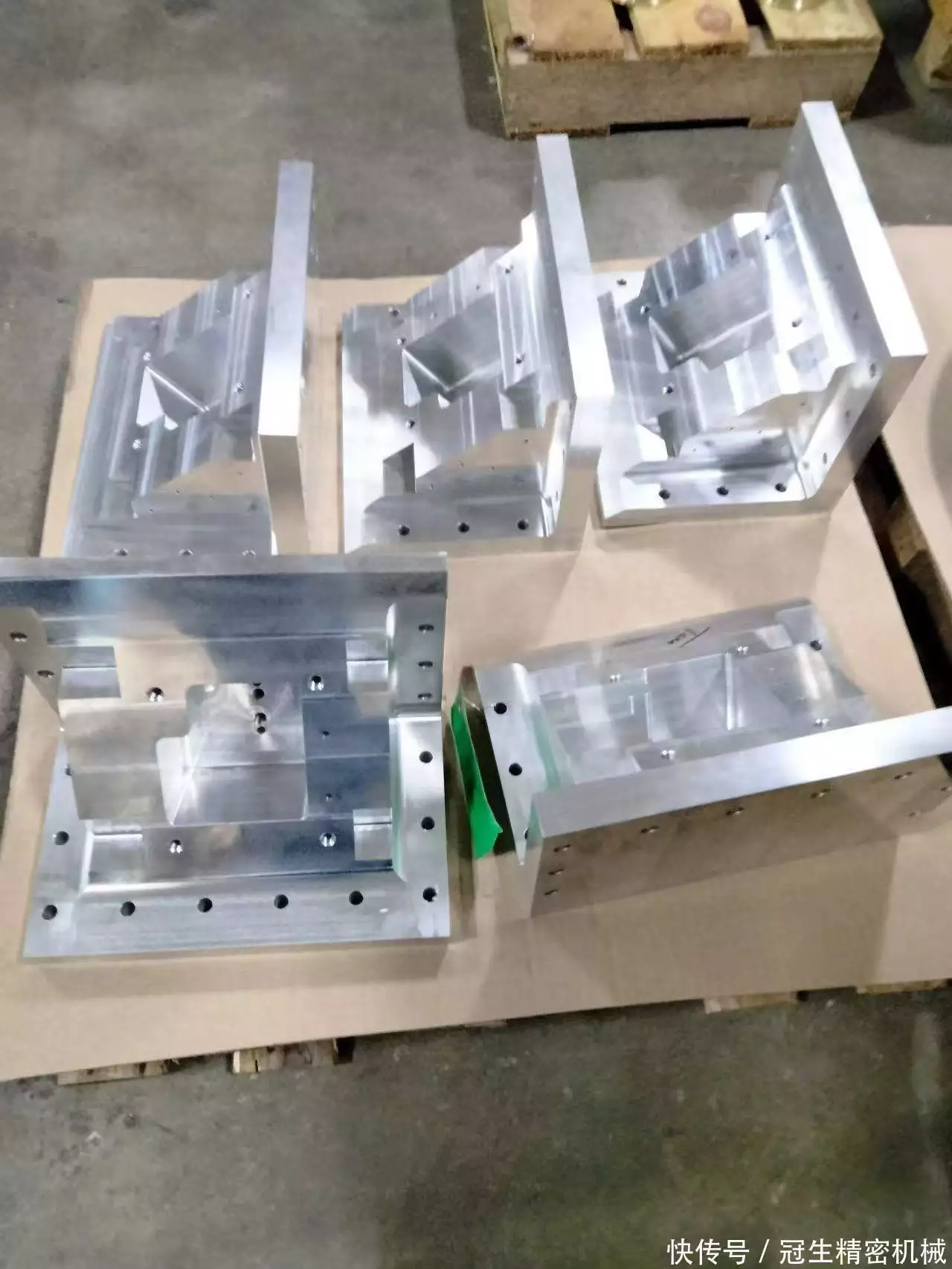
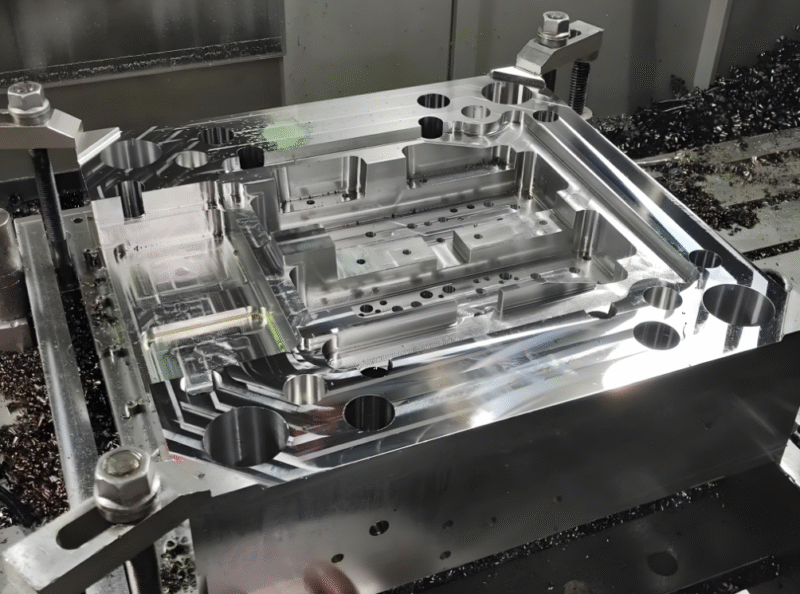
It can do plane milling work, it can punch holes, it can also grooving, and it can also handle relatively simple types of cavity processing, whether it is steel parts or aluminum parts, or various templates and bases. Most conventional industrial parts, three-axis machine tools are basically fully capable.
The maturity of the equipment is already very high. The process of adjusting the machine is simple and stable. When it comes to mass production, the reliability is very high. The master craftsmen sit at the operating table, adjust the parameters casually, and start working immediately. This is especially suitable for the processing of most parts that do not require complicated spatial movements.
Work that is out of reach of the three-axle
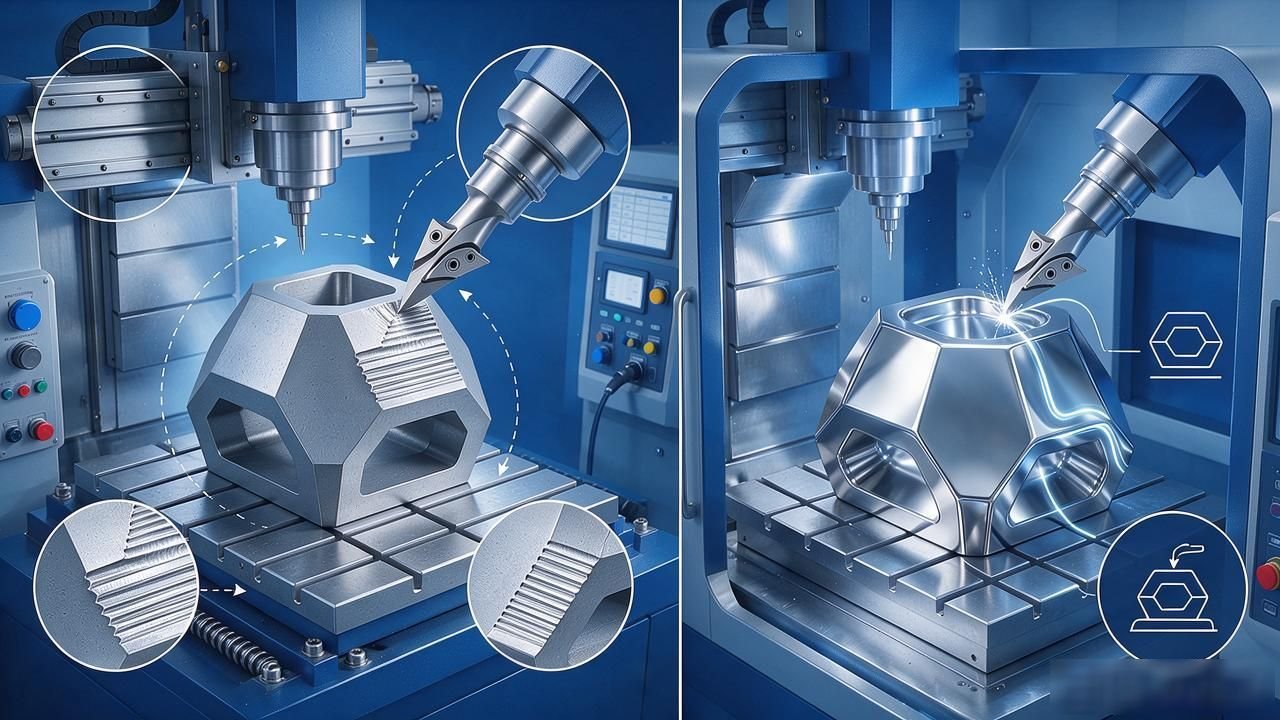
In the three-axis method, it can only process those surface parts facing upwards. As for the side of the part, the undercut structure, and the slanted hole, due to physical space reasons, the tool cannot reach the inside position at all.
Therefore, these remaining processing steps must be completed manually by turning over and re-clamping. Every time a flip operation is performed, an additional error caused by positioning will be added, and the final accuracy will lose a lot of weight.

When encountering polyhedral workpieces or parts with undercut structures, if a three-axis machine tool is used for processing, the number of processes will increase, the marks left by the tool connection will be obvious, and the production efficiency will never be improved. Only in this case is it necessary to choose four-axis or five-axis machining.
Four-axis specializing in rotating parts
On the basis of the original three-axis equipment, the four-axis machine performs an additional rotation about the A-axis, so that the placed workpiece can rotate in the circumferential direction around the center. Whether it is cylinders, roller parts, cylindrical cam mechanisms that need to be processed, or hole structures distributed on the circumference, as well as groove processing of annular parts, all processing can be completed by rotating after only one clamping and fixation.
This method completely eliminates the need for people to repeatedly disassemble and install components. Therefore, most of the error problems caused by multiple clampings are directly eliminated and no longer become a factor that interferes with production.
For domestic rotary parts such as wind power gears, hydraulic valve bodies and camshafts, four-axis machining is the most suitable choice, and its cost performance is much higher than directly using a five-axis solution.
The four-axis also has a ceiling
The four-axis equipment can only perform a circular rotation, and it has no way to perform tilting and swinging movements. For complex curved surfaces, oblique undercut structures, and multi-angle special-shaped parts, the processing range of the four-axis is out of reach. Products such as aircraft engine blades or multi-faceted special-shaped precision parts must rely on five-axis technology to complete the processing in one clamping process.
In addition, the minimum processing angle of the five axes is generally limited to the range of 2 to 5 degrees, and this parameter directly determines the degree to which the workpiece can be tilted. If the angle is smaller, the range that can be processed will become larger, and the rigidity requirements for the machine tool will also become higher.
Five axes clamp five surfaces at one time
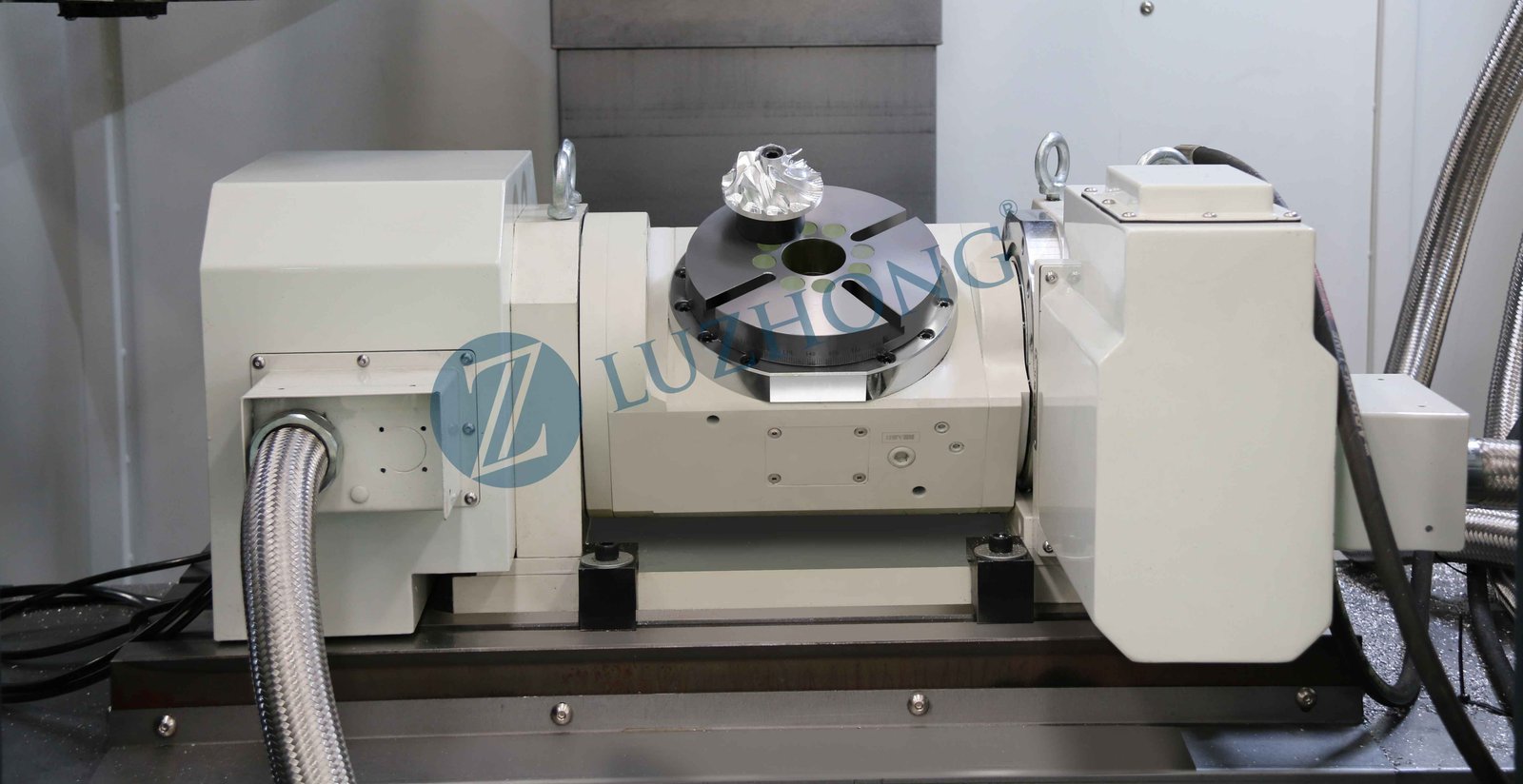
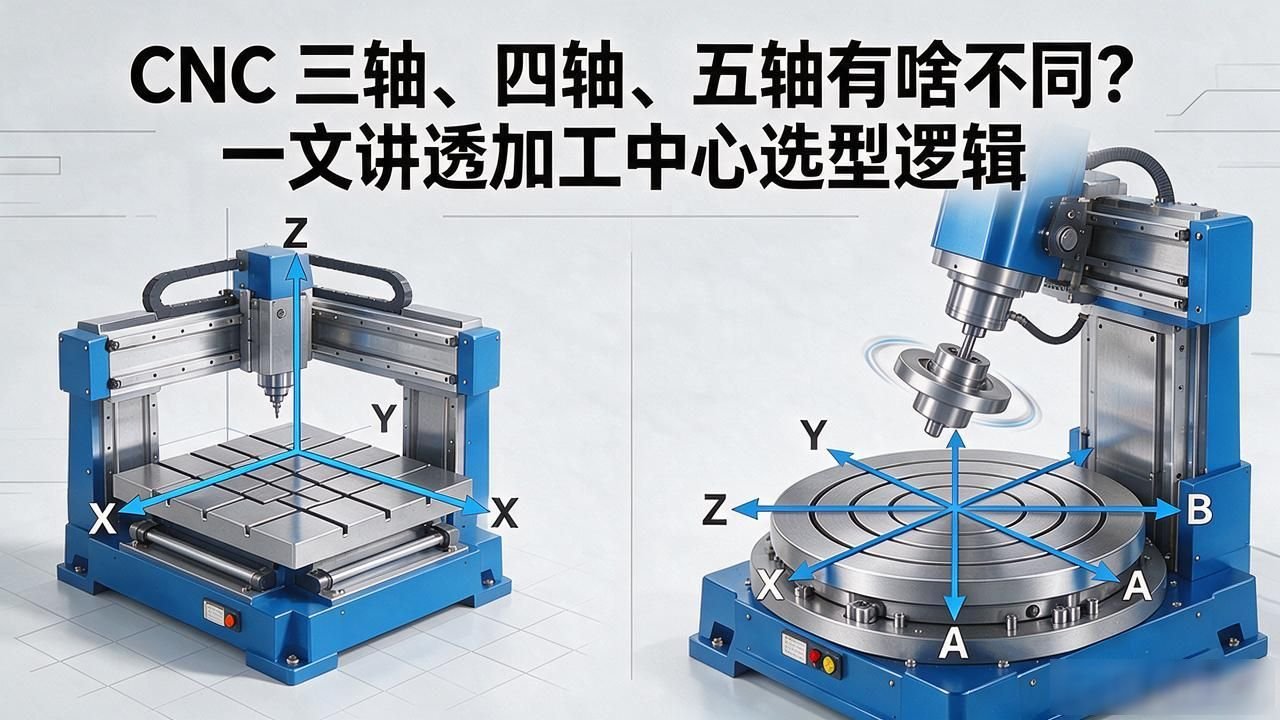
The five-axis is actually a combination of three axes plus a rotation function and a swing function. In this way, the workpiece can not only rotate in circles, but also adjust its own tilt angle at the same time.
For parts such as impellers and blades, as well as mold cavities with complex shapes, as well as special-shaped parts in the aviation field, according to traditional methods, the machining process that would have required four or five repeated turning operations with three-axis equipment can now be completed in one clamping state with a five-axis machining center. This approach not only effectively reduces the traces of tool joining caused by multiple clamping or handovers, but also reduces the deformation of the material during the clamping process.
However, the programming logic of five-axis machining is quite complicated, and it is also very difficult to debug machine tools. Therefore, the understanding of process technology and tool path planning of masters who operate machine tools are particularly high. Correspondingly, this position performs better in terms of salary and benefits, and the future development prospects are also very good.
Newcomers, don’t be in a hurry to hit the five-axis
In the industry, those masters who are really good at five-axis technology all have a very solid set of basic three-axis practical skills.
If you do not thoroughly understand and understand the aspects of size control, margin allocation, machining techniques, and tool path logic, then if you start learning four axes and five axes directly, the learning process will become very strenuous and difficult. In the end, it will be very easy to stop going in depth after just a little trial.
First, you should first understand the three-axis, and then you can advance to the four-axis and five-axis. Once the path is smooth, technological progress will be a very natural thing. Don't skip the basic skills.
May I ask how many axes of equipment are currently being used in the factory? Have you ever encountered a situation where the precision cannot hold the workpiece when it needs to be turned over a lot? Everyone is welcome to communicate and discuss in the comment area. If you think the content shared is useful, please like it and forward it to your colleagues in the industry.



暂无评论内容