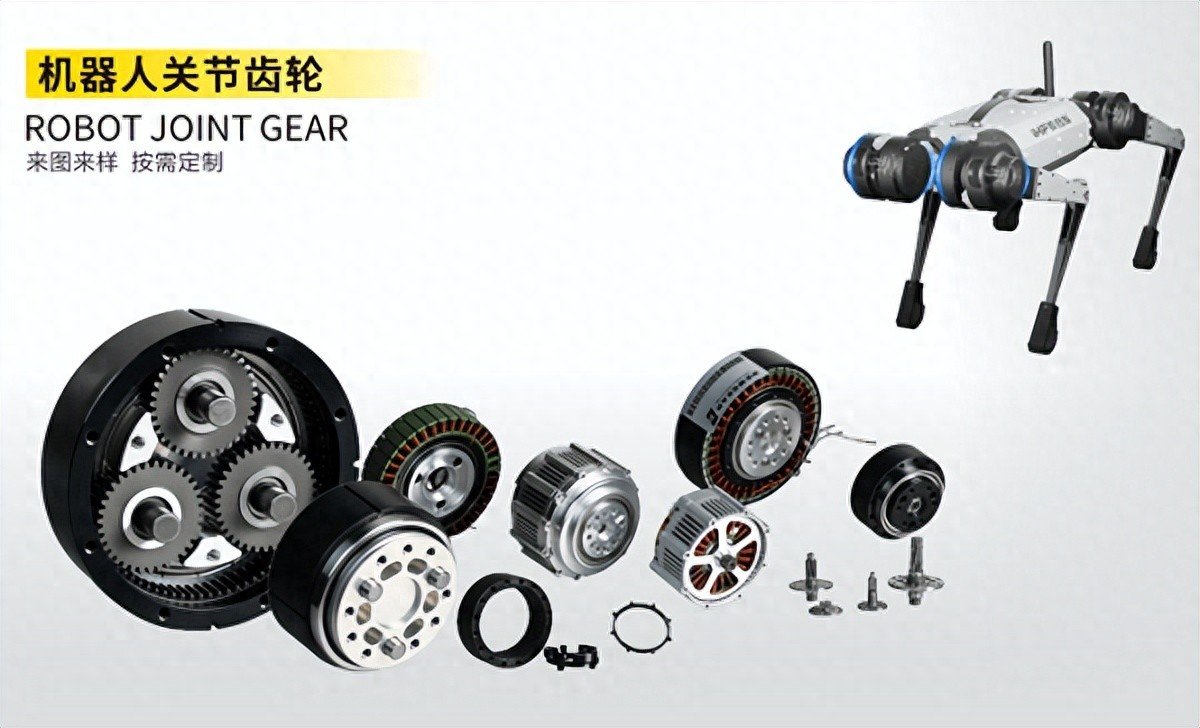


To tackle micron-level transmission, Shenzhen Hefa Gear focuses on localized manufacturing of robot joint gears
When a humanoid robot is running, its legs will shake, and its collaborative arm will get stuck when turning in circles. Eighty percent of the possible reasons for this are not in the motor control, but in the gear inside the joint.
There will be deviations in the micron-level tooth shape, which will be continuously amplified by high-frequency stop and start actions, resulting in positioning accuracy levels that can be seen by the naked eye in a few months. This is a problem that the entire industry cannot avoid and is difficult to solve.
The root of the lag is in the pinion
Many robot companies blame motion failures on servo drives and control algorithms, and repeatedly adjust parameters, but the effect is very small. In fact, when the small module gear inside the joint module switches between forward and reverse rotations, even a deviation of a few tenths of a microsecond in the tooth profile will directly turn into a torque fluctuation. The more frequent starts and stops and the higher the speed, the more obvious the vibration will be.
The technical team of Shenzhen Hefa Gear found from the after-sales service statistics that more than 60% of the gears of the callback mechanism joint module have tooth profile deviations. This deviation is within the measurable range. After replacing these problematic gears with new batches of qualified gears that meet the specifications, the vibration problem of the equipment disappears directly. The specific processing quality of the transmission parts is the fundamental determinant. Simply relying on software parameter adjustment is absolutely unable to make up for this defect.
Only doing one thing for more than twenty years
Hefa Gear is a company that has its roots in Shenzhen. It has been deeply involved in the field of precision gear processing for more than twenty years. It started from the small gears used in hand-held tools long ago, and has continued to the current special parts for robot joints. This development process is very clear in the processing of high-precision gear precision parts , so it is a typical company and has been recognized as a national specialized high-tech enterprise. Most of its core team members are made up of people with technical backgrounds such as tooth shape design and gear grinding technology. Before taking over the robot-related business, the foundation in small module gears was actually already very solid.

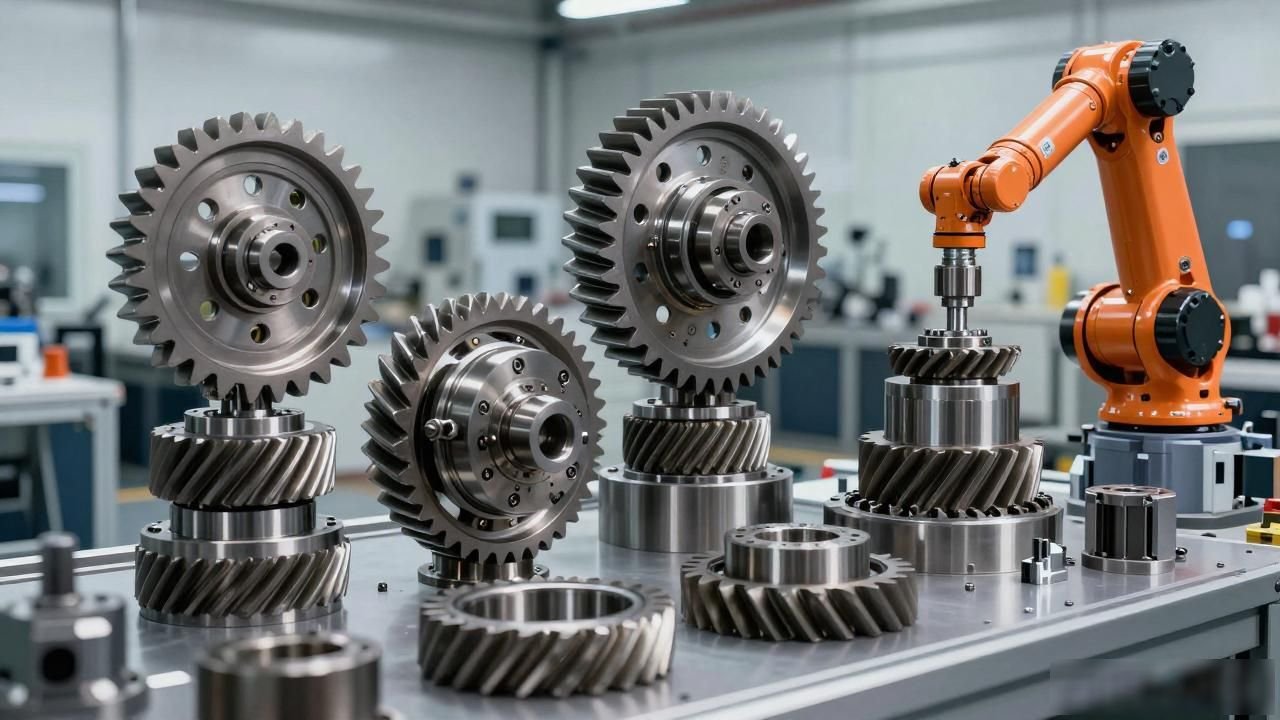
This set of accumulation means high-precision gear precision parts processing . When taking over the humanoid robot project, there is no need to start from scratch. Whether it is planetary gears, helical gears, or internal gears, all of them can be made. With specifications such as module starting from 0.2, the research and development cycle is much shorter than those of gear factories that have recently entered the market. Customers cannot afford to wait in those few months, so time is saved here.
Four hundred pieces of equipment support a closed-loop line
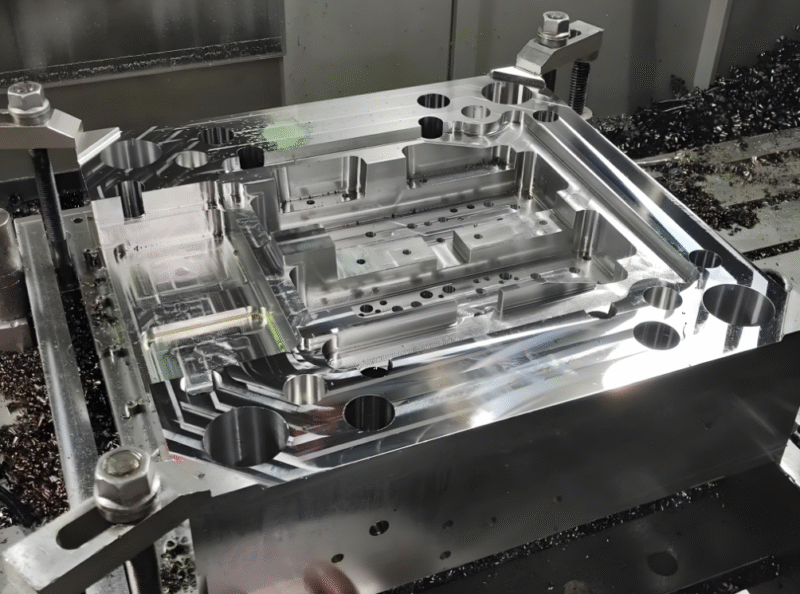
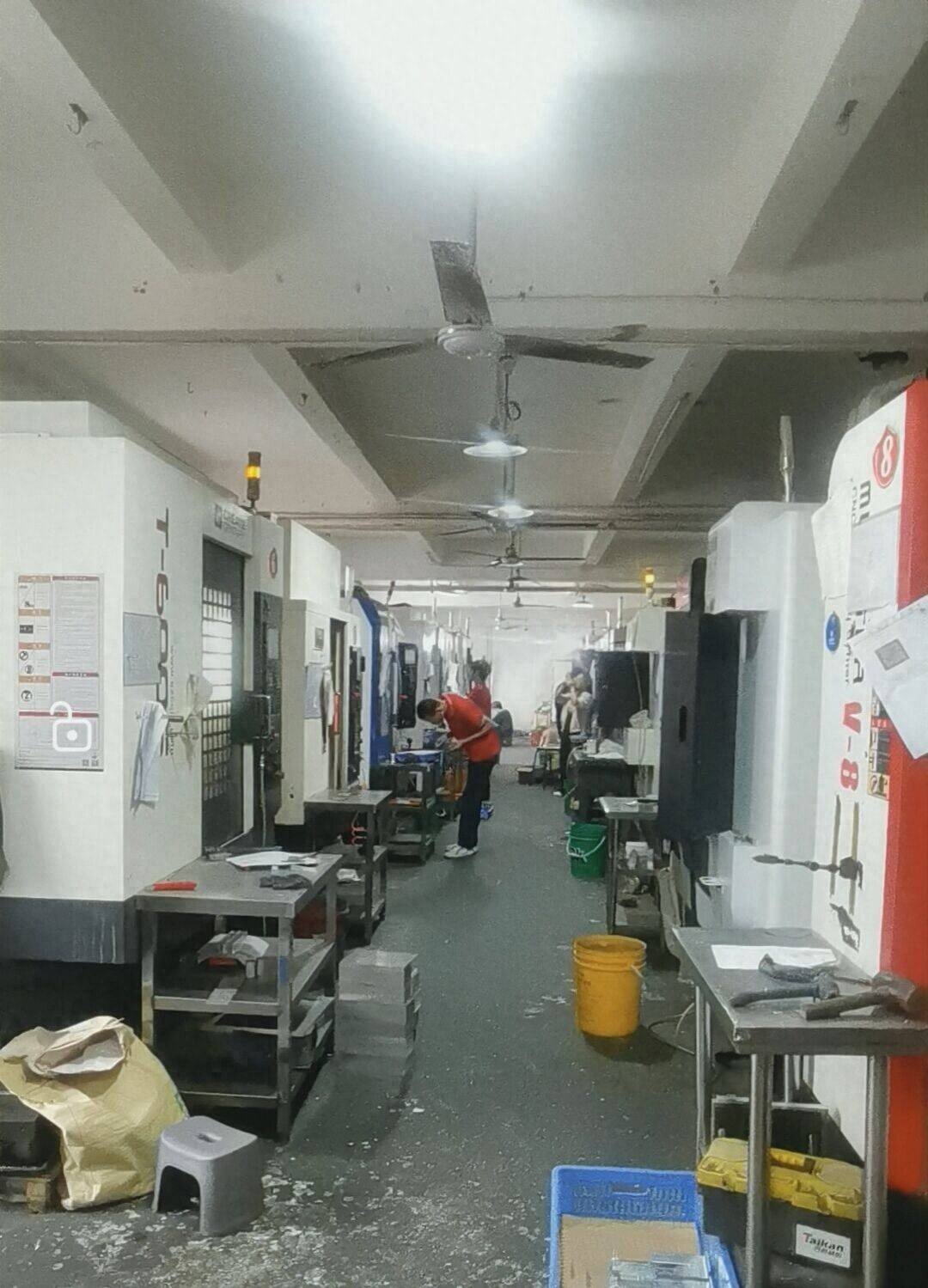
In this standardized factory covering an area of more than 30,000 square meters, there are about 400 pieces of equipment such as Swiss Reisenhauer gear grinding machines and five-axis linkage CNC gear hobbing machines. These equipments are arranged together into a complete production line. All processes start from the screening of raw materials after entering the factory, to carburizing and quenching, gear hobbing rough processing, to precision gear grinding and finally to tooth profile modification. There are a total of ten quality control nodes, all completed online. Things will not be sent out.
In the mass production stage, the same production line will be used as in the prototype trial production process. Three-dimensional coordinate measuring machines and professional gear detectors will inspect each individual product one by one for tooth shape errors, tooth direction deviations, part coaxiality indicators and surface hardness values.
The overall consistency of the batch is not the result of managers staring at it manually, but a state forcibly locked by strict quality control processes. This is the fundamental reason why customers dare to hand over entire orders of tens of thousands of pieces to us in one fell swoop.
Five micron tolerance is a hard threshold
The space of the joint cavity itself is only that big, but the gear must frequently rotate forward and reverse, and must start and stop repeatedly. The working conditions faced in this case are much more harsh than ordinary industrial gears.
In order to cope with this situation, Hefa, a company, abruptly raised the accuracy threshold of robot gears to the national standard level 5, tightly suppressed the tolerance value within 5 microns, and the coaxiality reached a level as high as one-thousandth of a millimeter, and then superimposed a layer of tooth profile modification process on top. In this way, the meshing impact and backlash phenomena that were originally prone to occur were successfully suppressed.
The base plate made of alloy steel will be matched with a strictly controlled deformation heat treatment process. The hardness of the tooth surface fully ensures the wear resistance, and the size will not shift after tooth grinding. Compared with the micro-joints used in fingertips , high-precision gear precision parts processing , the material formulas and heat treatment curves of joints such as hip joints, knee joints, and shoulder joints that bear heavy loads are completely different, so a unified process flow cannot be applied to all models of products.
One gear fits the whole machine
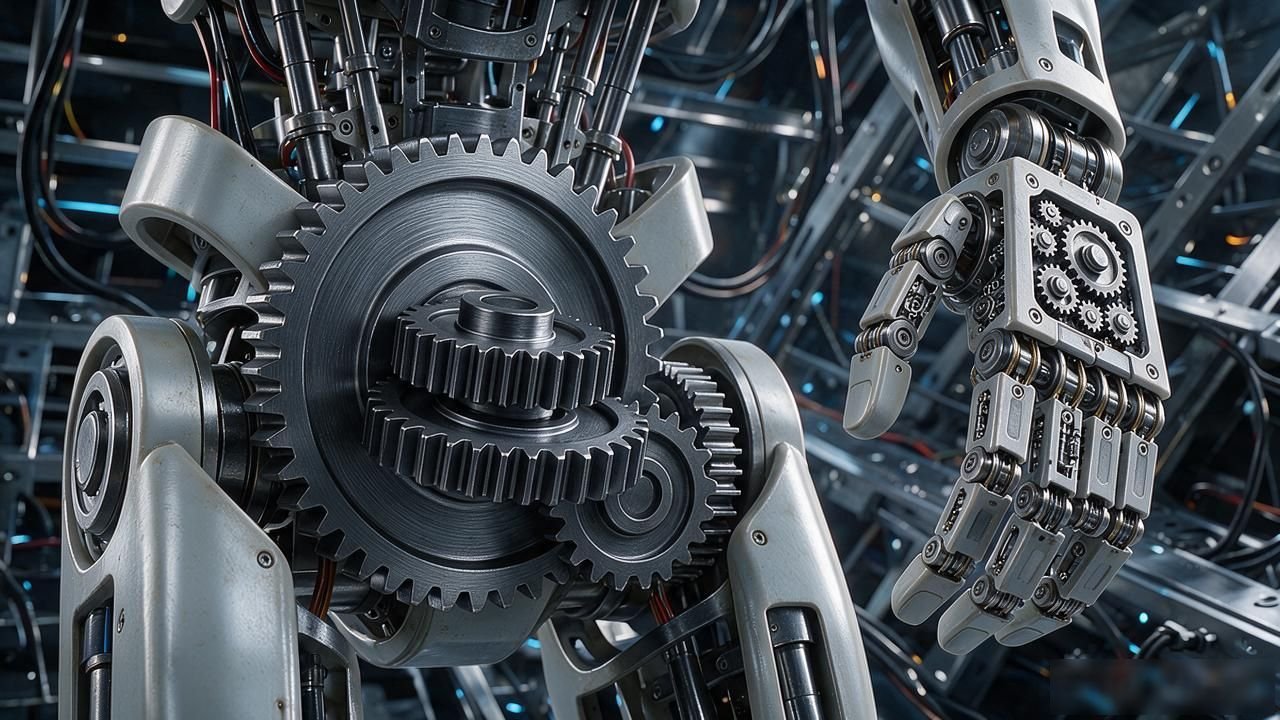
In a humanoid robot, dozens of different joint gears are used. The modules of these gears are different and the tooth shapes are also different. From the planetary gears with a relatively large module installed on the hip, to the small pinion gears with a module of only 0.2 that are used in your dexterous hands, the same manufacturer can provide them all for you.
In this way, during assembly and debugging, a lot of time and cost of running in with different suppliers are saved. Hefa also supports the customization of non-standard drawings. Whether it is the module, tooth shape or aperture size, relevant adjustments can be made at any time according to the customer's development rhythm of joint modules.
This set of products is already being used by people. In addition to humanoid robots, there are also applications such as industrial collaborative manipulators, medical inspection robots, and bionic dexterous hands. Because this is a direct supply from the manufacturer, the intermediate links are cut out. Its performance is comparable to imported parts. Procurement costs have been significantly reduced. This is very critical for robotics companies that are controlling costs.
Engineers sit in, not after-sales service
Traditional gear procurement is a form of "you provide the drawings and I will be responsible for the processing." Robot companies only discover the mismatch between the tooth shape and the housing after the development reaches the late stage. The rework cycle is usually as long as two or three months. Hefa's transmission engineers will intervene in the early stages of the project to optimize the drawing process, meshing verification and pairing selection operations, and solve the problem at the drawing stage instead of leaving it to the mass production stage.
The phenomenon of fast update speed is very common in the robot industry, which means that it is very easy for a specific model to have three versions of gear modifications.
Hefa Company organizes production activities according to specific projects, which means that the switching process from small batch production of samples to large-scale mass production does not require opening the mold again, so their response speed can match the research and development progress. If domestically produced machines want to be autonomous and controllable, the joint gear must not be continuously controlled by the outside. This is an unacceptable fact.
When you operate the robot joint modules on your hands, have you ever experienced a situation where the jitter becomes more serious after replacing a batch of gears? Welcome to the comment area to share the specific details of these pitfalls you encountered. If you find this content useful to you, please give it a like and forward it to your peers for a look.




暂无评论内容