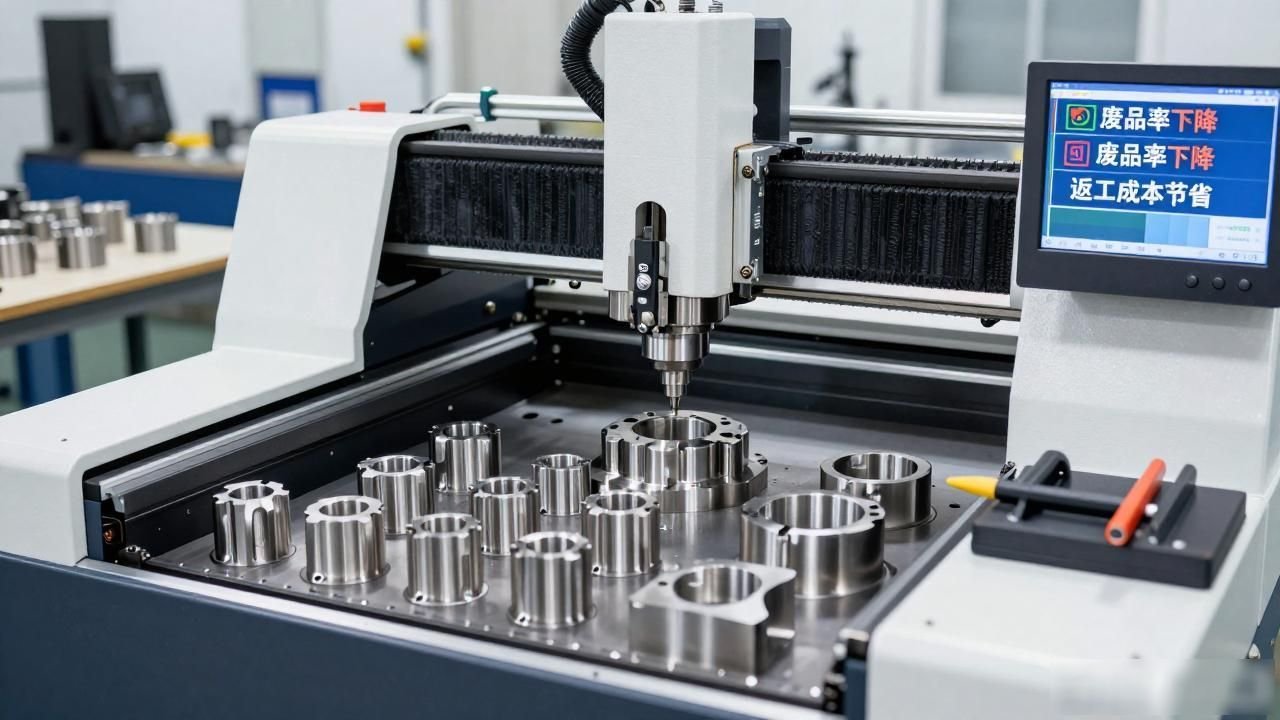


Precision parts processing stainless steel processing control equipment
When processing stainless steel precision parts, many practitioners will be hindered by the configuration of equipment. Because everyone has very high requirements for accuracy, and the pressure on the entire delivery time is also very tight. If the wrong equipment is selected at this time, the entire production task will be completely scrapped.
Equipment list determines processing limit
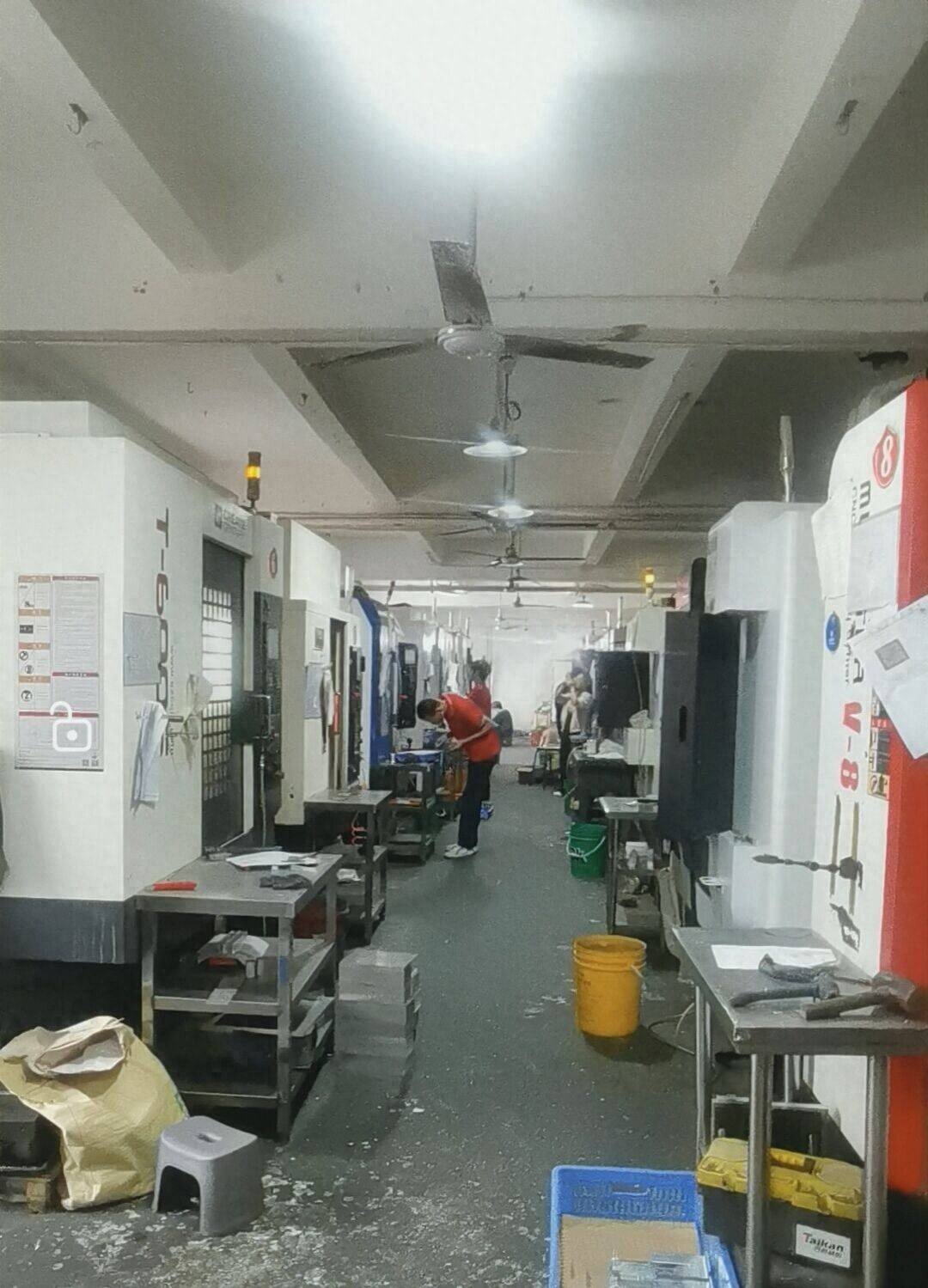
This factory established a team in July 2018, with a total of more than 20 people. The main core equipment includes CNC five-axis machining centers, CNC turning and milling composite centers, as well as horizontal and vertical computer gongs. It is also equipped with centering machines and cutting machines. CNC technology can cover the entire production process from rough machining to finishing. This is not a case of using a single machine to make up the numbers.
Among these supporting facilities, there are radial drilling machines and precision edge milling machines, plus wire cutting equipment with three grades of fast wire cutting, medium wire cutting and slow wire cutting. They are also equipped with grinders, tapping machines and electric welding machines. Whether the equipment is complete enough is a key factor that directly determines whether the customer's drawings can be completed in one go. This can save the need for outsourced secondary processing.
The finishing process is completed in one go
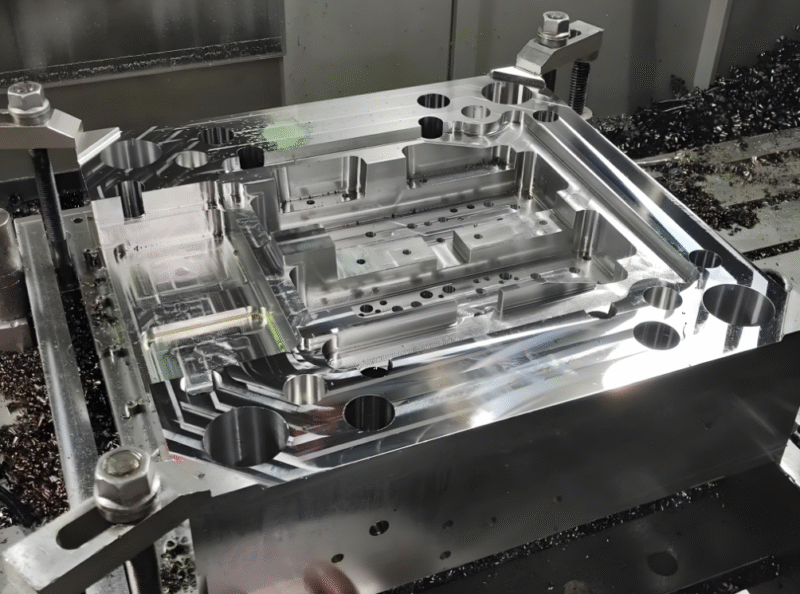
This kind of high-speed engraving and milling is to string together the processes of edge milling, rolling, closing, hole making, grinding, flaring, shrinking, bending, and level forming. In the past, three machines were required to do the job, but now, it can be done in one clamping operation.
Especially for the stainless steel part, its dimensional tolerance issues and surface treatment issues were all solved at the same work station. In this case, since there is no need to repeatedly load and unload, the cumulative error of the clamping will be reduced by half.
In the fields of optoelectronics and electronics, what everyone cares about most is actually this technical link. For products with special shapes and narrow borders on sensor housings and instrument panels, the traditional methods of separating lathe processing and milling machine processing in the past are particularly prone to deviation problems.

But now as long as the engraving and milling machine is used to shape it in one go, the scrap rate can be clearly seen with the naked eye, and the cost of rework is also eliminated.
Five industries share one production line
Products fall in the five directions of optoelectronics, electronics, instrumentation, electromechanical, and health. Then, the casings of medical devices in the sanitary category must be made of 316L. But electronic brackets are made of 304. The gap between the two requirements in terms of corrosion resistance and surface finish is very large. Therefore, the parameters of the equipment must follow the materials.
The same batch of orders are mixed together, but the raw material grades inside are different, and the hardness differs by two or three levels, resulting in completely different wear rates of the tools. There are 20 people working on several production lines at the same time. This scheduling ability has a greater impact on the final actual output speed than adding one more piece of equipment.
Non-standard parts are the real threshold
In addition to supplying standard mechanical parts and hardware spare parts, the factory also undertakes the processing business of non-standard parts all year round. When a customer comes with a sketch or 3D model, there is no ready-made mold to use, so the staff needs to start programming from scratch and implement blanking operations.
When using automatic cam machines and centering machines to process small quantities and a wide variety of orders, they are more flexible than large CNC machining centers, and the speed of changing production models is also faster.
The biggest pitfall in non-standard parts is actually the confirmation stage. If an R corner on the drawing is not clearly marked, the finished product will not match the mark. Customers' demands have never been about "almost enough". What they want is precise alignment down to the millimeter level.
Therefore, before officially accepting the order, spend an extra half hour to clarify the tolerances and geometric tolerances with the customer. This approach is much better than having to rework for three days later.
The balance between delivery time and quality
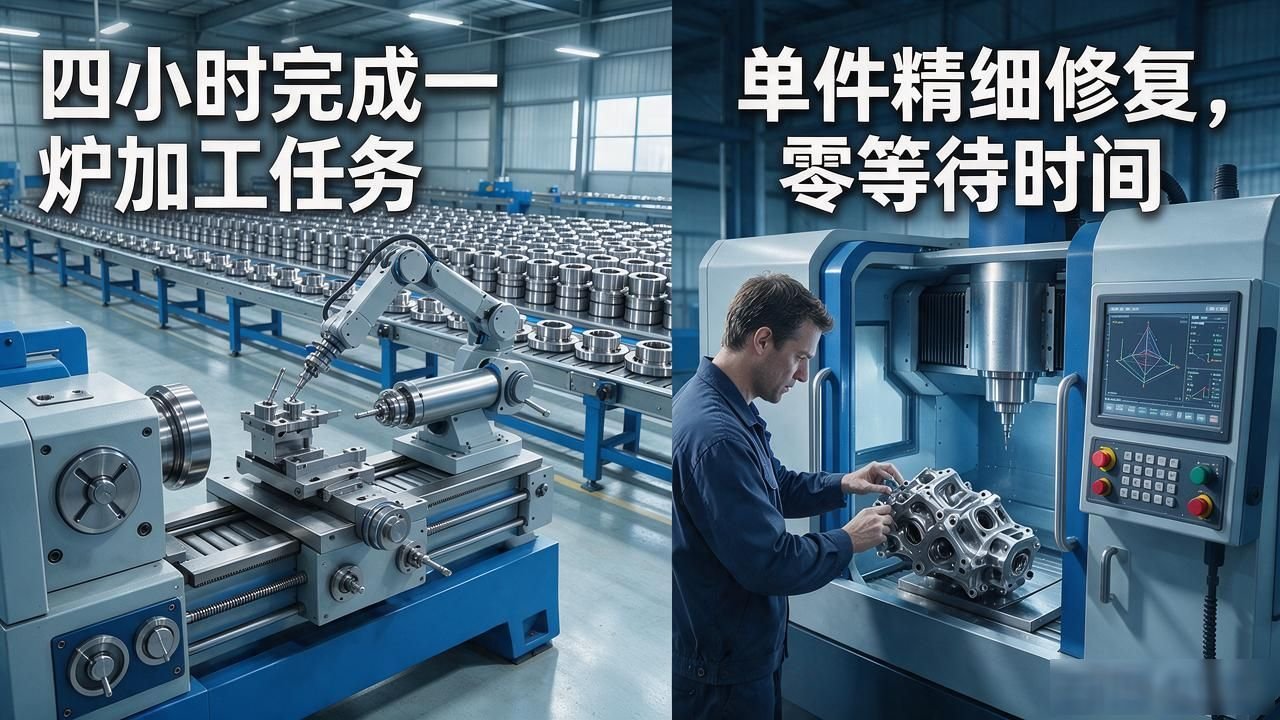
Standard parts are produced in batches using automatic lathes, and the specific operation is to complete one batch of processing tasks in four hours; non-standard parts use CNC equipment to perform fine repair work on individual parts, mainly relying on production scheduling to compress the waiting time to the shortest possible time.
Implementing a three-shift work model can increase equipment utilization to more than 70%. The so-called "fast delivery" concept is not a slogan, but is truly supported by a detailed production schedule.
The electroplating process has been fully integrated into the factory's internal system. After the stainless steel parts enter the machining process, they will be directly transferred to the corresponding electroplating production line. This completely avoids the need to outsource processing, and there is no need to worry about unnecessary waiting time caused by logistics and transportation.
Those customers from the optoelectronics field fear most that the project progress will be delayed for a whole week. Keep surface finishing work in-house. The overall production cycle can be effectively shortened by two to three days.
The cost of trust in long-term cooperation
The factory has signed long-term cooperation agreements with a number of retailers and agents, and is also directly connected to those terminal-type manufacturing companies. It has been nearly eight years now, and on the customer side, the proportion of repurchase behavior is much more important than the behavior of attracting new customers. Stable orders make production scheduling regular and rhythmic. There is no need to rush to make this batch of goods today and stop the operation of that machine tomorrow.
From a purchasing perspective, choosing a manufacturer that can supply products all year round can ensure that the batch consistency of materials is effectively guaranteed. For stainless steel plates, the carbon content and nickel content indicators will fluctuate differently every month.
Because old suppliers already know the specifics of these materials very well. Therefore, if a batch of new materials is replaced, there is no need to conduct multiple cutting tests to verify the quality. In this case, time costs can be saved.
When you are processing stainless steel parts, what troubles you most is the accuracy control or the tight delivery deadline. Please communicate and discuss with everyone in the comment area. If you think this content is valuable to you, remember to click the like button and forward it to your colleagues in the purchasing department.



暂无评论内容