

What are the requirements for cleanliness in a dust-free workshop?
In those factories that carry out precision machining, it is clear that all assessment indicators have met the standards, but the proportion of qualified products produced in the end still cannot rise to an ideal level. This problem is most likely due to the specific method of humidification used, which does not perfectly match and cooperate with a good ventilation system.
Cleanliness standards follow the process
The level of cleanliness does not have to be higher to be considered better. A precision CNC machine tool and a wafer production line are two different things. The concentrations they require for particles are two completely different states. The 2024 ISO 14644-1 standard divides clean rooms into nine levels from 1 to 9.
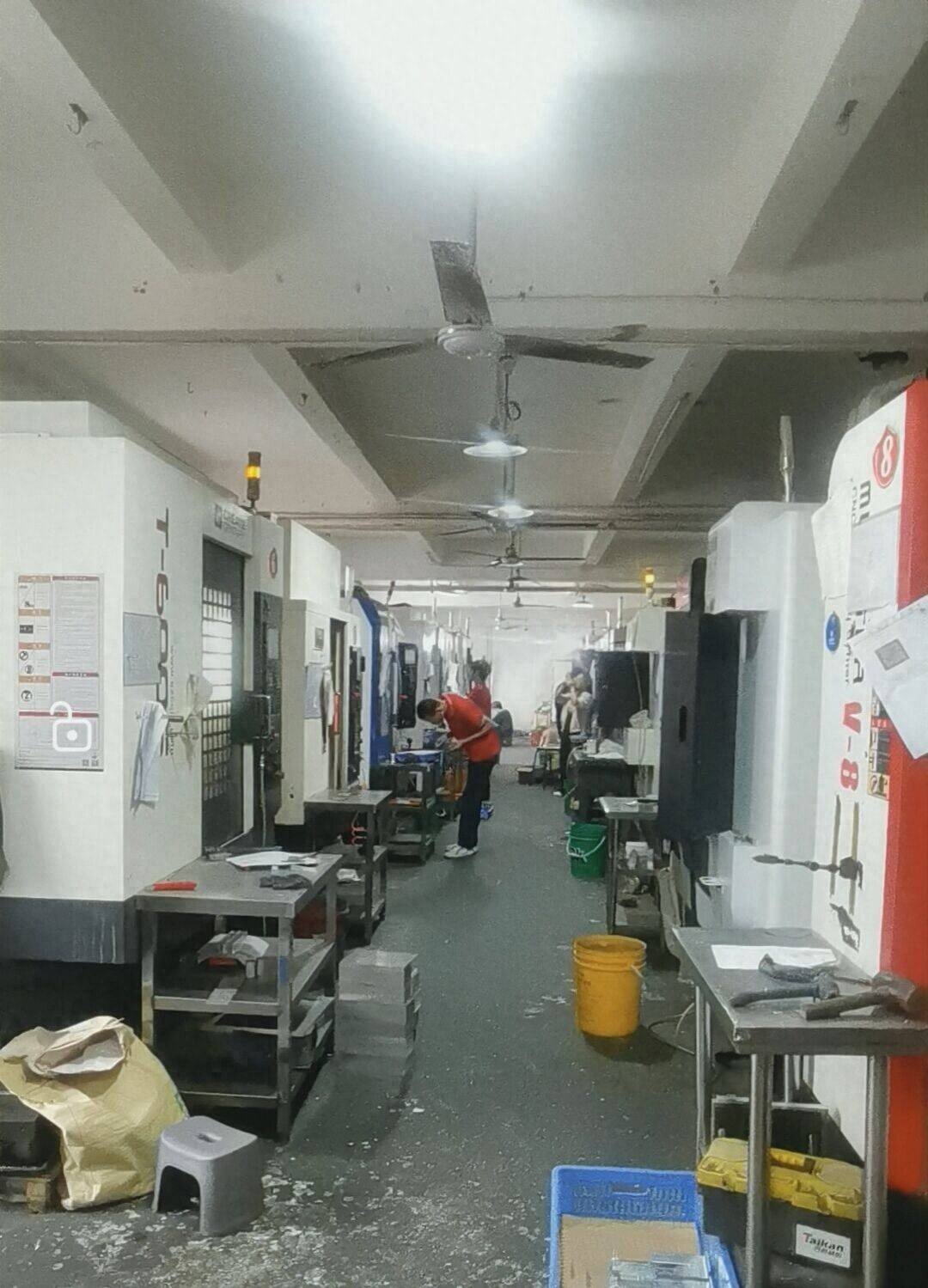
In a machining workshop, it is generally in the range between level 5 and level 7. Where it falls specifically depends on whether your processing accuracy belongs to the micron level or the sub-millimeter level.
There is a factory in Suzhou that works in the field of precision molds. When the workshop was renovated in 2025, the cleanliness level was raised from level 7 to level 6. The number of air changes was also increased, from 20 times per hour to 35 times per hour. The cost of electricity for air conditioning increased by 40%. However, the surface roughness Ra value of the product was reduced, from 1.6 microns to 0.8 microns. The rate of acceptance by customers increased. It rose from 82% in the front to 96% in the back.
If you choose the wrong humidification method, all your efforts will be wasted.
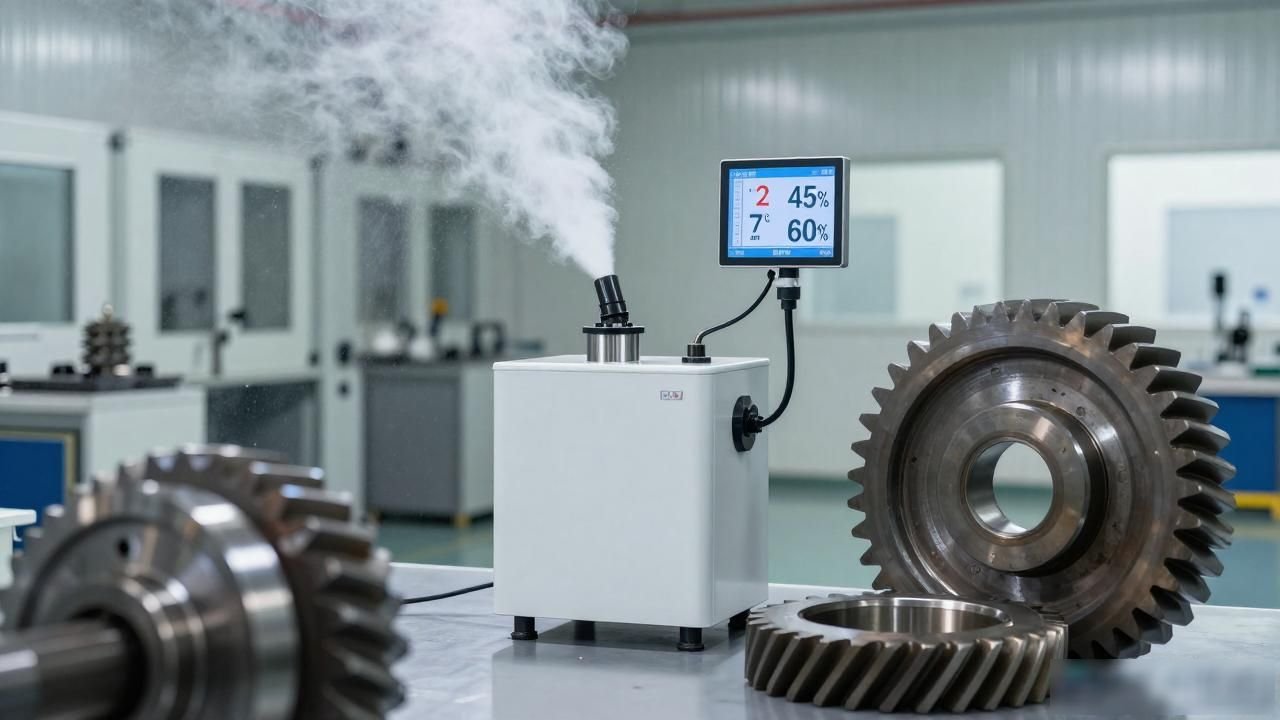
As for the technology of isenthalpy humidification, it mainly has three methods: water spray, wet film and ultrasonic wave, while isothermal humidification is achieved by spraying steam or using electrodes. In the machining workshop, the most feared thing is the humidity fluctuation caused by isenthalpy humidification.

In 2025, there was a bearing factory in Chengdu. They used ultrasonic humidification, which caused the relative humidity value to jump back and forth in the range of 45 to 60 percent. After the gears were ground, the thickness of the oxide film on the surface became uneven, and the scrap rate rose sharply from 2 percent to 7 percent in a week.
After switching to dry steam injection, the humidity stabilized at 50% plus or minus 3%, and the scrap rate returned to 1.5%. Before choosing a humidification method, you must first confirm the temperature range and humidity range allowed by the process. Do not apply the solutions in food processing workshops to mechanical processing.
How to choose between traditional airflow and unidirectional airflow
The traditional air flow organization form usually relies on high-efficiency air supply vents scattered on the ceiling. This method is relatively low-cost, so it is more suitable for workshop environments with cleanliness levels of 6 to 8. Unidirectional flow is also what people often call the air flow mode called LAF or UDF. In this mode, the entire ceiling is covered with high-efficiency filters. The air flow goes from top to bottom, and then evenly passes through the work area. This method is more suitable for situations where the cleanliness level needs to reach level 5 or above. Take a tool factory in Shenzhen in 2025. They transformed the grinding area into a vertical unidirectional flow. As a result, the particle concentration there was reduced from the original 2×10⁵ particles per cubic meter to the current 3×10³ particles per cubic meter. However, the corresponding equipment investment also increased by a large amount of 1.2 million yuan.
Not every area must use one-way flow. The use of traditional airflow methods in the rough processing area is sufficient to meet the cleanliness standards of precision machining workshops . The saved budget should be invested in partial laminar flow hoods used in key grinding processes. The cost of a single hood is about 80,000 to 150,000 yuan. This approach can save about 60% of the cost compared to the transformation of an entire room with one-way flow.
Temperature and humidity fluctuations are more deadly than absolute values
The matter of constant temperature and humidity does not mean that only the number "22℃, 50%RH" is enough. In terms of precision machining, there are very strict rigid indicators for the range of fluctuations. For example, the temperature should fluctuate within ±0.5℃, and the humidity should fluctuate within ±3%RH.
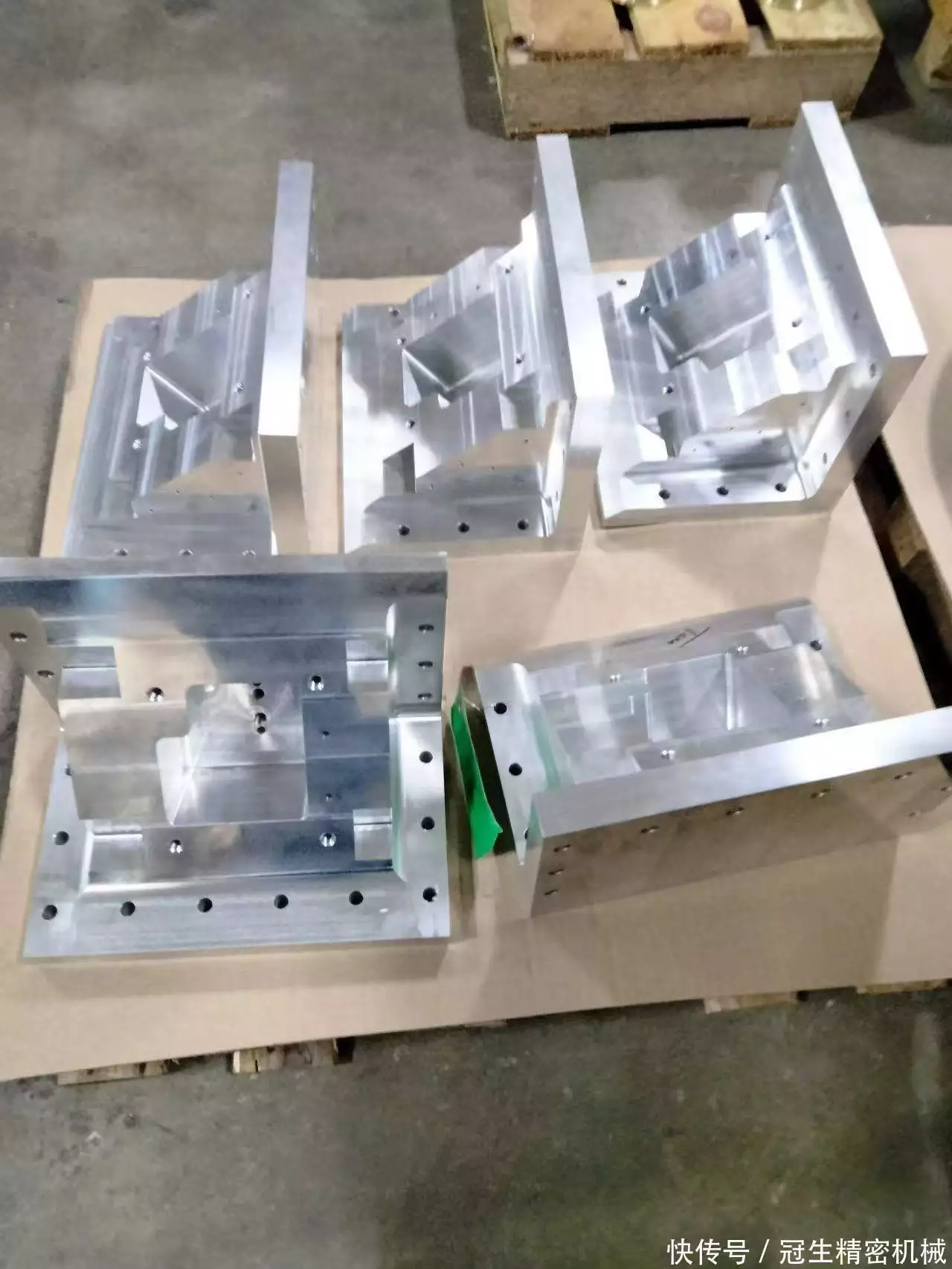
In 2024, there will be a sensor housing manufacturing plant in Dongguan. The temperature in their workshop fluctuates between 21°C and 24°C. This results in the dimensional tolerances exceeding the standard range after the aluminum parts are processed. Adding up the number of scraps every month, the total amount is equivalent to a loss of 180,000 yuan.
After installing a variable frequency precision air conditioner, the temperature fluctuation was controlled within a range of plus or minus 0.3 degrees Celsius, and the scrap amount was reduced to 60,000 yuan. For temperature and humidity recorders in key processes, it is recommended to collect data every 15 minutes, and the data should be retained for at least two years to facilitate traceability when problems occur.
Pressure difference and air exchange rate are invisible thresholds
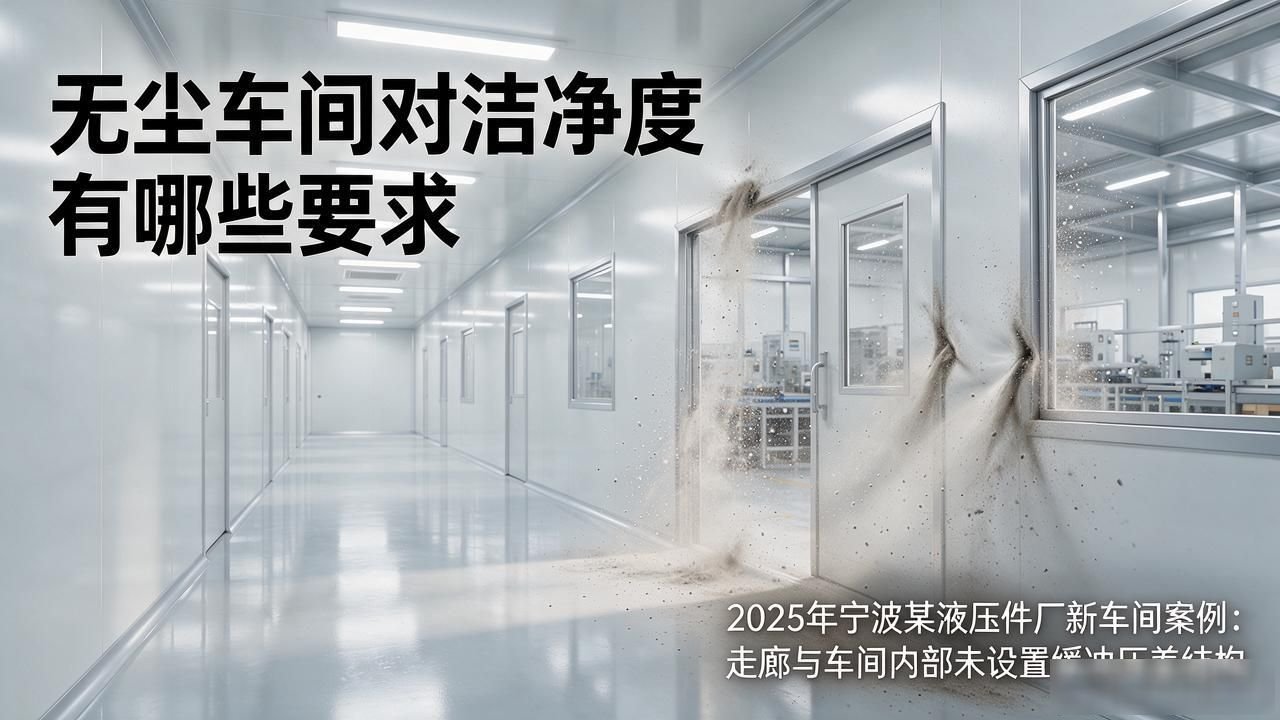
Clean rooms need to maintain positive pressure in adjacent rooms, which is generally within the range of 5Pa to 10Pa. When a new workshop of a hydraulic parts factory in Ningbo was put into production in 2025, there was no pressure difference structure for buffering between the corridor area and the inside of the workshop, which caused dust from outside to pour in, and the particle concentration exceeded the standard for two weeks.
Later, after adding a double-layer buffer door, the pressure difference stabilized at 8Pa, and it took only a week to return to normal.
The number of air changes will directly determine the upper limit of particle concentration. For a level 7 workshop, this value generally needs to be between 20 and 25 times per hour, while for a level 6 workshop, what are the cleanliness requirements for a dust-free workshop, it needs to reach a level of 30 to 35 times per hour.
When making specific calculations, you must not simply divide the volume of the room by the air supply volume. You must also take the proportion of fresh air into consideration, otherwise the actual number of air changes will eventually shrink.
Don’t leave behind people’s flow channels and microorganisms
Because if the design of the flow channels for people and goods is inappropriate, cross-contamination will occur. According to the 2025 Cleanliness Standard for Precision Machinery Workshops , a factory that makes precision instruments in Shanghai has set up an independent airlock room and an air shower channel. When the second-level clean clothes were changed before entering the workshop, the pass rate of microbial sampling increased from 91% to 99.2%.
When choosing decking panels, sealants, and equipment surface materials, be sure to carefully consider the amount of dust they generate. If it is a PVC plate, it will release a lot of tiny particles after being used for a long time. Therefore, in those very critical areas, it is recommended that you use stainless steel or epoxy resin-coated materials.
For the selection of filters in the ventilation system, you can choose them according to HEPA standards or ULPA standards, and these filters should be replaced regularly based on the actual results of online particle monitoring.
How is the humidification method currently used in your workshop determined, and what standard is the number of air changes based on? Did you directly follow the default plan given by the manufacturer, or did you make the decision after painstakingly calculating it over and over again. Come and chat with everyone in the comment area. If you think what you said is useful, remember to give it a like and forward it to your colleagues and friends.




暂无评论内容