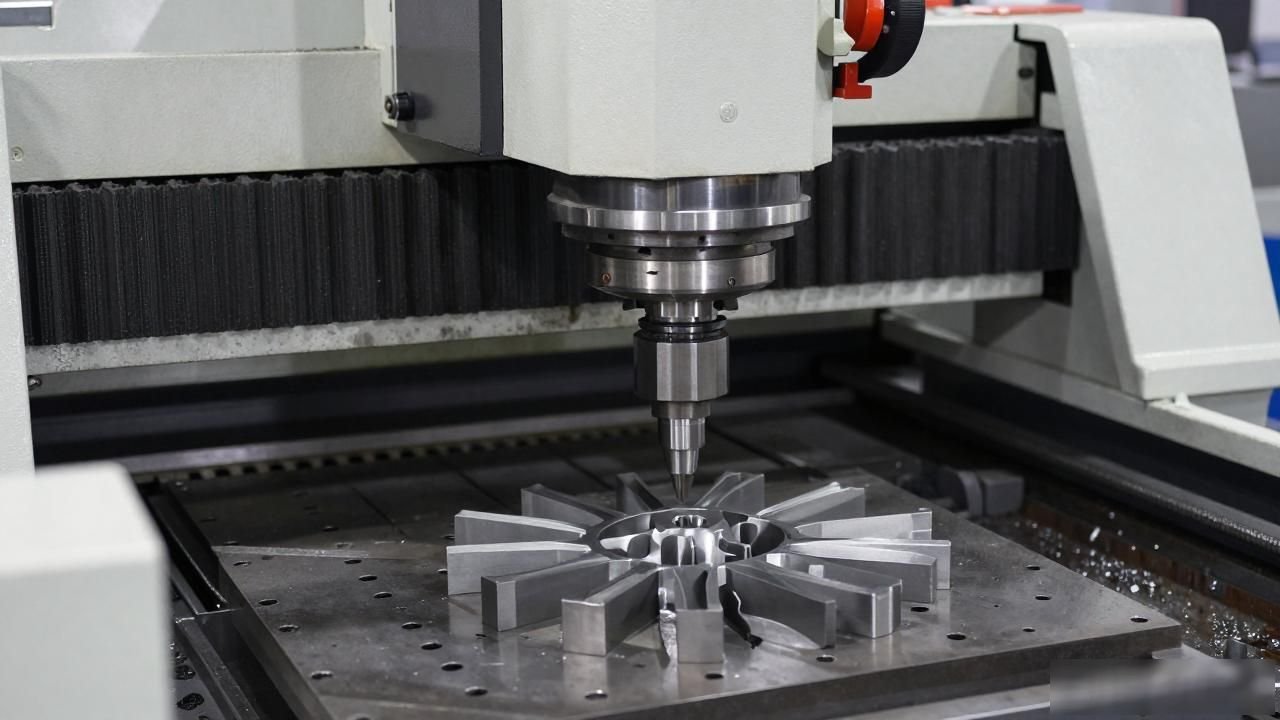


Five-axis boring and milling machining center
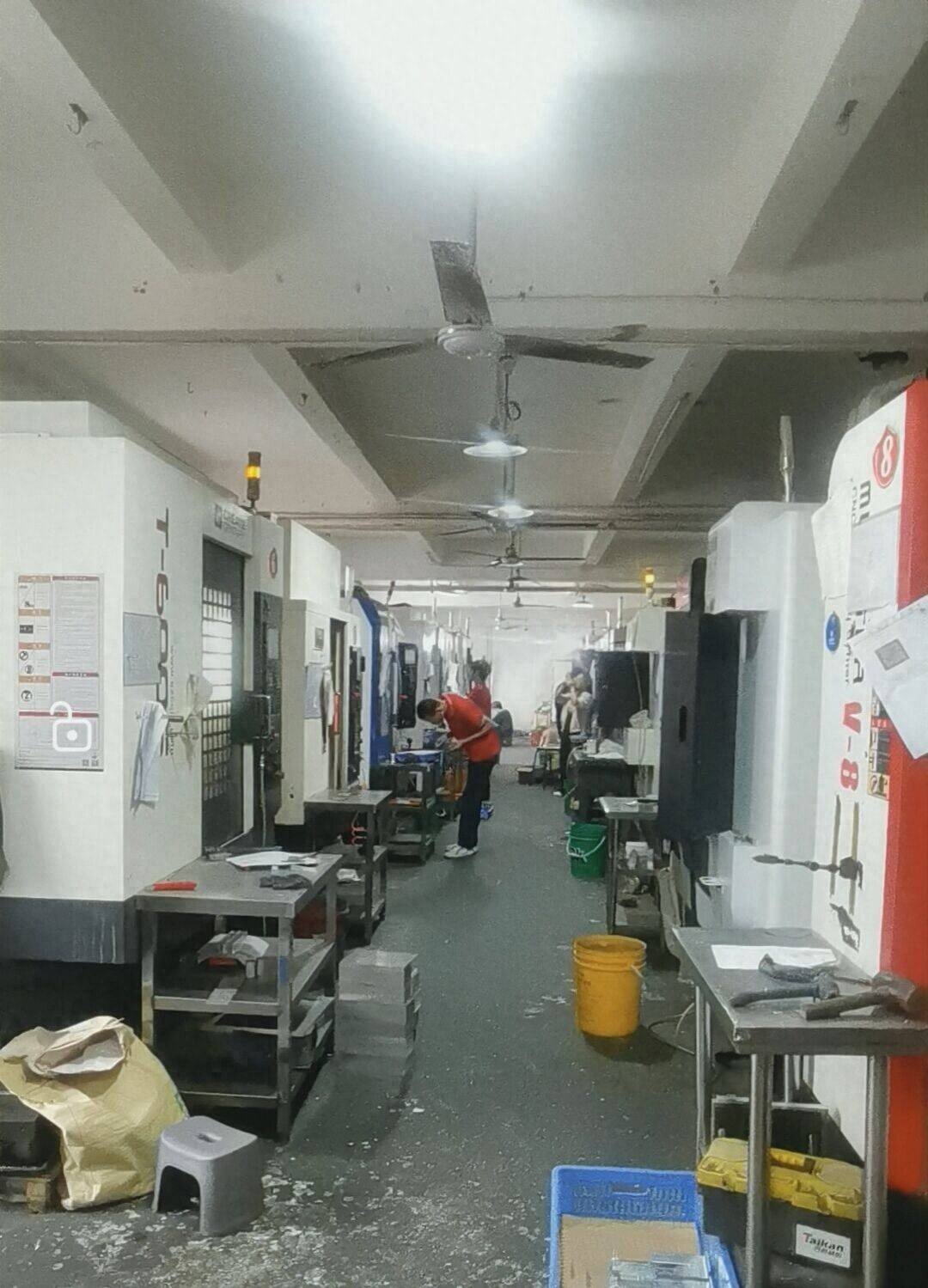
This is a five-axis boring and milling machining center that was put into use on September 1, 2010. Now this equipment has been listed on the national scientific research facility platform for open sharing, so those who are engaged in complex surface processing no longer have to spend millions to buy their own equipment.
Device background and registration information
This five-axis boring and milling machining center was officially put into use on September 1, 2010. Then it was registered in the National Science and Technology Basic Conditions Platform as a large-scale scientific research instrument. It was then included in the National Network Management Platform for Scientific Research Facilities and Instruments, and was open to the society for sharing and use.
After registration is completed, research team members in universities, researchers in scientific research institutes, and staff in small and micro-manufacturing companies with specific needs will be able to submit special reservation application procedures directly online as long as they meet the relevant sharing conditions. In this case, there is no need to find ways to raise funds to purchase machine tools of the same grade.
Table size and axis travel
The diameter of the workbench is 600mm, the stroke of the The maximum speed is measured per minute, and the specific value is subject to the equipment nameplate and platform announcement. .

This level of schedule basically covers the processing range of parts such as small and medium-sized impeller molds and blades. It only needs to complete the clamping operation at one time, and it can successfully complete the cutting tasks in all directions, completely eliminating the need to repeatedly turn over the parts and set the tool.
Swing milling head and spindle configuration
The equipment supports free switching from three-axis to five-axis processing modes, and the swinging milling head has a B-axis negative angle of 30°, so the tool can tilt downward to cut into the workpiece, thereby reducing the overhang length and reducing the risk of tool collision. In addition, the spindle module is replaceable, and users can select different speed and torque gears according to specific needs.
When processing simple planes and hole systems, simply using three-axis motion is sufficient to meet the requirements. Only when you encounter those continuously changing free-form surfaces that need to be processed, you switch to the five-axis linkage mode for operation. This approach has a very high degree of flexibility, which can effectively prevent the five-axis machine tool from idling, thus preventing the waste of production cycles.
Typical processing objects
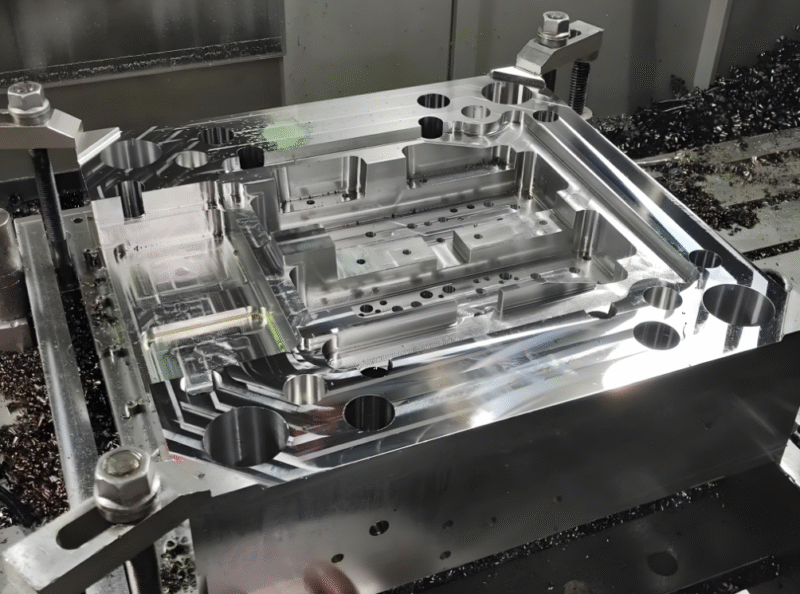
The surface of aeroengine impellers and turbine blades belongs to the type of continuous transition non-rotational free-form surface. For traditional three-axis machine tools, they can only rely on coordinate rotation to achieve approximate machining effects of five -axis machining . This will lead to a compromise in both accuracy and efficiency.
After the five-axis linkage equipment is linked, the workpiece can be cut from different posture directions in one clamping process. At this time, by scientifically arranging the movement trajectory of the tool, accurately adjusting the pointing angle of the tool head, and properly selecting the matching cutting parameter settings, the overall quality of the curved surface forming will eventually become better, and the consistency of the processed surface will also be significantly improved.
The true value of five-axis linkage
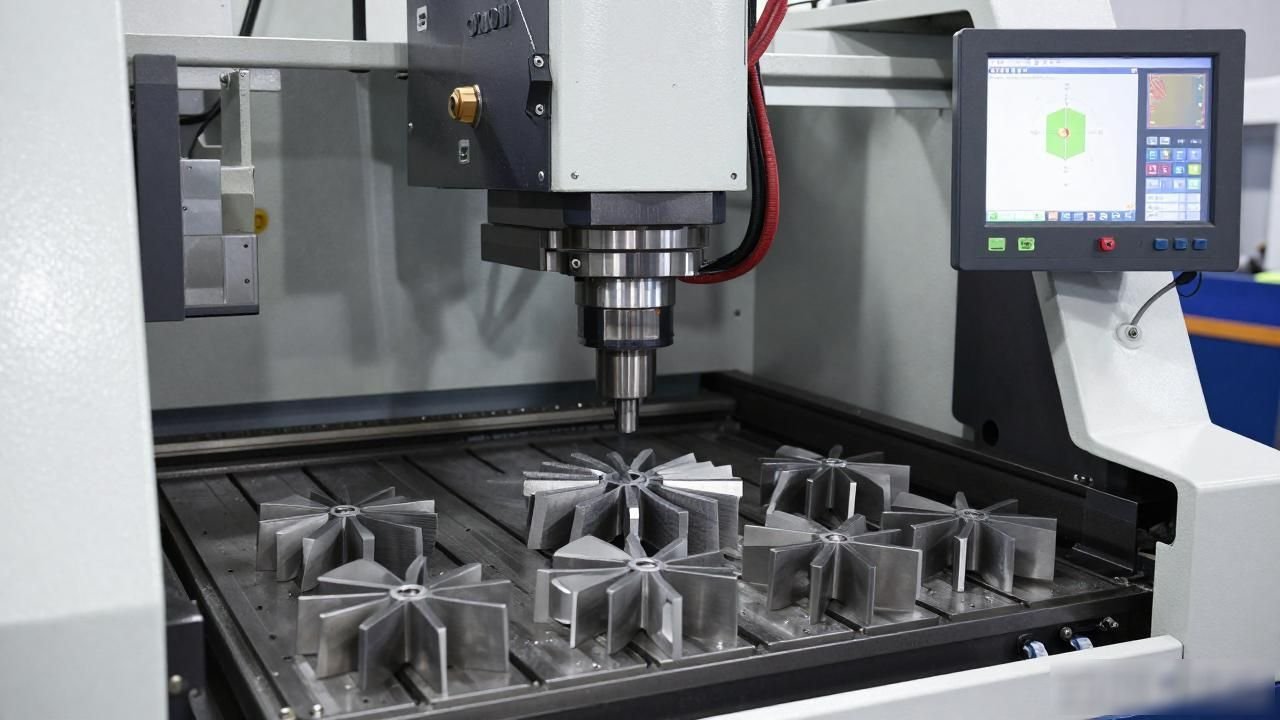
For the batch trial production of blade parts, the biggest advantage of the five-axis machining method is that it can reduce the number of clampings, position it once and then process multiple surfaces. In this way, the accumulated error will be very small, the amount of subsequent finishing will be greatly reduced, and the processing cycle time and yield rate will directly benefit.
But just having the hardware conditions is not enough. Path planning and how to match relevant parameters are the biggest bottlenecks currently faced. The concept of five-axis is not something used to show off as a gimmick. It is really something that requires great efforts and a lot of effort on the craft side, which is the key point.
How to reserve and use
Equipment information has been put online on the National Network Management Platform for Scientific Research Facilities and Instruments. Users can check available machine times online, submit applications for use, and communicate with equipment managers about process details. After completing all the processes, they can enter the site for processing.
For small and medium-sized enterprises and project teams that have just started, this is indeed a relatively low-cost and most practical method to verify the related processes of five-axis machining . After the entire solution is successfully run and actual data results can be obtained, then consider whether to spend money to purchase related equipment.
In your current unit or research team, have you ever encountered any trouble in the process of operating machining technology that requires simultaneous movement in five directions? Which specific link makes you most headache and uncomfortable? Please feel free to express your opinions in the message area below. If you think this content is helpful to you, please click the like button and share this information with colleagues around you.



暂无评论内容