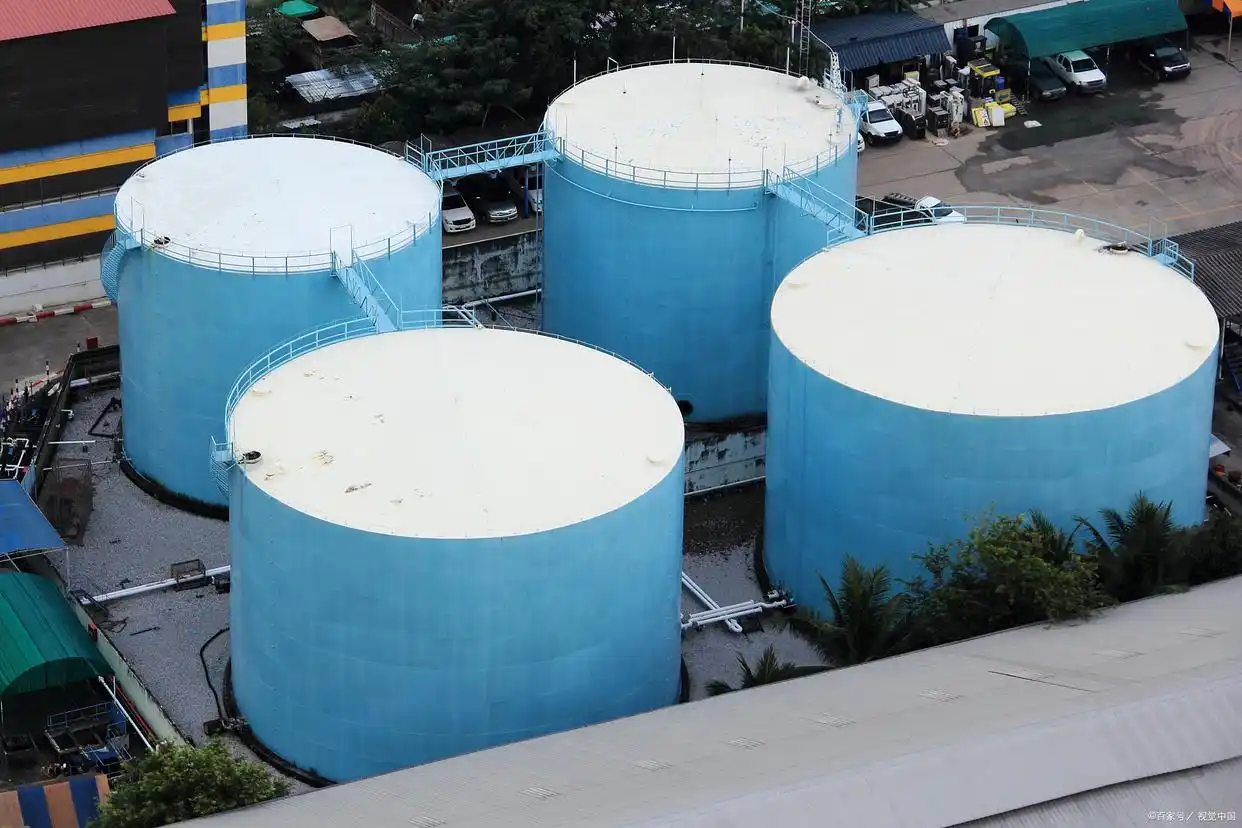


Mechanical properties of 09MnNiDR low-temperature vessel steel and welding process of 09MnNiDR; engineering applications
In an environment of minus 70 degrees, steel is prone to fracture once it becomes brittle. Many factories still use the same set of practices under normal temperature conditions when performing riveting and welding operations. As a result, fractures occur directly at the weld. This is precisely the most critical and troublesome obstacle faced by low-temperature pressure vessels.
Why is the material selection stuck at minus 70 degrees?
Among conventional low-temperature steels, the highest usable temperature is usually only minus 40 degrees. Once the temperature drops further, these materials will basically be unable to withstand it. At present, domestically produced low-carbon, low-alloy, fine-grained steel has naturally become the main force in meeting the demand for equipment in the -70-degree environment.
This kind of steel mainly makes the grains finer by adding manganese and nickel elements. At the same time, the sulfur content and phosphorus content are suppressed to extremely low levels. In this way, the tendency of embrittlement is removed from the root cause and significantly reduced.

In the brand, the "DR" part represents a special mark for cryogenic containers. Its purity is half a grade higher than the previous old formula. It has been used in batches in LNG storage tanks and liquid oxygen and liquid nitrogen containers. It is gradually replacing high-nickel steel materials imported from abroad, and has cut the cost by about 30%.
Are mechanical indicators hard or not?
The yield strength of this material is no less than 345MPa, the tensile strength is in the range of 430 to 530MPa, and the elongation after fracture exceeds 21%, so it has sufficient plastic space and room for cold working.
The current core inspection index is that the impact energy in a negative 70-degree environment must reach the standard of ≥34J. If high-quality steel plates are used, the remaining amount will be larger, which can ensure that the organizational structure does not collapse when subjected to alternating loads.
Every piece of board must undergo ultrasonic flaw detection before leaving the factory. For thicker plates, a Z-direction performance test report can be provided. Because problems with delamination and pinching are screened out before the goods arrive, acceptance work is fully aligned with pressure vessel specifications. In the industry sampling inspection conducted in 2025, the pass rate reached 98.7%.
The heat treatment step cannot be omitted.
When supplied, the state is usually normalizing or normalizing followed by tempering. If you want to maintain resilience, it all depends on this step. The cooling rate must be stuck within 2 degrees Celsius per second. If it exceeds the limit, the tissue will be uneven and the performance will be directly compromised.
In a certain liquefied natural gas project, the cooling rate was set to 3.5 degrees Celsius per second in 2024. As a result, the impact absorption energy of the test plate was reduced to 21 joules, which resulted in the need to rework and perform normalizing treatment, which cost an additional 20,000 hours of work. The heat treatment curve must be written into the process card, and samples of each furnace product must be retained as a basis for future reference.
Riveting and welding construction is most easily overlooked
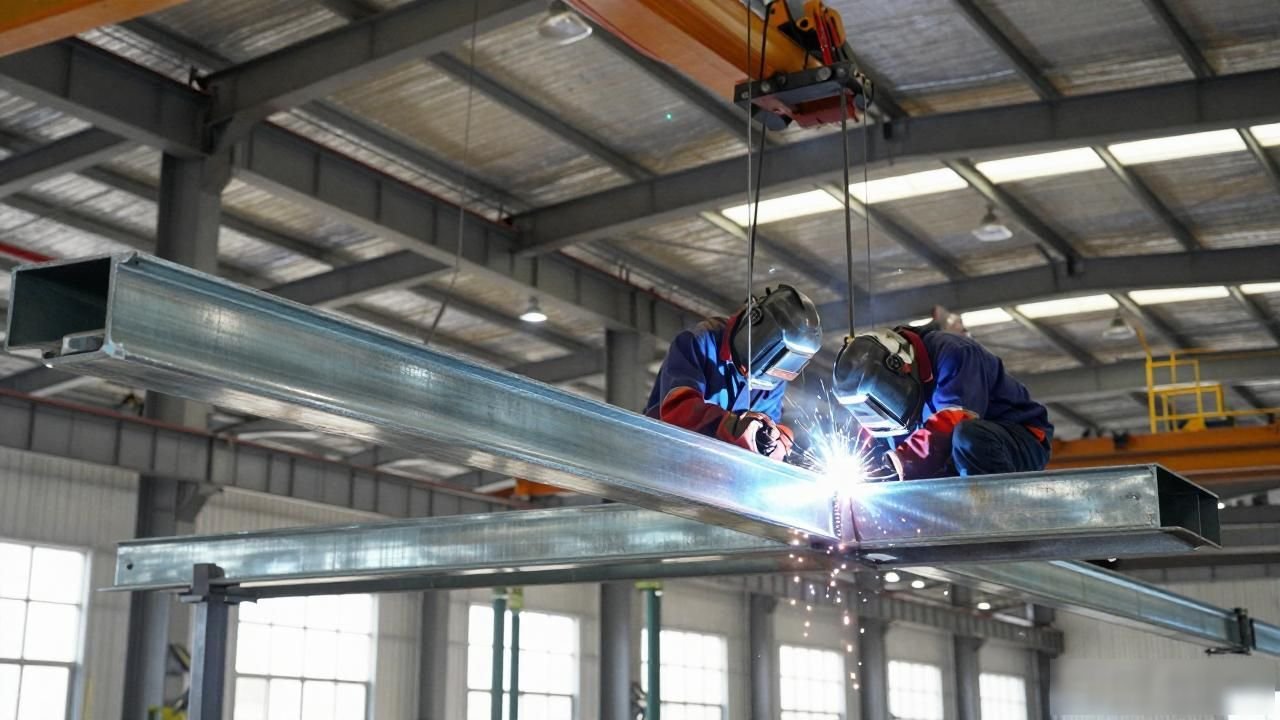
It is capable of cold working processes such as rounding, head stamping and bending, but welding is the critical link. For thick plates, preheating is required first, and the temperature range is controlled between 100 and 150 degrees. The interlayer temperature must not exceed 200 degrees. After welding, it needs to be insulated and allowed to cool slowly. When selecting welding materials, you must use low-temperature and low-hydrogen materials, and you must not make do with it.
In 2025, the welding seam of a low-temperature separator in a coal chemical project developed a crack problem after operating in an environment of -55 degrees for half a year. Tracing back to the source, the fundamental reason is that the preheating operation was not done properly, resulting in the toughness of the weld being unable to return to the same level as the base metal. In order to deal with this problem, the entire tank was repaired, which ultimately cost 400,000 yuan.
Where to use to clearly draw boundaries when selecting materials?
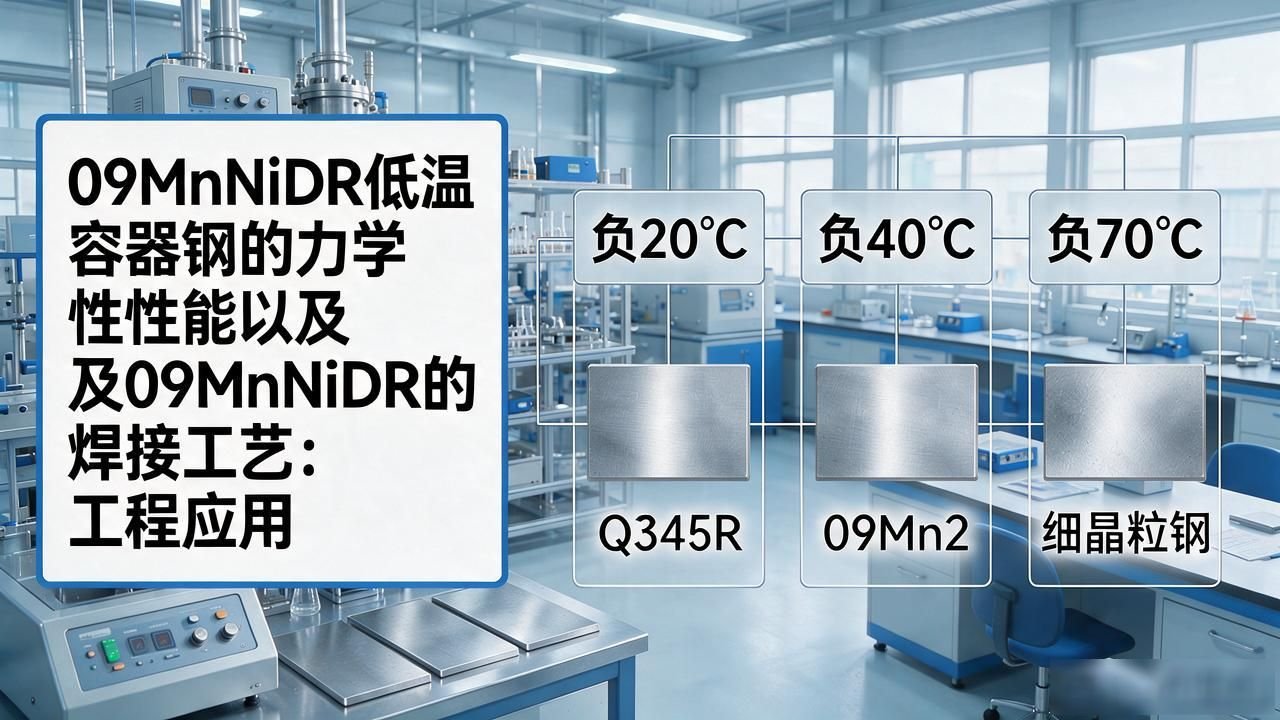
When the temperature drops to minus 20 degrees, choose Q345R. If the ambient temperature is to reach minus 40 degrees, then 09Mn2 material is needed. Once the temperature drops as low as minus 70 degrees, this kind of fine-grained steel must be used, and it cannot be dealt with by downgrading and replacing it.
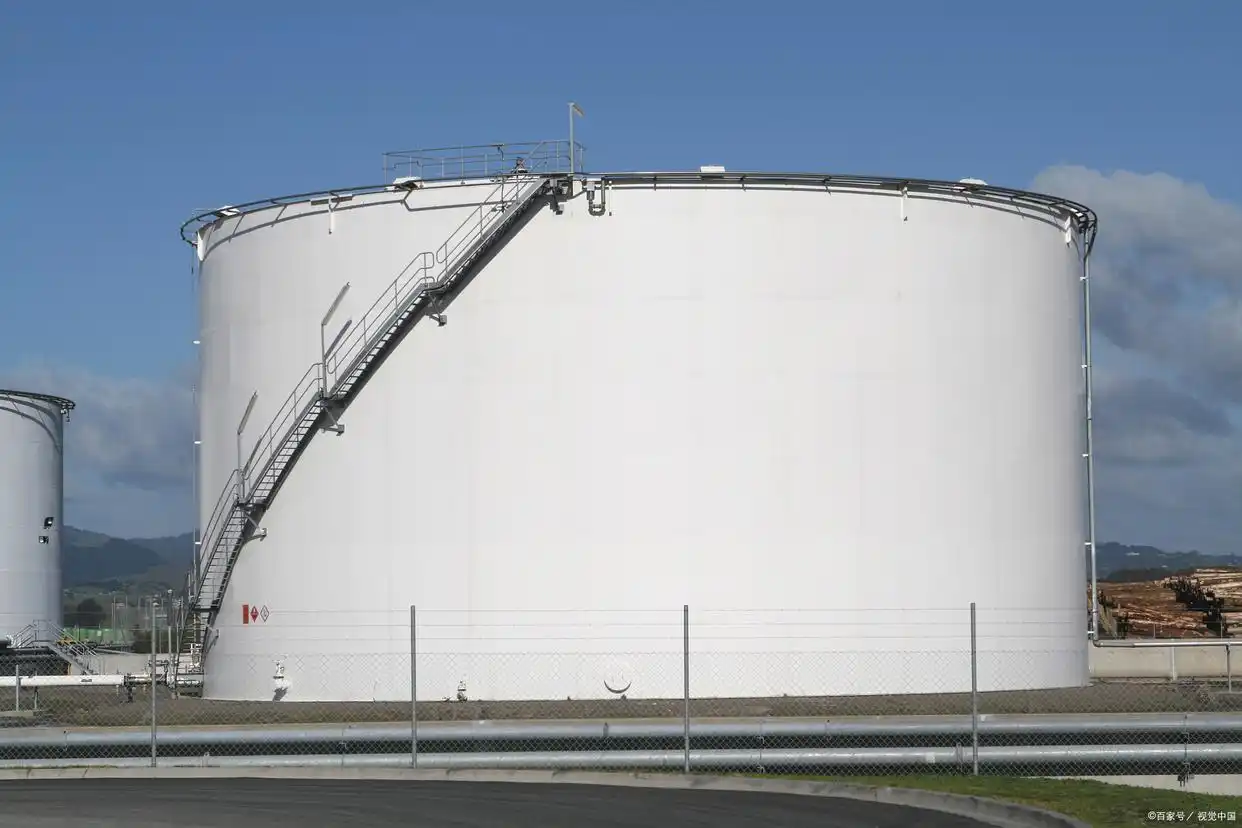
It is the main application scenario for LNG supporting storage tanks, cryogenic heat exchangers, cryogenic separators for ethylene cracking, and cryogenic components in marine engineering.
Among the LNG receiving stations being built in China in 2025, storage tanks with an operating temperature of minus 70 degrees Celsius have wall thicknesses within the range of 45 mm to 60 mm, design pressures are 1.8 MPa, and the amount of steel used in a single device exceeds 1,000 tons. Once the selected material is wrong by even one grade, it will lead to brittle fracture and serious life safety risks such as leakage.
It is unrealistic to replace imported steel
If you compare it with high-nickel low-temperature steels from Japan and South Korea, you will find that its impact strength is generally stable, and its processing and welding performance is even better than the former. But in terms of usage price, the gap is as much as 30% to 40%.
If you build a million-ton liquefied natural gas storage tank, you can save hundreds of thousands of yuan on the cost of materials alone, and you don't have to wait for the long waiting time for production due to import.
But everyone has to have a premise. This premise means that the batch stability of the steel mill must keep up. As for those core-level thick plate products, I still recommend that you go to the head production line to find them.
You must know that by 2026, three steel mills have obtained ASME certification, so the replacement process is accelerating, and the grain size consistency of batch goods from small factories still needs to be inspected every heat.
Your factory has to perform riveting and welding processes when making cryogenic vessels. At what degree is the temperature parameter of preheating usually stuck? You can go to the comment area below to chat, discuss and share. If you think this content is useful, then give it a like and forward it to the masters in the workshop to take a look.



暂无评论内容