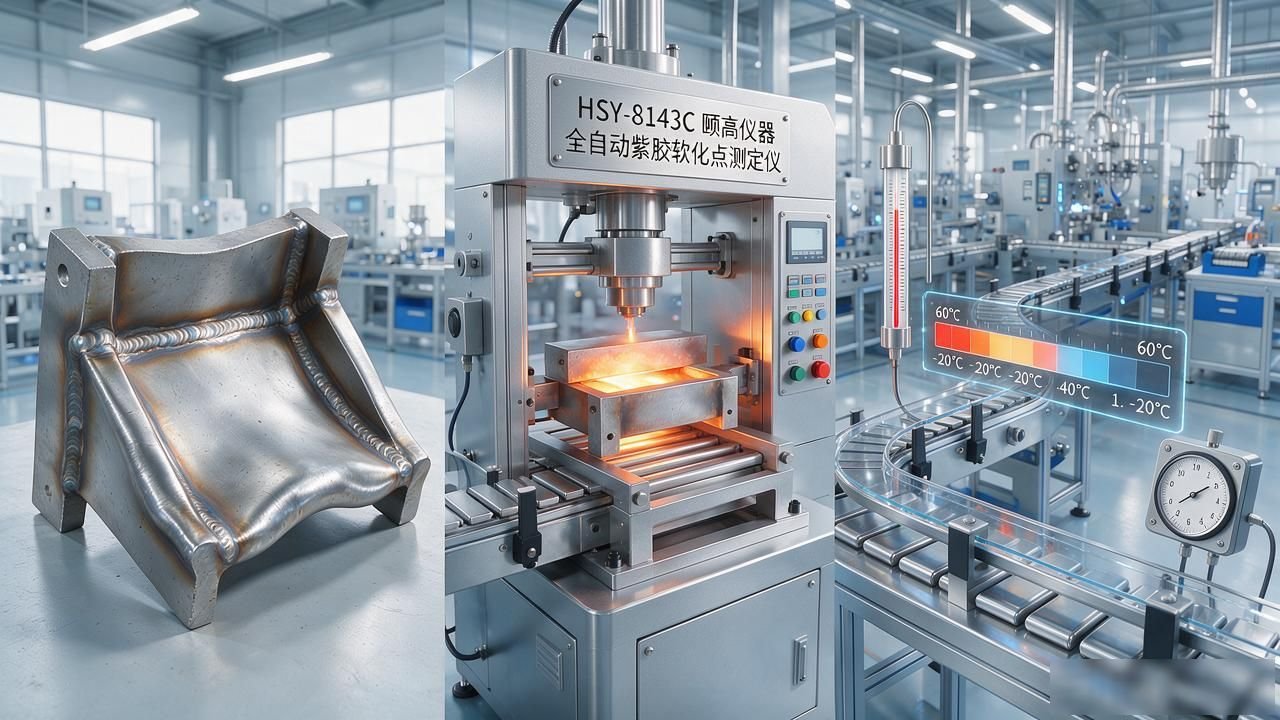


Manufacturer of HSY-8143C Qigao Instruments fully automatic shellac softening point tester
For those who make non-standard instrument stands for laboratories, one of the most troublesome things is that the hole position deviation reaches a few tenths of a millimeter, or the material has been secretly replaced.
Shanghai Qigao has been in business since the 1990s. It has accumulated experience in supporting more than 260 types of instruments for more than 20 years. When it comes to riveting and welding customization, it has indeed taken a very solid and stable path.
The difficulty with non-standard brackets lies in the size tolerance
There is no unified modulus
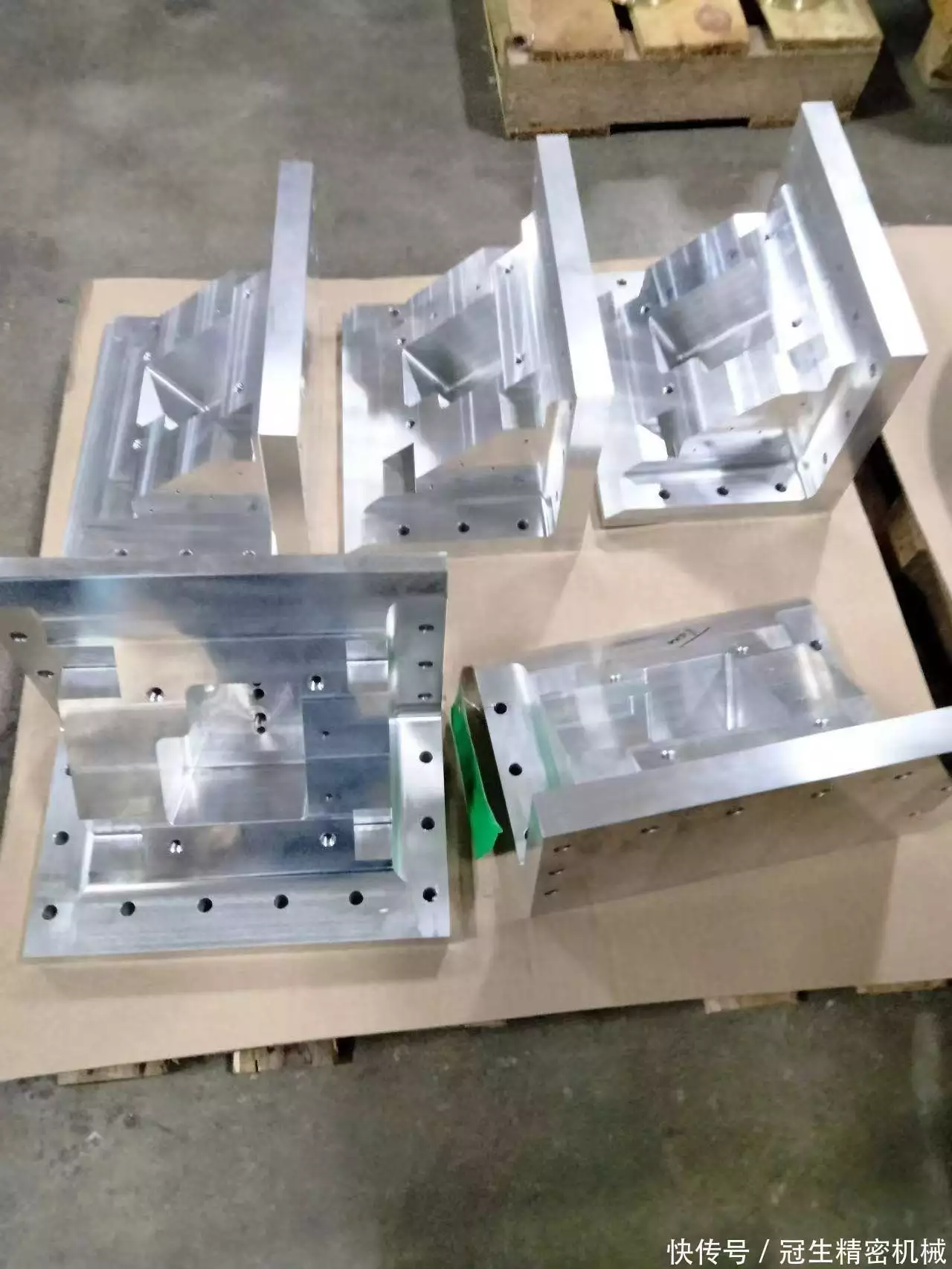
Laboratory instrument racks are completely different from ordinary shelves. If the screw hole position is deviated by 0.5 mm. As soon as the instrument was put on, it immediately started shaking. Coal mines, electric power, chemical industry, and scientific research institutions use different models. Bracket dimensions do not form a uniform module. All need to be drawn separately against the base map of the instrument. As a result, the cycle becomes longer and the cost increases.
When customers put forward customization requirements, the staff will directly adjust the thirteen ready-made series and more than 260 kinds of drawings for modification. During this process, engineers need to check the national standard GB/T and industry standard size tables item by item.
After such operations, the normal cycle was compressed to within a range of fifteen working days. This approach saves customers from starting from scratch and waiting for a long time. On the day when the drawing modification is completed, you can take out the 3D preview to see the effect.
The riveting and welding process determines how long it will take
The welds and materials are stuck

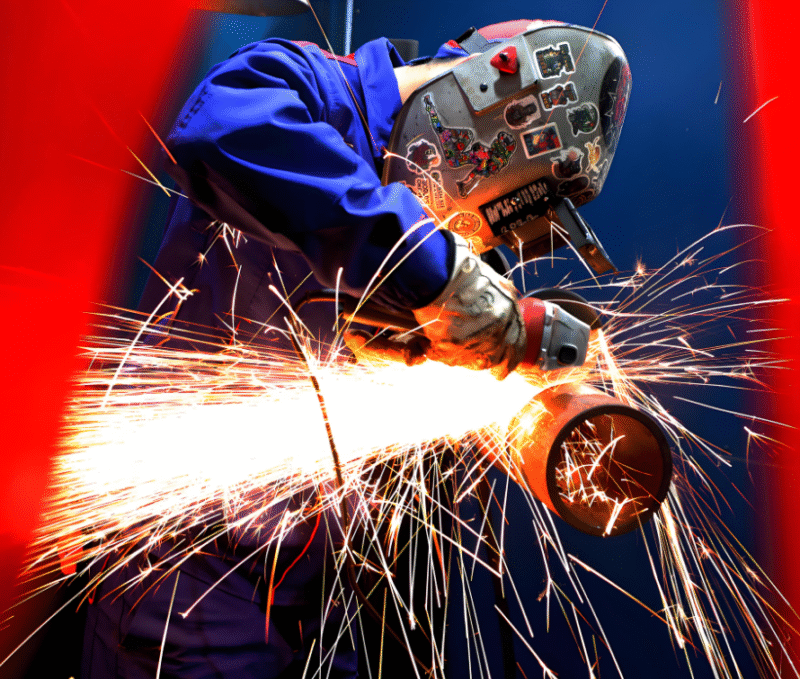
The thickness of the welds is uneven, and the bracket will deform and warp after half a year of use. Qi Gao Enterprises will perform stress relief treatment after completing the welding. Products must undergo cycle testing from minus 20 degrees Celsius to 60 degrees Celsius, and only if the test results pass will they be allowed to be shipped.
The load-bearing surface is riveted to ensure rigidity, and the auxiliary frame is welded to reduce weight. This solution has been running on more than 20 non-standard instruments for three years, and there has been no batch quality problem during this period.
In terms of materials, our regulations are very strict. We only allow 235 material and 304 stainless steel. We completely refuse to use any recycled scrap materials.
Back in 20xx, we encountered a situation where the proportion of pores in the welds exceeded the prescribed standards, so we returned the entire batch of goods for re-welding. All the costs incurred were borne by our company and will never be passed on to customers.
Regarding the test methods mentioned in the national and industry standards, we have never done it just for a formality or a formality. Instead, we insist on conducting an inspection immediately after each welding joint is completed.
How to implement more than 20 kinds of customization every year
Follow the whole process
The customer handed over an experimental plan, and then the steps of drawings, quotations and proofing were carried out on Qi Gao's side, and each work node left a record that could be consulted in the CRM system. By 2025, a certain railway bureau needed a bracket for an explosion-proof analyzer and required that the product be delivered within two weeks using riveting technology and be molded in one step. The acceptance process was successfully passed without any hassle.
We will only accept the order when the order quantity reaches 5 units. But for the research groups of scientific research institutions, even if they only need to purchase three special brackets, we will still arrange the production work and create separate orders through the ERP system, and will never mix them with large orders.
Regarding the customers of the railway force and the quality supervision department, their repurchase rate can be maintained at 70%. The reason why we can reach such a high ratio is mainly because we have no discriminatory attitude towards small quantity orders, and the after-sales service link has always remained stable, and there will be no drop-outs.
R&D proportion supports the bottom line of technology
15% invested in R&D
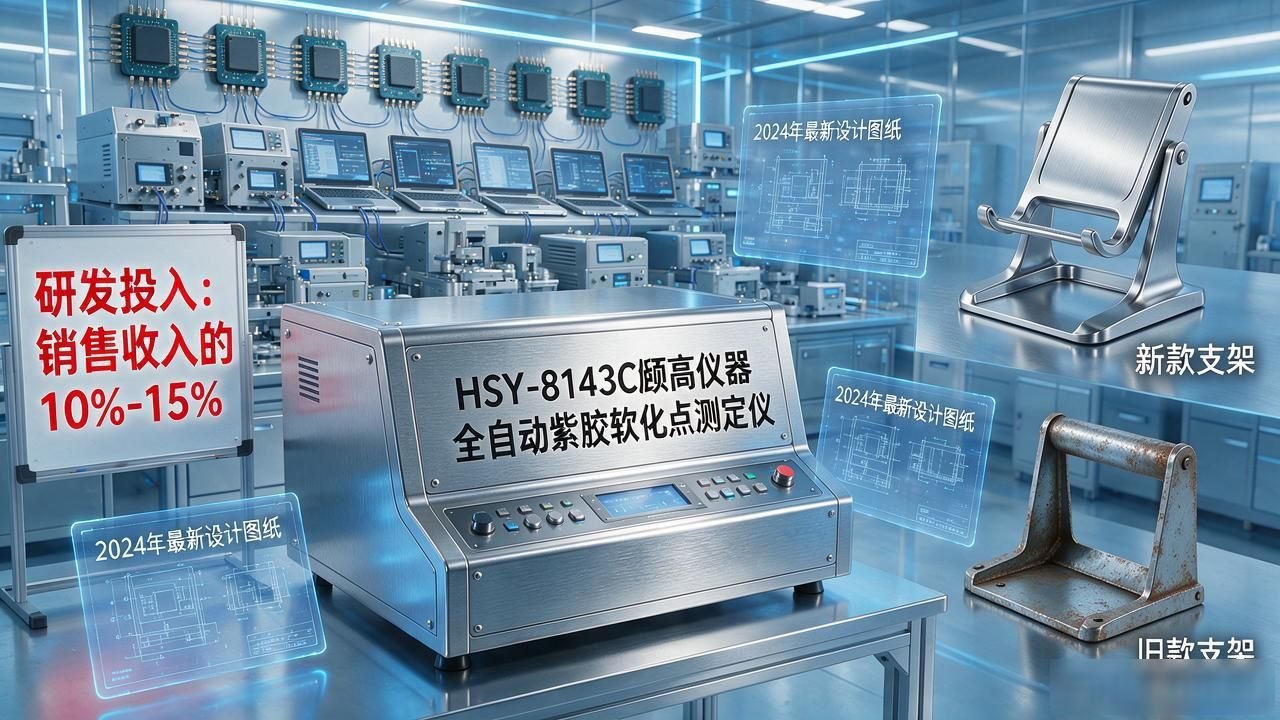
Qi Gao invests 10 to 15 percent of its sales revenue in research and development. There are now close to 100 types of instruments controlled online by microcontrollers or laptops. The structure of the bracket changes with each generation of instruments. Instead of relying on old drawings from three years ago to make up the numbers, new instruments and new brackets will be followed up as soon as they are released.
The "high, precise and cutting-edge" technical team uses industry-leading development methods to carry out refined design work. Those systems that can save energy and are very reliable have received solid feedback after being used by industrial and mining enterprises and colleges and universities. Because the technical level of the instruments has been improved, the accuracy and stability of the supporting brackets have naturally followed suit.
From cutting to delivery, you can see everything at any time
Taking photos and archiving is not confusing
In the ERP system, every process node including the order taking, design, blanking, riveting and welding, polishing and packaging processes must be photographed and archived. As soon as the customer opens their mobile phone, they can directly see which process their bracket has been welded to. The customer does not need to call to ask about the progress, as the customer has a clear idea of the progress.
The warranty period of the customized bracket is two years. If there is deformation or hole position deviation, we will come to your home for free adjustment. The phrase "Excellent quality, good service, affordable price" is not a slogan hanging on the wall, but a liability-accounting clause written into the contract. If something goes wrong, someone can be found.
How do you deal with the non-standard brackets used in your laboratory now? Do you entrust a small local factory to perform the welding processing, or do you find a specialized instrument supplier to make them? In these aspects, are there any errors or deviations in the dimensions? You can come to the comment area to exchange and discuss. If you find this information helpful, please like it and forward it to your colleagues in the laboratory.



暂无评论内容