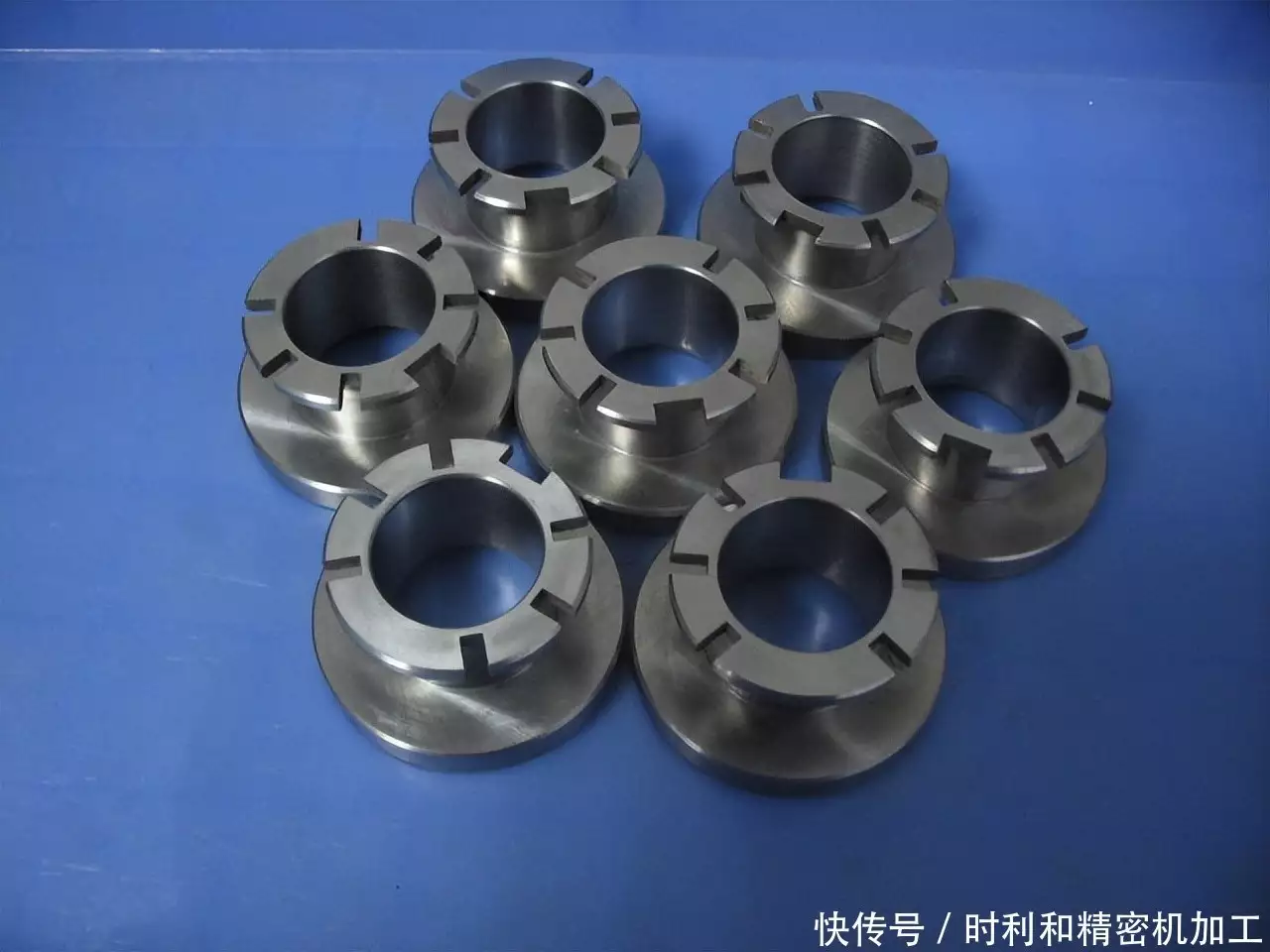


How non-standard metal parts promote personalized manufacturing
When processing non-standard parts, the biggest difficulty is not because the equipment is not expensive enough, but because there is no very clear separation and understanding of what is required. At the same time, the relevant supply chain has not been able to keep up with the pace in time. Now I will explain the core issues very thoroughly through four aspects.
It needs to be dismantled to avoid rework.
The customer only said one thing, that is, he wanted a special-shaped part made of titanium alloy. So the specific thickness of this part, the allowable error range, and how many years the service life can be, these details all need to be carefully discussed and clarified.
The professional team responsible for docking will bring designers, craftsmen, and customers together to sit down and talk, and convert the previously unclear descriptions into specific hard parameters such as material grades, dimensional tolerances, and mechanical performance indicators. After everyone signs and confirms these parameters, the production operation will officially begin.
After setting the parameters, we can start 3D modeling and simulation analysis, so that any difficulties during processing and whether they will block each other during assembly can be discovered in advance. After a company in Chengdu that produces aerospace parts used this method, the proportion of design rework required was reduced from 12% to 3%. As a result, the customer passed the product in one go, and the pass rate was significantly improved.

If you choose the right process, your efficiency will double
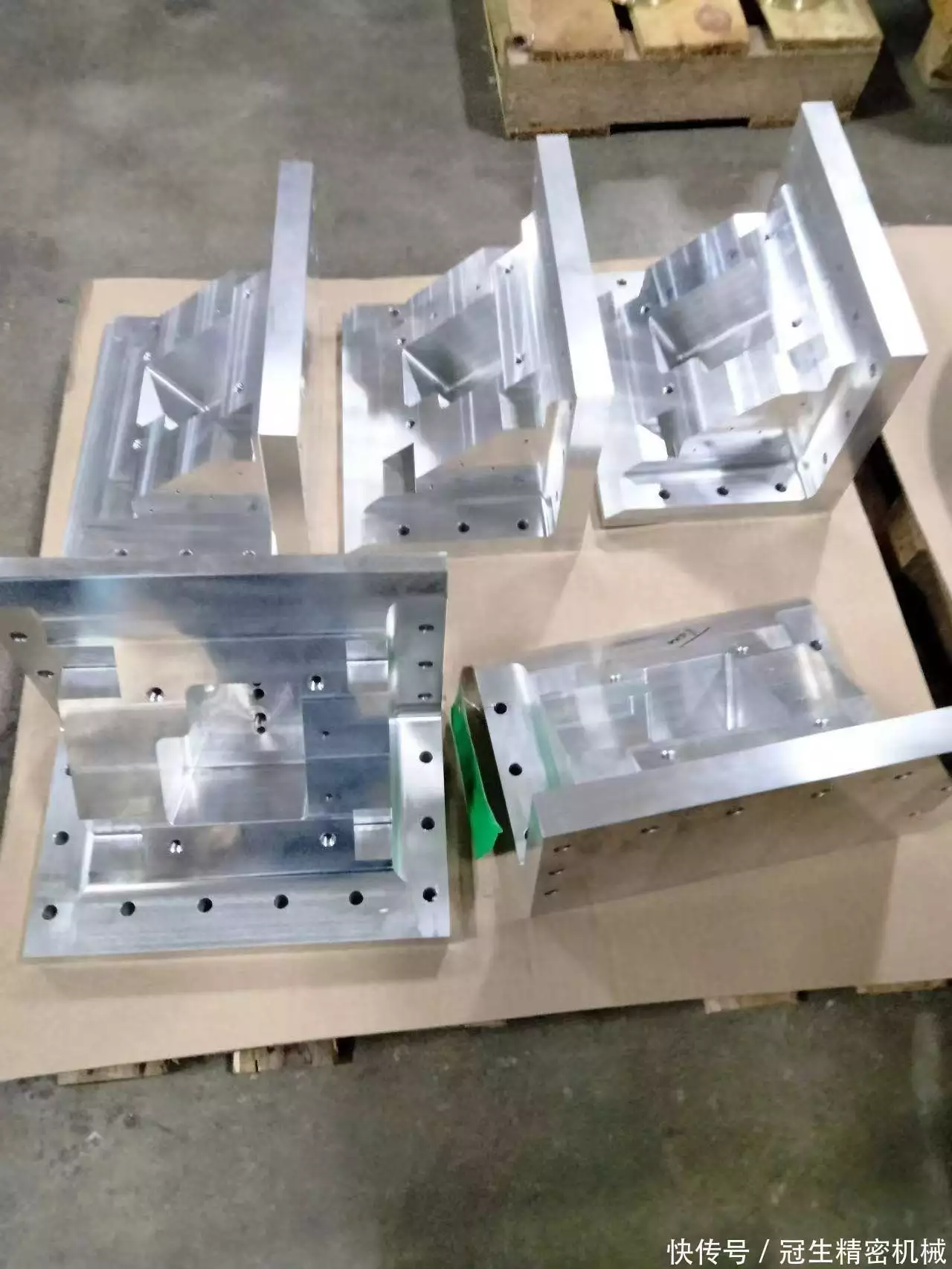
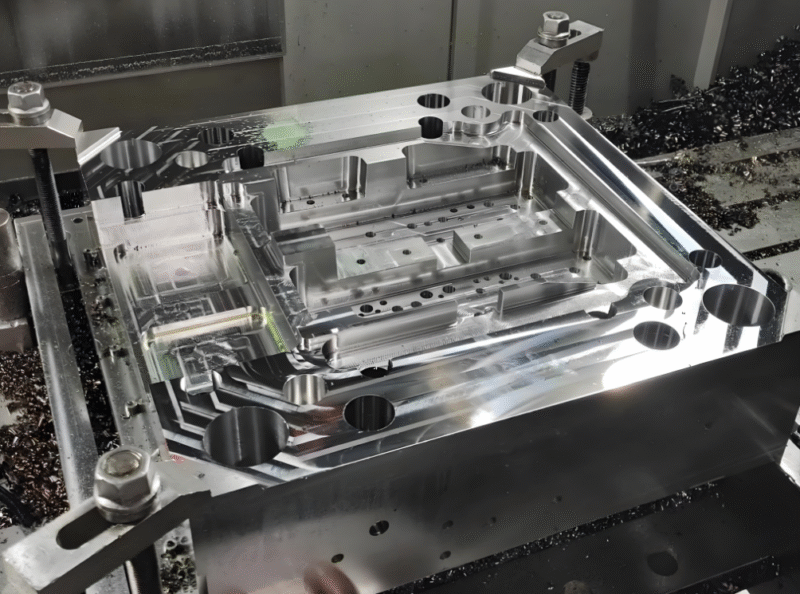
For those parts with relatively simple shapes and certain special-shaped features, we usually use CNC turning and milling equipment to complete the processing tasks, and the overall forming effect can be achieved through one clamping. For those workpieces with complex curved surface structures and extremely high requirements for part dimensional accuracy, a combination of five-axis simultaneous machining and 3D printing technology will be used.
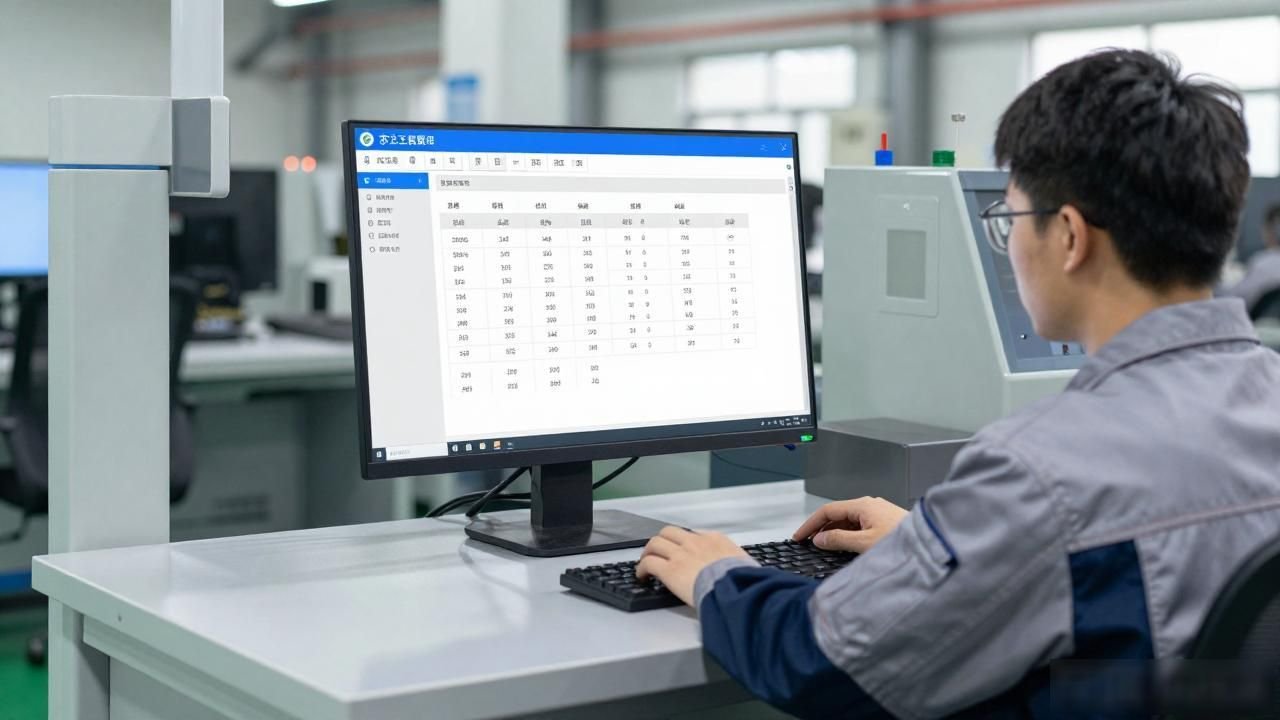
By 2025, a common phenomenon in the domestic head-level non-standard processing field is the establishment of a complete process parameter database system. This allows operators to directly access the corresponding parameter configuration when changing product varieties, and the efficiency is more than twice as fast as rewriting a set of processing programs.
In the small batch and multi-category production model, one of the most feared problems is the frequent line changes of the production line. For aluminum alloy products, stainless steel products and titanium alloy products, we manage their process packages separately, so that the time spent on switching is reduced from the original 4 hours to 40 minutes, and the utilization rate of the equipment is directly improved.
It's all in vain if accuracy can't hold up
Raw materials must undergo physical and chemical testing before entering the factory. Once the material is not up to standard, it will be returned directly. During the processing process, online measuring equipment is used to pay attention to dimensional information in real time, and the CNC system is relied on for automatic compensation. After the processing is completed, a three-dimensional coordinate measuring instrument will be used to conduct a comprehensive inspection, and the relevant data will be archived to ensure traceability and no link will be missed.
Because the structure of non-standard parts is very unique, general-purpose clamps cannot clamp it at all, so special tooling has to be customized. A factory in Wuhan that specializes in aerospace supporting parts has processed and produced more than 20 sets of special-shaped fixtures. These fixtures can control the clamping error within the range of 0.02 mm, and the batch pass rate has also been stably maintained at a high level of 99.5%.
If the supply chain is slow, orders will be lost.
For those personalized parts that require the use of special grades of steel or customized knives, because the supplier's response speed is relatively slow, it will directly lead to the dilemma of being stuck when the complete machine is delivered.
Some leading companies now have taken corresponding measures. They have signed framework agreements with three to five core suppliers. For those commonly used materials, they will maintain a seven-day safety stock, and if they encounter urgent orders, they will use the expedited channel.
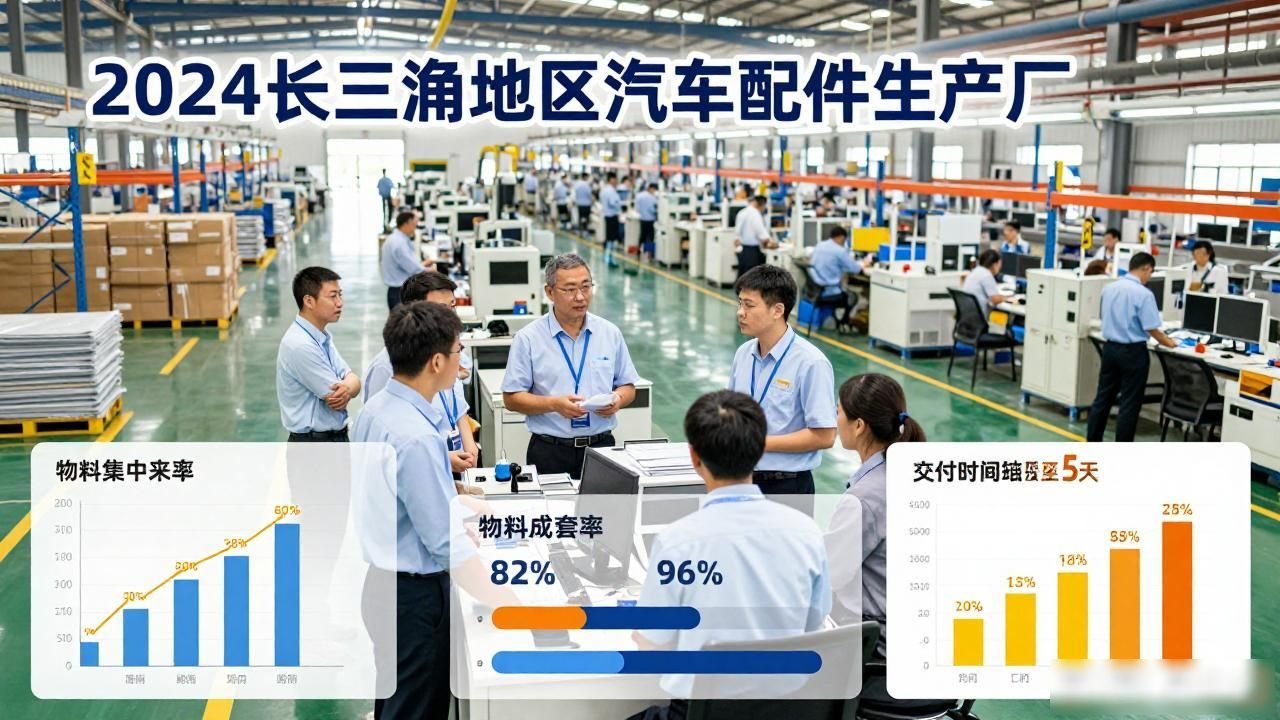
In 2024, an auto parts manufacturer in the Yangtze River Delta region changed the price and non-standard parts supply channels that were originally negotiated individually for each order, into centralized procurement on a quarterly basis, and also added an emergency procurement channel that can respond quickly. As a result, the complete set rate of materials increased from 82% to 96%, and the average delivery time was shortened by 5 days.
When the service chain is broken, customers run away.
Delivery is not the ultimate goal. If a problem occurs after non-standard parts are installed on the equipment, and the customer cannot find relevant personnel to deal with it, then the customer will not come back to us next time. The so-called comprehensive periodic service needs to fully cover the equipment installation link, debugging link, regular inspection and maintenance process and response mechanism in the event of failure. The requirement that the site must be arrived within 48 hours is a basic standard in the industry. If the specified time limit is exceeded, compensation will be required.
There is a local company in Suzhou that specializes in the supply of robot joint parts. They are equipped with digital twin files for each batch of non-standard parts produced. Customers can see detailed information including processing records and inspection reports by scanning the code with their mobile phones. This has shortened the after-sales response time from three days in the past to the same day, which has significantly improved the repurchase rate.
Four things are twisted into a rope
The step of demand dismantling is the starting point, flexible technology is the core, precision control is the bottom line, and supply chain and service are the guarantee. One of these four things cannot be missing. If any link is missing in personalized manufacturing, it will become a situation where the order is received but the goods cannot be delivered. In this case, the reputation will directly collapse.
By 2026, the demand for non-standard parts in the fields of high-end equipment, automobile customization, and aerospace is still growing. Whoever clears this closed loop first will get differentiated dividends.
In the industry you are in now, when processing non-standard parts, which link is the most restrictive and makes people feel very uncomfortable and restricted? You are welcome to communicate and discuss in the comment area below. If you find this content helpful, please give it a like and forward it to your friends who are practitioners in the industry.




暂无评论内容