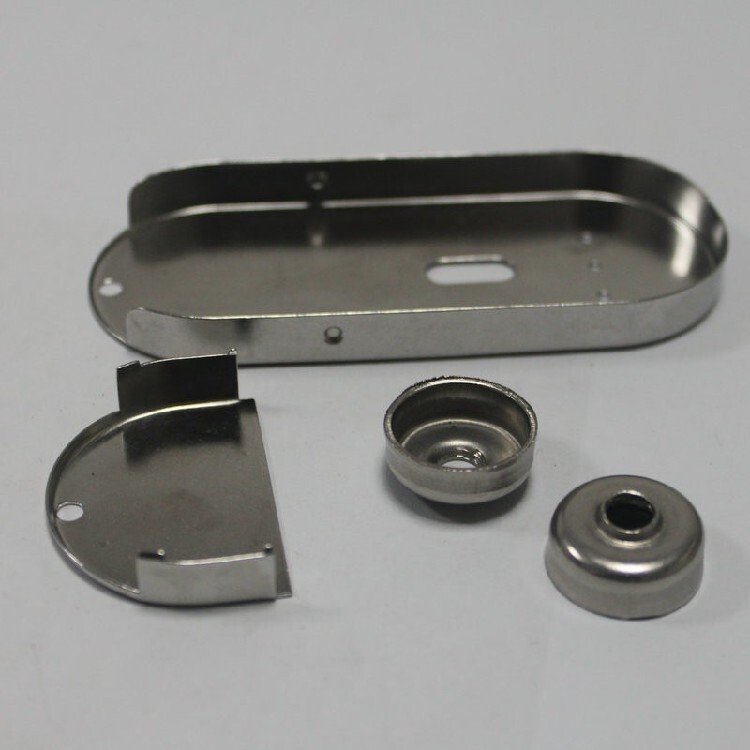


Stainless steel drawing stamping parts processing, small hardware processing, hardware accessories stamping processing
As the basic process that allows the manufacturing industry to exist, stamping parts processing, unexpectedly, many factories frequently make mistakes in the material selection and design process. Today, the six key points of the stamping process will be explained thoroughly to help you effectively reduce detours and effectively reduce costs.
Core principles of stamping process

The press and the mold will exert external force on the plate, which can cause plastic deformation or separation of the material. In this way, parts of the required shape can be obtained. This process is stamping. It is a plastic processing like forging and is collectively called forging.
More than half of global steel products are made of plates, most of which are stamped into finished products. Automobile bodies are stamped parts, radiator fins are stamped parts, and electrical appliance cores are also stamped parts. Their application range is very wide.
Wide range of applications for stamping parts
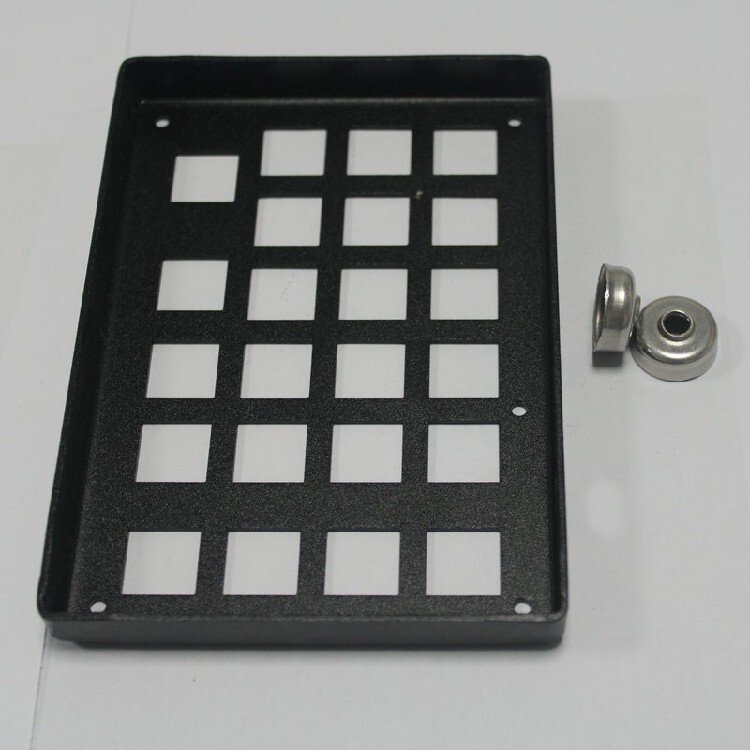
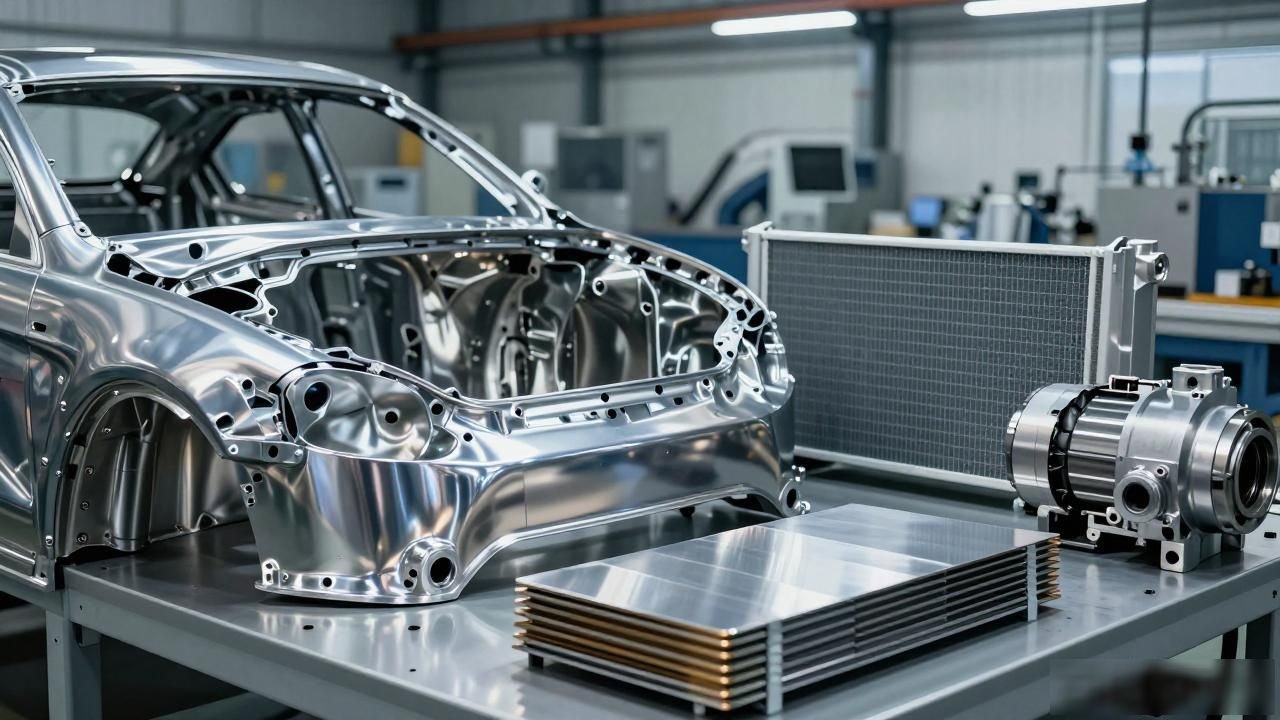
The largest user of stamping parts is automobile manufacturing. Body panels are typical products, radiator fins are typical products, and boiler drums are also typical products. Also requiring stamping processing are silicon steel cores for motors and electrical appliances, which are important basic materials for power equipment.
Products such as instruments and meters, household appliances, office machinery, and storage containers also use a large number of stamped parts. The daily output, which can reach hundreds of pieces per minute, makes stamping a very popular production method in modern factories.
Key points of part structure design
When designing the structure of stamped parts, simple and reasonable surface combinations should be used as much as possible to reduce the number and area of processed surfaces. The simpler the structure, the longer the life of the mold and the lower the production cost.
The prerequisite for the quality of stamping parts is to have good formability. The material must have good plasticity. The material must also have the characteristics of a small yield-to-strength ratio. The material must also have the characteristics of a large plate thickness directional coefficient, so as to ensure smooth deformation and stable product quality.
Scientific approach to material selection
The materials used for stamping must meet the technical requirements given by the product design on the one hand, and on the other hand must meet the conditions required for the stamping process and subsequent processing. The processing and stamping process of small hardware parts such as electroplating and cleaning also have specific requirements for the surface condition of the material.
The separation process does not require the material to have extremely good plasticity. However, moderate plasticity can avoid premature separation of the material. When selecting materials, it is necessary to comprehensively consider the stamping performance and subsequent processing requirements.
The function and selection of stamping oil
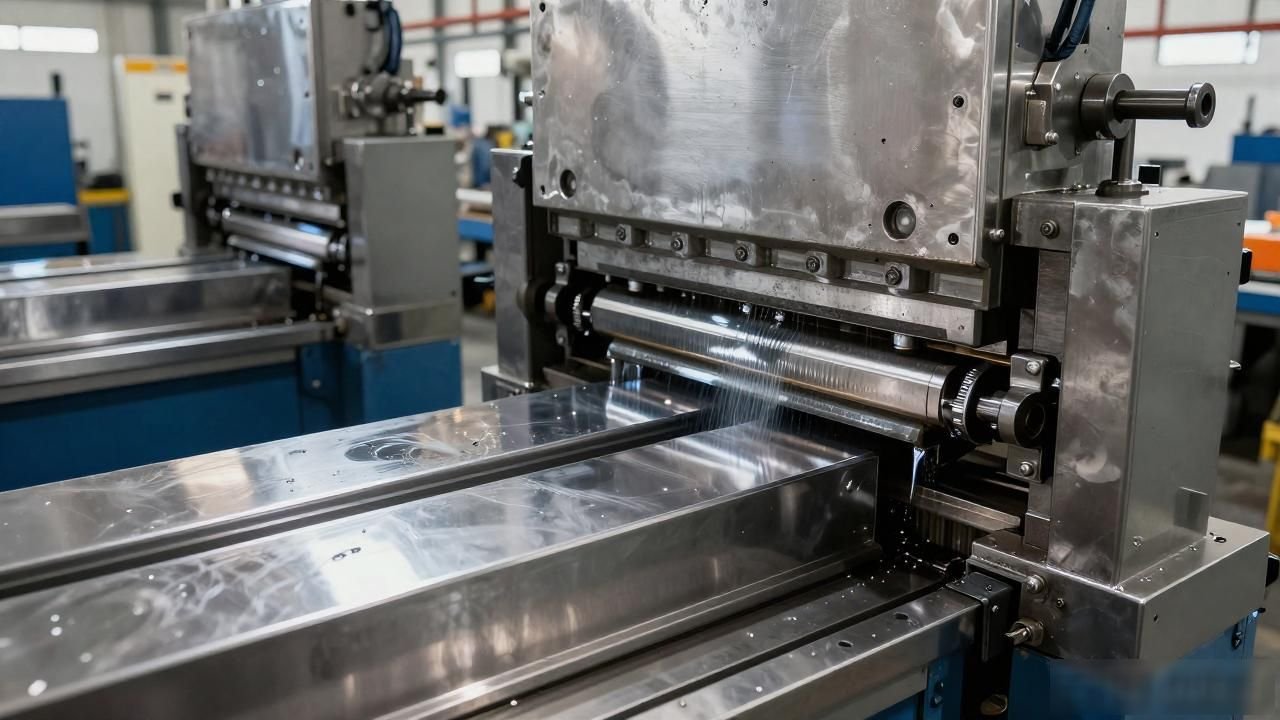
The selection of stamping oil must not fail to meet the process requirements. Stamping oil with excellent performance can significantly improve the processing environment, reduce mold wear, and improve the accuracy and surface quality of the workpiece.
It is suitable for stamping oil to reduce production costs. It has the properties of lubrication and friction reduction, and the ability to cool down. It also has the effect of preventing rust and corrosion. It is a key factor in the stamping process that cannot be ignored.
Precision control and cost balance
When parts are processed, the cost will increase as the accuracy increases. Therefore, for stamping parts, the surface roughness should be reasonably specified based on the actual needs of the mating surface. And don’t blindly pursue high accuracy.
The methods used to manufacture blanks include profiles, casting, forging, stamping, welding, etc. When selecting methods, production batches, material properties, and processing possibilities need to be considered to find a balance between cost and quality.
What do you think is the most overlooked link in the stamping process? You are welcome to share your experience in the comment area. If you find it useful, please like it and forward it to more peers.






暂无评论内容