

CNC precision machining: key technology to improve manufacturing precision and efficiency
Accuracy is core but not everything
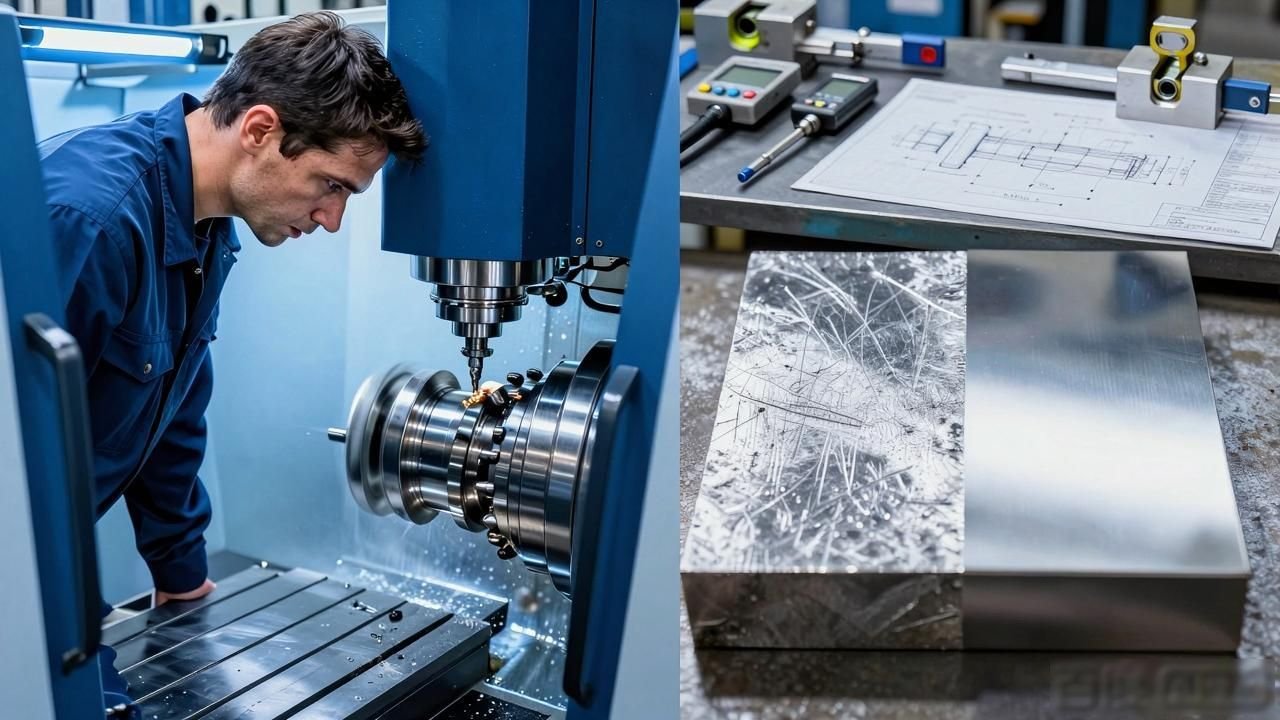
In the medical device and electronic product industries, the processing accuracy of tiny parts plays a direct decisive role in product performance. For example, the inner diameter error of a heart stent must be controlled within 5 microns, and the tolerance of the positioning holes of mobile phone camera modules must not exceed 3 microns. When customers purchase CNC services at high prices, the primary purpose is to obtain perfectly matching parts.
No matter how high the precision is, if it pollutes the environment during the processing, it will still be abandoned by the market. In 2024, a precision processing plant in Suzhou was fined 800,000 yuan by the environmental protection department because its waste liquid discharge did not meet standards, which directly led to the loss of orders. This fully demonstrates that customers not only require extreme precision, but also require that the processing process comply with environmental regulations.
Environmental protection requirements force process upgrades
Traditional CNC machining operations use a large amount of cutting fluid for cooling and lubrication. These chemical waste liquids are expensive to process and can easily pollute the environment. In 2023, a company in Dongguan introduced minimum quantity lubrication technology, which reduced the consumption of cutting fluid by 90%, and the cost of waste liquid treatment was also reduced from 150,000 yuan to 20,000 yuan per month.
After adopting dry cutting and low-temperature cold air technology, some companies have achieved zero waste liquid discharge. For example, there is a medical device processor in Shenzhen that completely abandoned cutting fluid with the help of upgraded equipment. Not only did it pass the environmental protection inspection, but it also received a 300,000 yuan technical improvement subsidy from the government.

Unique Challenges of Tiny Parts Machining
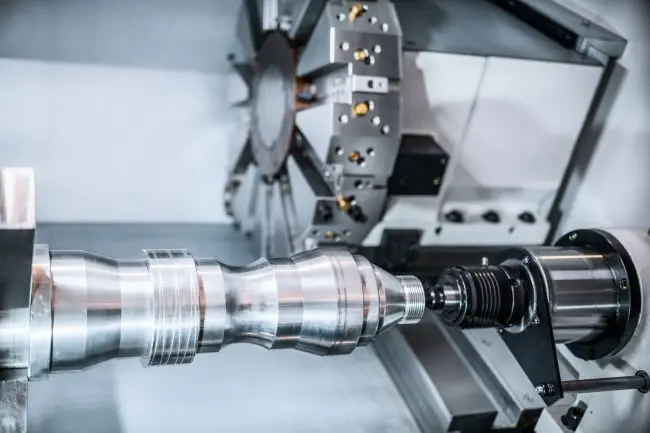
The material utilization rate of small parts is extremely low. For example, for a 3 mm titanium alloy bone nail, 60% of the raw materials are turned into chip powder. If these powders are discharged at will, it will cause soil and groundwater contamination. The traditional disposal method is landfill, but the landfill cost per ton of powder is more than 5,000 yuan.
What's even more troublesome is that when processing tiny parts, tools need to be replaced frequently, and it is even more difficult to collect the metal debris generated by tool wear. In 2025, a company was ordered to stop production because its metal dust emissions exceeded standards, causing direct losses of more than 2 million yuan. This forces companies to upgrade their dust collection systems.
Investment in environmental protection equipment brings long-term returns
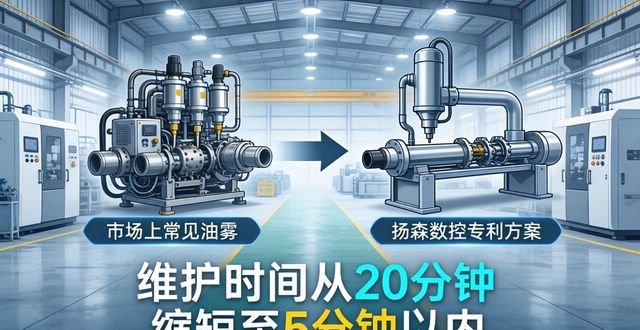
A complete system with oil mist collection and dust filtration functions, the investment amount is in the range of 500,000 to 2 million yuan, and can completely solve the exhaust emission problem. After installation, a company in Shanghai saves about 600,000 yuan in environmental protection fines and waste liquid treatment costs every year, and the cost can be recovered in three years.
At the same time, environmental protection equipment can enhance customer trust. After an aviation parts supplier publicly obtained environmental certification, its order volume increased by 40% within three months. During the audit, major customers clearly required that suppliers must pass ISO14001 environmental management system certification.
Material selection also affects environmental performance
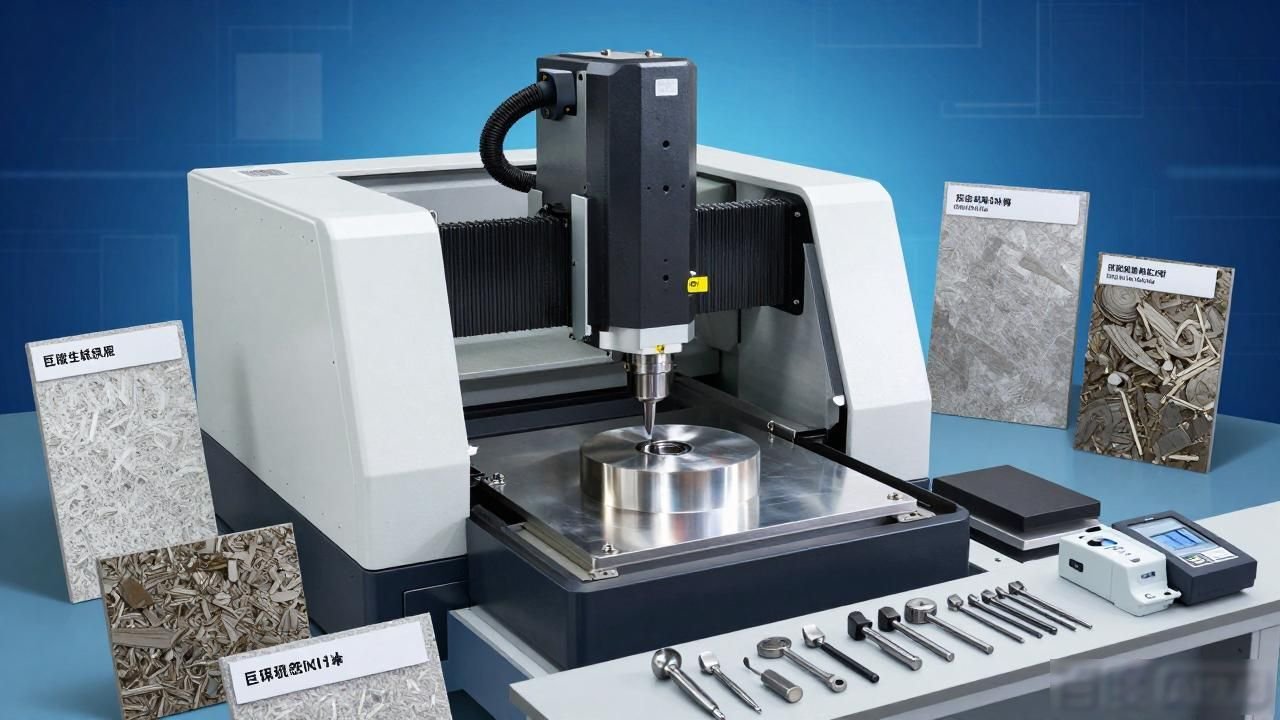
Using recyclable aluminum alloy and using biodegradable packaging materials can significantly reduce the overall environmental impact. For example, Huawei stipulates that all mobile phone case suppliers must use recyclable materials, otherwise they will not be purchased. Such requirements are being transmitted to second-tier suppliers.
However, the processing parameters of new materials had to be re-adjusted. In order to meet environmental protection requirements, a certain factory switched to recycled titanium alloy. This shortened the tool life by 30% and increased the processing cost by 15%. After optimizing the cutting path and coating technology, it finally returned to normal levels within three months.
The future trend is green precision manufacturing
The "Green Intelligent Manufacturing Action Plan" issued by the Ministry of Industry and Information Technology in 2025 clearly requires that the energy consumption of the precision machining industry must be reduced by 20% by 2028. This shows that CNC companies must carry out simultaneous upgrades in equipment, processes, and materials.
Energy consumption and emissions can be monitored in real time by intelligent systems, so that parameters can be adjusted to ultimately reduce carbon emissions. This can raise the competitive threshold of enterprises. Environmental monitoring modules, such as those specially developed by Mitsubishi Electric, can automatically adjust parameters during the relevant processing processes, ultimately achieving a remarkable effect of reducing carbon emissions by 12% per unit part. These technologies are definitely bound to become a new threshold for enterprise competition.
Have you ever encountered the conflict between environmental protection requirements and processing accuracy? Welcome to share your coping experience in the comment area, like and forward it so that more peers can see these practical solutions.




暂无评论内容