
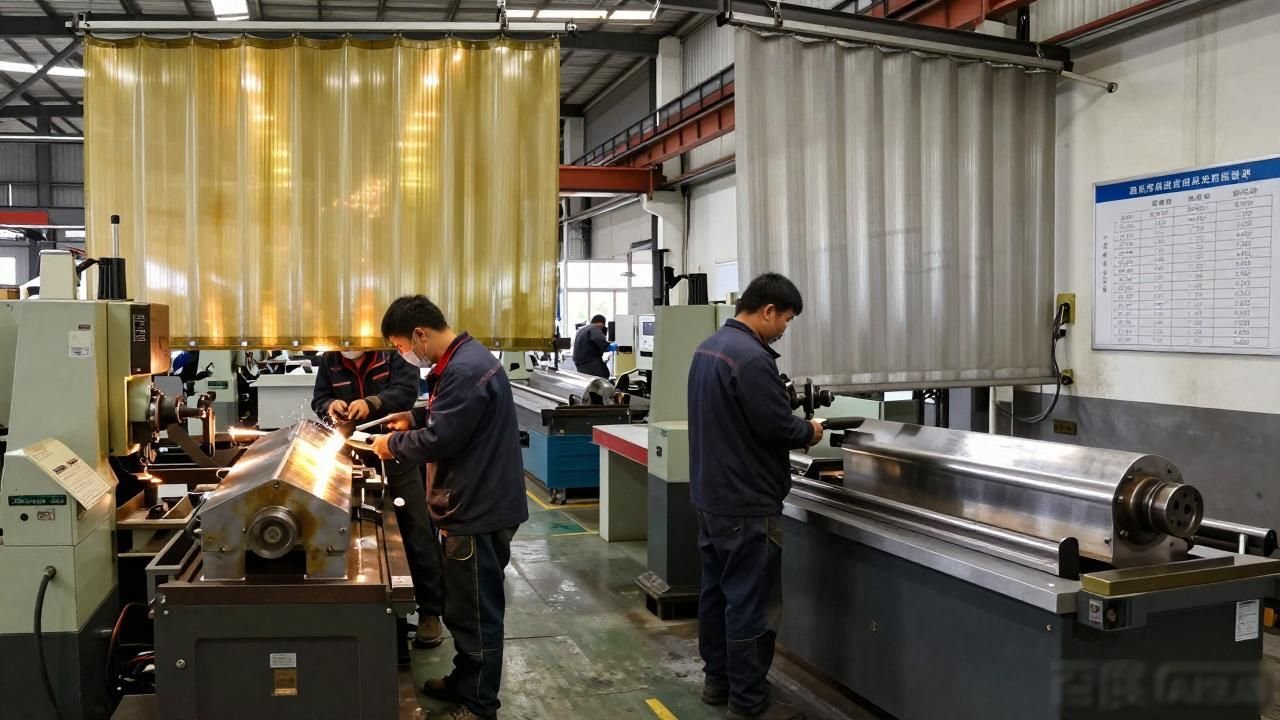
Titanium materials are used in the chemical and petrochemical industries, including
Improper storage of titanium can ruin your knives
The life and performance of special tools used for titanium alloy processing are largely determined by the storage method of titanium metal raw materials. Many processing plants, in order to quickly complete the construction period, pile titanium materials arbitrarily in the corners of the workshop. As a result, the tools wear out rapidly and the surface quality after processing is also very poor. In 2025, there was a precision machinery factory in Shenzhen. Due to the moisture and oxidation of the titanium material, three imported tools were scrapped early, resulting in a loss of more than 80,000 yuan.
Maintaining humidity is key
In a dry environment, titanium metal is prone to forming an oxide film. If the hardness of this film is too high, it will accelerate tool wear. According to industry standards, titanium materials must be wetted with no less than 25% water to form a passivation layer. There is a tool factory in Hangzhou. Its experimental data shows that in a workshop where the humidity is controlled below 50%, the tool life can be extended by more than 30% compared to a dry workshop.
Avoiding light is a must

Titanium metal is particularly sensitive to ultraviolet rays and sunlight. If exposed to the sun for too long, the oxidation reaction will be triggered, resulting in darkening and yellowing of the surface. When titanium in this state is processed, the frictional resistance encountered by the tool will increase by 15% to 20%. The factory in Suzhou that processes aircraft parts installed blackout curtains in 2024. The frequency of tool replacement was reduced from three times a month to twice a month, saving nearly 50,000 yuan in costs.
Isolate other metals
When titanium comes into contact with metals such as copper and iron, in a humid environment, electrochemical reactions can easily occur. Titanium materials are used in the chemical and petrochemical industries, which can lead to corrosion pits. These corrosion points will cause the tool to bear uneven impact force during cutting, which will eventually lead to edge chipping. It is recommended to lay plastic pads in the storage area to separate titanium materials from other metals with a distance of at least 30 cm. Rectification data provided by a mold factory in Dongguan showed that tool wear was reduced by 22% after the implementation of isolation.
Temperature controlled sealed storage
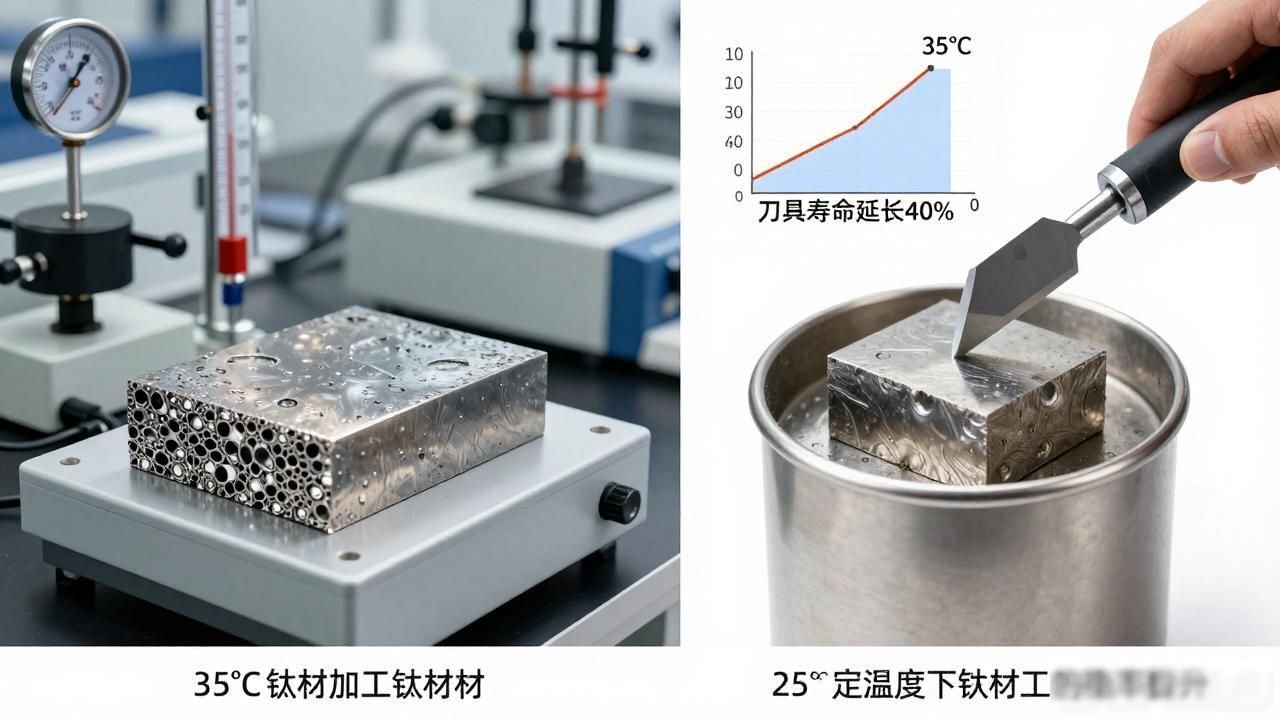
When the storage temperature exceeds 35°C, if the titanium material comes into contact with air, it will cause an accelerated oxidation reaction, thereby forming a hard layer. This hard layer will increase the cutting force of the tool by 10% to 18%. During a test conducted by a research institute in Beijing, it was unexpectedly discovered that when the temperature in the sealed container is constant at 25°C, the machining performance of titanium materials is the most stable in that case, and the tool life is extended by 40%.
Regular inspections to prevent problems before they occur
Check the appearance of the titanium material every two weeks to check for discoloration, spots or signs of corrosion. If an abnormality is found, it must be isolated and processed immediately. A tool supplier in Chengdu discovered that a batch of titanium materials was slightly oxidized during a routine inspection in March 2025. Due to the timely return, subsequent processing accidents were avoided. They found through statistics that regular inspections reduced the incidence of tool accidents by 60%.
On weekdays, how do you judge whether titanium materials have oxidative deterioration? Hurry to the comment area to share your experience and let more people in the same industry see it through likes and collections.
Leave a Reply
You must be logged in to post a comment.