

Precautions for cutting titanium alloy
Key points of processing deformation control
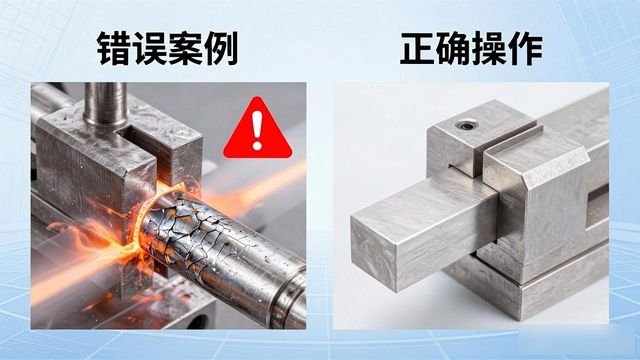
Titanium alloy has a small elastic modulus, which makes the workpiece prone to deformation during processing. This situation will have a direct impact on the processing accuracy. When programming titanium alloy processing programming strategies , the setting of the clamping force should be considered in advance to prevent excessive pressure from causing deformation of the workpiece. In the actual operation process, auxiliary supports can be added to disperse the force, thereby reducing the risk of deformation.
Machine tool operators must carefully adjust the clamping force when installing titanium alloy workpieces. If the clamping force is too large, the workpiece will elastically deform and return to its original state when it is released after processing, resulting in dimensional deviations. It is recommended to rationally design the layout of the fixture based on the shape and thickness of the workpiece, and use multi-point support when necessary.
Cutting fluid selection and safety
If cutting fluid containing hydrogen is used, hydrogen will decompose under high temperature conditions, and when absorbed by the titanium alloy, hydrogen embrittlement may occur, causing parts to break. When programming, avoid using this type of cutting fluid, and at the same time, control the temperature generated during cutting. After the cutting operation is completed, be sure to use a chlorine-free cleaning agent to completely remove any residue. This is used to prevent stress corrosion.
Cutting fluids containing chloride will decompose into toxic gases during machining and endanger the health of operators. Before use, the ingredients of the cutting fluid should be checked, and ventilation equipment and protective equipment should be equipped. If safety cannot be ensured, then the use of this cutting fluid should be abandoned and other environmentally friendly cooling solutions should be used.
Material restrictions of tooling fixtures

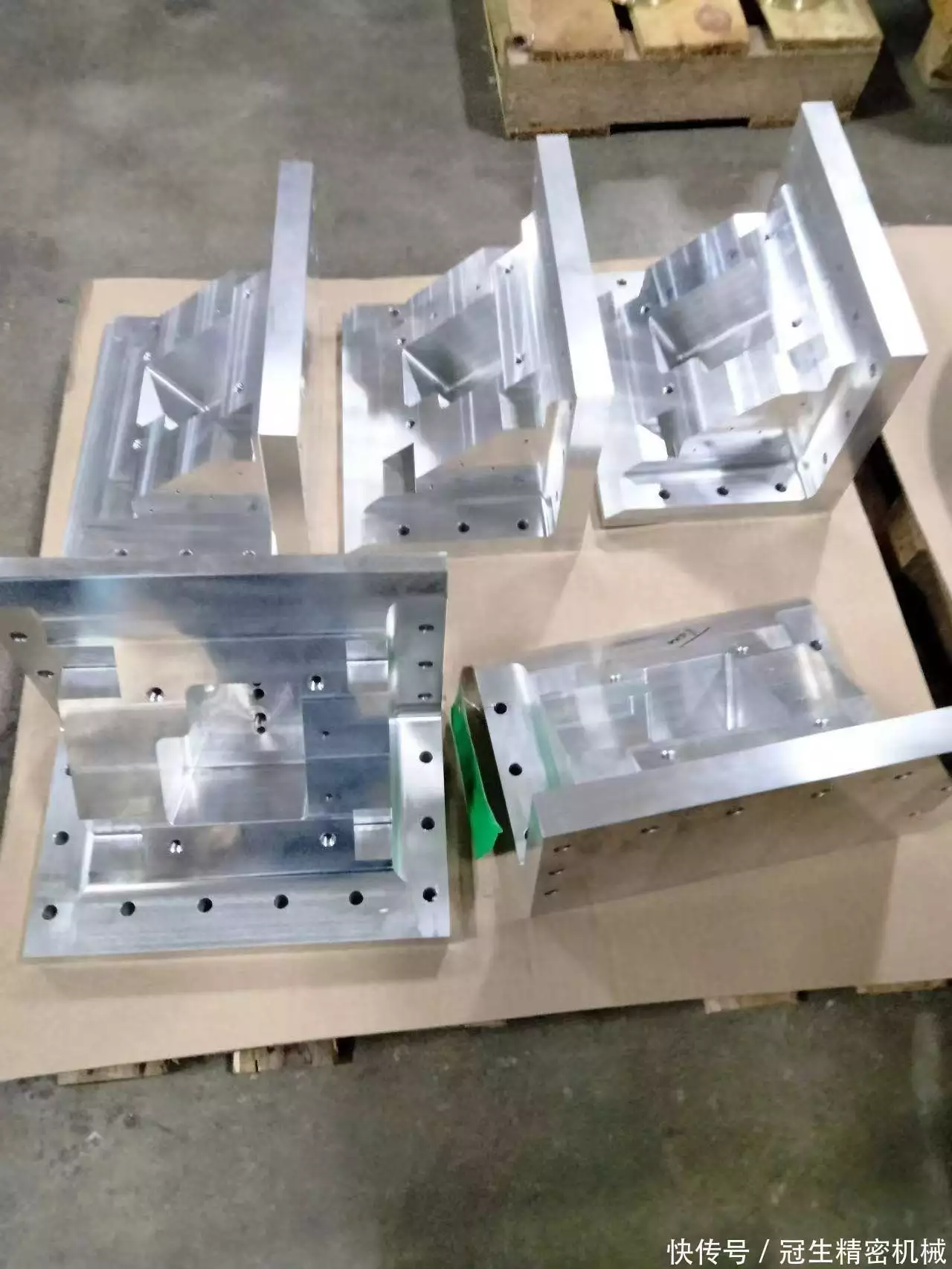
Tool fixtures made of lead and zinc-based alloys are not allowed to contact titanium alloys, as are copper, tin, cadmium and their alloys. These metals will react with titanium alloys under high temperature conditions, causing embrittlement or cracks on the surface of the parts. During programming, stainless steel or carbide fixtures should be used.
Before operating the titanium alloy processing programming strategy , all tools in contact with the titanium alloy should be inspected to ensure that the material complies with regulations. If prohibited metal is found to be used, it must be replaced immediately. At the same time, precautions should be taken when cutting titanium alloy. The surface of the tool fixture should be kept clean to prevent impurities from affecting the processing quality.
Cleaning and anti-pollution measures
All tools, fixtures and devices in contact with titanium alloys must be thoroughly cleaned. After titanium alloy parts are cleaned, it is necessary to prevent contamination from grease or fingerprints, because sodium chloride among these contaminants can cause stress corrosion. Operators should wear gloves when picking up items and avoid direct contact.
To ensure the cleanliness of the processing area, chips and oil stains need to be cleaned regularly. During programming operations, automatic cleaning steps can be set, such as using compressed air to blow the surface of the workpiece when changing tools. This can reduce the subsequent cleaning workload and ensure the quality of the parts.
Fire protection and safe processing
When performing titanium alloy cutting operations, only in micro-cutting situations will the tiny chips ignite and burn. When carrying out programming work, be sure to avoid using too small a cutting thickness and increase the feed rate, so as to make the chips thicker and reduce the risk of burning. Once the tool is dulled, it needs to be replaced immediately to prevent overheating due to friction.
Once a fire occurs, it is absolutely forbidden to use carbon tetrachloride or carbon dioxide fire extinguishers or watering. Not only will water not extinguish the fire, but it will accelerate the burning rate and even cause a hydrogen explosion. Talcum powder, limestone powder or dry sand should be prepared as fire extinguishing agents, and employees should be trained on the correct use of the fire.
Programming strategy optimization suggestions
When programming titanium alloy processing, give priority to large feeds and medium cutting speeds to reduce the occurrence of micro-cutting. At the same time, rationally plan the tool path titanium alloy machining programming strategy to prevent chips from accumulating on the machine tool. Pouring a large amount of cutting fluid can effectively reduce the temperature, which is also a key method for fire prevention.
When simulating the machining process, it is necessary to check whether the tool load is uniform to avoid local overheating. For complex curved surfaces, layered cutting or spiral interpolation must be used to disperse the cutting force. These strategies can improve processing efficiency while ensuring operational safety.
During actual machining operations on titanium alloys, have you ever encountered burning of chips or deformation of workpieces? You are welcome to share your experience in the comment area, like it and forward it to more colleagues for discussion.



暂无评论内容